Skill Development Programs Transforming Rural India
India's skill development programs like PMKVY and Skill India Mission are bridging the gap between rural classrooms and careers. A deep dive into what's working, what's not, and the grassroots NGOs filling critical gaps.
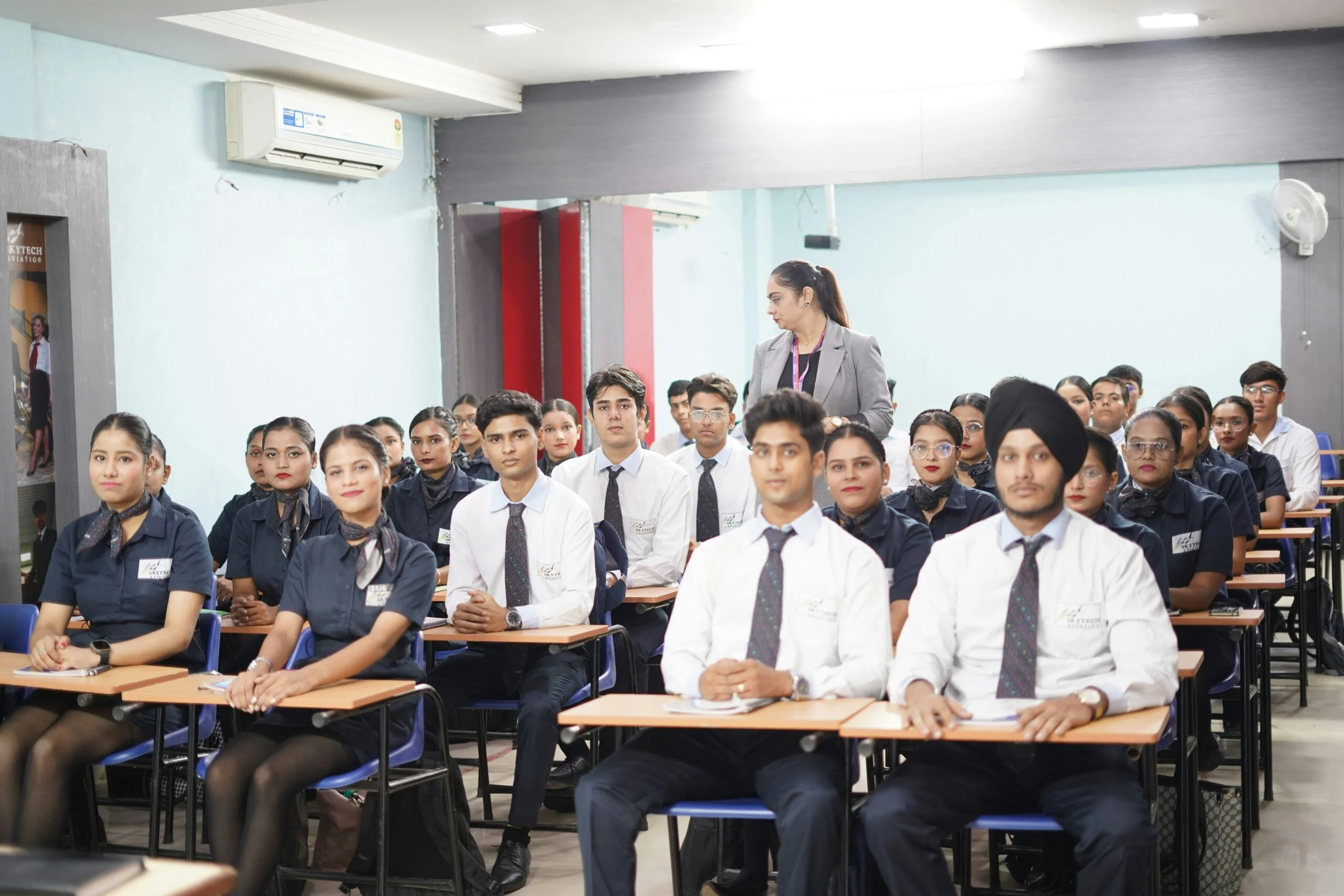
In a modest training center in Rajasthan’s Ajmer district, 22-year-old Sunita Meena is learning to operate a CNC lathe machine. Two years ago, she was helping her parents tend a small plot of farmland with diminishing returns. Today, she is among the 14 million young Indians enrolled in government-backed skill development programs that promise to bridge the chasm between rural classrooms and urban career opportunities. But are these programs truly delivering on that promise?
India’s Skill Gap: A Crisis in Numbers
India faces a paradox that defines its economic trajectory. The country has one of the youngest populations in the world, with over 65% of its people under 35 years of age, according to the United Nations Population Fund. Yet a staggering mismatch exists between what its education system produces and what its economy demands.
The India Skills Report 2024, published by Wheebox in partnership with the Confederation of Indian Industry (CII), found that only 51.25% of Indian graduates are employable. In rural India, that figure drops even further. The National Sample Survey Office (NSSO) data reveals that less than 5% of India’s workforce in the 15-59 age group has received any formal vocational training, compared to 52% in the United States, 75% in Germany, and 96% in South Korea.
| Country | Workforce with Formal Vocational Training |
|---|---|
| India | Less than 5% |
| United States | 52% |
| Germany | 75% |
| South Korea | 96% |
These numbers paint a clear picture: India’s demographic dividend can either become its greatest asset or its most pressing liability. The resulting youth unemployment crisis underscores just how urgent the skill gap is. The difference lies in skill development, and the government knows it.
Skill India Mission: The National Blueprint
Launched on 15 July 2015 on the occasion of World Youth Skills Day, the Skill India Mission represents India’s most ambitious attempt to address its employability crisis. The mission operates under the Ministry of Skill Development and Entrepreneurship (MSDE) and encompasses several flagship programs designed to reach every corner of the country.
The cornerstone is the Pradhan Mantri Kaushal Vikas Yojana (PMKVY), which provides short-term training courses of 150-300 hours across more than 300 job roles in sectors ranging from agriculture and automotive to healthcare and electronics. As of 2024, PMKVY has trained over 14 million candidates across its three phases, with PMKVY 4.0 focusing specifically on emerging sectors like artificial intelligence, drone technology, and green energy.
Key Programs Under Skill India
- PMKVY (Pradhan Mantri Kaushal Vikas Yojana): Short-term skill certification with industry-recognized credentials and financial rewards for successful completion.
- Jan Shikshan Sansthan (JSS): Community-based vocational training targeting non-literate and neo-literate populations in rural and tribal areas.
- National Apprenticeship Promotion Scheme (NAPS): On-the-job training with stipends, connecting trainees directly with employers.
- Industrial Training Institutes (ITIs): A network of over 15,000 institutes offering 1-2 year trade courses in electrician, welding, plumbing, computer hardware, and dozens of other trades.
- Skill India Digital Hub (SIDH): An online platform offering free digital skill courses accessible even in remote areas with basic internet connectivity.
“Skill development is the backbone of a self-reliant India. Our goal is not just to create workers but to build entrepreneurs who can drive rural economies forward.”
Ministry of Skill Development and Entrepreneurship, Annual Report 2023-24
On the Ground: How ITIs Are Reshaping Rural Aspirations
Industrial Training Institutes remain the backbone of India’s vocational education system. With over 15,000 ITIs (both government and private) spread across the country, they represent the most accessible pathway for rural youth to acquire marketable skills. The Directorate General of Training (DGT) under MSDE has been working to modernize these institutes, upgrading curricula to include Industry 4.0 skills like IoT, 3D printing, and solar panel installation.
In states like Rajasthan, Uttar Pradesh, and Madhya Pradesh, where rural populations constitute over 70% of the total, ITIs have become anchor institutions for economic mobility. A 2023 study by the National Council of Applied Economic Research (NCAER) found that ITI graduates in rural areas earn, on average, 40-60% more than their peers who stopped at secondary education. More importantly, 68% of ITI graduates reported finding employment within six months of completing their training.
However, the picture is not uniformly positive. Infrastructure gaps remain a serious concern. A parliamentary standing committee report from 2023 noted that nearly 30% of government ITIs lack adequate workshops and modern equipment. In remote districts, instructor vacancies can reach 40%, forcing students to rely on outdated teaching methods that do not align with current industry requirements.
Grassroots NGOs: Filling the Gaps Government Programs Miss
Where government programs struggle to reach, grassroots NGOs have stepped in with remarkable effectiveness. As we explored in our coverage of NGOs transforming rural education in India, organizations across India are proving that community-driven skill development, tailored to local economies and cultural contexts, can produce outcomes that rival or surpass centralized programs.
Notable Grassroots Initiatives
Barefoot College (Tilonia, Rajasthan): Founded by Bunker Roy, Barefoot College has trained over 3,000 women from rural communities across India and 96 other countries as solar engineers, water testers, and health workers. Their model deliberately selects grandmothers and middle-aged women, who they argue are more likely to stay in their villages and serve their communities. The college operates entirely on solar power and teaches through learning-by-doing rather than textbook instruction.
Pratham: One of India’s largest education NGOs, Pratham has expanded beyond primary education into vocational training through its “Vocational Training and Placement” program. Operating in 15 states, the program focuses on hospitality, healthcare, construction, and automotive trades. Pratham’s Annual Status of Education Report (ASER) has become a critical tool for understanding India’s learning outcomes and skills readiness at the grassroots level.
LabourNet: This social enterprise has trained over 3.5 million workers across India, focusing on the informal sector. Their model uses local community mobilizers to identify potential trainees and provides market-linked training in trades like masonry, tailoring, beauty services, and plumbing. What sets LabourNet apart is its emphasis on post-training support, helping graduates access micro-finance, connect with employers, and navigate the formal economy.
SEWA (Self-Employed Women’s Association): Based in Gujarat, SEWA has organized over 2.5 million women workers and provides skill training in embroidery, agriculture processing, salt farming, and digital literacy. SEWA’s cooperative model ensures that trained women have immediate access to markets and fair pricing for their products.
Success Stories: When Training Translates to Transformation
The impact of skill development programs is best understood through the lives they change. While aggregate data tells one story, individual journeys reveal the depth of transformation possible when training, opportunity, and determination converge.
In Jharkhand, a state where tribal communities face some of India’s most entrenched poverty, the PMKVY center in Ranchi has trained over 8,000 youth since 2016. Among them, young men and women from Munda and Santal communities who have gone on to work as electricians, welders, and healthcare assistants in cities like Jamshedpur, Patna, and even Bengaluru. The National Skill Development Corporation (NSDC) reports that approximately 50-60% of PMKVY trainees secure wage employment or self-employment within three months of certification.
In Kerala, the state government’s Additional Skill Acquisition Programme (ASAP) has become a model for state-level innovation. By integrating skill modules directly into the higher secondary and college curriculum, ASAP has trained over 400,000 students in communication skills, IT basics, and sector-specific competencies. The program boasts an 85% completion rate and has been recognized by NITI Aayog as a best practice worth replicating.
“We learned not just the trade but how to present ourselves in interviews, how to negotiate salaries, and how to save money. That was more valuable than the technical skills alone.”
A PMKVY graduate from Uttar Pradesh, interviewed in NSDC Impact Assessment Report 2023
The Challenges: What Is Not Working
For all the progress, India’s skill development ecosystem faces serious structural challenges that demand honest acknowledgment. A 2023 Comptroller and Auditor General (CAG) audit of PMKVY found several systemic issues that undermine the program’s effectiveness.
Persistent Problems
- Quality of Training Centers: The rapid expansion of training centers under PMKVY led to a proliferation of low-quality providers. The CAG found instances of ghost centers, inflated enrollment numbers, and training centers operating without adequate infrastructure. MSDE has since tightened accreditation standards under PMKVY 4.0, but enforcement remains inconsistent.
- Placement Rates: While the government reports placement rates of 50-60%, independent assessments often find lower figures. The definition of “placement” itself has been contested, as it sometimes includes self-employment and informal work arrangements that may not provide stable income.
- Gender Disparities: Women constitute roughly 30-35% of PMKVY trainees, well below their share of the working-age population. Cultural barriers, safety concerns, and the concentration of training programs in male-dominated trades limit female participation, particularly in northern states.
- Rural-Urban Mismatch: Many training programs prepare rural youth for urban jobs, leading to migration rather than local economic development. While migration can be economically beneficial, it also creates social disruption and does little to build rural economies.
- Industry Disconnect: Sector Skill Councils (SSCs), which are supposed to bridge the gap between training and employment, have been criticized for developing curricula that lag behind industry needs. A FICCI survey found that 40% of employers felt PMKVY graduates required significant additional training before they were productive.
Digital India Meets Skill India: The Technology Factor
The convergence of India’s Digital India initiative with Skill India is opening new avenues that were unimaginable even five years ago. The Skill India Digital Hub (SIDH), launched in 2023, provides a unified platform where anyone with a smartphone can access skill courses, track their learning progress, and receive digital certificates recognized by industry.
This is particularly significant for rural youth. With mobile internet penetration in rural India crossing 50% (according to TRAI data from 2024), digital skill platforms can bypass the infrastructure limitations that plague physical training centers. The National Education Policy (NEP) 2020 has further strengthened this approach by mandating vocational exposure from Class 6 onwards, including digital and coding skills.
Startups like iDream Education, Entri, and Apna are also playing a growing role, offering vernacular-language training and job matching that specifically targets non-English-speaking rural populations. Apna, for instance, connects blue-collar and grey-collar workers with employers through its app, which is available in multiple Indian languages and has facilitated over 100 million job interviews since its launch.
The Road Ahead: What Needs to Change
India’s skill development infrastructure has come a long way since 2015, but achieving the original Skill India target of training 400 million people by 2022 (later extended) requires a fundamental shift in approach. Experts and practitioners point to several priorities.
- Decentralize decision-making: Allow district-level bodies and panchayats to identify local skill needs rather than relying entirely on centralized Sector Skill Councils. A fisherman’s village in Odisha has different training needs than a weaving community in Varanasi.
- Invest in trainers: The quality of training is only as good as the trainers delivering it. India needs a massive push to recruit, train, and retain skilled instructors, particularly in tier-3 cities and rural areas where vacancies are highest.
- Focus on outcomes, not enrollment: Shift metrics from the number of people trained to the number of people gainfully employed six months and one year after training. This would incentivize quality over quantity.
- Strengthen the apprenticeship ecosystem: India has just 500,000 formal apprentices, compared to 3 million in Germany. Expanding NAPS and making it easier for small and medium enterprises (SMEs) to participate could dramatically improve on-the-job learning.
- Integrate soft skills and financial literacy: Technical skills alone are insufficient. Programs that include communication skills, interview preparation, workplace etiquette, and basic financial literacy consistently show better placement and retention outcomes.
A Realistic Hope
India’s skill development journey is neither the unqualified success that government press releases suggest nor the failure that critics sometimes portray. It is a work in progress, uneven and imperfect, but marked by genuine breakthroughs in certain states, programs, and communities.
What is clear is that the demand is real and urgent. Every year, approximately 12 million young Indians enter the workforce, and the vast majority of them come from rural backgrounds with limited exposure to the modern economy. For them, a well-designed skill development program is not an abstraction but a lifeline, the difference between a life of subsistence and one of opportunity.
The programs are there. The infrastructure is expanding. The technology is increasingly accessible. What remains is the harder work: ensuring quality, reaching the most marginalized communities, and building an ecosystem where every trained youth can find a dignified path from the classroom to a meaningful career.
That work is not finished. But across India’s villages and small towns, in ITI workshops and NGO training centers, in government skill hubs and smartphone screens, it is undeniably underway.
References and Further Reading
- Skill India Official Portal - Ministry of Skill Development and Entrepreneurship
- National Skill Development Corporation (NSDC) - Training standards and impact reports
- PMKVY Official Website - Pradhan Mantri Kaushal Vikas Yojana details and center locator
- Barefoot College - Grassroots training model for rural communities
- Pratham - ASER reports and vocational training programs
- National Education Policy 2020 - Full policy document
This article is part of our ongoing coverage of India’s education and empowerment landscape. If you are involved in or aware of skill development initiatives in your region that deserve recognition, reach out to us. Grassroots stories matter, and we want to tell them.
What you can do
- Share the evidenceSend this to one person who should know about poverty.Share on WhatsApp
- Back what worksVolunteer time or skills with groups doing this work.Ways to volunteer
- Tell us what's missingKnow a story, a fact we got wrong, or a solution worth spotlighting?Suggest a story
Politically neutral. Every claim sourced. Report a correction.



No comments yet