How Indian Women Entrepreneurs Are Redefining Business Across Tier-2 Cities
How Indian women entrepreneurs in Tier-2 and Tier-3 cities like Jaipur, Lucknow, Indore, and Bhubaneswar are building businesses using digital tools, government schemes, and traditional craft knowledge — and the real challenges that remain.
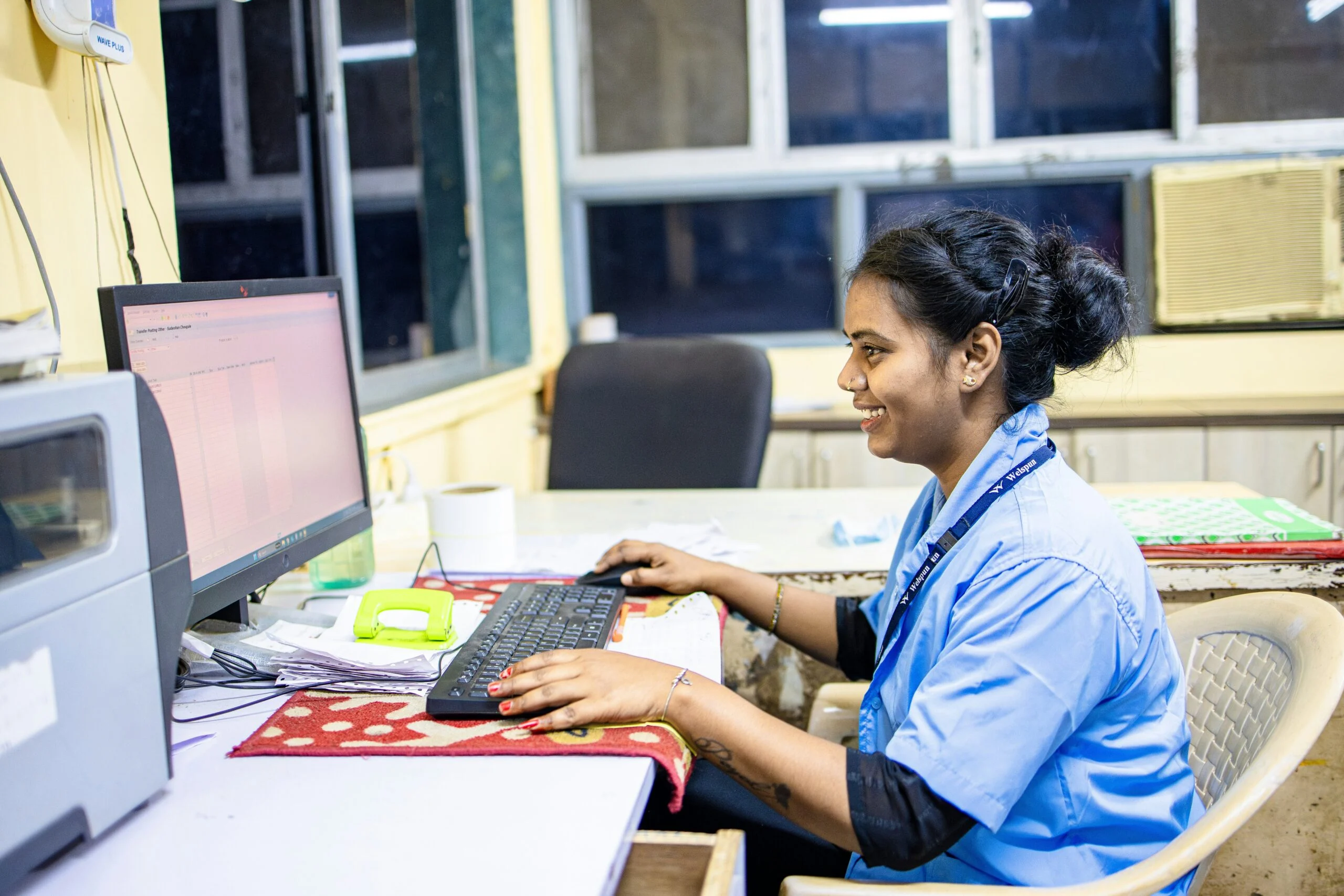
Theme: Empowerment | Reading time: 14 minutes
In Jaipur’s Mansarovar district, 34-year-old Rekha Sharma runs a D2C jewellery brand that clocked Rs 2.4 crore in revenue last year, entirely through Instagram and WhatsApp orders. Five years ago, she was a schoolteacher earning Rs 18,000 a month. Her story is not an outlier. It is a pattern. Across India’s Tier-2 and Tier-3 cities, women are building businesses that challenge every assumption about where innovation happens and who drives it.
India is home to approximately 20.37 million women-owned enterprises, accounting for roughly 20% of all MSMEs in the country, according to the Sixth Economic Census and subsequent government data. While that number still trails behind men-owned businesses by a wide margin, the growth trajectory is impossible to ignore.
What makes the current moment different is geography. For decades, women entrepreneurship in India was largely an urban, metro-centric phenomenon, concentrated in Mumbai, Delhi, Bengaluru, and a handful of other large cities. That is shifting. Data from the Udyam Registration Portal shows that between 2020 and 2025, registrations by women-owned enterprises in Tier-2 and Tier-3 cities grew at nearly twice the rate of metro areas. Cities like Jaipur, Lucknow, Indore, Coimbatore, Bhubaneswar, Nagpur, and Patna are emerging as unexpected hubs of women-led enterprise.
The reasons are structural, not accidental. A combination of government policy, digital infrastructure, changing social attitudes, and sheer economic necessity has created conditions where women in smaller cities can start, scale, and sustain businesses in ways that were simply not possible a decade ago.
To understand this shift, you need to look beyond the inspiring headlines and into the mechanics of what makes entrepreneurship possible in smaller Indian cities today.
Lower Cost of Living, Higher Margins
The most obvious advantage is economics. A woman starting a food processing unit in Indore faces a fraction of the rent, labour, and operational costs compared to Mumbai. Office space in Tier-2 cities costs 40-60% less than in metros. This means the barrier to starting up is lower, and the runway before profitability is shorter. For women who often bootstrap their businesses, using personal savings, family support, or small government loans, this cost differential is not trivial. It is the difference between a business that survives its first year and one that does not.
Digital Infrastructure Has Levelled the Playing Field
India’s digital revolution has been a quiet but powerful equaliser. The combination of affordable smartphones, cheap data (thanks to Jio’s disruption of the telecom market), and platforms like UPI, WhatsApp Business, Instagram, and Meesho has given women in smaller cities access to markets, customers, and payment systems that were previously gated behind geography and capital.
Consider the numbers: India had over 13 billion UPI transactions per month by late 2024. WhatsApp Business is used by over 15 million small businesses in India. Social commerce platforms like Meesho have over 130 million users, with a significant concentration in Tier-2 and Tier-3 cities. These are not just statistics, they represent infrastructure that allows a woman in Bhubaneswar to sell handloom sarees to a buyer in California without needing a physical store, a distribution network, or a bank loan for inventory.
Proximity to Raw Materials and Craft Traditions
Many Tier-2 and Tier-3 cities sit at the intersection of traditional craft knowledge and modern market access. Jaipur has its gemstones and block printing. Lucknow has chikankari embroidery. Coimbatore has its textile ecosystem. Bhubaneswar has Odisha’s tribal art and handloom traditions. Women entrepreneurs in these cities are not just running businesses, they are digitising and scaling centuries-old craft traditions, creating supply chains that connect artisan clusters to global markets.
Key Data Points: Women Entrepreneurs in India
- 20.37 million women-owned enterprises in India (approx. 20% of all MSMEs)
- 78% of women-owned MSMEs are in the micro category (investment under Rs 1 crore)
- Only 14% of women entrepreneurs receive formal institutional credit
- Rs 4.39 lakh crore+ disbursed under Mudra Yojana, with nearly 70% going to women borrowers
- 30% year-on-year growth in women-led Udyam registrations from Tier-2/3 cities (2022-2025)
- 58% of social commerce resellers in India are women (Bain & Company report)
Government policy has played a significant role in creating the ecosystem for women entrepreneurship outside metros. While not every scheme delivers on its promise, and implementation gaps remain a serious issue, several programmes have had measurable impact.
Pradhan Mantri Mudra Yojana (PMMY)
Launched in 2015, Mudra Yojana has arguably been the single most impactful scheme for women micro-entrepreneurs. The programme offers collateral-free loans in three categories: Shishu (up to Rs 50,000), Kishore (Rs 50,000 to Rs 5 lakh), and Tarun (Rs 5 lakh to Rs 10 lakh). As of 2025, over Rs 4.39 lakh crore has been disbursed under the scheme, with women accounting for nearly 70% of all Mudra loan accounts.
The impact on Tier-2 and Tier-3 cities has been particularly notable. In states like Rajasthan, Madhya Pradesh, Odisha, and Tamil Nadu, Mudra loans have funded everything from beauty parlours and tailoring units to food processing businesses and dairy cooperatives. The collateral-free nature of the loan is crucial, most women in smaller cities do not have assets in their name to pledge as security.
Stand-Up India
Stand-Up India facilitates bank loans between Rs 10 lakh and Rs 1 crore for at least one SC/ST borrower and one woman borrower per bank branch. Since its launch in 2016, the scheme has supported over 1.8 lakh accounts with loans totalling over Rs 40,600 crore. The scheme specifically targets greenfield enterprises in manufacturing, services, or trading sectors.
While the scheme has faced criticism for slow disbursement and banks’ reluctance to lend, it has created a formal pathway for women in Tier-2 cities to access credit for larger ventures, moving beyond micro-enterprise into small and medium business territory.
Women Entrepreneurship Platform (WEP) by NITI Aayog
NITI Aayog’s Women Entrepreneurship Platform, launched in 2018, takes a different approach. Rather than direct financing, WEP focuses on building an ecosystem, connecting women entrepreneurs with mentors, investors, industry networks, and government resources. The platform has partnered with organisations like SIDBI, Facebook (Meta), and the Bill & Melinda Gates Foundation to provide incubation support, skill training, and market access.
WEP operates through three pillars: Ichha Shakti (motivating women to start), Gyaan Shakti (providing knowledge and skills), and Karma Shakti (hands-on support for scaling). The platform has registered over 20,000 women entrepreneurs, with a stated focus on those from non-metro cities.
Other Notable Schemes
Scheme | Focus Area | Key Benefit for Women |
|---|---|---|
Mahila Udyam Nidhi (SIDBI) | Small industries | Loans up to Rs 10 lakh for small-scale manufacturing |
Annapurna Scheme | Food catering | Loans up to Rs 50,000 for women in food business |
Stree Shakti Package | SBI initiative | 0.5% interest concession for women borrowers |
Mahila e-Haat | Online marketplace | Direct selling platform for women entrepreneurs |
TREAD (Trade Related Entrepreneurship Assistance) | NGO-supported training | Grants for capacity building via NGOs |
State-level Startup Policies | Varies by state | Special incentives, subsidies, and incubation for women founders |
States like Rajasthan, Kerala, Tamil Nadu, and Odisha have also launched their own women entrepreneurship missions, often providing additional subsidies, land allotments, and incubation support that complement central schemes.
The sectors where women entrepreneurs in Tier-2 and Tier-3 cities are making their mark reveal both the opportunities and the constraints of the ecosystem. Some of these sectors play to traditional strengths and existing knowledge. Others represent genuinely new territory.
Handicrafts and Handloom: From Artisan to Brand Builder
India’s handicraft sector employs over 70 lakh artisans, a majority of them women. What has changed is that women are increasingly moving from being artisans, workers in a supply chain they do not control, to being brand owners and supply chain managers themselves.
In Jaipur, women-led brands are using Instagram and marketplaces like Jaypore and iTokri to sell block-printed textiles, blue pottery, and lac bangles directly to consumers. In Lucknow, chikankari entrepreneurs are cutting out middlemen and building D2C brands. In Bhubaneswar, women are creating cooperatives that aggregate tribal art and handloom products for domestic and international markets.
The common thread is digital access. Social media and e-commerce platforms have allowed these women to tell the story of their craft, build a brand around provenance and authenticity, and capture margins that previously went to intermediaries.
Food Processing and Packaged Foods
Food processing is perhaps the most natural entry point for women entrepreneurs in smaller cities. India’s food processing sector is valued at over $500 billion and is growing at 11% annually. Within this, the segment of packaged regional and ethnic foods, pickles, papads, spice mixes, ready-to-cook meals, organic snacks, has seen a surge in women-led businesses.
Cities like Indore, Nagpur, and Coimbatore have become particularly active in this space. Indore, already famous for its street food culture, has seen a proliferation of women-run food processing units that package local specialities for national distribution through Amazon, Flipkart, and BigBasket. The FSSAI’s simplified registration process for micro food businesses (those with annual turnover under Rs 12 lakh) has made compliance significantly easier.
EdTech and Skill Development
Women in Tier-2 cities are increasingly entering the education space, not as teachers employed by someone else, but as founders of EdTech and skill development ventures. This ranges from coaching centres and tutoring platforms to online course creators and vocational training institutes.
The post-pandemic normalisation of online learning has been a significant enabler. A woman in Coimbatore can now create and sell coding courses to students across India using platforms like Udemy, Teachable, or even YouTube. Women in Lucknow and Patna are running English-speaking and soft skills academies that serve the massive demand for employability training in Hindi-speaking states.
D2C Brands and Social Commerce
The direct-to-consumer (D2C) model has been transformative for women in smaller cities. By eliminating the need for physical retail presence and traditional distribution networks, D2C has allowed women to build consumer brands from their homes.
Beauty and personal care has been an especially active category. Women entrepreneurs in cities like Jaipur, Dehradun, and Mysuru are creating natural and Ayurvedic skincare brands that compete on quality and authenticity with established FMCG players. Social commerce platforms like Meesho and GlowRoad have enabled hundreds of thousands of women in Tier-2 and Tier-3 cities to become resellers, building micro-businesses by curating and selling products to their social networks.
According to a Bain & Company and Sequoia Capital report, 58% of social commerce resellers in India are women, and a large majority of them are from non-metro cities.
Agri-business and Dairy
In states like Rajasthan, Madhya Pradesh, Odisha, and Bihar, women are leading cooperatives and self-help groups (SHGs) that are transforming local agricultural value chains. The National Rural Livelihoods Mission (NRLM) has organised over 9 crore women into 88 lakh SHGs, many of which are evolving from savings-and-credit groups into genuine business enterprises, running dairy cooperatives, organic farming collectives, and food processing units.
It is impossible to tell this story without talking about the digital tools that have made it possible. The convergence of several platforms has created an ecosystem where starting a business requires a smartphone, an idea, and determination, not an MBA, a venture capitalist, or a prime commercial location.
UPI has fundamentally democratised payments. A woman selling homemade snacks in Patna can accept payments from anywhere in India through a simple QR code. No POS machine, no merchant account, no transaction fees (for most small merchants). India processed over 150 billion UPI transactions in FY2024-25, and a significant portion of this volume comes from micro and small merchants, many of them women-run businesses in Tier-2 and Tier-3 cities.
WhatsApp Business
WhatsApp is not just a messaging app in India, it is a business platform. WhatsApp Business allows small entrepreneurs to create catalogues, automate responses, and manage orders. For women in smaller cities, WhatsApp is often the primary (and sometimes only) channel for customer communication, order-taking, and after-sales service. Its familiarity and simplicity make it accessible even to first-generation entrepreneurs with limited technical skills.
Instagram and Social Selling
Instagram has become a storefront for millions of small businesses in India. For women entrepreneurs in handicrafts, fashion, beauty, and food, Instagram provides something that no other platform offers, the ability to build a visual brand and tell a story. Reels, in particular, have been a game-changer, allowing small businesses to reach audiences far beyond their immediate geography. A chikankari artisan in Lucknow can post a Reel showing her embroidery process and have it viewed by thousands of potential customers.
Meesho and Social Commerce Platforms
Platforms like Meesho deserve special mention because they have created an entirely new category of women entrepreneur, the social commerce reseller. Meesho’s zero-investment model allows women to curate products from suppliers and sell them through their WhatsApp and social media networks, earning a margin on each sale without holding inventory. This model has created income opportunities for millions of women in small towns who might not have the capital or confidence to start a traditional business.
Numbers and policy frameworks tell one part of the story. The women themselves tell another. Here are profiles that represent the diversity and determination of India’s Tier-2 city women entrepreneurs.
Nandini Vaidyanathan, Coimbatore, From Corporate Dropout to Mentorship Pioneer
Nandini Vaidyanathan chose Coimbatore over Bengaluru to build CARMa (Career Acumen for Research and Mastery across Abilities), a mentorship platform that helps entrepreneurs scale their businesses. Her decision to base herself in a Tier-2 city was deliberate. “The talent is here, the costs are lower, and the hunger to succeed is higher,” she has said in interviews. CARMa has mentored over 400 entrepreneurs across India, many of them women in non-metro cities. Her work has been recognised with the TiE Entrepreneurship Award and the FICCI FLO award.
Priyanka Gill, Jaipur, Building India’s Largest Beauty Content Company
While Priyanka Gill eventually moved to metro operations for scale, her journey began in Jaipur. She founded POPxo, a digital media platform targeting young Indian women, which grew to 88 million monthly users before its content commerce division, Plixxo, was acquired by the Good Glamm Group. Her roots in Jaipur shaped her understanding of what resonates with women outside metros, content that is relatable, aspirational, and grounded in Indian realities rather than imported Western aesthetics.
Women-Led SHGs in Odisha, From Survival to Enterprise
In Odisha, the transformation of self-help groups from micro-savings circles into genuine business enterprises has been remarkable. The state’s Mission Shakti programme has organised over 70 lakh women into more than 6 lakh SHGs. Some of these groups have evolved into federations managing crores in turnover, running community kitchens for mid-day meal schemes, managing fair-price shops, producing and marketing organic farm produce, and even operating banking correspondent services.
In Bhubaneswar, SHG federations are marketing tribal art and handloom products through their own retail outlets and online channels, creating sustainable livelihoods for thousands of women artisans in surrounding districts.
The Indore Food Entrepreneurs
Indore has become a hub for women-led food businesses. Women here have leveraged the city’s reputation as India’s street food capital to build packaged food brands that sell nationally. From poha premixes and namkeen (savoury snacks) to organic jaggery and specialty spice blends, women entrepreneurs in Indore are using Mudra loans for initial capital, FSSAI registration for compliance, and Amazon and Flipkart for distribution. Several of these businesses have grown from kitchen-table operations to small manufacturing units with 10-15 employees within three to four years.
“The biggest change is not in policy or technology, it is in mindset. When a woman in a Tier-2 city sees another woman from her neighbourhood succeed in business, she starts believing she can do it too. That peer effect is the most powerful force driving this movement.”
Lucknow’s Chikankari Revolutionaries
Lucknow’s chikankari embroidery industry, estimated at Rs 7,000-8,000 crore, has traditionally been controlled by male traders who commission work from women artisans at piece rates. A growing number of women are breaking this pattern. Women-led cooperatives and D2C brands are now selling directly to consumers, retaining a far larger share of the value. Some of these brands have built Instagram followings of over 100,000, with monthly revenues exceeding Rs 10 lakh, sums that would have been unimaginable for the artisans working in the traditional middleman-driven system.
For all the progress, celebrating success without acknowledging persistent challenges would be dishonest. Women entrepreneurs in Tier-2 and Tier-3 cities continue to face obstacles that their male counterparts and metro-based peers do not, or at least not to the same degree.
The Funding Gap Remains Massive
Despite schemes like Mudra and Stand-Up India, access to capital remains the single biggest barrier for women entrepreneurs in smaller cities. According to IFC (International Finance Corporation) data, the credit gap for women-owned MSMEs in India is estimated at Rs 2.31 lakh crore. Only about 14% of women entrepreneurs have access to formal institutional credit. The rest rely on personal savings, family contributions, or informal borrowing at high interest rates.
Venture capital is even more skewed. Women-founded startups received approximately 1.8% of total VC funding in India in 2024, and within that tiny slice, the overwhelming majority went to founders in metro cities. A woman building a business in Indore or Bhubaneswar is essentially invisible to the venture capital ecosystem.
Banks, despite government directives, continue to be cautious about lending to women entrepreneurs. Documentation requirements are often onerous. Branch-level officials may lack awareness of specific schemes. And the collateral requirement, while theoretically waived under schemes like Mudra, is still informally demanded by many banks.
Social and Cultural Barriers
In many Tier-2 and Tier-3 cities, social norms around women’s roles remain conservative. Women who start businesses may face resistance from family members, scrutiny from neighbours, or limitations on their mobility. The burden of domestic work and childcare continues to fall disproportionately on women, effectively giving them fewer productive hours in a day than their male counterparts.
Safety concerns also constrain women entrepreneurs. Late working hours, travel to meet suppliers or clients, and attending industry events, all routine aspects of running a business, carry additional risks and social costs for women in smaller cities.
These are not abstract concerns. They directly impact business outcomes. A woman who cannot travel to a trade fair, attend an evening networking event, or work late to meet a delivery deadline is at a competitive disadvantage, not because of capability, but because of circumstance.
Infrastructure and Logistics
While Tier-2 cities have seen significant infrastructure improvements, gaps remain. Reliable last-mile logistics for e-commerce deliveries can be inconsistent. Cold chain infrastructure for food businesses is limited. Co-working spaces and business support centres are fewer than in metros. Internet connectivity, while vastly improved, is still not universally reliable.
For women in Tier-3 cities and semi-urban areas, these infrastructure gaps are even more pronounced. A woman running an e-commerce business from a Tier-3 city may face higher shipping costs, longer delivery times, and higher return rates, all of which eat into already thin margins.
Skills and Knowledge Gaps
Many women entrepreneurs in smaller cities are first-generation business owners. They may have excellent product skills, the ability to cook, embroider, design, teach, but lack experience in financial management, marketing, legal compliance, and business strategy. The support ecosystem of mentors, accelerators, and business networks that metro entrepreneurs take for granted is thin or non-existent in many Tier-2 and Tier-3 cities.
Digital literacy is another gap. While basic smartphone use is widespread, more sophisticated skills, running online ad campaigns, analysing customer data, managing inventory through software, are not. This limits the ability of many women entrepreneurs to fully leverage the digital tools available to them.
The Gap in Numbers
Metric | Men-Owned MSMEs | Women-Owned MSMEs |
|---|---|---|
Share of total MSMEs | ~80% | ~20% |
Access to formal credit | ~30% | ~14% |
Average loan size (Mudra) | Rs 1.15 lakh | Rs 55,000 |
VC funding share (2024) | ~98% | ~1.8% |
Transition from micro to small | ~12% | ~5% |
The path forward requires action on multiple fronts, from policy reform to private sector engagement to cultural shifts. Here are the most impactful interventions that could accelerate women entrepreneurship in Tier-2 and Tier-3 cities.
1. Fix the Credit Pipeline
Government schemes for women entrepreneurs exist on paper. The problem is implementation. Banks need to be held accountable for actual disbursement targets, not just account creation. The process of applying for a Mudra or Stand-Up India loan needs to be simplified, digitised, and made available in local languages. Women should be able to apply for business loans through a simple app-based process with minimal documentation.
Beyond government schemes, the VC and angel investment ecosystem needs to actively build pipelines in Tier-2 cities. This means setting up investor networks, pitch events, and incubation programmes outside metros. Organisations like SIDBI’s Fund of Funds and the Startup India programme should mandate a percentage of investment towards women-led ventures in non-metro cities.
2. Build Local Mentorship Networks
One of the most effective interventions is also one of the simplest: connecting successful women entrepreneurs with aspiring ones. Local mentorship networks, industry associations, and peer learning groups can provide the practical knowledge, emotional support, and professional connections that women in smaller cities often lack. Organisations like TiE, FICCI FLO, and CII have chapters in many Tier-2 cities, but their reach needs to be expanded to include women from more diverse economic backgrounds.
3. Invest in Digital Skills Training
Providing women with access to digital tools is not enough. They need training in how to use these tools effectively for business growth. Programmes that teach digital marketing, financial management software, e-commerce operations, and data analytics, delivered in local languages and designed for non-technical users, could dramatically improve business outcomes for women entrepreneurs in smaller cities.
4. Create Women-Friendly Business Infrastructure
Co-working spaces with childcare facilities. Business centres with extended hours and safe transportation options. Warehousing and logistics support for women-run e-commerce businesses. These are not luxuries, they are infrastructure requirements that directly impact women’s ability to start and scale businesses. State governments and municipal bodies should include women-specific business infrastructure in their smart city and industrial development plans.
5. Celebrate and Amplify Success Stories
Visibility matters. When a woman in Indore sees another woman from her city building a successful food brand, it shifts her perception of what is possible. Media, government communications, and industry platforms should actively highlight success stories of women entrepreneurs from Tier-2 and Tier-3 cities, not as exceptions or token representatives, but as evidence of a larger movement.
India stands at an interesting inflection point in its women entrepreneurship journey. The macro trends are favourable: digital penetration continues to grow, government policy (whatever its implementation gaps) is oriented towards inclusion, social attitudes are gradually shifting, and the sheer economic imperative of women’s participation in the workforce is widely recognised.
The McKinsey Global Institute has estimated that advancing women’s equality in India could add $770 billion to India’s GDP by 2025, a figure that, while aspirational, underscores the economic opportunity that women’s entrepreneurship represents. India’s target of becoming a $5 trillion economy is mathematically difficult to achieve without significantly higher women’s economic participation.
What is particularly encouraging about the Tier-2 and Tier-3 city movement is its organic nature. This is not a top-down programme imposed by government or corporate CSR departments. It is a bottom-up phenomenon driven by women who are responding to opportunity, leveraging available tools, and building businesses that solve real problems in their communities.
The digital economy has created a window of opportunity that did not exist even five years ago. For the first time in India’s economic history, a woman in a small city has access to the same customers, the same payment infrastructure, the same marketing tools, and the same information as her counterpart in a metro. She may still face more obstacles, cultural, financial, infrastructural, but the gap is narrowing.
“We are seeing the first generation of women in Tier-2 India who are choosing entrepreneurship not because they have no other option, but because they see it as the best option. That shift, from necessity to aspiration, is what will make this movement sustainable.”
The road ahead is not without potholes. The funding gap is real. Social barriers persist. Infrastructure needs investment. Policy implementation lags behind policy intent. Not every story ends in success, for every woman who builds a thriving business, there are many who struggle, pivot, or close shop. That is the honest reality of entrepreneurship everywhere, and Tier-2 India is no exception.
But the trajectory is clear. The movement has momentum. And the women driving it, from Jaipur’s jewellery entrepreneurs to Lucknow’s chikankari brand builders to Bhubaneswar’s cooperative leaders to Indore’s food processing pioneers, are not waiting for perfect conditions. They are building businesses with the tools and opportunities available to them, imperfect as those may be.
That, in itself, is the most Indian of traits: the ability to build something remarkable despite the constraints. And it may well be the most powerful story of economic transformation happening in India today.
- Geographic shift is real, Women entrepreneurship is moving beyond metros into Tier-2 and Tier-3 cities like Jaipur, Lucknow, Indore, Coimbatore, and Bhubaneswar, driven by lower costs and digital access.
- Digital tools are the great equaliser, UPI, WhatsApp Business, Instagram, and social commerce platforms have given women in smaller cities access to national and global markets.
- Government schemes help but need better implementation, Mudra Yojana, Stand-Up India, and WEP provide frameworks, but on-the-ground execution, especially at bank branches, needs significant improvement.
- Key sectors are handicrafts, food processing, EdTech, D2C brands, and agri-business, These play to both traditional strengths and new market opportunities.
- The funding gap remains the biggest obstacle, Only 14% of women entrepreneurs access formal credit, and VC funding for women-led startups remains below 2%.
- Social barriers and infrastructure gaps persist, Cultural norms, safety concerns, childcare burden, and logistics challenges continue to create an uneven playing field.
- The movement is organic and growing, This is a bottom-up transformation driven by aspirational women leveraging available tools, not a top-down programme. That makes it more likely to sustain.
Data sources referenced in this article include the Sixth Economic Census, PMMY official reports, Udyam Registration Portal data, IFC reports on MSME credit gap, Bain & Company social commerce research, McKinsey Global Institute gender parity reports, and NRLM/Mission Shakti programme data. Figures are approximate and based on the latest publicly available data as of early 2026.
What you can do
- Share the evidenceSend this to one person who should know about poverty.Share on WhatsApp
- Back what worksVolunteer time or skills with groups doing this work.Ways to volunteer
- Tell us what's missingKnow a story, a fact we got wrong, or a solution worth spotlighting?Suggest a story
Politically neutral. Every claim sourced. Report a correction.


No comments yet