Ayurveda in Modern Medicine: Where Ancient Wisdom Meets Clinical Trials
Ayurveda is 3,000 years old and increasingly the subject of clinical trials at AIIMS, CSIR, and Harvard. From turmeric and ashwagandha to Panchakarma and prakriti genomics — where does ancient wisdom hold up under scientific scrutiny?
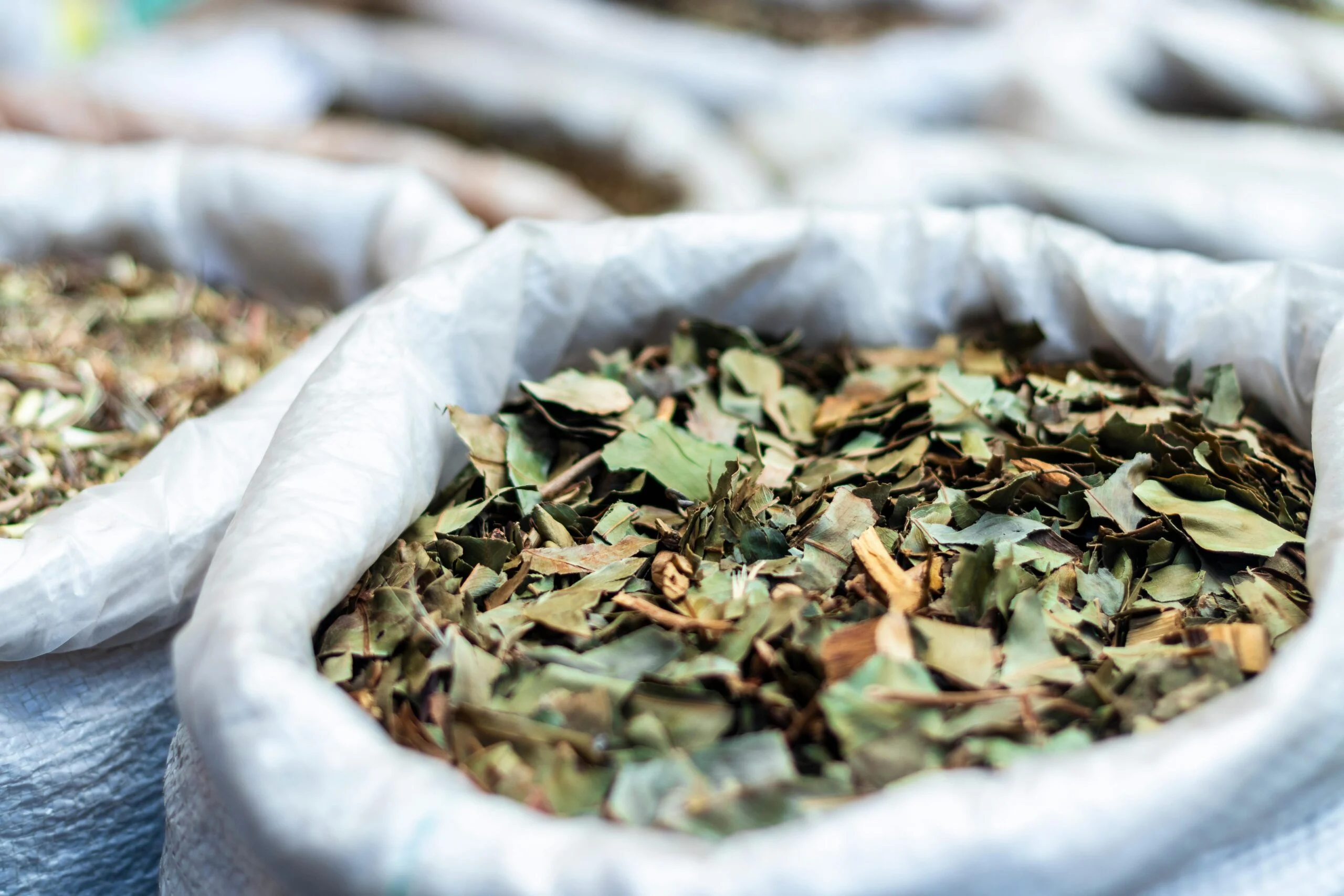
Ayurveda is 3,000 years old and practiced by 600,000 registered practitioners across India. It is also increasingly the subject of randomized controlled trials, pharmaceutical patents, and evidence-based research at institutions like AIIMS, CSIR, and Harvard Medical School. The question is no longer whether Ayurveda has value, it is which parts of this vast system hold up under scientific scrutiny and how they can integrate with modern healthcare without dilution or overreach.
The Scale of Ayurveda in India Today
India’s AYUSH ministry (Ayurveda, Yoga, Unani, Siddha, Homeopathy) oversees an alternative medicine infrastructure larger than most countries’ entire healthcare systems. As of 2025, there are 408 Ayurveda colleges in India producing approximately 25,000 graduates annually. The country has 2,458 Ayurveda hospitals and 15,637 Ayurveda dispensaries serving millions of patients who use it as their primary or complementary healthcare option.
The global Ayurveda market is valued at approximately $9 billion and growing at 15-16 percent annually. Indian exports of Ayurvedic products reached $620 million in 2024, with the US, EU, Japan, and Southeast Asia as major markets. Companies like Dabur, Patanjali, Himalaya, and Baidyanath have built billion-dollar businesses on Ayurvedic formulations.
Where Clinical Evidence Supports Ayurveda
Not all Ayurvedic claims have clinical validation, but several areas have produced strong evidence through modern research methods:
Turmeric (Curcumin)
Turmeric’s active compound curcumin has been the subject of over 3,000 published studies. Research at MD Anderson Cancer Center and the University of Texas has demonstrated anti-inflammatory properties comparable to ibuprofen for osteoarthritis pain. The challenge is bioavailability, curcumin is poorly absorbed by the body. Ayurvedic texts addressed this centuries ago by prescribing turmeric with black pepper (piperine), which modern studies confirm increases curcumin absorption by 2,000 percent.
Ashwagandha (Withania Somnifera)
Ashwagandha is classified as an adaptogen, a substance that helps the body resist physiological stress. A 2012 double-blind, placebo-controlled study published in the Indian Journal of Psychological Medicine showed a 27.9 percent reduction in serum cortisol levels in the ashwagandha group versus placebo. Multiple subsequent studies have confirmed benefits for anxiety, sleep quality, and exercise performance. The European Food Safety Authority (EFSA) and Health Canada now recognize ashwagandha-based supplements with specific health claims.
Triphala
Triphala, a combination of three fruits (amla, bibhitaki, haritaki), is one of the most widely prescribed Ayurvedic formulations. Research published in the Journal of Alternative and Complementary Medicine has demonstrated antioxidant, anti-inflammatory, and antimicrobial properties. Studies at Banaras Hindu University showed Triphala’s effectiveness against certain bacterial strains resistant to conventional antibiotics, opening potential applications in the fight against antimicrobial resistance.
Panchakarma Detoxification
Panchakarma, Ayurveda’s intensive five-step detoxification protocol, has been studied at the University of Rajasthan and several European integrative medicine centers. A 2018 study published in Scientific Reports documented measurable reduction in lipophilic toxicants (pesticides and heavy metals stored in body fat) following a medically supervised Panchakarma program. While the sample sizes remain small, the results challenge the common dismissal of detoxification therapies as pseudoscience.
Institutional Research: Who Is Studying Ayurveda Scientifically
- CSIR-IIIM (Jammu): The Indian Institute of Integrative Medicine conducts drug discovery programs using Ayurvedic plant leads. Their work on boswellic acids from frankincense has led to a patented anti-inflammatory compound now in Phase II clinical trials
- AIIMS New Delhi: The Department of Pharmacology collaborates with the All India Institute of Ayurveda on integrative treatment protocols for diabetes management, studying the combination of metformin with specific Ayurvedic formulations
- Harvard Medical School: The Osher Center for Integrative Medicine has studied Ayurvedic dosha typing (prakriti analysis) as a framework for personalized medicine, finding correlations between traditional body-type classifications and genetic markers
- TKDL (Traditional Knowledge Digital Library): India’s government created this database of 290,000 Ayurvedic formulations specifically to prevent biopiracy, foreign entities patenting traditional knowledge. The TKDL has successfully challenged over 200 patent applications at the European Patent Office and USPTO
- Arya Vaidya Sala, Kottakkal: Kerala’s 122-year-old Ayurvedic institution runs its own research department that has published over 300 peer-reviewed papers. Their clinical documentation standards for Panchakarma outcomes are considered the gold standard in the field
The Credibility Problem
Ayurveda’s integration into evidence-based medicine faces genuine obstacles, many of them internal:
- Heavy metal contamination: A 2008 study in JAMA found that 20.7 percent of Ayurvedic products purchased online from both Indian and US manufacturers contained detectable lead, mercury, or arsenic. Rasa Shastra (metallic preparations) are traditional but dangerous when quality control is absent. This single issue has done more to damage Ayurveda’s international credibility than any other factor
- Overclaiming: During COVID-19, several AYUSH-affiliated bodies promoted unproven Ayurvedic treatments for coronavirus prevention and cure. The WHO and India’s own regulatory bodies had to issue corrections. Claims that outrun evidence undermine the legitimate research being done
- Standardization gaps: The same herb grown in different soils, harvested at different times, and processed by different methods produces different concentrations of active compounds. Without standardized extract protocols, clinical trials cannot be reliably replicated
- Regulatory fragmentation: Ayurvedic products are regulated under the Drugs and Cosmetics Act 1940, with rules last substantially updated in 2018. The regulatory burden for proving safety and efficacy is significantly lower than for allopathic drugs, which creates both opportunity and risk
Integration Models That Work
Several models for Ayurveda-modern medicine integration are producing results without compromising either system’s integrity:
Reverse pharmacology: Instead of discovering new molecules from scratch, researchers start with Ayurvedic formulations that have centuries of empirical use data and work backward to identify active compounds, mechanisms, and optimal dosages. This approach dramatically reduces drug discovery timelines and costs. CSIR’s New Millennium Indian Technology Leadership Initiative (NMITLI) has funded multiple reverse pharmacology projects.
Integrative clinical protocols: AIIMS and several government hospitals now offer integrative clinics where allopathic and Ayurvedic physicians collaborate on chronic disease management. Diabetes management combining metformin with specific Ayurvedic formulations has shown improved HbA1c outcomes in preliminary studies. Cancer supportive care using Ayurvedic nutrition and stress management alongside chemotherapy is being formally studied at Tata Memorial Hospital.
Genomics meets prakriti: The CSIR-IGIB Ayugenomics project has found statistically significant correlations between traditional dosha classifications (vata, pitta, kapha) and specific genetic polymorphisms. This suggests that prakriti analysis, a 3,000-year-old diagnostic framework, may have a genomic basis and could complement modern pharmacogenomics in drug selection.
The Path Forward
Ayurveda’s future in evidence-based medicine depends on resolving a fundamental tension: honoring the holistic, personalized philosophy of the system while subjecting its specific interventions to rigorous scientific validation. Neither wholesale acceptance nor wholesale dismissal serves patients.
The practical priorities for the next decade:
- Mandatory heavy metal testing for all commercial Ayurvedic products, with GMP-certified manufacturing enforced at the same level as pharmaceutical drugs
- Large-scale clinical trials funded at a level proportional to Ayurveda’s actual usage. Currently, AYUSH research receives a fraction of the funding that ICMR allocates to allopathic research, despite serving millions of patients
- Standardized extract protocols that ensure herbal preparations contain consistent concentrations of active compounds across manufacturers and batches
- Honest scope definition, Ayurveda excels at chronic disease management, preventive care, nutrition, and stress management. It is not a substitute for emergency medicine, surgery, or acute infectious disease treatment. Clear scope boundaries protect patients and practitioners alike
- International pharmacopeia recognition, getting validated Ayurvedic formulations listed in the WHO Essential Medicines List would enable global adoption and insurance coverage
Ayurveda is neither magic nor quackery. It is a sophisticated empirical system developed over millennia that contains genuine therapeutic value alongside outdated practices. The responsible path is neither blind faith nor dismissive skepticism, it is rigorous, well-funded research that separates what works from what does not, and integrates validated Ayurvedic interventions into a healthcare system that desperately needs more tools for chronic disease, preventive care, and personalized treatment.
What you can do
- Share the evidenceSend this to one person who should know about this issue.Share on WhatsApp
- Give an afternoonTeach, mentor, clean up, or lend your professional skills.Ways to volunteer
- Tell us what's missingKnow a story, a fact we got wrong, or a solution worth spotlighting?Suggest a story
Politically neutral. Every claim sourced. Report a correction.


No comments yet