India's UNESCO Heritage Sites That Need Our Urgent Attention
India has 42 UNESCO World Heritage Sites — one of the largest collections in the world. But designation alone does not protect a heritage site. Several of India's most significant inscribed properties face urgent challenges from development pressure, climate change, pollution, and underfunding. Here is a clear-eyed look at the sites that need immediate attention.
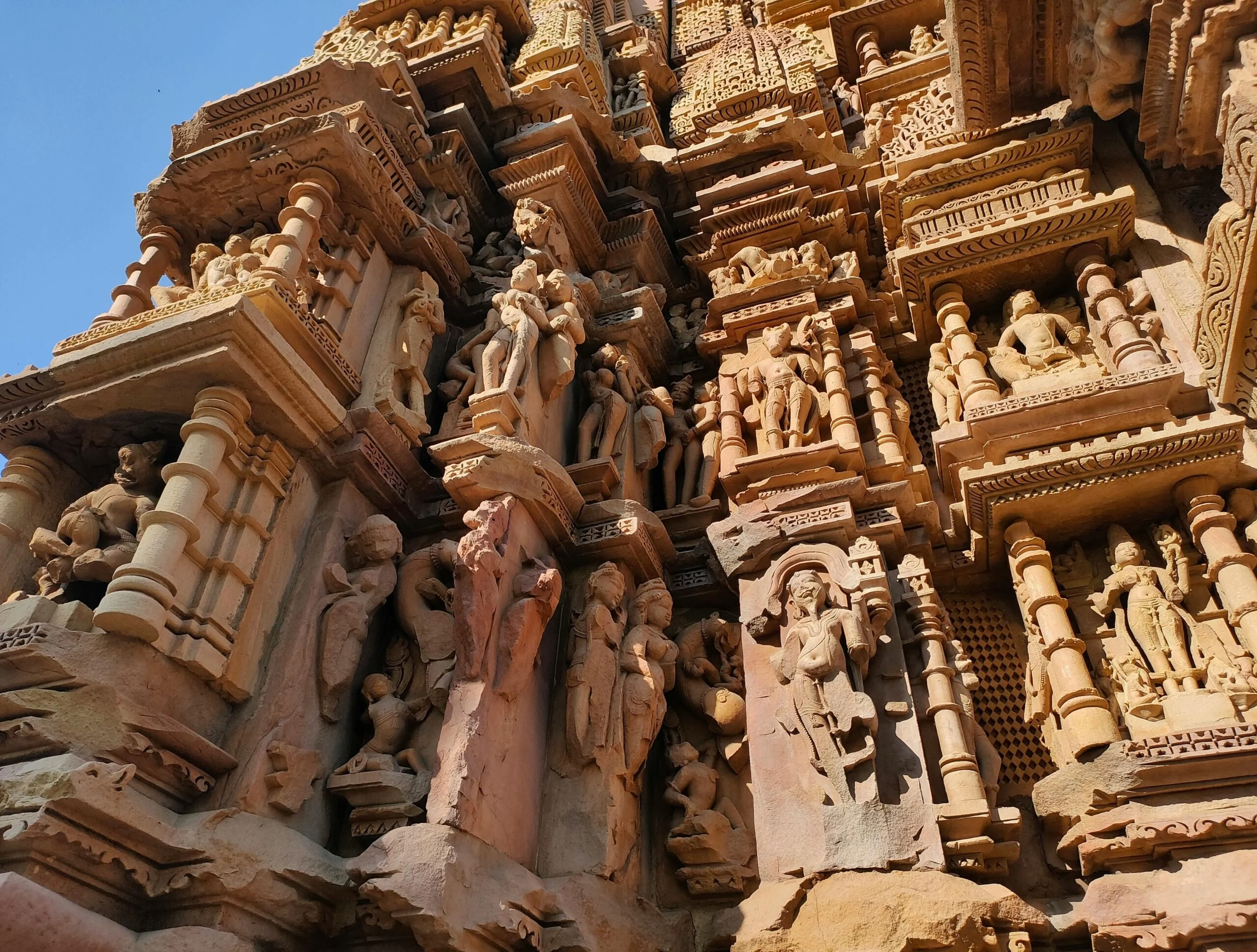
India’s 42 UNESCO World Heritage Sites represent an almost incomprehensible depth of human achievement across four thousand years of continuous civilization. The cave paintings of Ajanta and the granite temples of Mahabalipuram. The Mughal masterpieces of Fatehpur Sikri and the Victorian Gothic of Mumbai’s Chhatrapati Shivaji Terminus. The living city of Ahmedabad and the primeval forests of the Western Ghats. Each site carries within it not just architectural or natural beauty, but the accumulated knowledge, artistry, and vision of the people who created it.
UNESCO World Heritage inscription is one of the highest formal recognitions a cultural or natural site can receive. It signals outstanding universal value, significance that transcends national boundaries and belongs to humanity as a whole. But inscription does not protect a site. The UNESCO World Heritage List includes a separate designation for sites in danger, and several Indian sites have faced that designation or come close to it. Many more face serious threats that have not yet risen to the level of international attention.
Here is a clear-eyed assessment of the Indian World Heritage Sites facing the most urgent challenges.
Historic City of Ahmedabad
Ahmedabad became India’s first city to receive UNESCO World Heritage inscription in 2017, recognized for its remarkable walled city with its distinctive pol house neighborhoods, medieval mosques and temples, and the layered history of a living urban center. The pol houses, interconnected courtyard houses in narrow lanes organized around community life, are unique architectural achievements that evolved over centuries to manage a hot, arid climate with extraordinary ingenuity.
The same inscription that recognized Ahmedabad’s value has not fully translated into protection. Development pressure in and around the historic walled city is intense. The pol neighborhoods are being converted, sometimes legally, sometimes not, from residential to commercial use as land values rise. Original architectural fabric is being demolished and replaced. Infrastructure projects designed for modern traffic volumes cut through areas that were planned for pedestrian use.
The City of Ahmedabad has made significant preservation efforts, the Heritage Cell has documented thousands of structures, and heritage walks and awareness programs have grown substantially. But the economics of urban land markets and the pressures of a rapidly growing city create forces that documentation and awareness alone cannot address.
Churches and Convents of Goa
The Portuguese-built churches and convents in Old Goa, inscribed in 1986, represent the finest examples of Portuguese colonial religious architecture in Asia. The Basilica of Bom Jesus, which contains the relics of St. Francis Xavier, and the Sé Cathedral, the largest church in Asia, are among the most significant structures in the complex.
The challenge at Old Goa is characteristic of many living heritage sites: the structures exist within a landscape under constant development pressure. The buffer zone surrounding the World Heritage property has seen significant construction. Roads, hotels, and commercial establishments have changed the visual setting of the historic core in ways that are difficult to reverse. The ASI (Archaeological Survey of India) oversees conservation of the structures themselves, but landscape-level protection requires coordination across multiple agencies and levels of government that has been inconsistent.
Sundarbans National Park
The Sundarbans, the largest mangrove forest in the world, shared between India and Bangladesh, was inscribed as a UNESCO World Heritage Site in 1987. It is the habitat of the Royal Bengal Tiger, saltwater crocodiles, Irrawaddy dolphins, and an extraordinary diversity of bird species. The mangrove ecosystem it contains is among the most productive and ecologically important in the world.
The Sundarbans face an existential threat from sea level rise. Studies have consistently shown that several islands within the Indian Sundarbans have already disappeared below the water, and the rate of land loss is accelerating. The same low-lying terrain that makes the mangroves ecologically significant makes them extraordinarily vulnerable to even modest sea level increases combined with storm surges. Cyclone Amphan (2020) caused massive damage to the Sundarbans ecosystem and the human communities living at its edge.
Conservation efforts in the Sundarbans face a fundamental paradox: the human communities living on the buffer zone between the World Heritage Site and the surrounding landscape depend on the same natural resources the site is meant to protect. Sustainable management solutions that work for both conservation and community livelihood are urgently needed and not yet adequately developed.
Western Ghats
The Western Ghats, inscribed in 2012 as a serial heritage site covering the most biologically significant mountain areas along India’s west coast, is one of the world’s eight hottest biodiversity hotspots. The region harbors more than 5,000 plant species, 139 mammal species, 508 bird species, and over 175 amphibian species, many found nowhere else on Earth.
The inscribed property is fragmented, a serial site covering multiple protected areas separated by unprotected land. Climate change is altering rainfall patterns in ways that affect the unique ecosystems of the Western Ghats. Land use change in the unprotected areas between inscribed sites creates barriers to wildlife movement and reduces the ecological connectivity that the system needs to function. Forest fires, often human-caused, have been increasing in frequency and severity.
The political dimension of Western Ghats conservation has been complicated. A 2012 report (the Gadgil Report) recommending strict ecological protection across the entire Western Ghats was followed by a diluted implementation plan, generating ongoing controversy about how effectively the region is being protected.
Manas Wildlife Sanctuary
Manas, inscribed in 1985, was placed on the List of World Heritage in Danger in 1992 following ethnic conflicts that led to severe poaching and encroachment on the sanctuary. It was removed from the Danger List in 2011 after significant conservation progress, but the sanctuary continues to face challenges. Flooding from the Brahmaputra river system causes regular damage. Human-wildlife conflict remains a concern in border areas. The recovery of wildlife populations, while real and measurable, is ongoing and requires sustained support.
Buddhist Monuments at Sanchi
Sanchi, inscribed in 1989, contains some of the oldest surviving Buddhist stone structures in India. The Great Stupa, commissioned by the Emperor Ashoka in the third century BCE and elaborated over subsequent centuries, is an architectural masterpiece and a site of immense historical and religious significance for Buddhists worldwide.
Sanchi receives far fewer visitors than its architectural and historical significance would suggest, international tourist arrivals are modest compared to Taj Mahal or Ajanta levels. This has consequences for the site’s visibility, its economic support from tourism revenue, and the scale of conservation investment it receives. The structures themselves are in reasonable condition, but the surrounding area’s development has not always been sensitive to the site’s setting. Greater investment in conservation research, interpretation, and sustainable visitor management would benefit this under-recognized national treasure.
Great Himalayan National Park
The Great Himalayan National Park in Himachal Pradesh, inscribed in 2014, protects a remarkable tract of western Himalayan biodiversity including snow leopards, Himalayan brown bears, and the Himalayan tahr. It is one of India’s newest World Heritage Sites and among its least-known internationally.
The park faces challenges typical of mountain protected areas: climate change is altering vegetation zones and affecting wildlife movements, human pressures from communities using the forest for grazing and resource collection continue, and the park’s remote location and limited infrastructure mean visitor numbers are low and the economic benefits to surrounding communities from conservation remain modest. Buffer zone management, creating livelihood opportunities that align community interest with conservation goals, is the critical challenge.
Taj Mahal
The Taj Mahal needs no introduction, but the threats it faces deserve more widespread public understanding. The marble of the Taj Mahal is under sustained assault from pollution. Sulfur dioxide and nitrogen oxides from vehicles, industries, and agricultural burning in the region react with marble to form calcium sulfate (gypsum), which forms a yellowish crust on the surface. Particulate matter from the same sources deposits as a dark film.
The Supreme Court of India has repeatedly addressed Taj Mahal conservation, creating the Taj Trapezium Zone, a 10,400 square kilometer area around Agra within which industrial emissions are restricted. The court ordered the closure of several industrial operations in the zone and mandated the use of cleaner fuels. These measures have had some effect, but vehicle emissions from Agra’s rapidly growing traffic and regional agricultural burning continue to threaten the monument.
The physical conservation of the Taj Mahal, treating the marble surfaces, monitoring structural condition, managing drainage, is handled by the ASI with significant resources. But the environmental management that determines the rate of damage to the monument is a much broader challenge requiring regional coordination that has proven difficult to sustain consistently.
Ajanta Caves
The Ajanta cave paintings, masterpieces of Buddhist art created between the 2nd century BCE and 5th century CE, are among the most significant works of art surviving from the ancient world. The delicacy of the pigments and the conditions required for their preservation make the caves particularly vulnerable.
Managing visitor numbers is the central conservation challenge at Ajanta. The combination of carbon dioxide from human breath, moisture, vibration, and light exposure all damage ancient paintings. UNESCO and ASI guidelines recommend strict visitor limits, but implementation has been inconsistent. The economic pressure of tourist revenue and the desire to make India’s heritage accessible to its own citizens creates legitimate tension with conservation requirements.
Protecting India’s World Heritage Sites requires action on multiple fronts simultaneously. No single intervention will solve the complex challenges these sites face, but a coordinated approach addressing funding, planning, community engagement, and public awareness can make a meaningful difference.
Adequate and Sustained Funding
India’s overall heritage protection budget, while growing, remains modest relative to the scale and significance of the properties it needs to manage. The ASI’s resources are stretched across hundreds of centrally protected monuments and dozens of World Heritage Sites. State-level heritage agencies vary widely in capacity and resources. A sustained increase in heritage funding, with dedicated allocations for World Heritage Sites, is a fundamental requirement.
Integrated Land Use Planning
Heritage sites do not exist in isolation. Their condition depends on what happens in the surrounding landscape, in buffer zones, in the urban fabric around urban heritage sites, in the ecological matrix surrounding natural heritage. Integrating heritage protection into land use planning decisions requires coordination across agencies that often work in silos.
Community Engagement
Heritage sites embedded in living communities, like Ahmedabad’s pol neighborhoods or the communities surrounding the Sundarbans, can only be protected with the support and involvement of those communities. Heritage protection that excludes or harms local communities generates resistance and is ultimately unsustainable. Approaches that share conservation benefits with local people, through tourism revenue, employment, recognition of traditional management practices, create the stakeholder alignment that protection requires.
Public Awareness and Pride
India’s national awareness of its World Heritage Sites is remarkably low. Most Indian citizens cannot name more than a handful of the 42 inscribed sites. This is partly an education and communication gap, and partly a reflection of how heritage has been positioned, as formal, official, and somewhat distant from everyday life. Rebuilding a culture of heritage pride requires bringing these stories into schools, media, and public life in engaging ways that make the connection between past and present feel alive and relevant.
Sites on the Tentative List: Future Heritage at Risk
India has over 50 sites on the UNESCO Tentative List, the prerequisite step before formal inscription. Several of these tentative sites face the same threats as inscribed properties, but without the international scrutiny that World Heritage status brings. The Neolithic settlements of Burzahom in Kashmir, the medieval temples of Bishnupur in West Bengal, the colonial architecture of Kolkata, and the ancient Buddhist university of Nalanda (portions not yet inscribed) all face development pressure, neglect, or environmental threats that could diminish their outstanding universal value before they ever receive formal recognition.
The process of preparing a site for inscription can itself be a powerful conservation tool. The research, documentation, management planning, and stakeholder engagement required for a successful nomination often produce lasting improvements in how a site is managed. India should accelerate its preparation of priority tentative list sites for inscription, not just for the prestige of adding to its World Heritage count, but because the preparation process itself drives better conservation practice.
The Role of Technology in Heritage Conservation
Modern technology offers powerful tools for monitoring and protecting heritage sites that were not available even a decade ago. Satellite imagery and remote sensing can track encroachment, land use change, and environmental degradation across large areas at regular intervals. 3D scanning and photogrammetry can create precise digital records of structures and artworks, providing both a baseline for monitoring change and a permanent record in case of loss. Drone surveys can inspect structures that are difficult or dangerous to access by traditional means.
India has begun adopting these technologies, but deployment remains uneven. The ASI has initiated digital documentation programs for priority monuments, and institutions like the Indian Institute of Technology Kharagpur have developed expertise in heritage conservation technology. Expanding the use of these tools across all 42 World Heritage Sites, and training local conservation teams to use them effectively, would significantly improve India’s capacity to detect and respond to threats before they cause irreversible damage.
Geographic Information Systems and environmental monitoring networks can also help manage the buffer zones and surrounding landscapes that are critical to heritage site integrity. Real-time air quality monitoring around the Taj Mahal, water quality monitoring in the Sundarbans, and land use change detection around Ahmedabad’s walled city are all technically feasible and would provide the data needed for evidence-based conservation decision-making.
India’s World Heritage Sites at a Glance: Status Summary
Understanding the current state of India’s most threatened World Heritage Sites requires looking at specific challenges each one faces. Here is a summary of the key threats and conservation priorities for the sites discussed in this article:
- Ahmedabad Walled City, Primary threat: uncontrolled commercial conversion of historic pol houses. Priority: enforceable zoning regulations that balance development with heritage preservation in the buffer zone.
- Churches of Goa, Primary threat: construction encroachment in the visual setting around Old Goa. Priority: stricter buffer zone enforcement and coordinated planning between ASI and state government.
- Sundarbans, Primary threat: sea level rise and cyclone damage accelerating land loss. Priority: climate adaptation strategies that protect both the mangrove ecosystem and the human communities at its edge.
- Western Ghats, Primary threat: habitat fragmentation between protected areas and human-caused forest fires. Priority: ecological corridor protection and implementation of the Gadgil Report recommendations.
- Manas Wildlife Sanctuary, Primary threat: flooding and human-wildlife conflict at sanctuary borders. Priority: sustained anti-poaching support and community livelihood programs.
- Sanchi, Primary threat: low visitor awareness and insufficient conservation investment relative to the site’s global significance. Priority: improved interpretation facilities and international promotion.
- Great Himalayan National Park, Primary threat: climate-driven vegetation zone shifts and grazing pressure from surrounding communities. Priority: alternative livelihood programs that reduce dependence on park resources.
- Taj Mahal, Primary threat: atmospheric pollution causing marble degradation. Priority: regional air quality management and enforcement of Taj Trapezium Zone regulations.
- Ajanta Caves, Primary threat: visitor impact on fragile ancient paintings. Priority: strict visitor management protocols and environmental monitoring inside the caves.
International Comparisons: What India Can Learn
Countries with large numbers of World Heritage Sites have developed conservation approaches that India could adapt to its own context. Italy, with 59 World Heritage Sites (the most of any country), has established a dedicated national commission for UNESCO that coordinates conservation across sites and advocates for funding at the national and European Union levels. China has invested heavily in digital documentation and visitor management technology at sites like the Mogao Caves in Dunhuang, where strict visitor quotas and climate-controlled cave access have dramatically reduced degradation of ancient paintings, a model directly relevant to Ajanta.
Japan’s approach to living heritage sites is particularly instructive for India. Japanese heritage conservation integrates traditional building techniques into modern conservation practice, maintaining the skills and materials needed to repair historic structures authentically. India’s own traditional building crafts, lime mortar work, stone carving, wood joinery, and fresco painting, are at risk of being lost as practitioners age without successors. A national program to document, teach, and sustain these traditional skills would serve both heritage conservation and cultural preservation simultaneously.
Perhaps the most important lesson from successful international examples is the value of consistent, long-term commitment. Heritage conservation is not a project with a start and end date. It is an ongoing responsibility that requires sustained institutional attention, reliable funding, and political commitment that transcends election cycles. The countries that protect their heritage most effectively are those that have made conservation a permanent priority rather than an occasional initiative.
An Inheritance Worth Protecting
India’s World Heritage Sites are not a government problem. They are everyone’s inheritance. The cave paintings of Ajanta belong to every Indian child who might one day see them. The forests of the Western Ghats provide the ecological services that millions of people depend on, whether or not they have ever visited. The architecture of Old Goa and the monuments of Sanchi represent achievements that no amount of money can recreate once they are lost.
Protecting them is not just a cultural obligation. It is a practical investment in the educational, tourism, and ecological value they provide. And it is a statement about what kind of country India chooses to be, one that acknowledges its debts to the past while building its future.
The urgency is real. But so is the capacity to act. India has the expertise, the institutional framework, and increasingly the financial resources to protect its heritage effectively. What it needs is the sustained political will and public demand to make heritage conservation a national priority rather than an afterthought. Every citizen who visits a heritage site responsibly, who supports conservation organizations, who demands accountability from heritage management agencies, and who teaches the next generation to value India’s cultural and natural inheritance is contributing to the protection of these irreplaceable treasures.
For more on related topics, explore India’s multilingual heritage strengthening national identity and how it connects to community water conservation efforts, see our coverage of this important aspect of India’s development story.
What you can do
- Share the evidenceSend this to one person who should know about this issue.Share on WhatsApp
- Give an afternoonTeach, mentor, clean up, or lend your professional skills.Ways to volunteer
- Tell us what's missingKnow a story, a fact we got wrong, or a solution worth spotlighting?Suggest a story
Politically neutral. Every claim sourced. Report a correction.

No comments yet