Incredible India in 2026: Tourism Trends Putting India on the Global Map
Explore the top India tourism trends of 2026 - sustainable travel, UNESCO heritage sites, Northeast tourism boom, medical tourism, and adventure in the Himalayas.
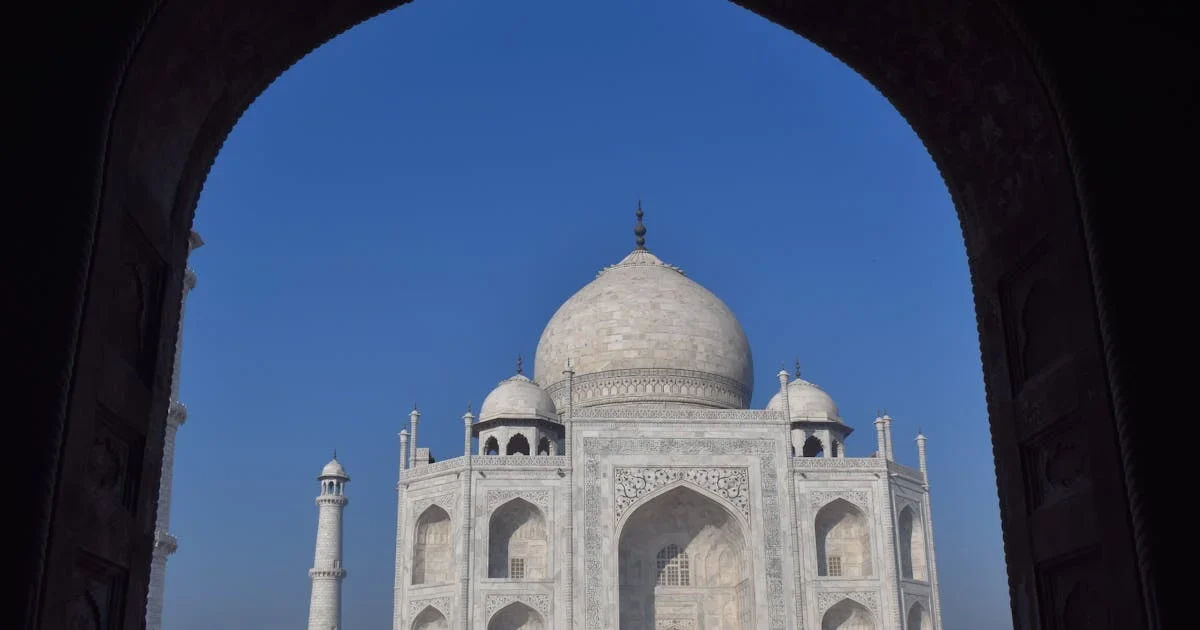
India in 2026 is not just a destination on a map. It is a story being rewritten in real time - by travelers seeking depth over selfies, by governments investing in heritage over highways, and by a global audience that is finally paying attention. From the icy monasteries of Ladakh to the living root bridges of Meghalaya, from the ghats of Varanasi glowing at dawn to the recovery wards of Chennai attracting patients from 50 countries, India’s tourism landscape has never been more alive. This article walks through the biggest trends putting India on the global map in 2026.
The word “sustainable” has moved from travel brochures into actual policy. India’s Ministry of Tourism launched the Responsible Tourism Mission across 22 states, building on the success of Kerala’s pioneering model that began in the early 2000s. In 2026, that mission has teeth. Homestays certified under the Green Hospitality Initiative in Sikkim, Uttarakhand, and Himachal Pradesh now receive priority listing on government tourism portals. Eco-lodges in the Andaman Islands operate under strict carry-capacity limits, and Spiti Valley has introduced timed entry permits for high-altitude treks.
For the traveler, this means more authentic experiences. Community-run tourism circuits in tribal regions of Chhattisgarh and Odisha put money directly into village economies. Local guides, local food, local craft - the supply chain is as short as it can get. The demand side has shifted too. Post-pandemic travelers, particularly millennials and Gen Z from Europe, Australia, and North America, arrive with checklists that include carbon offset programs, plastic-free accommodations, and locally sourced meals.
“India’s best tourism asset is its people. Sustainable tourism is simply the act of letting that asset speak for itself.”
Wildlife tourism has also adopted stricter codes. Tiger reserves under Project Tiger now operate with a zone-by-zone cap system. Ranthambore, Bandhavgarh, and Kanha have introduced digital lottery systems for core zone safaris, drastically reducing overcrowding. The Nilgiri Biosphere Reserve in Tamil Nadu and Kerala has emerged as a dark-sky tourism destination, drawing astronomy enthusiasts alongside wildlife watchers.
India has 42 UNESCO World Heritage Sites as of 2026 - the sixth largest count in the world. Each site tells a story that spans centuries. Hampi, the ruined capital of the Vijayanagara Empire, draws visitors not just with its boulder-strewn landscape but with storytelling tours that reconstruct the sounds, colors, and commerce of a 14th-century city. Rani-ki-Vav in Patan, Gujarat - a stepwell that descends seven stories underground - has seen visitor numbers triple since its 3D-mapped exhibition opened at the entry gate.
The Archaeological Survey of India partnered with Google Arts and Culture to create immersive digital twins of sites including Konark Sun Temple, the Group of Monuments at Mahabalipuram, and Fatehpur Sikri. Visitors can now walk through a fully reconstructed Fatehpur Sikri in augmented reality before they set foot on the actual sandstone. This layer of digital storytelling has pulled in younger visitors who might otherwise have skipped “just old ruins.”
- Ajanta and Ellora Caves (Maharashtra): Night illumination tours introduced in 2025, now one of India’s top 10 experiences on global travel platforms.
- Khajuraho (Madhya Pradesh): Dance festival attendance crossed 40,000 visitors in February 2026, up from 28,000 in 2024.
- Elephanta Caves (Maharashtra): Ferry capacity doubled, new museum wing opened in January 2026.
- Champaner-Pavagadh (Gujarat): Heritage walk trails connected to nearby Navratri circuit, extending average stay from half-day to two days.
- Sundarbans (West Bengal): Mangrove canoe trails now bookable on India’s national tourism portal with ranger-guided packages.
Conservation tourism around heritage sites has also grown. Volunteers from around the world join programs run by the Aga Khan Trust for Culture at Humayun’s Tomb in Delhi and the World Monuments Fund at sites across Rajasthan. These travelers are not passive observers - they help document, clean, and advocate for preservation. That sense of ownership builds a different kind of loyalty to India as a destination. India’s multilingual cultural heritage is itself a draw that keeps heritage tourism deeply rooted in living tradition rather than museum-piece preservation.
The package-tour model - fort in the morning, bazaar in the afternoon, hotel by evening - is losing ground. What is replacing it is experiential travel: slower, deeper, and shaped around a skill, a craft, a philosophy, or a season.
Cooking schools in Rajasthan have waiting lists. Pottery villages in Manipur are hosting week-long residencies. Weaving traditions in Varanasi and Kanchipuram offer apprenticeship programs where travelers sit at the loom alongside master weavers. These experiences are not staged for tourists - they are the actual economic activity of the community, opened up for participation.
Experience Type | Top Destinations | Duration |
|---|---|---|
Textile arts and weaving | Varanasi, Kanchipuram, Patan | 2-7 days |
Culinary immersion | Jaipur, Pondicherry, Kolkata | 3-5 days |
Yoga and Ayurveda | Rishikesh, Kerala backwaters, Mysuru | 7-21 days |
Farm stays and rural life | Punjab, Coorg, Arunachal Pradesh | 3-10 days |
Wildlife photography | Ranthambore, Kaziranga, Kanha | 4-7 days |
Architecture and craft tours | Chettinad, Shekhawati, Old Delhi | 2-5 days |
Luxury experiential travel has found fertile ground in India too. The Palace on Wheels train, reimagined in 2025 with new carriages and a curated art program, sells out months in advance for its Rajasthan circuit. The Deccan Odyssey, running through Maharashtra’s heritage trail, has added a farmers’ market carriage where local agricultural communities board the train at stops to sell and demonstrate their produce. It is theatrical, it is authentic, and it is selling out.
India does not need to manufacture experiences. It needs to open the door to the ones already happening.
For decades, India’s northeastern states - Arunachal Pradesh, Nagaland, Manipur, Mizoram, Tripura, Meghalaya, Assam, and Sikkim - were bracketed as remote, difficult, and logistically unreliable. That story is changing fast. Domestic air connectivity has expanded significantly, with new routes connecting Dimapur, Agartala, Imphal, and Tezpur to major hubs. The government’s UDAN scheme has made flights affordable, and the results are visible in hotel occupancy rates that were unthinkable three years ago. Beyond tourism, the region is a broader story of emergence - as we explored in our piece on how Northeast India’s frontier states are rising as innovation and tourism hubs.
Meghalaya leads the Northeast’s tourism surge with numbers that have surprised even its own tourism department. The living root bridges of Cherrapunji and Mawlynnong - named Asia’s Cleanest Village - are now on bucket lists alongside Bali and Kyoto. Mawsmai Cave, Nohkalikai Falls, and the cloud forests of the Khasi Hills draw nature photographers, trekkers, and quiet travelers who want to escape the crowd circuits of Rajasthan and Goa. Kaziranga National Park in Assam, home to two-thirds of the world’s one-horned rhinoceroses, has seen a 60% rise in international visitors since 2022.
Nagaland and the Hornbill Festival
Every December, Nagaland hosts the Hornbill Festival - a ten-day celebration of the state’s 16 tribes that has grown into one of India’s most extraordinary cultural events. Traditional attire, war dances, folk music, indigenous foods, and night bazaars fill the Kisama Heritage Village near Kohima. International delegates, photographers, and cultural researchers now mark their calendars a year in advance. The Nagaland government added a music festival arm in 2024 that runs parallel to the main event, pulling in a younger demographic.
Arunachal Pradesh: Where India Meets the Himalayas
Arunachal Pradesh is still permit-protected - all visitors need an Inner Line Permit - but the state has streamlined the process to a one-hour online application. Tawang, with its 17th-century monastery overlooking the Tawang Chu River, is rapidly becoming India’s answer to Tibet’s Lhasa. The Sela Pass at 13,700 feet, now accessible year-round due to the Sela Tunnel opened in 2024, has opened the entire Tawang circuit to weather-independent travel. Ziro Valley’s folk music festival draws 10,000 visitors annually to a landscape of pine hills and Apatani tribal villages.
India treated over 700,000 international medical tourists in 2025, according to data from the Ministry of Health and Family Welfare. The number is on track to cross 900,000 in 2026. The reasons are straightforward: world-class hospitals, internationally trained surgeons, NABH and JCI accreditations, and costs that are 60-80% lower than the United States, the United Kingdom, or Australia for equivalent procedures.
Cardiac surgery, orthopedic joint replacements, cancer treatment, liver transplants, and eye surgery account for the highest-volume procedures. Apollo Hospitals, Fortis, Medanta, and the Tata Memorial Centre are names that patients from East Africa, the Middle East, Bangladesh, and Central Asia research before they board their flights. Cities like Chennai, Hyderabad, Mumbai, Delhi, and Bengaluru have developed entire ecosystems around medical tourism - travel facilitators, recovery hostels, interpreter services, and ayurvedic recuperation programs that blend clinical recovery with wellness.
- Cardiac care: Open-heart surgery in India costs approximately Rs 2-5 lakh. The equivalent in the US can exceed $100,000.
- Bone marrow transplant: India’s survival rates match global averages at 40-60% of Western costs.
- IVF treatments: India is the largest IVF market in Asia with over 2,000 fertility clinics. International patients from 60+ countries seek treatment here.
- Dental care: Implant procedures, smile redesigns, and complex oral surgeries at 20% of Western costs.
- Ayurvedic treatment programs: Kerala leads with panchakarma retreats that run 14-28 days and attract patients with chronic conditions from Europe and North America.
The government’s Heal in India initiative, expanded in 2025, provides dedicated medical visa categories, airport facilitation desks at major international terminals, and tie-ups with accredited hospitals for a seamless entry experience. The Ayush Ministry has added its own Medical Value Travel program specifically for traditional medicine - making India the only country to offer both allopathic and traditional medical tourism under a single government umbrella.
India rolled out its Digital Nomad Visa in late 2025, joining a growing list of countries that formally welcome location-independent workers. The one-year visa, renewable once, allows foreign nationals to live in India while working remotely for overseas employers. The initial uptake has been significant: Goa, Pondicherry, Dharamshala, and Bengaluru have emerged as the top cities for nomad settlement.
Co-working spaces have expanded rapidly. In Goa alone, over 80 registered co-working spaces now operate, ranging from beachside shacks with fiber internet to climate-controlled towers in North Goa’s Panaji. Pondicherry offers a quieter French Quarter lifestyle with Portuguese-style architecture, French bakeries, and yoga studios within walking distance of full-stack development offices. For nomads from Southeast Asia and Europe, the cost differential is significant - rent, food, transport, and lifestyle at 25-40% of equivalent Western city costs.
The cultural dividend of this nomad influx is mutual. International workers participate in local festivals, establish microbusinesses, and extend their stays well beyond initial plans. Several co-living communities in Goa and Pondicherry have built hybrid models where 30-40% of residents are Indian entrepreneurs and professionals, creating genuine cross-cultural working communities rather than expat bubbles.
No conversation about Indian tourism in 2026 is complete without Ayodhya. The inauguration of the Ram Mandir in January 2024 triggered a tourism wave that the city’s infrastructure has been racing to keep up with. The Ayodhya Development Authority has invested over Rs 30,000 crore in widening roads, building riverfront ghats, establishing a new international airport, and developing pilgrim circuits that connect the Ram Mandir with the Hanuman Garhi temple, the Kanak Bhavan, and the Saryu riverfront. Visitor numbers in 2025 crossed 150 million - making Ayodhya one of the most visited sites in the world.
Varanasi, India’s oldest continually inhabited city, has entered a new phase of its eternal existence. The Kashi Vishwanath Corridor, developed around the ancient Shiva temple, has transformed the temple precincts and connected them with a 50-meter-wide walkway to the Ganges ghats. The visual impact at sunset - the golden spires of the corridor against the burning ghats and the evening aarti - has become one of the most photographed scenes in contemporary India.
Both cities are drawing not just Hindu pilgrims but international researchers, historians, documentary makers, and curious secular travelers. Walking tours of Old Varanasi’s silk weaving quarters, boat rides to see the pre-dawn ritual bathers, and music performances at the Sankat Mochan temple have built a tourism layer that coexists with the religious core. The Varanasi Literary Festival and the Ganga Mahotsav festival have added cultural programming that extends visitor stays.
India’s adventure tourism sector registered its highest-ever revenue in 2025-26 at over Rs 8,000 crore. The demand is driven by a domestic middle class with disposable income and a hunger for outdoor experiences, combined with international adventure travelers who have begun to see India as a credible rival to Nepal, Bhutan, and New Zealand.
Ladakh: The Roof of the World Goes Mainstream
Ladakh’s union territory status in 2019 unlocked significant infrastructure investment. The Zojila Tunnel, once completed, will connect Srinagar to Leh year-round. In the interim, the Ladakh administration has developed winter tourism aggressively - the Chadar Trek on the frozen Zanskar River is now led by certified guides with safety protocols and emergency response teams. Ice festivals at Leh Palace in January draw 20,000 visitors to a place that once closed for winter. Mountain biking circuits from Leh to Khardung La and the Nubra Valley have become signature Ladakh experiences.
Himachal Pradesh and Uttarakhand: Trails for Every Fitness Level
The Great Himalayan National Park in Himachal Pradesh - a UNESCO World Heritage Site - now offers guided alpine treks graded from beginner to expert. Manali and Kasol remain popular base camps, while newer circuits like the Hampta Pass trek, the Beas Kund trek, and the Friendship Peak climb have built dedicated followings. In Uttarakhand, the Roopkund trek (the mystery lake of skeletons), the Valley of Flowers circuit, and the Kedarkantha summit have waiting lists in the April-June and September-October windows.
Meghalaya: The Caves, Cliffs, and Canopy
Meghalaya has built a reputation as India’s caving capital. The Krem Liat Prah cave system is the longest sandstone cave in the world, and Meghalaya Cave Department runs certified spelunking programs for beginners and experts. Cliff camping on the Laitlum Canyons, kayaking on the Umngot River at Dawki (regarded as one of Asia’s clearest rivers), and zip-lining through the Khasi Hills forest canopy complete a lineup that adventure operators call among the most diverse in Asia.
Indicator | 2023 | 2025 | 2026 Target |
|---|---|---|---|
Foreign Tourist Arrivals | 9.2 million | 11.8 million | 14 million |
Domestic Tourist Visits | 2.3 billion | 2.8 billion | 3.2 billion |
Medical Tourist Arrivals | 530,000 | 700,000+ | 900,000+ |
Tourism Contribution to GDP | 4.7% | 5.8% | 6.5% (target) |
UNESCO Heritage Sites | 40 | 42 | 42+ |
Adventure Tourism Revenue | Rs 5,000 cr | Rs 8,000 cr | Rs 10,000 cr |
Source: Ministry of Tourism, India; WTTC India Report 2025; NABH Annual Report 2025.
Honest reporting demands that the challenges be named. Infrastructure at tourist hotspots still lags demand at peak season. Shimla’s roads creak under summer traffic. Puri’s beaches face plastic pollution that undercuts the government’s Swachh Bharat messaging. Overtourism at Taj Mahal - which receives 7-8 million visitors annually - has accelerated monument weathering despite visitor caps.
Safety perceptions, particularly around solo women travelers, remain a concern in certain states and contexts, though civil society organizations and state governments have invested meaningfully in response infrastructure - dedicated helplines, women-only compartments on trains, and police sensitization programs. The gap between perception and reality is narrowing, but it has not closed.
Digital connectivity in remote Northeast India and high-altitude destinations still has dead zones that frustrate travelers accustomed to seamless connectivity. The government’s BharatNet rural broadband push is addressing this but the last-mile rollout to villages has been slower than planned.
These are not reasons to avoid India - they are reasons to plan intelligently, travel outside peak season where possible, and support locally-run operations that have incentive structures aligned with guest experience rather than throughput.
Every country sells natural beauty. Every country claims cultural depth. What India offers that is genuinely difficult to replicate is scale and simultaneity. You can trek to a glacier in the morning in Ladakh and be at a 1,000-year-old temple that evening in Leh. You can spend two weeks in Rajasthan and not visit the same type of experience twice - fort, village, lake, desert, market, festival, textile studio, haveli, wildlife sanctuary. The range within a single state rivals the range of entire countries elsewhere.
Add to that a hospitality culture that is genuinely warm rather than formally trained, a cuisine that varies so dramatically by region that a food tourist could spend a year exploring and never repeat a dish, and a religious and philosophical heritage that actively invites inquiry rather than sealing itself away from non-believers - and you have a destination that does not age quickly.
India in 2026 is not a finished product. It is a living country in motion, with all the rough edges and unexpected gifts that implies. That is precisely what is drawing the world to its shores, mountains, rivers, and streets in numbers that are, finally, beginning to match the reality of what this country has to offer.
Whether you are planning a spiritual pilgrimage, an adventure trek, a medical procedure, a culinary deep-dive, or a month of remote work from a Goa beach town, India in 2026 has a route for you. Start with the Ministry of Tourism’s official Incredible India portal for visa information, certified guides, and accredited accommodation. For medical tourism, the Heal in India portal connects international patients directly with NABH-accredited hospitals.
India rewards the traveler who slows down. The country’s best experiences are not at the front of the brochure - they are in the alley behind the temple, the conversation with the weaver, the chai with a stranger on a train. Come prepared to be surprised. You will be.
Share Your Incredible India Experience
Have you visited India recently? Which destination surprised you the most? Share your story in the comments below and help fellow travelers discover the incredible diversity this country holds. And if you are planning a trip, drop your questions - our community has travelers who have been to virtually every corner of India.
What you can do
- Share the evidenceSend this to one person who should know about governance.Share on WhatsApp
- Back what worksVolunteer time or skills with groups doing this work.Ways to volunteer
- Tell us what's missingKnow a story, a fact we got wrong, or a solution worth spotlighting?Suggest a story
Politically neutral. Every claim sourced. Report a correction.
No comments yet