Child Labour in India: Laws, Reality, and What Works
India is home to over 10 million child labourers according to Census 2011, though the actual number is likely far higher. This article examines the laws, root causes, hidden forms, COVID-era setbacks, and the interventions that are actually making a difference in ending child labour.
The Scale of the Crisis: Millions of Childhoods Stolen
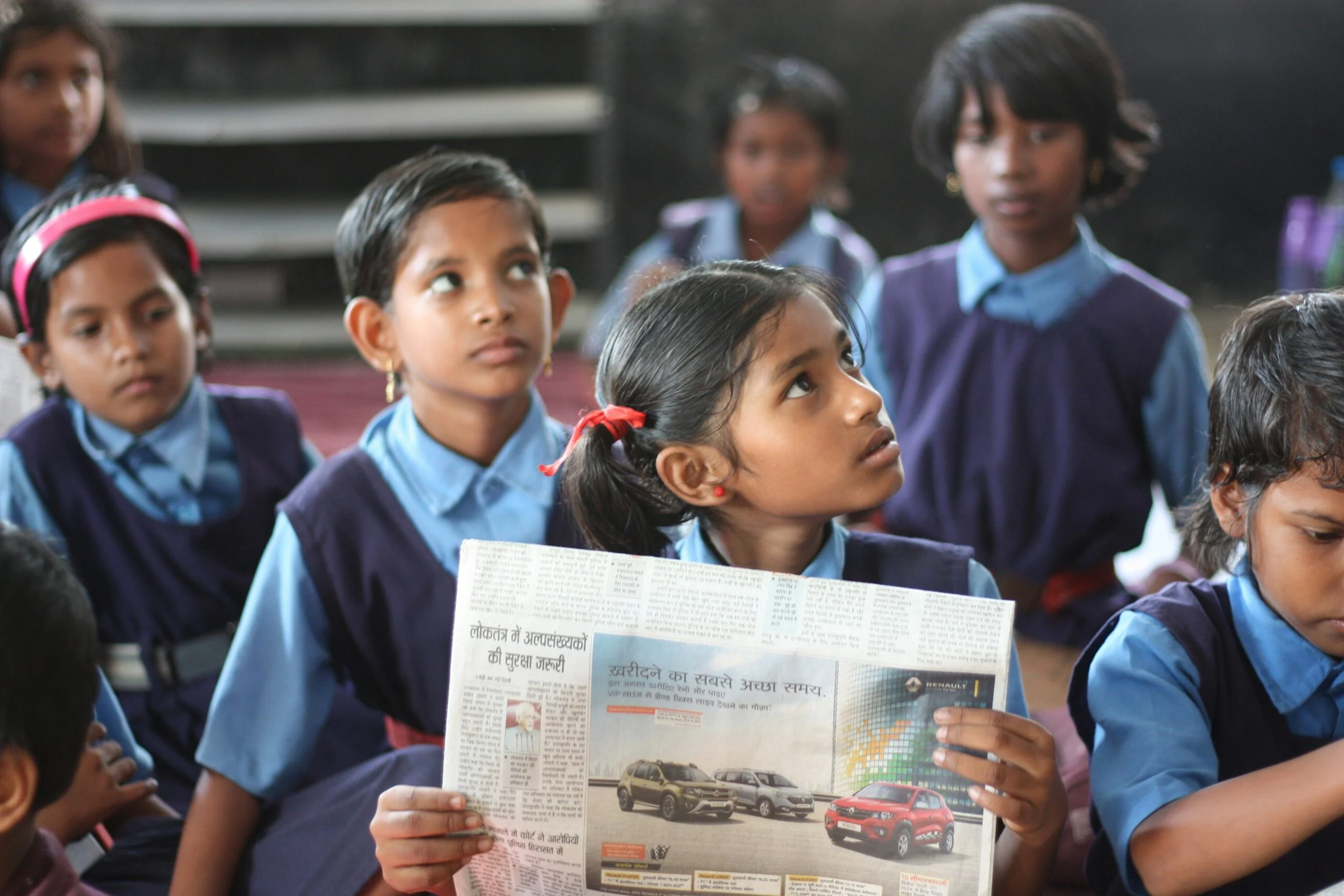
India’s Census 2011 recorded approximately 10.1 million children aged 5 to 14 engaged in work, accounting for nearly 3.9 percent of the total child population in that age group. But these numbers, staggering as they are, represent only the visible tip of a far deeper crisis.
The International Labour Organization (ILO) and UNICEF have repeatedly cautioned that official figures undercount the reality because they often exclude children in domestic work, unpaid family labour, seasonal agricultural employment, and informal sector activities that evade enumeration.
Independent researchers and child rights organisations estimate the true number could be anywhere between 30 and 50 million when hidden categories like domestic work and unpaid family labour are included.
India, despite its remarkable economic growth over the past two decades, continues to harbour one of the largest populations of working children in the world. Understanding why this persists, what the law says, where children work, and what interventions actually succeed requires a thorough, honest examination of a problem that is as much about poverty and inequality as it is about policy failure.
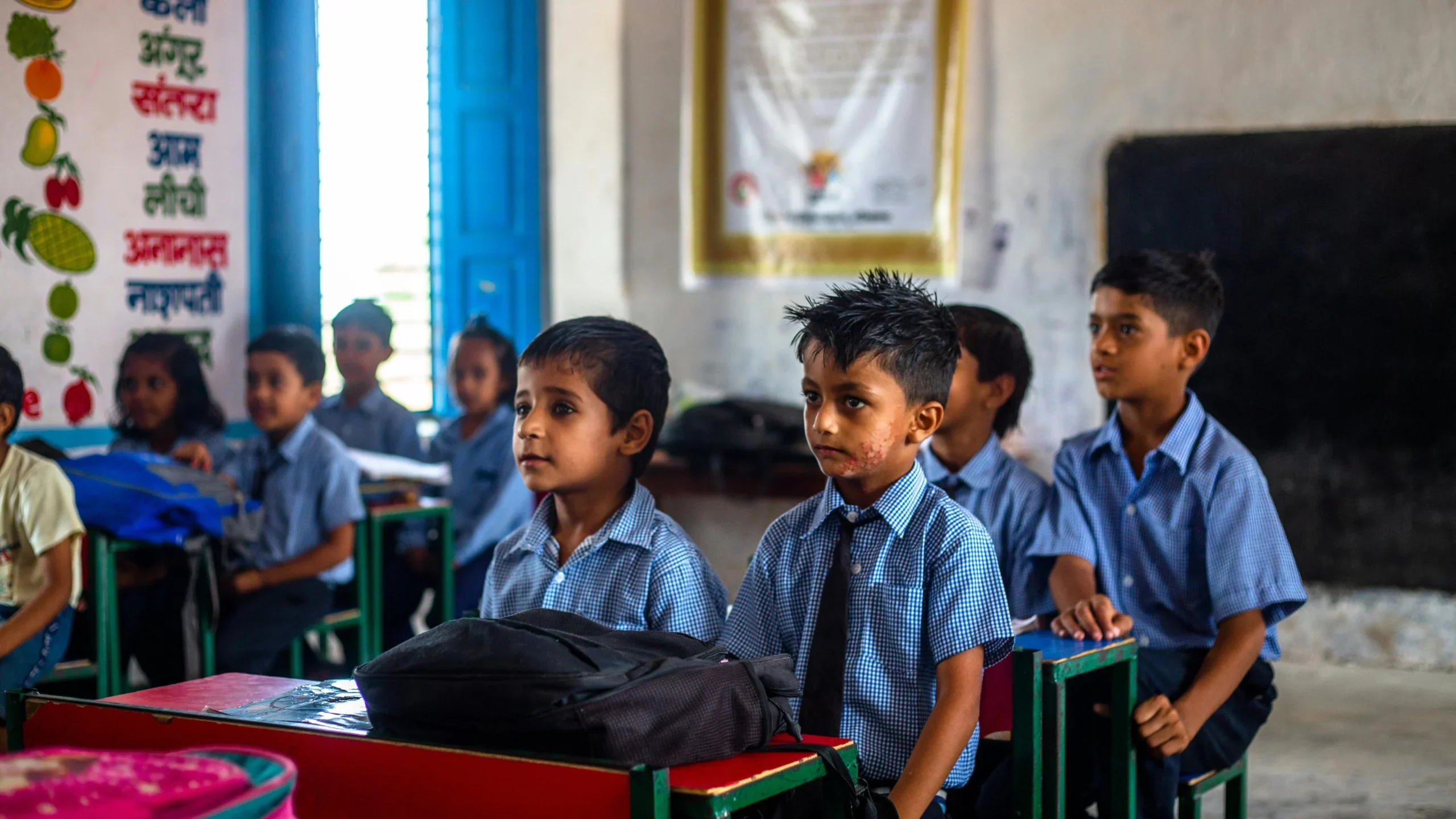
The education crisis in India is deeply intertwined with this issue, as millions of children who should be in school are instead trapped in labour.
Constitutional Provisions
India’s Constitution contains explicit protections for children:
- Article 24 categorically prohibits the employment of children below the age of 14 in any factory, mine, or other hazardous occupation.
- Article 39(e) directs the State to ensure that the tender age of children is not abused and that they are not forced by economic necessity to enter vocations unsuited to their age or strength.
- Article 39(f) mandates that children be given opportunities and facilities to develop in a healthy manner and in conditions of freedom and dignity.
- Article 21A, inserted by the 86th Constitutional Amendment in 2002, makes free and compulsory education a fundamental right for all children aged 6 to 14.
The Child Labour (Prohibition and Regulation) Act, 1986
This was India’s first comprehensive legislation specifically targeting child labour. It prohibited children under 14 from working in specified hazardous occupations and processes, including bidi-making, carpet weaving, mica cutting, and work in mines.
For non-hazardous occupations, it prescribed regulations on working conditions rather than outright bans. The Act established Child Labour Technical Advisory Committees and envisaged the National Child Labour Project (NCLP) for rehabilitating child workers.
The 2016 Amendment: Progress and Controversy
The Child Labour (Prohibition and Regulation) Amendment Act of 2016 made significant changes. It introduced a complete ban on employment of children below 14 years in all occupations and processes, not just hazardous ones. It also prohibited adolescents aged 14 to 18 from working in hazardous occupations.
Provision | Detail |
|---|---|
Age Ban (All Work) | Below 14 years - complete prohibition |
Age Ban (Hazardous) | 14 to 18 years - prohibited in hazardous occupations |
Imprisonment | 6 months to 2 years |
Fine | Rs 20,000 to Rs 50,000 |
However, the amendment drew sharp criticism from child rights advocates. It carved out an exception allowing children to work in “family or family enterprises” and in the entertainment industry. Critics, including Nobel laureate Kailash Satyarthi, argued that this exception effectively legalised a vast amount of child labour since the majority of child work in India occurs within family settings.
The Right to Education Act, 2009
The Right of Children to Free and Compulsory Education Act (RTE) mandated free education for all children aged 6 to 14 and required private schools to reserve 25 percent of seats for children from economically weaker sections. By making education compulsory, the RTE was intended to pull children out of work and into classrooms.
Yet implementation has been uneven, with many states struggling to meet infrastructure requirements, teacher-pupil ratios, and quality benchmarks prescribed under the Act.
Child labour in India is not confined to a single sector. It permeates the economy in ways both visible and invisible. Understanding the sectors is crucial for designing targeted interventions.
Agriculture: The Largest Employer of Children
An estimated 70 percent of all child labourers in India work in agriculture and allied activities. Children work in cotton fields in Gujarat and Andhra Pradesh, tea gardens in Assam, rice paddies in West Bengal, and sugarcane fields in Maharashtra and Uttar Pradesh.
They are involved in sowing, weeding, harvesting, and applying pesticides, often without protective equipment. Agricultural child labour is notoriously difficult to detect because it is dispersed, seasonal, and frequently framed as “helping the family” rather than employment.
Domestic Work
Hundreds of thousands of children, predominantly girls, work as domestic help in urban households. They cook, clean, wash dishes, care for younger children, and perform errands. This form of labour is almost entirely invisible to enforcement agencies because it occurs behind closed doors.
Children in domestic service are especially vulnerable to physical and sexual abuse, overwork, and denial of education.
Brick Kilns
India has an estimated 100,000 brick kilns, many of which employ entire migrant families, including children. Children carry heavy loads of bricks, work near scorching furnaces, and are exposed to dust and pollutants.
Studies by organisations like Anti-Slavery International have documented debt bondage patterns in brick kilns where families, including children, are trapped in cycles of labour to repay advances taken from kiln owners.
Mica Mines
Jharkhand and Bihar produce a significant portion of the world’s mica, a mineral used in cosmetics, electronics, and automotive paints. Investigations by Terre des Hommes, Reuters, and the Thomson Reuters Foundation have revealed that children as young as five crawl into narrow, unstable mine shafts to extract mica.
Collapses, respiratory diseases, and injuries are common. Despite international attention, the problem persists because much of the mining is illegal and occurs in remote, impoverished tribal areas.
Garment Industry
India is one of the world’s largest garment exporters, and child labour has been documented at various points in the supply chain. Children work in embroidery units in Delhi and Uttar Pradesh, in spinning mills in Tamil Nadu, and in home-based sub-contracting operations across the country.
Other Sectors
Children also work in:
- Beedi (hand-rolled cigarette) rolling in Madhya Pradesh and West Bengal
- Carpet weaving in the carpet belt of Uttar Pradesh
- Street vending and rag-picking in virtually every Indian city
- Fireworks manufacturing in Sivakasi, Tamil Nadu
- Dhabas (roadside eateries), tea stalls, and auto repair workshops across the country
Child labour in India is not uniformly distributed. Certain states bear a disproportionate burden, and the patterns correlate closely with poverty rates, educational infrastructure, and social indicators.
State | Estimated Child Labourers | Key Industries |
|---|---|---|
Uttar Pradesh | 2.1 million+ | Carpet weaving, brassware, home-based industries |
Bihar | ~1 million | Agriculture, mica mining |
Rajasthan | High prevalence | Mining, stone quarrying, gem polishing |
Madhya Pradesh | High prevalence | Beedi rolling, agriculture, tribal labour |
Maharashtra | Significant | Sugarcane cutting, migrant family work |
Notably, the southern states of Kerala and Tamil Nadu, and northeastern states like Mizoram and Sikkim, report relatively lower rates, though this does not mean the problem is absent. Kerala’s success is attributed to higher literacy rates, stronger social welfare systems, and effective panchayat-level governance.
Addressing child labour requires understanding the structural forces that drive it. No single cause explains the phenomenon; rather, it results from the intersection of multiple factors.
- Poverty: The most powerful driver. When families cannot meet basic needs, children become economic assets. NSSO data consistently shows child labour rates are highest among households in the lowest expenditure quintiles.
- Inadequate Educational Infrastructure: Many rural schools lack adequate buildings, toilets (particularly for girls), trained teachers, and learning materials. When schools are distant or dysfunctional, parents see little incentive to send children to class.
- Caste and Social Discrimination: Children from Scheduled Castes, Scheduled Tribes, and Other Backward Classes are disproportionately represented among child labourers.
- Migration: Seasonal and distress migration is a major driver. Migrant families bring children along, and these children are almost always out of school and working alongside adults.
- Demand from Industries: Certain industries actively prefer child workers because they accept lower wages, are easier to control, and possess small, nimble fingers suited to tasks like carpet weaving and mica sorting.
- Weak Enforcement: Labour inspection systems are chronically understaffed. Prosecutions under the Child Labour Act are rare, and conviction rates are low.
Much of India’s child labour exists in forms that are difficult to detect, measure, and address because they fall outside the scope of traditional enforcement mechanisms.
Domestic Child Labour
Children, especially girls from tribal and lower-caste communities, are placed in urban households as domestic workers. Agencies and placement networks facilitate the movement of children from states like Jharkhand, Chhattisgarh, and West Bengal to cities like Delhi, Mumbai, and Bangalore.
These children are isolated from their families, work long hours, have no holidays, and are frequently subjected to abuse. The informal nature of domestic work makes it nearly impossible for labour inspectors to access these workplaces.
Child Trafficking
The National Crime Records Bureau (NCRB) data reveals thousands of cases of human trafficking involving children annually, though the actual numbers are believed to be significantly higher. Children are trafficked for labour in factories, agriculture, domestic work, and the sex trade.
Bonded Labour
Despite the Bonded Labour System (Abolition) Act of 1976, bonded child labour persists. Children are pledged by their parents to employers in exchange for loans or advances. They work without wages or for minimal pay until the “debt” is repaid, which, due to exploitative interest rates, can take years.
Children in Family Enterprises
The 2016 amendment’s exception for family enterprises has effectively legitimised a massive category of child work. Children working in family-run farms, shops, artisan workshops, and home-based manufacturing units are now legally excluded from protection. This exception disproportionately affects children from marginalised communities.
The COVID-19 pandemic dealt a devastating blow to the fight against child labour globally, and India was among the hardest hit. The ILO and UNICEF’s joint report warned that the pandemic could push millions more children into labour, reversing years of progress.
Childline India Foundation reported a 30 percent increase in distress calls during the lockdown period, with many calls related to child labour, abuse, and abandonment.
In India, the impact was multi-dimensional:
- School Closures: India had one of the longest school closures in the world, lasting over 18 months in many states. An estimated 320 million students were affected.
- Economic Distress: The lockdowns decimated livelihoods in the informal sector. With incomes collapsing, families were forced to send children to work to survive.
- Increased Vulnerability: The pandemic increased child trafficking, child marriage, and exploitation.
- Disruption of Protection Mechanisms: NCLP rehabilitation centres closed, mid-day meal schemes were disrupted, and labour inspection activities virtually ceased.
As schools reopened, many children, particularly girls and children from the poorest households, did not return. The Annual Status of Education Report (ASER) 2022 documented significant learning losses and raised concerns about long-term dropout rates.
Child labour is not merely an economic or legal issue; it is a fundamental violation of children’s rights with severe, often irreversible consequences for their physical, mental, and emotional development.
- Physical Health: Working children suffer from musculoskeletal problems, respiratory diseases, skin conditions, injuries from machinery, and exposure to toxic chemicals and pesticides.
- Stunted Growth and Malnutrition: The physical demands of labour combined with poor diet lead to stunting, wasting, and long-term health complications.
- Lost Education: Every year a child spends working is a year of education lost, with cascading effects on future earning potential and social mobility.
- Psychological Harm: Child labourers experience anxiety, depression, low self-esteem, and post-traumatic stress that can persist into adulthood.
Despite the scale of the problem, there are interventions, both governmental and civil society-led, that have demonstrated measurable impact. Several education-focused NGOs working in rural India have been at the forefront of pulling children out of labour and into classrooms.
Bachpan Bachao Andolan (BBA) and Kailash Satyarthi
Kailash Satyarthi, who was awarded the Nobel Peace Prize in 2014 jointly with Malala Yousafzai, founded Bachpan Bachao Andolan (Save Childhood Movement) in 1980. BBA has directly rescued over 100,000 children from slavery, trafficking, and child labour.
The organisation conducts raids in collaboration with law enforcement to free children from factories, mines, and other exploitative situations. Beyond rescue, BBA provides rehabilitation, legal support, and reintegration services.
Childline 1098
Childline India Foundation operates 1098, a 24-hour toll-free helpline for children in distress. Operating in over 600 locations across India, Childline responds to calls related to child labour, abuse, missing children, and other emergencies. Since its inception in 1996, Childline has assisted millions of children.
National Child Labour Project (NCLP)
The NCLP, launched in 1988, operates in over 300 districts across India. It establishes special training centres that provide bridge education, vocational training, nutrition, and stipends to children withdrawn from labour. The goal is to mainstream these children into formal education.
The M.V. Foundation Model
The M.V. Foundation, based in Hyderabad, has developed a widely respected model for eliminating child labour at the village level. Founded by Shantha Sinha (recipient of the Ramon Magsaysay Award), the Foundation works on the principle that every child out of school is a child labourer.
The M.V. Foundation has been credited with mainstreaming over 1 million children into formal schools in Andhra Pradesh and Telangana and has been replicated in several other states.
Corporate Supply Chain Audits
Growing international awareness and consumer pressure have led some companies to audit their supply chains for child labour. The Responsible Mica Initiative (RMI), launched in 2017, brings together companies, NGOs, and governments to create responsible mica supply chains in India.
India’s fight against child labour exists within a broader international framework of conventions, goals, and commitments.
Convention/Goal | Year | India’s Status |
|---|---|---|
ILO Convention 138 (Minimum Age) | 1973 | Ratified in 2017 |
ILO Convention 182 (Worst Forms) | 1999 | Ratified in 2017 |
UN Convention on the Rights of the Child | 1989 | Ratified in 1992 |
SDG Target 8.7 (End Child Labour) | 2015 | 2025 deadline missed |
India’s ratification of the ILO core conventions in 2017 was a significant step. However, ratification alone is insufficient without robust domestic enforcement, adequate resources for labour inspection, and genuine political will to prioritise children’s rights over economic interests.
Ending child labour in India is not an impossible goal, but it requires simultaneous action on multiple fronts.
Strengthen Enforcement
India needs a dramatic increase in the number and capacity of labour inspectors, with specialised training on child labour detection. The family enterprise exception in the 2016 amendment must be re-examined and narrowed to prevent its misuse.
Universal, Quality Education
The most powerful antidote to child labour is a functional, accessible, quality education system. This means not just building schools but ensuring they have trained teachers, adequate infrastructure, functioning toilets for girls, and a relevant, engaging curriculum.
Social Protection
Cash transfer programmes conditional on school attendance have shown effectiveness in reducing child labour globally. India’s existing schemes, including PM-KISAN, MGNREGA, and state-level cash transfer programmes, need better targeting to reach the most vulnerable families.
Corporate Accountability
Indian and international companies sourcing from India must be held accountable for child labour in their supply chains. Mandatory human rights due diligence legislation, modelled on the EU Corporate Sustainability Due Diligence Directive, should be considered for India.
Address Migration and Trafficking
Inter-state migration tracking systems must be strengthened to ensure that children of migrant workers are enrolled in schools at destination sites. Anti-trafficking units need greater resources and inter-state coordination.
- Census of India 2011: District-level data on working children by age, gender, and sector.
- International Labour Organization (ILO): Global and country-specific estimates and policy guidance.
- UNICEF: Data on child protection and the intersection of child labour with other vulnerabilities.
- National Crime Records Bureau (NCRB): Annual data on crimes against children and trafficking.
- Ministry of Labour and Employment: Policy documents and NCLP progress reports.
- Annual Status of Education Report (ASER): School enrolment, attendance, and learning outcomes data.
- National Family Health Survey (NFHS): Child health and nutrition indicators correlated with child labour.
Child labour in India is not merely a statistic or a policy challenge. It represents millions of individual childhoods cut short, millions of futures constrained before they begin. The 10.1 million figure from Census 2011 is already over a decade old, and the pandemic years have almost certainly swelled the ranks of working children.
Yet the evidence also shows that change is possible. Where communities mobilise, where schools function, where enforcement is genuine, and where families receive adequate support, children leave work and enter classrooms. The models exist. The legal framework, despite its flaws, provides a foundation.
Every child rescued from a factory, mine, or kitchen and placed in a classroom is not just an individual victory. It is an investment in India’s future, in its human capital, its democracy, and its promise of justice and equality for all.
The question is not whether India can end child labour. It is whether India chooses to.
What you can do
- Share the evidenceSend this to one person who should know about child welfare.Share on WhatsApp
- Give an afternoonTeach, mentor, clean up, or lend your professional skills.Ways to volunteer
- Tell us what's missingKnow a story, a fact we got wrong, or a solution worth spotlighting?Suggest a story
Politically neutral. Every claim sourced. Report a correction.

No comments yet