Child Malnutrition in India: The Stunting Emergency
India is home to one-third of the world's stunted children. With 35.5% of children under 5 stunted, 19.3% wasted, and anaemia rising to 67.1%, child malnutrition remains a national emergency. Explore the NFHS-5 data, state-wise disparities, the caste intersection, government interventions like ICDS and POSHAN Abhiyaan, and what India must do to break the intergenerational cycle of hunger.
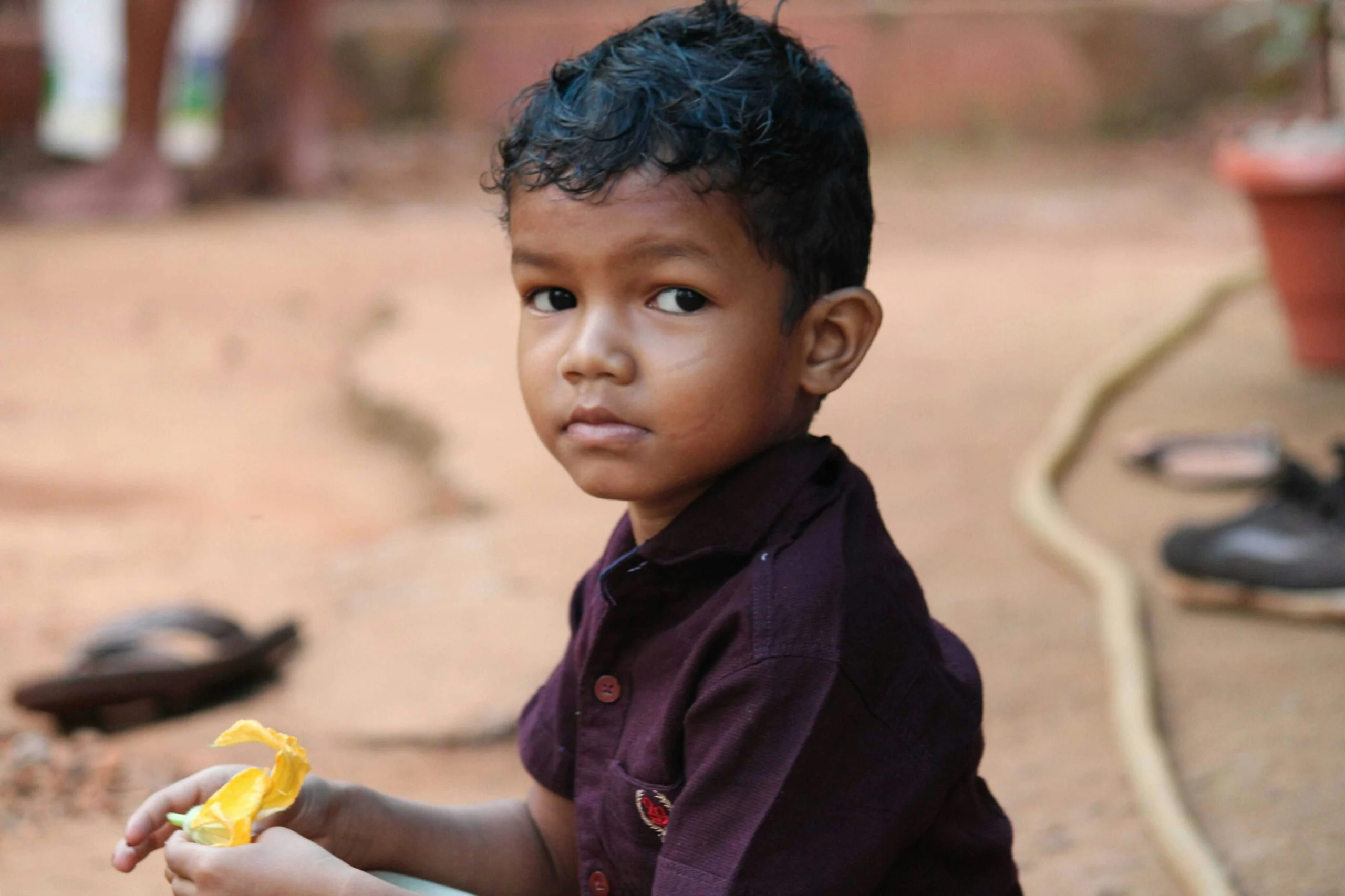
India is the fifth largest economy in the world. It launches satellites, exports software, and feeds a population of 1.4 billion. Yet within its borders lives a grim statistic that no amount of GDP growth has managed to erase: one in every three stunted children on the planet is Indian. The National Family Health Survey (NFHS-5), conducted between 2019 and 2021, confirmed what decades of nutritional data have been whispering-India’s children are in crisis, and the numbers are not improving fast enough.
This is not a story about famine. India produces more than enough food to feed every citizen. This is a story about systems, about poverty intersecting with caste and geography, about a country that has managed to put a rover on the moon but cannot get a balanced meal to millions of its youngest citizens during the most critical window of their development. The data tells a story of progress in some areas and alarming stagnation-or even regression-in others. Let us examine it.
The NFHS-5 survey, which covered over 6.1 lakh households across all states and union territories, produced the most comprehensive nutritional dataset India has ever had. The numbers, while showing improvement over NFHS-3 (2005–06) and NFHS-4 (2015–16), remain deeply troubling when placed in a global context.
Stunting: 35.5% of Children Under 5
Stunting-defined as a child being too short for their age-is the most reliable indicator of chronic malnutrition. It reflects not a single missed meal but months and years of inadequate nutrition, repeated infections, and poor living conditions. According to NFHS-5, 35.5% of Indian children under the age of five are stunted. This translates to roughly 4.66 crore children whose physical and cognitive development has been permanently compromised.
To put this in perspective: India’s stunting rate is higher than the average for sub-Saharan Africa (31.7%) and significantly higher than the global average of 22.3%, as reported by UNICEF, WHO, and the World Bank in their joint malnutrition estimates. While the rate has come down from 48% in NFHS-3 (2005–06) and 38.4% in NFHS-4 (2015–16), the pace of decline-roughly 2–3 percentage points per survey cycle spanning five years-is insufficient to meet global nutrition targets.
Wasting: 19.3% of Children Under 5
Wasting-being too thin for one’s height-is a marker of acute malnutrition and often signals an immediate health crisis. India’s wasting prevalence at 19.3% is among the highest in the world. The global average is approximately 6.7%. Even within South Asia, India’s wasting rate is disproportionately high. Bangladesh, a country with significantly lower per capita income, has brought its wasting rate down to around 9.8%. Sri Lanka stands at approximately 15.1%, while China’s wasting prevalence is a mere 1.9%.
Wasting is particularly dangerous because it dramatically increases the risk of child mortality. A severely wasted child is up to 11 times more likely to die than a well-nourished child. The persistence of such high wasting rates in India, despite the country being a net food exporter, points to deep structural failures in food distribution, healthcare access, and sanitation.
Underweight: 32.1%-Better, But Still Alarming
The underweight indicator-a composite of both stunting and wasting-has seen the most notable improvement. NFHS-3 recorded 42.5% of children under five as underweight. By NFHS-5, this had declined to 32.1%, a drop of over 10 percentage points in roughly 15 years. This is genuine progress, likely driven by improvements in food security through schemes like the Public Distribution System (PDS) and the expansion of the Integrated Child Development Services (ICDS).
However, 32.1% still means that nearly one in three Indian children weighs less than they should for their age. India alone accounts for approximately 25% of all underweight children globally. The rate of decline, while encouraging, needs to accelerate dramatically if India hopes to meet the World Health Assembly target of a 40% reduction in stunting by 2025-a target that, as of the latest data, India has already missed.
Anaemia: 67.1%-A Crisis That Is Getting Worse
Perhaps the most alarming finding in NFHS-5 is the data on anaemia among children aged 6 to 59 months. A staggering 67.1% of children in this age group are anaemic-meaning their blood has insufficient haemoglobin to carry adequate oxygen to their tissues and organs. This is not merely a failure to improve; it is a regression. NFHS-4 had recorded the anaemia rate at 58.6%. In five years, the proportion of anaemic children increased by 8.5 percentage points.
Anaemia in early childhood is catastrophic for development. Iron deficiency impairs cognitive function, reduces attention span, and diminishes learning capacity. Anaemic children perform worse in school, are more susceptible to infections, and carry the effects well into adulthood. That two out of every three Indian children under five are anaemic is, by any measure, a public health emergency. The causes are multifactorial: poor dietary diversity, lack of iron-rich foods, endemic hookworm infections in many regions, and inadequate access to iron and folic acid supplementation.
India’s national averages, troubling as they are, mask extraordinary variation between states. The difference between the best-performing and worst-performing states on stunting is over 23 percentage points-a gap so wide that they might as well be different countries with entirely different nutrition realities.
The Worst Performers
- Meghalaya: 46.5% stunted. Nearly half of all children under five in this northeastern state are chronically malnourished. Meghalaya’s remoteness, poor healthcare infrastructure, and limited road connectivity to many tribal areas contribute to this grim figure. Access to ICDS services remains patchy in the state’s more isolated communities.
- Bihar: 42.9% stunted. India’s third most populous state consistently ranks among the worst on nearly every development indicator. Bihar’s malnutrition crisis is driven by extreme poverty (the state has one of the lowest per capita incomes in India), high population density, poor sanitation (open defecation rates remain significant), and deeply entrenched gender inequality that affects maternal nutrition. A malnourished mother almost inevitably gives birth to a malnourished child.
- Uttar Pradesh: 39.7% stunted. As India’s most populous state with over 23 crore residents, UP’s numbers carry enormous weight in the national average. UP alone is home to more stunted children than most countries have children, period. The state’s performance is dragged down by its eastern and central districts, where poverty is concentrated and healthcare infrastructure is weakest.
- Jharkhand: 39.6% stunted. A state with significant tribal populations, Jharkhand faces the dual challenge of poverty and social exclusion. Despite rich mineral resources, the state’s wealth has rarely translated into nutritional security for its most vulnerable communities.
- Madhya Pradesh: 35.7% stunted. Once nicknamed the “BIMARU” state alongside Bihar, Rajasthan, and UP, Madhya Pradesh has made modest improvements but still hovers around the national average.
The Best Performers
- Kerala: 23.4% stunted. Kerala’s longstanding investments in primary healthcare, female literacy (the highest in India at 96.2%), and a robust public distribution system have produced the best nutritional outcomes in the country. Even Kerala’s rate, however, would be considered high by East Asian or Latin American standards.
- Goa: 25.8% stunted. Goa’s small population, relatively high per capita income, and better healthcare access contribute to its lower rates. The state also benefits from higher dietary diversity, including greater consumption of fish and animal protein.
- Puducherry: 20% stunted. The union territory’s compact geography and well-funded health services have kept stunting rates below the national average.
- Sikkim: 22.3% stunted. This northeastern state has invested heavily in organic farming and nutrition programmes, and its small population makes service delivery more manageable.
The pattern is unmistakable: states with higher female literacy, better healthcare infrastructure, stronger social safety nets, and lower poverty rates consistently outperform those without. Malnutrition is not random. It is structural.
NFHS-5 data reveals a persistent and significant gap between rural and urban India on child malnutrition. In rural areas, 37.3% of children under five are stunted compared to 30.1% in urban areas-a gap of 7.2 percentage points. This gap has remained remarkably consistent across survey cycles, suggesting that urbanisation alone is not solving the malnutrition problem.
Rural malnutrition is driven by multiple factors: lower household incomes, greater dependence on monotonous cereal-based diets (rice and wheat with limited protein and micronutrients), poorer access to clean water and sanitation, fewer healthcare facilities, and longer distances to Anganwadi centres. In many rural areas, the nearest functional health facility may be 10 to 15 kilometres away, making regular growth monitoring and supplementary nutrition nearly impossible.
But urban malnutrition is not a solved problem. A 30.1% stunting rate in cities means that nearly one in three urban children is chronically malnourished. Much of this is concentrated in urban slums, where conditions can be as bad as or worse than rural areas. Overcrowding, contaminated water, open drains, and lack of cooking fuel force families into dietary patterns that are calorie-dense but nutrient-poor. The urban poor often spend a larger proportion of their income on food than their rural counterparts but receive less nutritional value per rupee because of higher food prices in cities.
India’s malnutrition crisis cannot be understood without examining the role of caste. NFHS-5 data disaggregated by social group reveals a stark gradient that mirrors centuries of social hierarchy and exclusion.
- Scheduled Tribes (ST): 40.3% stunted. Tribal communities, who constitute roughly 8.6% of India’s population, bear a disproportionate burden of malnutrition. Many tribal areas are in remote, forested regions with limited access to markets, healthcare, and government services. Traditional food systems have been disrupted by deforestation and displacement, while integration into mainstream food programmes has been uneven.
- Scheduled Castes (SC): 38.7% stunted. Dalit communities face the combined disadvantages of poverty, social discrimination, and lower access to land and resources. Studies have documented that Dalit children in some areas receive less food at Anganwadi centres due to caste-based discrimination by service providers-a finding that underscores how social prejudice directly translates into nutritional deprivation.
- Other Backward Classes (OBC): 35.9% stunted. OBC communities, a heterogeneous group, cluster around the national average.
- General category: 28.9% stunted. Even among the general (upper caste) category, nearly three in ten children are stunted, indicating that while caste amplifies malnutrition, the crisis cuts across all social groups.
The gap between ST children (40.3%) and general category children (28.9%) is 11.4 percentage points. This is not merely a poverty gap-research has shown that even after controlling for income, education, and other socioeconomic variables, caste continues to independently predict nutritional outcomes. Discrimination in access to services, lower social capital, and historical exclusion from land and livelihood opportunities all contribute to this persistent disparity.
India’s malnutrition numbers become even more stark when placed alongside those of other countries at similar or lower levels of economic development.
Bangladesh, with a per capita GDP roughly half that of India, has reduced its stunting rate to approximately 28% (BDHS 2022), down from 41% in 2011. Bangladesh’s success is attributed to its highly effective community health worker programme, widespread nutrition counselling, and dramatic improvements in sanitation through the Community-Led Total Sanitation (CLTS) model. Bangladesh also benefits from greater gender equality relative to parts of India, with higher female labour force participation and more equitable household food distribution.
Sri Lanka has maintained stunting rates around 17.3%, supported by a universal healthcare system, high female literacy (92%), and a longstanding school feeding programme. Sri Lanka’s success story, built over decades, demonstrates that political will and consistent investment in social services can overcome poverty-related malnutrition.
China has nearly eliminated stunting, bringing it below 5% through a combination of rapid economic growth, massive investments in rural infrastructure, and targeted nutrition interventions in its poorest provinces. China’s experience shows that stunting can be addressed at scale when economic growth is accompanied by deliberate policy action.
The comparison with Bangladesh is particularly instructive. Both countries share similar cultural contexts, dietary patterns, and climatic conditions. Yet Bangladesh has pulled ahead of India on stunting reduction despite having fewer economic resources. The lesson is clear: money alone does not solve malnutrition. What matters is how effectively resources are directed toward the most vulnerable populations during the most critical periods of child development.
India is the world’s largest producer of milk, the second largest producer of rice and wheat, and a major exporter of food grains. The Food Corporation of India (FCI) maintains buffer stocks that routinely exceed the required norms-often by tens of millions of tonnes. In some years, grain has rotted in government warehouses even as children in nearby districts suffered from severe acute malnutrition.
This paradox-food surplus coexisting with widespread child malnutrition-has several explanations. First, India’s food security architecture is heavily cereal-centric. The PDS distributes rice and wheat at subsidised prices, ensuring caloric adequacy for many families but not nutritional adequacy. A diet of rice and wheat, without adequate pulses, vegetables, fruits, dairy, and animal protein, cannot provide the micronutrients essential for child growth. India’s dietary diversity scores, particularly among the poor, are among the lowest in the world.
Second, food production does not automatically translate into food access. Landless labourers, urban slum dwellers, migrant workers, and marginalised communities often lack the purchasing power to buy nutritious food even when it is available in local markets. Pulses and vegetables, which are not covered by the PDS, are subject to price volatility that pushes them beyond the reach of poor households during lean periods.
Third, malnutrition is not solely about food. The WASH (Water, Sanitation, and Hygiene) connection is critical. A child who drinks contaminated water or lives in an environment with open defecation will suffer from repeated bouts of diarrhoea and intestinal infections that prevent nutrient absorption regardless of how much food they consume. NFHS-5 found that only 70% of households had access to an improved drinking water source, and 19% of the rural population still practised open defecation despite the Swachh Bharat campaign. The devastating impact of India’s water crisis on child health cannot be overstated.
The consequences of child malnutrition extend far beyond physical growth. The damage done in the first five years of life-and particularly in the first 1,000 days from conception to a child’s second birthday-is largely irreversible and reverberates across an entire lifetime.
Cognitive Development
Stunted children have, on average, lower cognitive scores, reduced attention spans, and diminished learning capacity. The brain develops most rapidly in the first two years of life, and inadequate nutrition during this period leads to fewer neural connections, smaller brain volume, and impaired executive function. Studies from India and globally have consistently shown that stunted children score lower on standardised tests, are more likely to repeat grades, and are more likely to drop out of school. The World Bank estimates that stunting reduces a child’s future earning potential by 10% to 17%.
Lifetime Earnings and Economic Productivity
The economic cost of malnutrition is staggering. A 2019 study estimated that malnutrition costs India approximately 4% of GDP annually-roughly $46 billion at the time-through lost productivity, increased healthcare expenditure, and reduced educational outcomes. Malnourished children grow into adults who earn less, work less productively, and are more likely to suffer from non-communicable diseases like diabetes, cardiovascular disease, and hypertension. The “thrifty phenotype” hypothesis suggests that children who are undernourished in utero and early life develop metabolic adaptations that predispose them to obesity and metabolic syndrome when exposed to calorie-dense diets later in life-a phenomenon increasingly observed in India’s nutrition transition.
The Intergenerational Cycle
Perhaps the most insidious consequence of child malnutrition is its intergenerational transmission. A girl who is stunted is more likely to become a woman with a lower BMI, who is more likely to give birth to a low birth weight baby, who is more likely to be stunted. This cycle perpetuates itself across generations unless deliberately interrupted. In India, where 57% of women of reproductive age are anaemic (NFHS-5) and 18.7% have a below-normal BMI, the intergenerational pipeline of malnutrition is firmly in place. Breaking this cycle requires not just feeding children but nourishing adolescent girls and pregnant women years before those children are born. Organisations focused on women’s empowerment play a critical role in addressing the maternal nutrition dimension of this crisis.
India has deployed some of the world’s largest nutrition programmes, though their effectiveness has been debated extensively.
ICDS and the Anganwadi System
The Integrated Child Development Services (ICDS), launched in 1975, is one of the oldest and largest child nutrition programmes in the world. Operating through approximately 13.9 lakh Anganwadi centres across the country, ICDS provides supplementary nutrition, growth monitoring, nutrition education, pre-school education, immunisation referrals, and health check-ups to children under six and pregnant and lactating women.
Despite its scale, ICDS has faced persistent criticism. Multiple evaluations have found that many Anganwadi centres lack basic infrastructure-no permanent building, no clean water, no toilet. The supplementary nutrition provided (typically a cooked meal or take-home ration) often fails to meet the caloric and protein standards prescribed by the government. Anganwadi workers, who are the backbone of the system, are classified as “honorary workers” rather than government employees and are paid a monthly honorarium of Rs 4,500 to Rs 7,500 depending on the state-a pittance that affects motivation and retention. Growth monitoring, which is supposed to identify malnourished children early, is often perfunctory, with many centres lacking functional weighing scales.
PM POSHAN (Formerly Mid-Day Meal Scheme)
The PM Poshan Shakti Nirman (PM POSHAN) scheme, which replaced the Mid-Day Meal Scheme in 2021, provides a cooked meal to approximately 12 crore children in government and government-aided schools across the country. The scheme covers children from Class I to VIII and prescribes caloric norms of 450 calories and 12 grams of protein for primary students, and 700 calories and 20 grams of protein for upper primary students.
PM POSHAN has been one of India’s most successful social sector programmes, credited with improving school attendance (particularly among girls), reducing classroom hunger, and providing at least one nutritious meal per day to children from the poorest families. The scheme has been enhanced with the introduction of “Tithi Bhojan” (community participation in meals), the integration of school nutrition gardens, and the addition of fortified rice to the menu. However, the scheme does not cover children under six-the most critical age group for nutritional intervention-and its impact on actual nutritional outcomes, as opposed to school attendance, remains difficult to isolate.
Fortified Rice and Micronutrient Supplementation
Since 2024, India has been scaling the distribution of fortified rice-rice enriched with iron, folic acid, and Vitamin B12-through the PDS, ICDS, and PM POSHAN. The goal is to address the anaemia crisis by adding micronutrients to a staple food that is already consumed daily by hundreds of millions. The initiative covers all districts and is one of the largest fortification programmes in the world. Early studies from pilot districts have shown promising results, with haemoglobin levels improving among regular consumers of fortified rice. However, critics have raised concerns about the bioavailability of the added nutrients and the fact that fortification addresses symptoms rather than the underlying causes of dietary deficiency.
POSHAN Abhiyaan (National Nutrition Mission)
Launched in 2018, POSHAN Abhiyaan set ambitious targets: reducing stunting by 2% per year, reducing underweight prevalence by 2% per year, and reducing anaemia by 3% per year among children, adolescents, and women. The programme introduced technology through the ICDS-CAS (Common Application Software) for real-time monitoring of Anganwadi services, promoted Jan Andolan (people’s movement) through community mobilisation, and emphasised convergence between different government departments working on nutrition, health, water, and sanitation.
While POSHAN Abhiyaan has improved monitoring and created greater awareness, the NFHS-5 data suggests that its targets have not been met. The 2% annual reduction in stunting would have required a decline from 38.4% (NFHS-4) to approximately 28% by 2022-the actual figure of 35.5% represents only about a third of the targeted decline. The worsening of anaemia rates directly contradicts the programme’s 3% annual reduction target.
The data is clear about what works. The challenge is implementing it at scale, with quality, and reaching the most marginalised populations. Several critical gaps remain in India’s approach to child malnutrition.
The First 1,000 Days: A Non-Negotiable Window
The period from conception to a child’s second birthday-the first 1,000 days-is when the greatest damage from malnutrition occurs and when interventions have the highest return on investment. Yet India’s nutrition programmes are weakest precisely during this period. ICDS coverage for children under two is significantly lower than for children aged three to six, partly because younger children are less likely to be brought to Anganwadi centres. Home visits by Anganwadi workers, which are supposed to reach infants and pregnant women, happen irregularly in many states. Complementary feeding practices-the introduction of solid foods alongside breastfeeding from six months of age-remain poor, with only 11.3% of children aged 6–23 months receiving an adequate diet in terms of both frequency and diversity (NFHS-5).
Any serious strategy to reduce stunting must prioritise this window with intensive, household-level support for infant and young child feeding. This means more frequent home visits, better-trained and better-compensated frontline workers, and community-based nutrition counselling that addresses local food systems and cultural practices around infant feeding.
Maternal Nutrition: You Cannot Nourish a Child Without Nourishing the Mother
A child’s nutritional trajectory begins in the womb. Low birth weight-which affects approximately 18.2% of Indian newborns according to NFHS-5-is one of the strongest predictors of stunting. And low birth weight is driven primarily by maternal malnutrition, particularly anaemia and low BMI during pregnancy. Yet maternal nutrition receives far less programmatic attention and funding than child nutrition. The Pradhan Mantri Matru Vandana Yojana (PMMVY) provides a cash transfer of Rs 5,000 to first-time pregnant women, but this amount is inadequate to meaningfully improve dietary intake over the course of a pregnancy. Moreover, the restriction to first pregnancies ignores the reality that nutritional depletion worsens with each successive pregnancy in the absence of adequate recovery time and nutrition.
Investing in adolescent girl nutrition is equally critical. India’s adolescent girls are among the most nutritionally vulnerable populations in the country. Programmes that provide iron and folic acid supplementation, promote dietary diversity, and delay early marriage and pregnancy can break the intergenerational cycle of malnutrition before it begins. The recently restructured Scheme for Adolescent Girls (SAG), which provides nutritional supplementation and life skills education, needs to be expanded and adequately funded.
The WASH Linkage: Nutrition Cannot Be Separated from Sanitation
The link between water, sanitation, hygiene, and nutrition is one of the most well-established findings in public health. Children who are exposed to faecal pathogens through open defecation, contaminated water, or poor handwashing practices suffer from a condition called environmental enteric dysfunction (EED)-a subclinical inflammation of the gut lining that reduces nutrient absorption even when food intake is adequate. Studies have estimated that improving sanitation alone could reduce stunting by 6 to 13 percentage points in high-burden areas.
The Swachh Bharat Mission has made significant progress in building toilets, but usage remains uneven, particularly in states like Bihar, Jharkhand, and Odisha. A toilet that is built but not used provides no health benefit. Behaviour change communication, water quality improvement, and integration of WASH interventions with nutrition programmes at the Anganwadi level are essential next steps. Addressing India’s water crisis is inseparable from solving the malnutrition emergency.
Dietary Diversity: Moving Beyond Rice and Wheat
India’s food policy needs a fundamental reorientation from caloric adequacy to nutritional adequacy. The PDS, which reaches over 80 crore people through the National Food Security Act, distributes primarily rice and wheat. Adding pulses, millets, cooking oil, and eggs to the PDS basket would dramatically improve the dietary diversity of the poorest households. Several states-including Andhra Pradesh, Telangana, Karnataka, and Odisha-have already introduced eggs into their ICDS and school meal programmes, with measurable improvements in child nutrition. The political resistance to egg distribution in some states, driven by vegetarian ideology rather than nutritional science, has slowed the adoption of a proven, affordable, and highly nutritious intervention.
India’s child malnutrition data is not a set of abstract statistics. Each percentage point represents lakhs of children whose potential has been diminished before they had a chance to realise it. The 35.5% stunting rate means that India is producing a generation of young people who are physically smaller, cognitively less capable, and economically less productive than they should be. The 67.1% anaemia rate means that the majority of India’s youngest citizens are growing up with a biological handicap that will shadow them through school, through work, and into their own parenthood.
The solutions are known. Intensive focus on the first 1,000 days. Adequate maternal nutrition. Universal access to clean water and sanitation. Dietary diversification beyond cereals. Strengthening the Anganwadi system with better infrastructure, better pay for workers, and better monitoring. Addressing the social determinants of malnutrition-caste discrimination, gender inequality, and poverty-that no nutrition programme alone can overcome.
India has the economic resources, the institutional infrastructure, and the technical knowledge to end child malnutrition within a generation. What has been missing is the sustained political priority and the willingness to invest at the scale the problem demands. The children who are stunted today will be the workers, parents, and citizens of 2040 and 2050. The question is not whether India can afford to fix this. The question is whether India can afford not to.
What you can do
- Share the evidenceSend this to one person who should know about child welfare.Share on WhatsApp
- Give an afternoonTeach, mentor, clean up, or lend your professional skills.Ways to volunteer
- Tell us what's missingKnow a story, a fact we got wrong, or a solution worth spotlighting?Suggest a story
Politically neutral. Every claim sourced. Report a correction.

No comments yet