The ICDS Programme: India's Largest Child Welfare Scheme Explained
Learn how India's ICDS programme serves over 8 crore beneficiaries through 13.9 lakh Anganwadi centres. Explore its 6 core services, key challenges, and why it matters for every Indian child's future.
What Is ICDS?
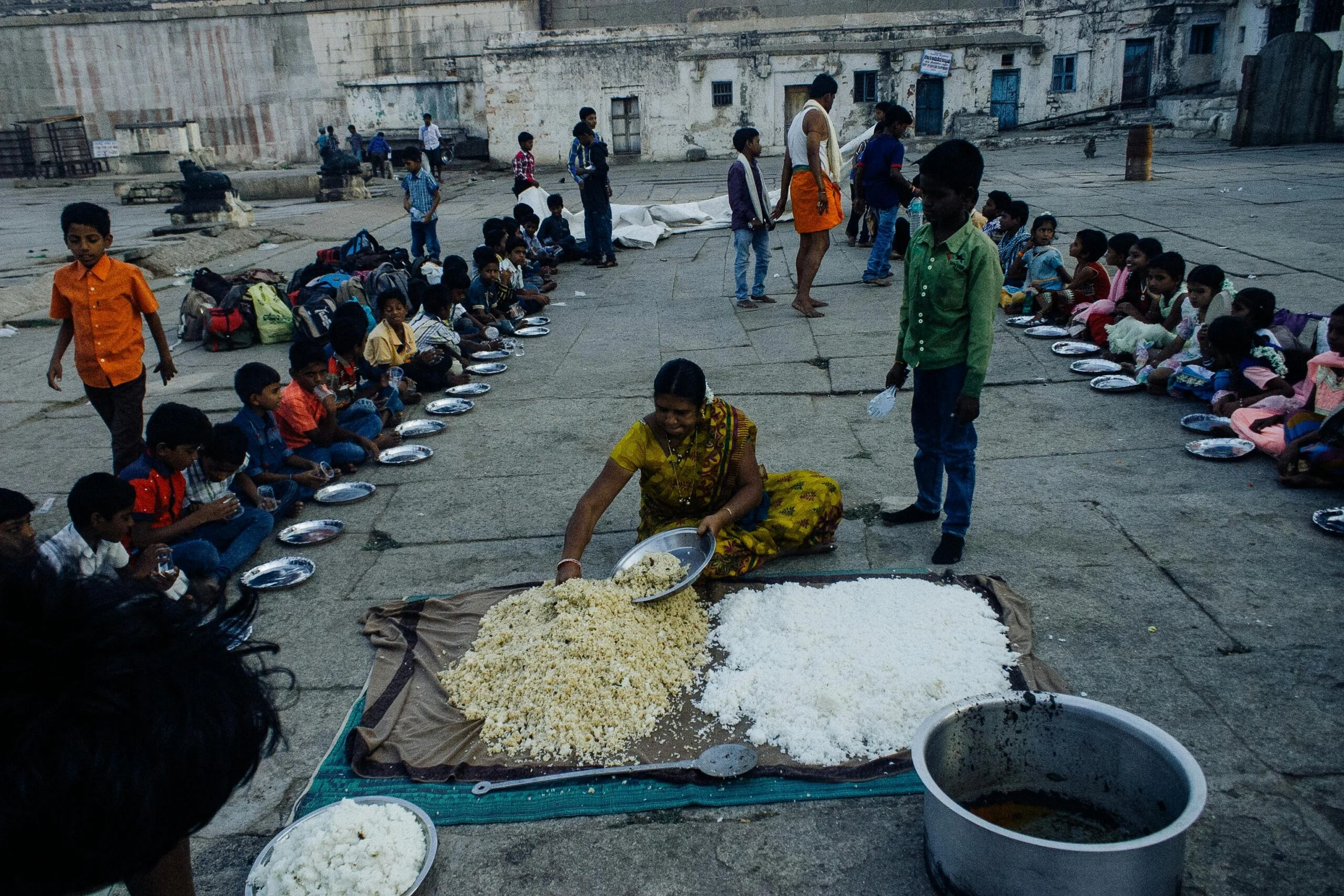
The Integrated Child Development Services (ICDS) programme is the world’s largest early childhood care and development initiative. Launched on 2nd October 1975 by the Government of India, the programme was designed with one clear goal: to give every young child in the country a fair start in life.
At its heart, ICDS targets the most vulnerable population groups - children under six years of age, pregnant women, and lactating mothers, especially those in rural, tribal, and urban slum areas. The programme recognises a simple but powerful truth: what happens in the first six years of a child’s life shapes their entire future. Poor nutrition, lack of healthcare, and missed early learning opportunities during these years can cause damage that is extremely hard to reverse later.
When ICDS started, it covered just 33 blocks across the country as a pilot project. Today, it has expanded to cover every district in India, making it one of the most ambitious social welfare programmes anywhere in the world. The programme operates under the Ministry of Women and Child Development and has been restructured multiple times over the decades to keep up with changing needs.
In 2022, the Government merged several nutrition-related schemes - including the original ICDS - into a larger umbrella programme called Saksham Anganwadi and POSHAN 2.0. The core services, however, remain the same. The delivery mechanism continues to be the familiar neighbourhood Anganwadi Centre that millions of Indian families depend on every day.
Understanding ICDS is essential for anyone who cares about child welfare in India. It is not just a government scheme on paper - it is a living, breathing network of workers, centres, and services that touches the lives of over 8 crore people across the country.
What Does ICDS Provide? The 6 Core Services
The ICDS programme delivers six integrated services. The word “integrated” is key here - the idea is that no single service works in isolation. A child who gets food but no health check-ups, or a mother who gets immunisation but no nutrition education, will still fall through the cracks. ICDS tries to address the whole picture at once.
Here are the six services that every Anganwadi Centre is expected to provide:
1. Supplementary Nutrition
This is the most well-known service of the ICDS programme. Anganwadi Centres provide supplementary nutrition to children between the ages of 6 months and 6 years, as well as to pregnant and lactating women. The goal is to bridge the gap between what a family can afford to feed their children and what the child actually needs to grow properly.
The nutrition is provided in two forms. Children aged 3 to 6 years who attend the Anganwadi Centre receive a hot cooked meal (HCM) every day. Younger children (6 months to 3 years), pregnant women, and lactating mothers typically receive take-home rations (THR) - pre-packaged food items like fortified flour, dal, rice, or ready-to-eat supplements that they can take home and consume.
The government has set nutritional norms for these meals. A normal child between 3 and 6 years should receive food worth 500 calories and 12-15 grams of protein per day. Severely malnourished children are supposed to receive 800 calories and 20-25 grams of protein. Pregnant and lactating women should get 600 calories and 18-20 grams of protein.
In practice, the amount of money allocated per child per day for supplementary nutrition is around Rs 8 - a figure that many experts and workers on the ground consider far too low to meet these nutritional targets.
2. Pre-School Non-Formal Education
For children aged 3 to 6 years, Anganwadi Centres are meant to function as the child’s first school. The pre-school education component focuses on play-based, age-appropriate learning activities that help children develop basic cognitive, language, and social skills before they enter formal school.
This is not meant to be a miniature version of Class 1. The emphasis is on songs, stories, games, drawing, and activities that make children comfortable in a group setting and build their curiosity and confidence. The National Education Policy (NEP) 2020 has given fresh importance to this component by bringing pre-school education under the formal education framework for the first time.
However, pre-school education has historically been the weakest link in the ICDS chain. Many Anganwadi Workers have not received adequate training in early childhood education methods. In many centres, the “pre-school” component gets overshadowed by the nutrition and record-keeping responsibilities that take up most of the worker’s time.
3. Immunisation
Anganwadi Centres work closely with the local Primary Health Centre (PHC) and Auxiliary Nurse Midwife (ANM) to ensure that children and pregnant women receive all required vaccinations on schedule. The Anganwadi Worker’s role here is mainly to identify who needs to be vaccinated, mobilise families, and maintain records.
The actual vaccination is administered by health staff from the PHC, not by the Anganwadi Worker. This is an important distinction - the Anganwadi Worker acts as a bridge between the community and the health system.
4. Health Check-Ups
Regular health check-ups are provided for all children under six and for pregnant and lactating women registered at the Anganwadi Centre. These check-ups include monitoring the child’s weight and height (growth monitoring), checking for signs of malnutrition, anaemia, or illness, and tracking the health of pregnant women through antenatal care.
Growth monitoring is done using a simple weighing scale and a growth chart. The child’s weight is plotted on the chart over time, and any child who is not gaining weight or is losing weight is flagged for special attention. This is one of the most important tools for catching malnutrition early.
5. Referral Services
When the Anganwadi Worker or the ANM identifies a child or a mother who needs medical attention that cannot be provided at the Anganwadi Centre, they refer the person to the nearest Primary Health Centre or hospital. This includes cases of severe malnutrition, high-risk pregnancies, or any illness that requires a doctor.
In theory, a referral system should work smoothly. In practice, referral services are often weak because the nearest health facility may be far away, transport is not always available, and families may not follow through due to cost or time constraints.
6. Nutrition and Health Education
This service targets women in the age group of 15-45 years, with a special focus on pregnant and lactating mothers. The Anganwadi Worker conducts regular counselling sessions on topics like breastfeeding, complementary feeding for infants, hygiene, sanitation, use of oral rehydration salts (ORS), family planning, and the importance of immunisation.
The aim is to change behaviour at the household level. Even if the government provides food and healthcare, long-term improvements in child nutrition depend on what happens at home - how mothers feed their children, whether they wash hands before meals, whether they recognise the signs of dehydration or malnutrition early enough to act.
How Does ICDS Work on the Ground?
Understanding ICDS on paper is one thing. Understanding how it actually reaches families requires looking at the delivery mechanism - the network of people, centres, and systems that make it all happen.
The Anganwadi Centre: India’s Neighbourhood Childcare Hub
The ICDS programme is delivered through a vast network of 13.9 lakh (1.39 million) Anganwadi Centres spread across the country. An Anganwadi Centre is typically a small room or building in a village or urban locality where children come for meals and pre-school activities, and where mothers come for health check-ups and counselling.
Each Anganwadi Centre is supposed to cover a population of about 400-800 people in rural areas and 150-400 families in urban areas. In tribal and remote regions, smaller “Mini Anganwadi Centres” serve populations of 150-400.
The reality, however, is that a large number of Anganwadi Centres do not have their own dedicated building. According to government data, approximately 1.4 lakh Anganwadi Centres operate without a building of their own. Many function out of the Anganwadi Worker’s home, a rented room, a temple verandah, or even under a tree. This obviously affects the quality of services, especially the pre-school education component, which needs a proper space for children to play and learn.
The Anganwadi Worker: The Backbone of the System
At the heart of every Anganwadi Centre is the Anganwadi Worker (AWW). She - and it is almost always a woman - is the frontline worker who makes the programme run. Each Anganwadi Worker is responsible for about 40 or more families in her area.
Her job description is enormous. She is expected to:
- Conduct a survey of all families in her area and maintain a register of all children under six, pregnant women, and lactating mothers
- Organise supplementary nutrition - either cook meals or distribute take-home rations
- Run pre-school education activities for children aged 3-6
- Weigh and measure children regularly (growth monitoring)
- Assist the ANM during immunisation and health check-up days
- Counsel mothers on nutrition, breastfeeding, hygiene, and childcare
- Refer sick or severely malnourished children and high-risk pregnancies to health facilities
- Maintain over 30 different registers and records
- Enter data into the POSHAN Tracker mobile application
- Participate in community events like POSHAN Maah (Nutrition Month), Village Health and Nutrition Days (VHNDs), and awareness campaigns
For all of this work, an Anganwadi Worker is paid a monthly honorarium of approximately Rs 4,500 to Rs 6,000, depending on the state. She is not classified as a government employee but as an “honorary worker” or volunteer. This means she does not get a regular salary, pension, provident fund, or many of the benefits that government employees receive.
Assisting the Anganwadi Worker is the Anganwadi Helper, who primarily helps with cooking and cleaning. The helper earns even less - typically around Rs 2,250 to Rs 3,500 per month.
Together, there are over 27 lakh Anganwadi Workers and Helpers across the country. They form one of the largest community-based workforces in the world. Despite being the backbone of India’s child welfare system, their low pay and lack of formal employment status have been longstanding issues that have led to frequent protests and demands for better conditions.
Who Benefits from ICDS?
The primary beneficiaries of the ICDS programme are:
- Children aged 0-6 years: They receive supplementary nutrition, health check-ups, immunisation, and (for those aged 3-6) pre-school education.
- Pregnant women: They receive supplementary nutrition, health check-ups, antenatal care, and nutrition counselling.
- Lactating mothers: They receive supplementary nutrition and counselling on breastfeeding and infant care.
- Women aged 15-45 years: They receive nutrition and health education.
In total, the ICDS programme reaches over 8 crore (80 million) beneficiaries every year, making it one of the largest social welfare programmes in the world by reach.
Budget and Funding
The ICDS programme is funded jointly by the Central and State governments. Under the restructured Saksham Anganwadi and POSHAN 2.0 umbrella, the budget allocation for FY 2023-24 was approximately Rs 20,554 crore.
This budget covers the cost of supplementary nutrition (the single largest expenditure item), honorariums for Anganwadi Workers and Helpers, construction and maintenance of Anganwadi Centres, training, administrative costs, and the POSHAN Tracker technology platform.
While Rs 20,554 crore sounds like a large number, when you divide it by the number of beneficiaries (over 8 crore), the per-beneficiary spending works out to a modest amount. Many child welfare experts argue that the programme needs significantly more funding to deliver on its promises effectively.
Key Facts About ICDS You Should Know
Here are seven important facts that paint a clear picture of the ICDS programme’s scale, reach, and challenges:
1. Over 8 crore beneficiaries: The ICDS programme serves more than 8 crore children, pregnant women, and lactating mothers every year. No other early childhood development programme in any country comes close to this scale.
2. 13.9 lakh Anganwadi Centres: India has nearly 14 lakh operational Anganwadi Centres. They exist in almost every village and urban ward in the country, making ICDS one of the most geographically widespread welfare programmes ever created.
3. 1.4 lakh centres without their own building: Despite decades of operation, a significant number of Anganwadi Centres still do not have a dedicated building. Many operate from rented spaces, community halls, workers’ homes, or open areas, which severely limits the quality of services.
4. 27 lakh+ Anganwadi Workers and Helpers: This massive workforce is almost entirely female. They are among the lowest-paid public service workers in the country, despite carrying out responsibilities that span nutrition, education, healthcare, and data collection.
5. Hot cooked meals vs. take-home rations: Children who attend the Anganwadi Centre daily (ages 3-6) get a hot cooked meal. Younger children and mothers receive take-home rations. The quality and regularity of both vary significantly from state to state.
6. Rs 8 per child per day for nutrition: The amount allocated for supplementary nutrition per child per day is approximately Rs 8. For context, this is less than what most people spend on a single cup of tea at a roadside stall. Meeting the recommended calorie and protein targets within this budget is a serious challenge.
7. POSHAN Tracker App: The Government has launched the POSHAN Tracker mobile application to digitise the work of Anganwadi Centres. The app is meant to replace the mountain of paper registers that workers previously maintained, allowing real-time tracking of beneficiaries, nutrition delivery, and growth monitoring. As of now, over 11 crore beneficiaries have been registered on the platform, though the quality of data entry and internet connectivity issues in remote areas remain challenges.
Challenges Facing the ICDS Programme
Despite its massive scale and decades of operation, the ICDS programme faces several deep-rooted challenges that prevent it from reaching its full potential. Understanding these challenges is important for anyone who wants to see the programme improve.
Infrastructure Gaps
A well-functioning Anganwadi Centre needs adequate space - a clean room for children to sit, eat, and play, a kitchen area for cooking, a storage space for food supplies, access to clean drinking water, and a functional toilet. The reality on the ground is often far from this ideal.
As mentioned earlier, around 1.4 lakh centres do not have their own building. Many centres that do have a building are in poor condition - leaking roofs, broken floors, no electricity, and no running water. When an Anganwadi Centre operates from the worker’s own home, the space is typically cramped, and there is little room for pre-school activities. Children end up sitting in a small area, eating their meal, and going home - missing out on the learning and socialisation that the programme is supposed to provide.
The Government has been building new Anganwadi Centres under various construction programmes, but the pace of construction has not kept up with the need. Many states have long backlogs of approved-but-unbuilt centres.
Quality of Pre-School Education
Of all six ICDS services, pre-school non-formal education is consistently rated as the weakest. There are several reasons for this. First, many Anganwadi Workers do not have specialised training in early childhood education. Their training often focuses more on nutrition and health, with limited attention to age-appropriate teaching methods.
Second, the physical environment in many centres is simply not suitable for learning activities. Without adequate space, learning materials, toys, or even basic furniture like child-sized tables and chairs, it is very difficult to create an engaging pre-school experience.
Third, the Anganwadi Worker is so overloaded with other responsibilities - cooking, record-keeping, data entry, home visits, community meetings - that pre-school education often gets pushed to the bottom of her priority list. When you have to choose between feeding 40 children and teaching them a song, feeding will always win.
The National Education Policy 2020 has acknowledged this gap and proposed bringing pre-school education under the formal education system. How this transition will work in practice, and what it means for Anganwadi Workers, is still being worked out.
Workforce Issues: Low Pay and Heavy Workload
The issue of Anganwadi Worker compensation is one of the most talked-about problems in the ICDS system. At Rs 4,500-6,000 per month (with some states paying slightly more from their own funds), the honorarium is well below minimum wage in most states. For context, MGNREGA guarantees at least Rs 267-374 per day (depending on the state) for unskilled manual labour - which can work out to more than what an Anganwadi Worker earns in a month.
The heavy workload makes the problem worse. An Anganwadi Worker is expected to maintain over 30 different registers and records, covering everything from the birth register to the immunisation register to the supplementary nutrition register. With the introduction of the POSHAN Tracker app, she now also has to enter data on a smartphone - often using her own personal phone and her own mobile data.
Many states have seen large-scale protests and strikes by Anganwadi Workers demanding better pay, formal employment status, and pension benefits. The Government has periodically increased the honorarium, but the increases have been modest and have not kept pace with inflation.
Despite these conditions, Anganwadi Workers remain remarkably dedicated to their work. Many have served their communities for 20 or 30 years. Their commitment is driven by a sense of duty and community connection rather than financial reward.
Nutrition Challenges
The supplementary nutrition component - which accounts for the largest share of the ICDS budget - faces its own set of problems. The allocation of approximately Rs 8 per child per day is widely seen as insufficient. Rising food prices make it even harder to provide a nutritious meal within this budget.
There are also significant state-level variations in how nutrition is delivered. Some states have centralised kitchens that prepare meals and deliver them to centres. Others rely on the Anganwadi Worker to cook at the centre. Some distribute pre-packaged ready-to-eat food. Each model has its own advantages and disadvantages in terms of quality, cost, hygiene, and nutrition value.
Take-home rations, which are given to younger children and mothers, have their own challenges. There is often no way to verify whether the ration is actually consumed by the intended beneficiary or shared among the entire family. In many families, a packet of food meant for a malnourished child may end up being eaten by everyone.
Leakage and Accountability Issues
Multiple audits by the Comptroller and Auditor General (CAG) of India have flagged irregularities in the ICDS programme. These include ghost beneficiaries (names on the register of people who do not exist or do not actually receive services), diversion of food supplies, inflated attendance figures, and funds not being utilised or being misused.
The introduction of the POSHAN Tracker app is partly aimed at addressing these accountability gaps by creating a digital trail of service delivery. However, the app’s effectiveness depends on honest data entry, which in turn depends on adequate supervision - something that is often lacking at the ground level.
The supervisory structure of ICDS - where a Supervisor oversees about 25 Anganwadi Centres and a Child Development Project Officer (CDPO) oversees an entire block - is thinly stretched. Many Supervisor and CDPO positions remain vacant for months or years, meaning that Anganwadi Workers often operate with minimal oversight.
Why ICDS Still Matters
Despite all its problems, the ICDS programme remains indispensable. There is simply no other system in India - or in most of the developing world - that reaches as many vulnerable children and mothers as ICDS does. Scrapping or replacing it is not realistic. The challenge is to fix and strengthen what already exists.
India has made significant progress in reducing child malnutrition over the past two decades, but the numbers are still alarming. According to the National Family Health Survey (NFHS-5, 2019-21), about 35.5% of children under five are stunted (too short for their age, indicating chronic malnutrition), 19.3% are wasted (too thin for their height, indicating acute malnutrition), and 32.1% are underweight. These numbers are better than what they were a decade ago, but they are still far too high for a country of India’s economic standing.
The ICDS programme, with all its imperfections, is the primary government tool for addressing these numbers. Improving its infrastructure, paying its workers fairly, increasing its nutrition budget, and strengthening its pre-school education component are not just administrative reforms - they are investments in the future of India’s children.
The first 1,000 days of a child’s life - from conception to the age of two - are the most critical window for brain development and physical growth. What ICDS does during this period can determine whether a child grows up healthy and capable or stunted and disadvantaged. Getting this right is not just a welfare issue. It is an economic imperative.
The families served by ICDS are often the same communities targeted by microfinance programmes across rural India, where small loans help mothers build livelihoods and feed their children better. Similarly, the deep-rooted economic inequalities that ICDS seeks to address are intertwined with the broader dynamics of caste, poverty, and access to education that shape modern India.
Frequently Asked Questions (FAQ)
1. Who is eligible for ICDS services?
All children below the age of 6 years, pregnant women, and lactating mothers are eligible for ICDS services, regardless of income or caste. While the programme was originally designed to prioritise families below the poverty line and those in underserved areas, there is no formal exclusion based on economic status. Any mother can bring her child to the nearest Anganwadi Centre to avail of the services. Women aged 15-45 are also eligible for nutrition and health education sessions.
2. How is ICDS different from the Mid-Day Meal Scheme?
The Mid-Day Meal Scheme (now called PM POSHAN) provides free lunch to children in government and government-aided schools from Class 1 to Class 8. It targets school-going children aged roughly 6 to 14 years. ICDS, on the other hand, targets children from birth to 6 years - before they enter school - along with pregnant and lactating women. The two programmes are complementary. A child ideally benefits from ICDS during their first six years and then transitions to the Mid-Day Meal Scheme once they start school. Additionally, ICDS provides five other services beyond nutrition, while the Mid-Day Meal Scheme is primarily a nutrition programme.
3. How can I find my nearest Anganwadi Centre?
You can contact your local Gram Panchayat office or municipal ward office to find the nearest Anganwadi Centre. In many states, the Women and Child Development Department’s website lists the locations of Anganwadi Centres. You can also ask your ASHA (Accredited Social Health Activist) worker, who works closely with the Anganwadi Worker in most areas. The POSHAN Tracker app and website also have information on Anganwadi Centre locations in some states.
4. Is the Anganwadi Worker a government employee?
No. Despite performing government-mandated duties, Anganwadi Workers are officially classified as “honorary workers” or “volunteers,” not government employees. They receive a monthly honorarium, not a salary. This classification means they do not receive benefits like provident fund, pension, health insurance, or paid leave that regular government employees get. This has been a major source of grievance among Anganwadi Workers, and various trade unions and associations have been demanding that they be granted formal employment status. Some state governments have introduced limited benefits like insurance coverage, but the fundamental classification has not changed at the national level.
5. What is POSHAN 2.0 and how does it relate to ICDS?
POSHAN 2.0 is the Government of India’s overarching nutrition strategy, launched in 2021-22. It merged several existing nutrition-related programmes - including the original ICDS, the POSHAN Abhiyaan (National Nutrition Mission), and the Scheme for Adolescent Girls - into a single integrated framework called Saksham Anganwadi and POSHAN 2.0. The ICDS delivery system (Anganwadi Centres and workers) continues to function as before, but under the broader POSHAN 2.0 umbrella, there is an added focus on outcomes, technology-driven monitoring (through the POSHAN Tracker app), convergence between different government departments, and addressing malnutrition in a more targeted, evidence-based way. In simple terms, ICDS is the delivery mechanism and POSHAN 2.0 is the strategy and framework within which it now operates.
What you can do
- Share the evidenceSend this to one person who should know about child welfare.Share on WhatsApp
- Give an afternoonTeach, mentor, clean up, or lend your professional skills.Ways to volunteer
- Tell us what's missingKnow a story, a fact we got wrong, or a solution worth spotlighting?Suggest a story
Politically neutral. Every claim sourced. Report a correction.

No comments yet