India's Clean Energy Revolution: Which States Are Leading and Why
Discover which Indian states are leading the clean energy revolution, what's driving their success, and what the lagging states need to do to catch up.
India’s Clean Energy Ambitions
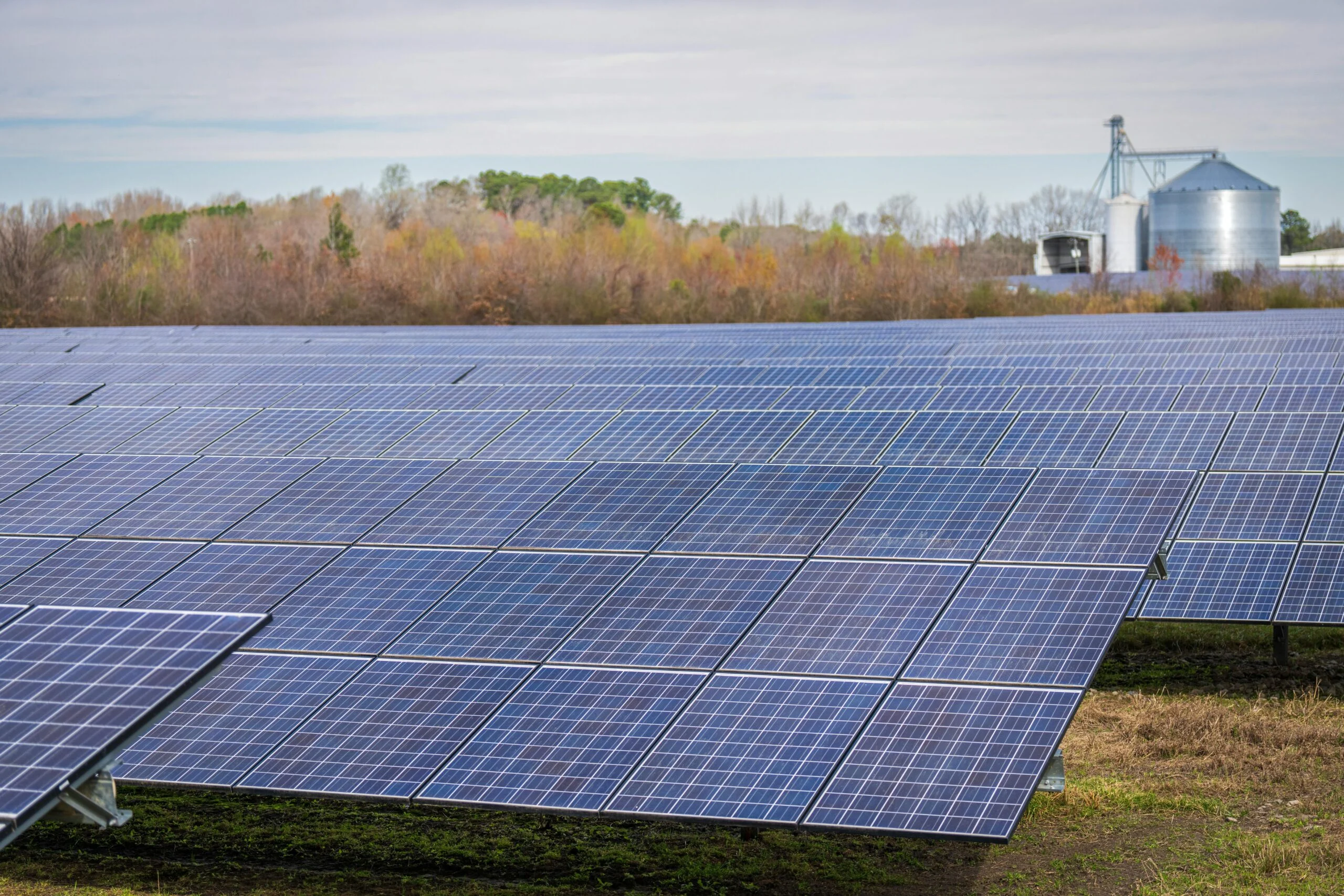
India has set one of the world’s most ambitious renewable energy targets: 500 GW of non-fossil fuel capacity by 2030. As of early 2026, the country has crossed 200 GW of installed renewable capacity, making it the fourth-largest renewable energy producer globally. But this growth isn’t uniform, some states are racing ahead while others lag behind.
The scale of India’s clean energy transformation is difficult to overstate. A decade ago, renewable energy contributed less than 15% of India’s installed power capacity. Today, it accounts for over 40%, and the trajectory is steep. India added more solar capacity in 2025 alone than most countries have in total. The cost of solar electricity has fallen by over 90% since 2010, making it the cheapest source of new electricity generation in most of India. Wind energy costs have dropped similarly. The economic argument for clean energy has been settled decisively in India: renewables are now cheaper than new coal-fired power plants, and in many cases cheaper than running existing coal plants.
But India’s clean energy story is fundamentally a story about states. Energy is a concurrent subject in India’s constitution, meaning that both central and state governments have jurisdiction. The central government sets national targets, creates financial incentives, and builds inter-state transmission infrastructure. But land allocation, environmental clearances, grid connectivity at the distribution level, and power purchase agreements are all state-level decisions. This means that the pace and character of the clean energy transition varies enormously from state to state, driven by differences in political will, institutional capacity, natural resource endowment, and economic structure.
1. Rajasthan, The Solar Capital
Rajasthan leads India in solar energy capacity with over 20 GW installed. The Thar Desert’s abundant sunshine, averaging over 300 clear days per year, makes it ideal for large-scale solar parks. The Bhadla Solar Park, one of the world’s largest, spans over 14,000 acres and generates more than 2,245 MW. The state government has streamlined land allotment for solar projects and offers single-window clearance for developers. Rajasthan’s solar success has generated significant employment in rural areas where economic opportunities were previously scarce, with thousands of jobs in panel installation, maintenance, security, and related services. The state is also pioneering agrivoltaics, where solar panels are elevated above farmland, allowing simultaneous agriculture and power generation, addressing the land-use tension that constrains solar deployment in more densely populated states.
2. Gujarat, The Renewable Pioneer
Gujarat was India’s first state to introduce a dedicated solar policy back in 2009, and that early-mover advantage has compounded over time. Today it leads in both solar rooftop installations and has significant wind energy capacity along its long coastline. The Kutch region hosts massive wind farms, while the state’s residential solar rooftop scheme, Surya Gujarat, has made Gujarat a model for decentralized clean energy. Gujarat’s most innovative project may be the world’s largest hybrid renewable energy park being developed in the Kutch region, combining solar and wind generation on the same site with integrated battery storage. The state is also home to India’s first commercial-scale floating solar plant on the Narmada canal, an approach that generates electricity while reducing water evaporation from irrigation infrastructure.
3. Tamil Nadu, Wind Energy Champion
Tamil Nadu has historically been India’s wind energy leader, with over 10 GW of wind capacity concentrated in districts like Tirunelveli, Kanyakumari, and Coimbatore. The state is now diversifying into offshore wind and solar-wind hybrid projects. Tamil Nadu also leads in attracting private investment for renewable manufacturing, with multiple companies setting up solar panel and wind turbine factories in the state’s well-established industrial corridors around Chennai, Coimbatore, and Tirunelveli. The state’s strong engineering talent pool, reliable power infrastructure, and port connectivity for component imports and finished product exports make it a natural hub for renewable energy manufacturing that serves both domestic demand and export markets across South and Southeast Asia.
4. Karnataka, The Balanced Approach
Karnataka has achieved a remarkable balance between solar, wind, and hydroelectric power. The state generates more than 60% of its electricity from renewable sources on many days. Bengaluru’s tech industry has driven corporate demand for green energy, with companies signing power purchase agreements directly with renewable generators.
5. Maharashtra, Industrial Scale
As India’s industrial powerhouse, Maharashtra has invested heavily in renewable energy to meet its massive electricity demand. The state has over 12 GW of combined solar and wind capacity, with aggressive plans to add more through floating solar projects on reservoirs and agrivoltaics. Maharashtra’s approach is distinctive because it has focused on integrating renewables into its industrial energy mix. The state’s MIDC (Maharashtra Industrial Development Corporation) zones are increasingly powered by dedicated renewable energy facilities, and the state electricity regulatory commission has been proactive in creating open access policies that allow industrial consumers to purchase renewable power directly from generators, bypassing the state distribution company.
The states doing well share common factors:
- Policy clarity: Clear renewable energy policies with long-term targets give investors confidence
- Land availability: States with abundant desert or wasteland (Rajasthan, Gujarat) can host large solar parks without displacing communities
- Grid infrastructure: Investments in transmission lines and substations to evacuate renewable power without curtailment
- Single-window clearance: Simplified approval processes that reduce project timelines from years to months
- Industrial demand: States with large industrial bases (Karnataka, Maharashtra) have built-in buyers for green power
- DISCOM financial health: States where distribution companies are financially stable can sign credible long-term power purchase agreements, which are essential for developers to secure project financing from banks and institutional investors
- Skilled workforce: States with engineering colleges and technical training institutions near renewable energy zones have been able to develop local workforces for installation, operations, and maintenance, reducing costs and creating local employment
The common thread across all leading states is institutional capacity. Building renewable energy at scale requires coordination across multiple government departments, land revenue, environment, electricity regulation, urban planning, and road transport. States that have created dedicated renewable energy agencies or empowered existing bodies to coordinate across departments have moved significantly faster than those where renewable energy remains fragmented across multiple bureaucratic silos.
Several states with high potential remain underperformers in renewable energy adoption:
- Uttar Pradesh: Despite enormous solar potential and the largest population, UP has been slow in deploying utility-scale solar. Land acquisition challenges and regulatory delays are key barriers.
- Bihar and Jharkhand: Coal-dependent economies with limited investment in renewables, though small-scale solar is growing in rural Bihar.
- Northeast states: Rich in hydroelectric potential but projects face environmental and social clearance challenges.
- West Bengal: Despite reasonable solar potential and a large population, West Bengal has been relatively slow in utility-scale solar deployment, though rooftop solar programs have gained momentum in urban areas.
- Madhya Pradesh: Has significant solar potential and some large solar parks, but policy inconsistency and distribution company financial health have slowed the pace of deployment compared to neighboring Rajasthan and Gujarat.
The gap between leading and lagging states is not merely a matter of natural resource endowment. Uttar Pradesh has solar irradiance levels comparable to parts of Rajasthan, yet its installed solar capacity is a fraction of Rajasthan’s. The difference is institutional: land acquisition processes, regulatory efficiency, distribution company financial health, and political commitment to the clean energy transition all play decisive roles. States where distribution companies (DISCOMs) are financially distressed are particularly challenged, because DISCOMs are the primary purchasers of renewable power, and financially weak utilities cannot sign credible long-term power purchase agreements that developers need to secure project financing.
India’s next frontier is energy storage. Solar and wind are intermittent, the sun doesn’t always shine and wind doesn’t always blow. Battery storage, pumped hydro, and green hydrogen are critical to making renewable energy available 24/7. The government’s production-linked incentive (PLI) scheme for advanced battery manufacturing aims to build 50 GWh of domestic battery capacity by 2030.
The storage challenge becomes more acute as renewable penetration increases. When renewables account for 20% of generation, the existing grid can absorb variability relatively easily. But as India pushes toward 50% and beyond, the mismatch between when renewable energy is produced (midday for solar, variable for wind) and when it is consumed (evening peak demand) creates a fundamental system management challenge. Battery storage systems can bridge this gap for hours, but seasonal storage, maintaining energy reserves from monsoon to summer or from windy to calm periods, requires different technologies.
Pumped hydro storage, where water is pumped uphill when renewable electricity is cheap and released through turbines when demand peaks, offers the most proven large-scale storage technology. India has identified significant pumped hydro potential, with projects planned in Maharashtra, Karnataka, Tamil Nadu, and Andhra Pradesh. Green hydrogen, produced by splitting water using renewable electricity, offers a pathway to decarbonize sectors that cannot easily be electrified, including heavy industry, long-distance transportation, and chemical manufacturing. India’s National Green Hydrogen Mission, backed by over Rs 19,000 crore in government investment, aims to make India a global hub for green hydrogen production and export, leveraging the country’s increasingly cheap renewable electricity as a fundamental competitive advantage. Several major Indian industrial groups including Reliance, Adani, and NTPC have announced multi-billion dollar green hydrogen projects, signaling that the private sector sees this as a transformative business opportunity rather than merely a government mandate.
The Grid Transformation Challenge
India’s electricity grid was designed for a world where large thermal power plants generated steady baseload power distributed through a hub-and-spoke transmission network. The clean energy transition is fundamentally changing this model. Renewable generation is distributed across thousands of locations rather than concentrated in a few large plants. Power flow is increasingly bidirectional as rooftop solar owners feed surplus electricity back into the grid. And the variability of renewable generation requires much more sophisticated real-time grid management.
The central government’s Green Energy Corridor program is investing heavily in inter-state transmission infrastructure to move renewable power from resource-rich states like Rajasthan and Gujarat to demand centers in the north and east. Without these transmission corridors, renewable-rich states face curtailment, where generated electricity is wasted because it cannot reach consumers, while demand-heavy states continue burning coal for power they could have sourced from clean energy hundreds of kilometers away.
Smart grid technology, including advanced metering infrastructure, real-time load management, and AI-powered demand forecasting, is being deployed across Indian states to manage the complexity of a grid with high renewable penetration. The transition from a grid designed for predictable coal-fired generation to one that can handle variable, distributed renewable generation is one of the largest infrastructure transformation projects in Indian history.
The inter-state dimension of grid transformation adds political complexity. Rajasthan and Gujarat produce far more renewable energy than they consume locally, while states like Uttar Pradesh and Bihar are net electricity importers. The economics favor moving cheap renewable power from west to east, but political considerations around energy sovereignty, job creation, and revenue sharing complicate what should be straightforward technical decisions. The central government’s role as coordinator and infrastructure builder is critical, but progress depends on the willingness of state governments to cooperate on issues where their immediate interests may not align.
Rooftop Solar: The Decentralized Revolution
While utility-scale solar parks dominate the capacity numbers, rooftop solar represents a fundamentally different model of clean energy deployment. The central government’s PM Surya Ghar scheme aims to install rooftop solar on 10 million households, providing free electricity up to 300 units per month and enabling surplus generation to be sold back to the grid. This decentralized model has several advantages over utility-scale projects: it requires no additional land, reduces transmission losses by generating electricity where it is consumed, and empowers individual households and businesses to become energy producers rather than passive consumers.
Gujarat and Maharashtra lead in rooftop solar installations, driven by a combination of state subsidies, net metering policies that allow solar owners to offset their electricity bills, and growing awareness among homeowners of the financial benefits. Commercial and industrial rooftop solar has grown even faster, as businesses recognize that solar panels on factory roofs and warehouses can reduce electricity costs by 30-50% compared to grid power. The challenge for rooftop solar is primarily one of financing and awareness. Many households, particularly in smaller cities and towns, are unaware of the subsidy schemes available to them, and the upfront cost, even with subsidies, remains a barrier for lower-income households. Innovative financing models including zero-down-payment solar leases, community solar programs where multiple households share a single installation, and on-bill financing where solar costs are repaid through electricity savings are emerging to address these barriers. The growth potential is enormous: India has an estimated 400 GW of rooftop solar potential, of which less than 15 GW has been installed so far. Unlocking even a fraction of this potential would transform India’s electricity landscape while empowering millions of households to reduce their energy costs and carbon footprint simultaneously.
Jobs and Economic Transformation
India’s clean energy transition is creating a new industrial ecosystem that extends far beyond electricity generation. Solar panel manufacturing, driven by the PLI scheme, is attracting billions of dollars in investment with factories being built in Gujarat, Rajasthan, Tamil Nadu, and Andhra Pradesh. Wind turbine manufacturing, already well-established in India through companies like Suzlon and Inox Wind, is expanding to meet domestic and export demand. Battery manufacturing, the critical technology for energy storage, is attracting investment from both Indian companies and global giants who see India as a strategic manufacturing hub.
The employment impact is significant and growing. The Council on Energy, Environment and Water estimates that India’s renewable energy sector could employ over 3.4 million people by 2030 across manufacturing, installation, operation, and maintenance. This would make clean energy one of India’s largest employment-generating sectors, comparable to the IT industry in its economic significance though distributed far more widely across the country’s geography. These jobs span the skill spectrum from engineering and project management to installation technicians and security guards at solar parks. For states like Rajasthan, where solar parks are being built on previously unproductive desert land, the economic transformation is visible at the village level: new roads, improved electricity access, small businesses serving solar park workers, and young people finding employment close to home rather than migrating to distant cities.
Solar energy has changed our village. Twenty years ago young men left for Delhi and Mumbai to find work. Now there are jobs right here, maintaining the solar park, driving for the companies, running tea stalls and repair shops. The money stays in the village.
The Coal Transition: Managing the Human Cost
India’s clean energy transition cannot be discussed honestly without addressing the coal transition. India remains the world’s second-largest coal consumer, and coal mining directly employs hundreds of thousands of workers in states like Jharkhand, Chhattisgarh, Odisha, and West Bengal. Millions more depend on coal-related economic activity indirectly. The transition from coal to renewables, while environmentally necessary, threatens the livelihoods of communities that have built their economies around coal extraction for generations.
A just transition requires proactive planning to retrain coal workers for employment in the renewable energy sector, develop alternative economic opportunities in coal-dependent regions, and provide social protection for workers and communities during the transition period. Some coal-mining states are beginning to plan for this transition, with initiatives to develop solar parks on reclaimed mine land and retrain coal workers as solar and wind technicians. But the pace of planning needs to match the pace of the energy transition itself, and so far, the just transition agenda has received less attention and investment than it deserves.
International experience from countries like Germany, which has managed coal transitions in the Ruhr Valley and eastern states, suggests that successful transitions require decades of planning and sustained investment in alternative industries, education, and infrastructure. India has the advantage of being able to learn from these experiences, but the scale of the challenge, with millions of direct and indirect coal-dependent livelihoods, is significantly larger than anything the international community has previously managed. Getting this transition right is not just an economic imperative but a social and political one, because communities that feel abandoned by the clean energy transition will become opponents of the very policies India needs to achieve its climate commitments.
What This Means for India’s Future
India’s clean energy transition is no longer a question of “if” but “how fast.” The leading states prove that with the right policies, infrastructure, and investor confidence, rapid scaling is possible. For the lagging states, the roadmap is clear: learn from the leaders, simplify approvals, and invest in grid infrastructure. The economic case is already settled: solar power in India now costs less than coal-fired electricity, making the transition not just environmentally necessary but financially smart.
The clean energy revolution is reshaping India’s relationship with energy in fundamental ways. For the first time in India’s modern history, the country has the potential to become energy self-sufficient, producing abundant electricity from domestic renewable resources rather than depending on imported coal and petroleum. This energy security dimension, often overlooked in discussions focused on climate change, is strategically significant for a country that has historically spent a large portion of its foreign exchange reserves on energy imports.
The states leading this transition are building more than power plants. They are creating ecosystems of innovation, manufacturing, and employment that will generate economic value for decades. The states that fall behind risk not just missing environmental targets but losing out on the economic opportunities that the clean energy transition is creating. The next five years will be decisive. India’s path to 500 GW of renewable capacity by 2030 requires sustained acceleration, continued policy commitment, massive grid investment, and the development of storage technologies that make renewable energy available around the clock. The momentum is real. The question now is whether India’s states can maintain it.
For more on India’s technology and innovation story, explore India’s AI infrastructure investment and our coverage of India’s unsung science heroes who are advancing climate research and renewable energy technology.
What you can do
- Share the evidenceSend this to one person who should know about this issue.Share on WhatsApp
- Give an afternoonTeach, mentor, clean up, or lend your professional skills.Ways to volunteer
- Tell us what's missingKnow a story, a fact we got wrong, or a solution worth spotlighting?Suggest a story
Politically neutral. Every claim sourced. Report a correction.

No comments yet