Should India Rethink AYUSH? The Modern vs Traditional Medicine Debate
India's push to mainstream AYUSH alongside modern medicine deserves evidence-based scrutiny. A balanced look at the benefits, risks, and the path forward for integrating traditional and modern healthcare.
Opinion | The views expressed in this article are those of the Unite4India editorial team and do not constitute medical advice.
India’s Healthcare Crossroads: Tradition Meets Evidence
India stands at a fascinating and consequential crossroads in healthcare policy. On one side lies a centuries-old tradition of Ayurveda, Yoga, Unani, Siddha, and Homeopathy, collectively known as AYUSH, systems of healing that have been woven into the fabric of Indian culture for millennia. On the other stands modern evidence-based medicine, built on clinical trials, peer-reviewed research, and rigorous pharmacological standards. The Indian government’s aggressive push to mainstream AYUSH alongside allopathic medicine is a policy decision that deserves serious, evidence-based scrutiny rather than emotional allegiance to either camp.
This is not a debate about national pride or cultural identity. It is a debate about the health outcomes of 1.4 billion people. And in that context, the stakes could not be higher. Integration of traditional and modern medicine should follow evidence, not sentiment. Let us examine the facts.
The Numbers Tell a Story: Budget, Infrastructure, and Access
The financial commitment India has made to AYUSH is striking. The AYUSH Ministry’s budget has grown from approximately Rs 1,900 crore in 2019-20 to Rs 3,650 crore in 2024-25, nearly doubling in just five years. This is not an insignificant allocation for a country where public health expenditure still hovers around 2.1% of GDP, well below the World Health Organization’s recommended threshold.
India now has over 4,000 AYUSH hospitals and more than 28,000 AYUSH dispensaries spread across the country. There are approximately 8 lakh registered AYUSH practitioners. The National AYUSH Mission (NAM) has been working to upgrade and co-locate AYUSH facilities within primary health centres and district hospitals, bringing traditional medicine directly into the mainstream healthcare delivery system.
However, these numbers must be weighed against a stark reality. India has only 1 doctor for every 1,511 people, far below the WHO-recommended ratio of 1:1,000. The country faces a shortage of roughly 600,000 allopathic doctors. Rural India, where roughly 65% of the population lives, has access to only about 25% of the country’s healthcare infrastructure. In this context, a legitimate question arises: should the growing AYUSH budget be seen as complementary healthcare investment, or does it divert resources from the urgent need to train more evidence-based medical professionals and build modern healthcare infrastructure? The challenge of resource allocation becomes even more pressing when viewed alongside India’s other developmental priorities, such as addressing the youth unemployment crisis that leaves millions without the means to afford healthcare.
The answer is not straightforward, and that is precisely why this debate matters.
The COVID-19 Episode: A Cautionary Tale
The COVID-19 pandemic laid bare both the potential and the pitfalls of India’s relationship with AYUSH. During the crisis, the AYUSH Ministry issued advisories recommending kadha (herbal decoctions), chyawanprash, turmeric milk, and specific Ayurvedic formulations as immunity boosters. While many of these traditional preparations are harmless and some may offer general wellness benefits, the language surrounding them sometimes blurred the line between supportive care and curative claims.
The most high-profile controversy centred on Patanjali Ayurved’s “Coronil” tablets. Launched in June 2020 by yoga guru Baba Ramdev’s company, Coronil was initially presented as a cure for COVID-19. The Rajasthan government issued a notice, the Indian Medical Association (IMA) raised objections, and the claim was eventually walked back. The product was later repositioned as an “immunity booster” and received a WHO GMP certificate, though this certificate pertained to manufacturing standards, not clinical efficacy against COVID-19. The distinction was frequently lost in public discourse, a pattern seen in how misinformation spreads on platforms like WhatsApp.
This episode highlighted a dangerous dynamic. When traditional medicine products are promoted in the context of a deadly pandemic without robust clinical trial data, the consequences can be severe. Patients may delay seeking evidence-based treatment, and public trust in healthcare institutions can be eroded from multiple directions. It is worth noting that several AYUSH practitioners themselves were uncomfortable with these claims, recognising that overreach hurts the credibility of traditional medicine systems.
The Regulation Gap: An Uncomfortable Truth
Perhaps the most significant issue in this entire debate is the regulatory asymmetry between AYUSH and allopathic medicines. Modern pharmaceutical drugs in India must undergo rigorous multi-phase clinical trials overseen by the Central Drugs Standard Control Organisation (CDSCO) before they can be marketed. These trials test for safety, efficacy, dosage, and side effects, often taking years and costing crores of rupees.
AYUSH drugs, however, operate under a fundamentally different regulatory framework. The Drugs and Cosmetics Act of 1940 and its subsequent rules treat classical Ayurvedic, Siddha, and Unani formulations, those mentioned in authoritative traditional texts, as generally recognised as safe and effective based on historical use. Manufacturers of these classical formulations are not required to conduct clinical trials. They need only obtain a manufacturing licence by demonstrating adherence to Good Manufacturing Practices (GMP) and referencing the relevant classical text.
This regulatory approach rests on the assumption that centuries of traditional use constitute sufficient evidence of safety and efficacy. While there is some logic to this, it is not without serious problems. Historical use does not systematically track adverse effects, drug interactions, or long-term consequences. Many classical formulations contain heavy metals like mercury, lead, and arsenic, used intentionally in processes like “rasa shastra” (Ayurvedic alchemy). A landmark 2004 study published in the Journal of the American Medical Association (JAMA) found that approximately 20% of Ayurvedic patent medicines purchased from stores in the Boston area contained potentially harmful levels of lead, mercury, or arsenic.
Proprietary AYUSH medicines, those with novel formulations not found in classical texts, do require some evidence of safety and efficacy, but the standards are less rigorous than those applied to allopathic drugs. The gap in regulatory rigour is not a minor procedural difference; it has real implications for patient safety.
The Case For Integration: Where Traditional Medicine Genuinely Shines
To present a balanced picture, it is essential to acknowledge the areas where traditional Indian medical knowledge has demonstrated genuine, evidence-backed value. Dismissing AYUSH entirely would be as intellectually dishonest as accepting it uncritically.
Yoga and Meditation: The Gold Standard of Integration
Yoga and meditation represent the most successful example of traditional Indian practices validated by modern science. The evidence base here is substantial and growing. Hundreds of randomised controlled trials (RCTs) and systematic reviews have documented the benefits of yoga for chronic lower back pain, anxiety, depression, stress management, cardiovascular risk factors, and quality of life in cancer patients. The National Institutes of Health (NIH) in the United States recognises yoga as a complementary health approach. Mindfulness-based stress reduction (MBSR), which draws heavily on Buddhist and yogic meditation traditions, is now used in mainstream clinical settings worldwide.
India’s promotion of yoga on the global stage, including the establishment of International Yoga Day, is arguably one of the country’s most significant soft power achievements. This is traditional knowledge that has been validated through rigorous scientific methodology and genuinely benefits millions of people worldwide.
Ayurvedic Nutrition and Lifestyle Principles
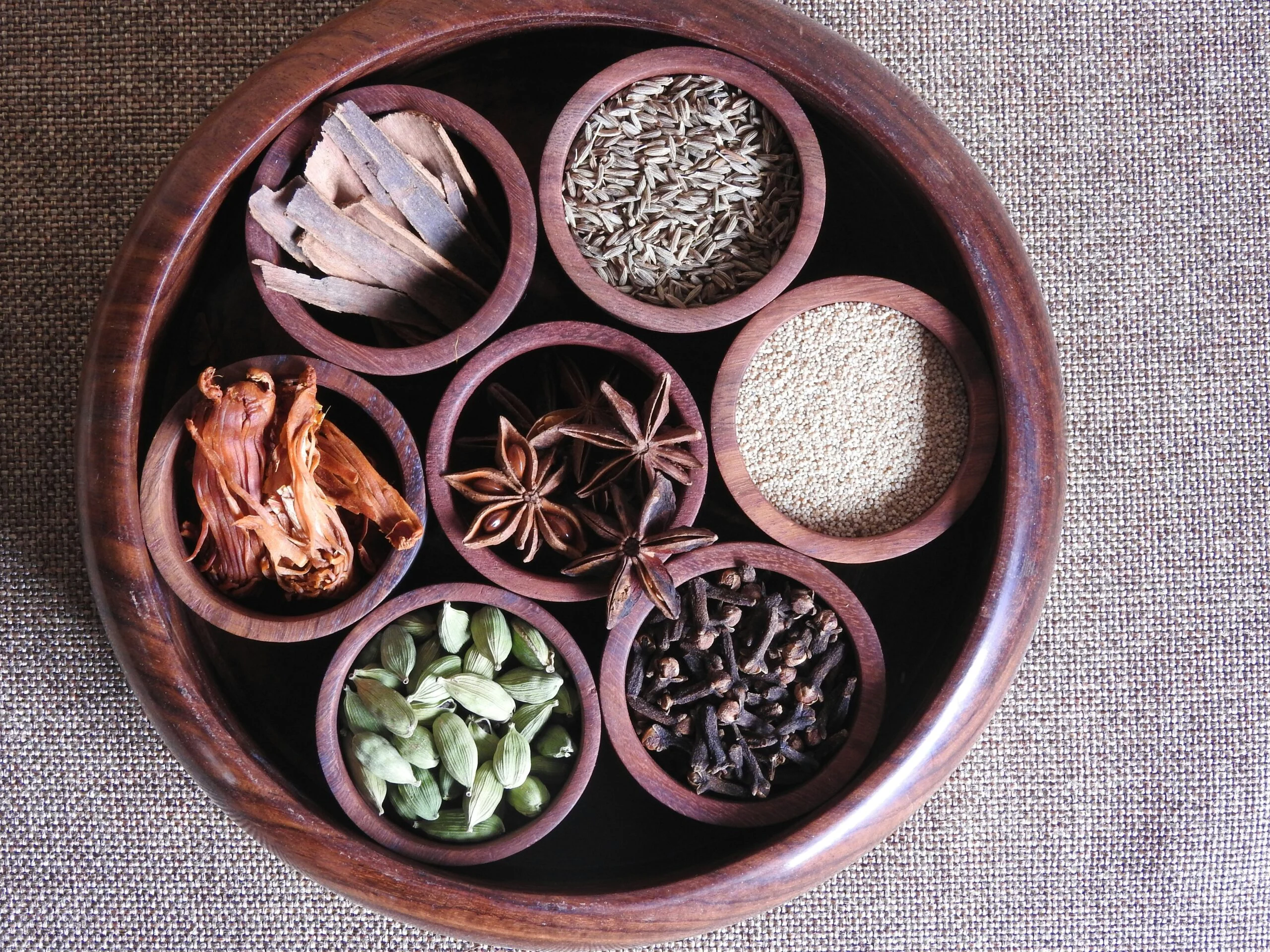
Many Ayurvedic dietary principles align well with modern nutritional science. The emphasis on whole, seasonal, locally sourced foods; the use of anti-inflammatory spices like turmeric (curcumin), ginger, and black pepper; the importance placed on digestive health; and the holistic view of diet as connected to overall wellbeing, these are concepts that modern nutrition research increasingly validates. Turmeric’s active compound, curcumin, has been the subject of thousands of published studies exploring its anti-inflammatory and antioxidant properties.
The traditional Indian dietary framework, with its emphasis on plant-based foods, fermented preparations like curd and idli, and the therapeutic use of spices, offers a wealth of nutritional wisdom that modern science is only beginning to fully explore and validate. Understanding these principles is especially relevant in the context of India’s ongoing child malnutrition crisis.
Filling the Access Gap
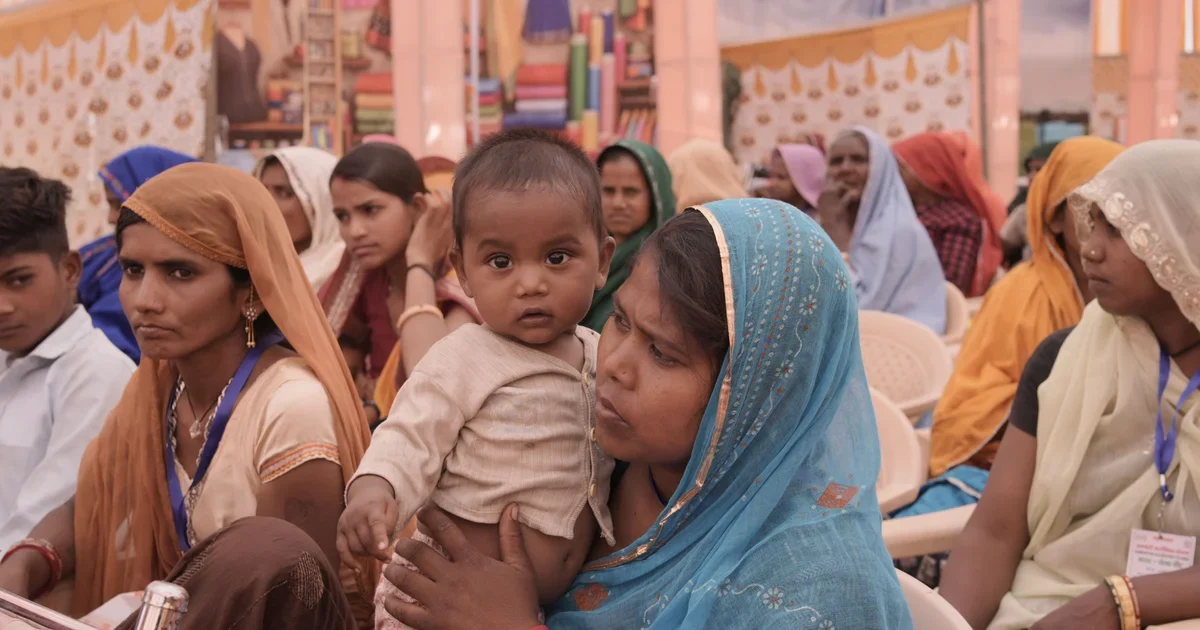
In the vast stretches of rural and tribal India where modern healthcare facilities are scarce or non-existent, AYUSH practitioners often serve as the primary, and sometimes only, healthcare providers. There are remote districts where the nearest allopathic doctor is hours away, but an Ayurvedic or Unani practitioner is available within the village. In these contexts, AYUSH does not compete with modern medicine; it fills a vacuum that modern medicine has failed to reach.
Moreover, the cultural familiarity and trust that many communities have with traditional healers can be leveraged to improve health literacy, encourage preventive care, and serve as a bridge to the formal healthcare system. AYUSH practitioners who are properly trained to recognise conditions requiring modern medical intervention can serve as valuable first responders and referral points in underserved areas.
Traditional Knowledge as Pharmaceutical Treasure
India’s traditional medical texts represent a genuine treasure trove of pharmacological leads. Some of the most important drugs in modern medicine have their origins in traditional plant-based remedies. Artemisinin, the Nobel Prize-winning antimalarial drug, was derived from traditional Chinese medicine. Reserpine, used for hypertension, came from the Indian plant Rauwolfia serpentina, long used in Ayurveda. The potential for discovering new drugs by systematically investigating traditional formulations through modern pharmacological methods is enormous and largely untapped.
The Counterpoints: Concerns That Cannot Be Ignored
While the case for thoughtful integration has merit, several serious concerns must be addressed honestly if traditional medicine is to be responsibly incorporated into India’s healthcare framework.
Heavy Metal Contamination: A Persistent Safety Concern
The JAMA study mentioned earlier is not an isolated finding. Multiple subsequent studies have confirmed that a significant proportion of Ayurvedic products, both those manufactured in India and those sold internationally, contain potentially toxic levels of heavy metals. A 2008 follow-up study, also published in JAMA, found that approximately 21% of US-manufactured and Indian-manufactured Ayurvedic medicines purchased via the internet contained detectable lead, mercury, or arsenic. Several of these exceeded safe limits by significant margins.
In traditional Ayurvedic practice, metals are processed through elaborate purification procedures (“shodhana”) believed to render them safe. However, the scientific evidence that these traditional purification methods consistently eliminate toxicity to safe levels is not robust. Cases of heavy metal poisoning from Ayurvedic medicines continue to be reported in medical literature worldwide. This is not a theoretical concern; it is a documented patient safety issue that demands stronger regulatory oversight, standardised testing, and quality control measures.
Delayed Evidence-Based Treatment: The Hidden Cost
One of the most insidious risks of promoting AYUSH as equivalent to modern medicine is the potential for patients to delay or forgo evidence-based treatment for serious conditions. When a patient with early-stage cancer chooses Ayurvedic treatment over surgery and chemotherapy, or when a diabetic relies solely on herbal remedies instead of insulin, the consequences can be devastating and irreversible.
This is not a hypothetical scenario. Oncologists, cardiologists, and other specialists across India regularly encounter patients who present with advanced disease after spending months or years pursuing alternative treatments. The human cost of these delayed interventions is difficult to quantify but impossible to ignore.
The Bridge Course Controversy
In 2018, the Indian Medical Association (IMA) went on a nationwide strike to protest a government proposal for “bridge courses” that would allow AYUSH practitioners to prescribe allopathic medicines after a short training programme. The IMA argued that this effectively created a pathway for practitioners without the rigorous medical training of MBBS graduates to prescribe modern drugs, potentially endangering patients.
While the government’s intent was partly to address the acute shortage of doctors in rural areas, the concern is legitimate. Modern pharmacology is complex. Understanding drug interactions, contraindications, dosage adjustments for different patient populations, and the management of adverse effects requires extensive training. A bridge course of a few months cannot substitute for the years of pharmacological education that allopathic medical training provides. The proposal was eventually shelved, but it revealed the tension inherent in the government’s push for AYUSH mainstreaming.
Placebo Effect vs Real Efficacy: The Need for Rigorous RCTs
A fundamental challenge in evaluating traditional medicine is distinguishing genuine therapeutic efficacy from the placebo effect. The placebo effect is powerful; studies have shown that up to 30% of patients experience improvement from placebo treatments, particularly for subjective symptoms like pain, fatigue, and anxiety. Traditional medicine consultations, which typically involve longer patient interactions, personalised attention, and holistic lifestyle advice, may amplify this effect.
This is not to say that all AYUSH treatments are placebos. Some clearly have pharmacological activity. But without rigorous, double-blinded, randomised controlled trials, it is impossible to determine which treatments offer benefits beyond placebo and which do not. The argument that RCTs are a “Western” methodology inappropriate for evaluating traditional systems is intellectually untenable. RCTs are simply a method for controlling for bias and confounding variables. If a treatment truly works, it should be demonstrable through rigorous testing, regardless of its cultural origin.
India has made some progress here. The Central Council for Research in Ayurvedic Sciences (CCRAS) and similar bodies have conducted clinical studies on various AYUSH formulations. However, many of these studies suffer from small sample sizes, inadequate blinding, lack of proper control groups, and other methodological limitations. The quality and quantity of clinical evidence for most AYUSH interventions remains far below what is required for confident clinical recommendations.
International Perspectives: How Other Countries Handle Traditional Medicine
India is not alone in grappling with the integration of traditional and modern medicine. China, with its parallel system of Traditional Chinese Medicine (TCM), offers both instructive parallels and cautionary lessons. China has invested heavily in TCM research, including the establishment of dedicated research hospitals and the conduct of clinical trials. The discovery of artemisinin emerged from a systematic, government-funded programme to investigate traditional remedies. However, China has also faced criticism for promoting TCM products without adequate evidence, and for the environmental damage caused by the harvesting of endangered species for traditional remedies.
Germany’s Commission E model is often cited as a more rigorous approach. The German Federal Institute for Drugs and Medical Devices established a commission that systematically evaluated herbal medicines, publishing monographs that documented evidence for safety and efficacy. Products that passed this evaluation were approved for specific therapeutic uses; those that did not were restricted. This evidence-based framework for evaluating traditional remedies could serve as a model for India.
The World Health Organization has also articulated a position through its Traditional Medicine Strategy 2014-2023 (extended to 2025), which encourages member states to integrate traditional medicine into national health systems but explicitly emphasises the need for evidence-based approaches, quality control, and patient safety. India’s AYUSH policy would benefit from more closely aligning with these WHO principles.
What Would Evidence-Based Integration Look Like?
If India is serious about integrating traditional and modern medicine responsibly, several concrete steps are necessary.
First, mandatory clinical trials for therapeutic claims. Any AYUSH product marketed with specific therapeutic claims, as opposed to general wellness claims, should be required to undergo clinical trials comparable in rigour to those required for allopathic drugs. Classical formulations should not be exempt simply because they are mentioned in historical texts. Historical use is a starting point for investigation, not a substitute for evidence.
Second, mandatory heavy metal and contaminant testing. All commercially manufactured AYUSH products should undergo standardised testing for heavy metals, pesticide residues, and microbial contaminants, with results publicly available. Products exceeding safe limits should be immediately withdrawn from the market.
Third, honest communication about the scope of practice. AYUSH practitioners should be trained to recognise conditions that require modern medical intervention and to refer patients accordingly. Clear guidelines should delineate which conditions can be safely managed with AYUSH treatments and which require immediate allopathic care. Emergency conditions, infectious diseases requiring antibiotics, cancers, and conditions requiring surgical intervention should never be managed solely with traditional medicine.
Fourth, invest in high-quality research. India should establish world-class research institutions dedicated to investigating traditional formulations using modern pharmacological methods. The goal should not be to “prove” that Ayurveda works but to identify which specific treatments work, for which conditions, at what doses, and with what safety profiles. This approach would genuinely honour the traditional knowledge system by subjecting it to the same standards of evidence that govern all modern medical practice.
Fifth, separate wellness from medicine. There is a meaningful distinction between wellness practices (yoga, meditation, dietary guidance, lifestyle modification) and medical treatments (drugs, surgical procedures, therapeutic interventions). India should aggressively promote evidence-backed wellness practices from its traditional systems while holding therapeutic claims to the same evidentiary standards as any other medical treatment.
Conclusion: Validate, Do Not Just Mainstream
India’s traditional medical heritage is a genuine national asset. The knowledge embedded in Ayurveda, Yoga, Siddha, and Unani systems represents centuries of empirical observation and accumulated wisdom about health, disease, and the human body. This heritage deserves respect, preservation, and serious scientific investigation.
But respect for tradition does not require suspending critical thinking. The greatest service India can do for its traditional medicine systems is to subject them to the same rigorous scientific scrutiny that has made modern medicine so effective. Treatments that pass this scrutiny will be validated and can be confidently recommended to patients worldwide, a tremendous achievement for Indian science and culture. Treatments that do not pass should be honestly acknowledged as unproven.
The current approach of mainstreaming AYUSH on the basis of cultural pride and historical tradition, without commensurate investment in rigorous clinical evidence, risks the worst of both worlds: it undermines public trust in evidence-based medicine without establishing genuine confidence in traditional treatments. Patients deserve better than being caught between ideological camps.
India should validate its traditional medicine through proper clinical trials, enforce stringent safety standards, and promote evidence-backed wellness practices vigorously, while being honest about what remains unproven. That is not anti-AYUSH; it is pro-science and pro-patient. And ultimately, it is the path most likely to bring genuine global credibility to India’s extraordinary medical heritage.
Views expressed are of the Unite4India editorial team and do not constitute medical advice. Readers are encouraged to consult qualified medical professionals for health decisions.
What you can do
- Get help nowTele-MANAS is the government's free tele-mental health helpline, in languages across states.Call 14416
- Share the evidenceSend this to one person who should know about health.Share on WhatsApp
- Give an afternoonTeach, mentor, clean up, or lend your professional skills.Ways to volunteer
- Tell us what's missingKnow a story, a fact we got wrong, or a solution worth spotlighting?Suggest a story
Politically neutral. Every claim sourced. Report a correction.


No comments yet