One Nation, Many Flavors: How India's Food Heritage Unites a Diverse Country
Explore how India's regional cuisines, street food culture, festival foods, and Ayurvedic traditions create a shared heritage that unites 1.4 billion people across 28 states.
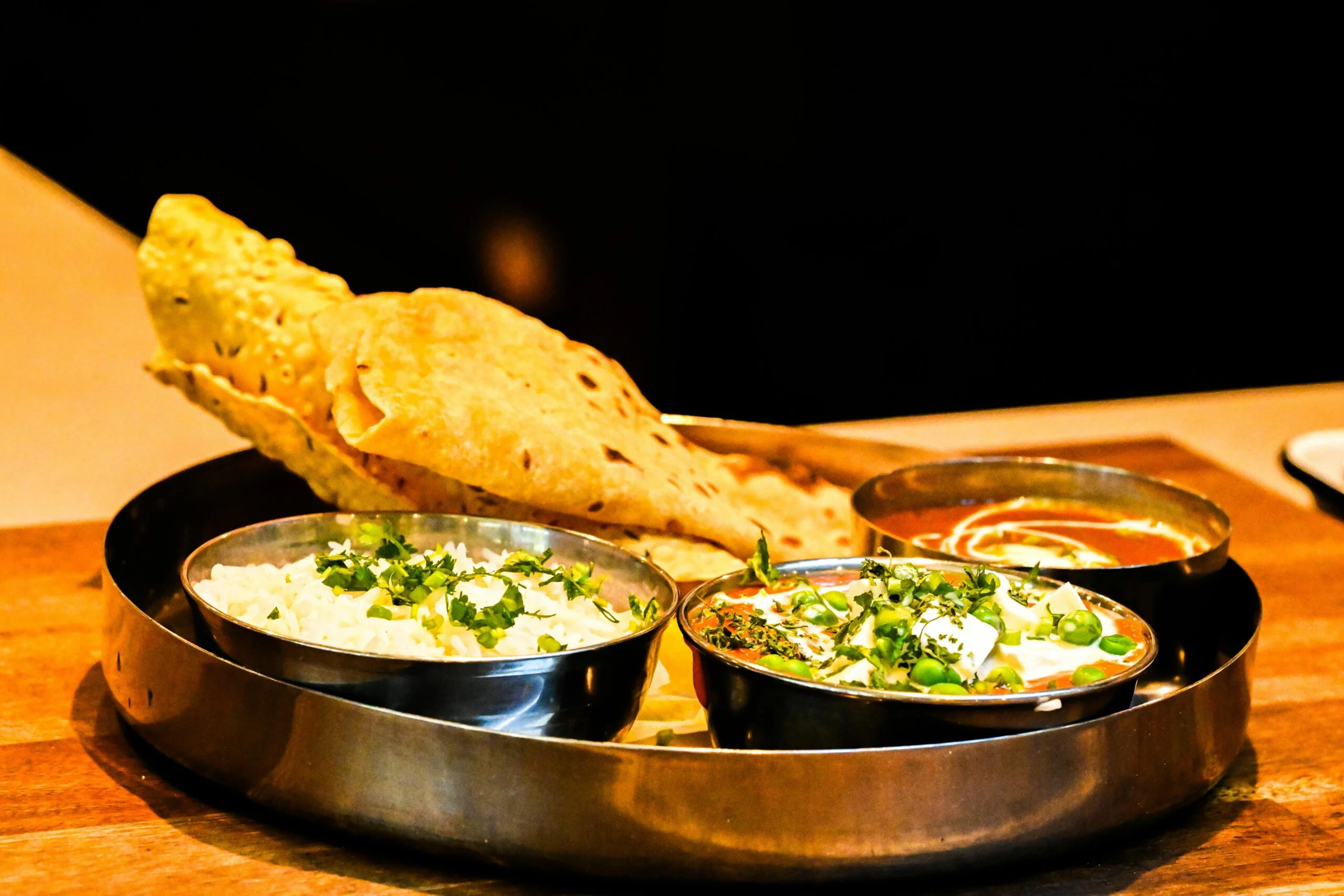
India is home to over 1.4 billion people, 28 states, 8 union territories, and hundreds of distinct ethnic communities. Yet ask anyone what ties this vast nation together, and the answer often circles back to food. From the fragrant biryanis of Hyderabad to the tangy fish curries of Kerala, from Kolkata’s puchkas to Delhi’s paranthas, Indian food heritage tells a story of shared culture that transcends borders, languages, and religions.
Food historian K.T. Achaya, in his landmark book Indian Food: A Historical Companion, wrote that Indian cuisine is “not one food tradition but many, woven together by geography, climate, trade, and the movement of peoples over millennia.” That observation remains as true today as it was when the Indus Valley civilization was cultivating wheat and barley nearly 5,000 years ago. Indian food heritage is a living, evolving archive of the country’s history, spirituality, and communal life.
The Geography of Taste: Regional Cuisines Across India
India’s culinary landscape is shaped by its geography. The snow-capped Himalayas, the Thar Desert, the Western and Eastern Ghats, the Gangetic plains, and thousands of kilometers of coastline create microclimates that determine what grows, what is cooked, and how it is eaten. Understanding Indian food heritage requires a journey through these regions.
North India: Wheat, Dairy, and Mughlai Grandeur
The fertile Indo-Gangetic plains of Punjab, Haryana, and Uttar Pradesh produce wheat in abundance, making rotis, naans, and paranthas the staple bread of the north. Dairy plays a central role: ghee, paneer, yogurt, and lassi appear in nearly every meal. The Mughal courts in Delhi, Lucknow, and Agra left behind a legacy of slow-cooked curries, kebabs, and biryanis that define Mughlai cuisine.
- Awadhi cuisine from Lucknow uses the dum pukht technique of slow cooking in sealed vessels, producing galouti kebab and Lucknowi biryani
- Rajasthani cuisine uses dried ingredients to create dal baati churma, ker sangri, and gatte ki sabzi despite the arid landscape
- Kashmiri wazwan is a multi-course feast of up to 36 dishes including rogan josh, gushtaba, and yakhni, served during weddings
According to food writer Anissa Helou, “Kashmir’s wazwan is one of the world’s great feast traditions, a ritual that has survived centuries of political upheaval because it is inseparable from Kashmiri identity.”
South India: Rice, Coconut, and Spice
Cross the Vindhya Range and the culinary grammar changes entirely. Rice replaces wheat as the primary grain. Coconut oil replaces ghee. Tamarind and curry leaves provide the flavor base instead of cream and dried fruits.
- Tamil Nadu’s Chettinad cuisine is celebrated for bold spice blends using kalpasi (stone flower) and marathi mokku (dried flower pods)
- Kerala’s Malabar coast produces fish moilee, appam with stew, and the iconic Kerala sadya served on banana leaves during Onam
- Karnataka offers Udupi’s strict vegetarian temple food alongside Coorg’s pork-heavy Kodava cuisine
- Andhra Pradesh and Telangana are known for fiery heat with the Guntur chili, gongura mutton, and hyderabadi biryani
Pushpesh Pant, author of India: The Cookbook, notes that “South Indian cuisine demonstrates that vegetarian food can be as complex, layered, and satisfying as any meat-based tradition on earth.”
East India: Fish, Rice, and the Sweet Tooth
Bengal, Odisha, Jharkhand, and Bihar form a culinary region bound by rice and fish. The Bengali phrase “machhe bhaate Bangali” (fish and rice make a Bengali) captures this identity perfectly. Bengal’s kitchen produces mustard-spiked hilsa preparations, prawn malai curry, and an astonishing range of sweets: rasgulla, sandesh, mishti doi, and chom chom.
Kolkata’s food culture is shaped by its cosmopolitan history: Anglo-Indian railway mutton curry, Chinese-inflected chili chicken from Tangra’s Chinatown, and Mughlai parathas from street stalls all coexist. Odisha offers temple cuisine from the Jagannath Temple in Puri, where the Mahaprasad is cooked for thousands daily using traditional methods unchanged for centuries. Bihar’s litti chokha has gained national recognition as a humble yet deeply satisfying dish.
West India: The Coastal and Desert Contrast
Western India encompasses the seafood-rich Konkan coast, Gujarat’s vegetarian traditions, and Goa’s Portuguese-influenced cuisine. Goan vindaloo, originally derived from the Portuguese “carne de vinha d’alhos” (meat in garlic wine), has become a global ambassador for Indian cooking. Maharashtrian cuisine ranges from fiery kolhapuri preparations to Mumbai’s vada pav.
Gujarat stands out as one of India’s most committed vegetarian states. The Gujarati thali balances sweet, sour, salty, and spicy dishes simultaneously, reflecting an Ayurvedic approach to meal balance. Dishes like dhokla, thepla, undhiyu, and handvo showcase a cuisine built on fermentation, seasonal produce, and nutritional balance.
Northeast India: The Forgotten Frontier of Flavor
The seven sister states plus Sikkim constitute India’s most underappreciated culinary region.
- Nagaland: Smoked pork with bamboo shoot, axone (fermented soybean), and the infamous bhut jolokia (ghost pepper)
- Manipur: Eromba, a mashed vegetable and fermented fish preparation
- Assam: Khar (made with banana peel ash), masor tenga (sour fish curry), and pitha (rice cakes)
- Meghalaya: Jadoh, a Khasi pork and rice dish with turmeric and bay leaves
As chef and food writer Hoihnu Hauzel has documented, “Northeastern cuisine is India’s best-kept culinary secret, a tradition built on fermentation, smoking, and an intimate relationship with the forest and the river.”
Street Food: The Great Equalizer
If regional cuisine reflects India’s diversity, street food reflects its unity. A chaat stall in any Indian city draws customers from every class, caste, and community. The shared experience of standing at a roadside cart, plate in hand, eating pani puri or bhel puri is a democratic ritual that levels social hierarchies.
According to a 2023 report by the National Restaurant Association of India (NRAI), India’s street food economy is valued at approximately Rs 2.5 lakh crore (about $30 billion), employing over 10 million vendors. Every city has its signature street food:
- Mumbai: Vada pav and pav bhaji
- Delhi: Chole bhature and golgappe
- Kolkata: Kathi rolls and jhalmuri
- Lucknow: Tunday kebabs
- Ahmedabad: Fafda-jalebi
- Indore: Poha-jalebi
- Bangalore: Masala dosa from Vidyarthi Bhavan
Street food also serves as a vehicle for cultural exchange. Kolkata’s kathi roll was invented at Nizam’s restaurant in the 1930s, wrapping Mughlai kebabs in paranthas for British customers who did not want greasy fingers. Mumbai’s vada pav emerged in the 1960s and 1970s as affordable fuel for the city’s mill workers. These foods were not designed by chefs in formal kitchens but by working people solving practical problems.
Festival Foods: Celebrating Through Cooking
India’s religious and seasonal festivals are inseparable from food. Each celebration has its designated dishes, and preparing them together is as important as eating them. These Indian food heritage traditions cut across religious lines, creating shared cultural moments.
- Diwali: Nationwide exchange of ladoos, barfi, karanji, and shakarpara
- Eid: Sheer khurma, biryani, and haleem shared with neighbors regardless of religion
- Pongal: First rice of the new crop cooked with milk, jaggery, and ghee in Tamil Nadu
- Onam: The 26-dish vegetarian sadya feast in Kerala
- Baisakhi: Makki ki roti and sarson ka saag celebrating Punjab’s wheat harvest
- Bihu: Pitha and laru rice-based sweets marking the Assamese harvest season
- Makar Sankranti: Sesame and jaggery preparations with regional variations (til gul in Maharashtra, tilkut in Bihar)
Food anthropologist Kurush Dalal has observed that “Indian festival food is the country’s most powerful form of soft diplomacy. When a Hindu family sends Diwali sweets to a Muslim neighbor, or when a Christian household shares Christmas cake with everyone on the street, food becomes the language of coexistence.”
Ayurveda and the Philosophy of Eating
Indian food heritage is rooted in a philosophical framework that predates modern nutrition science by thousands of years. Ayurveda, the ancient Indian system of medicine, classifies foods according to their effect on the body’s three doshas (vata, pitta, kapha) and prescribes eating patterns based on individual constitution, season, and time of day. The relationship between food and health in Indian culture connects to broader questions about public health and well-being across the country.
The Ayurvedic concept of shad rasa (six tastes) holds that every meal should include all six tastes for optimal digestion:
- Sweet (madhura)
- Sour (amla)
- Salty (lavana)
- Bitter (tikta)
- Pungent (katu)
- Astringent (kashaya)
This principle is visibly reflected in the structure of an Indian thali, which presents multiple dishes with contrasting flavors designed to be eaten together. The Gujarati thali, the Kerala sadya, and the Rajasthani thali all follow this logic, balancing taste, nutrition, and digestive function in a single meal.
Turmeric, ginger, cumin, and black pepper are not just flavor agents but are recognized in Ayurveda as medicinal ingredients. Modern research has validated many of these claims: curcumin in turmeric has documented anti-inflammatory properties (a 2021 meta-analysis in the Journal of Medicinal Food confirmed its efficacy), while studies published in Phytotherapy Research have shown that ginger aids digestion and reduces nausea. The Indian kitchen, in many ways, has always been a pharmacy.
India’s Modern Food Revolution: Numbers That Tell a Story
India’s food industry is undergoing a transformation driven by technology, urbanization, and shifting consumer habits. The numbers paint a picture of a country where traditional food culture and modern innovation coexist.
Metric | Value | Source |
|---|---|---|
Food processing industry value (2025) | $535 billion | IBEF |
Projected value by 2030 | $760 billion | IBEF |
Food delivery market (2025) | $12.3 billion | Industry reports |
Zomato/Swiggy monthly active users | 80 million+ | Company filings |
Zomato restaurant partners | 450,000+ | Zomato 2025 |
GI-tagged food products | 120+ | DPIIT |
GI tag price premium | 15-30% | DPIIT |
Organic food market (2025) | $2.3 billion | ASSOCHAM |
Spice exports FY 2024-25 | $4.3 billion | Ministry of Commerce |
India’s Geographical Indication (GI) tag system has become a powerful tool for protecting and promoting regional food identities. As of early 2026, GI-tagged products include Darjeeling tea, Alphonso mango from Ratnagiri, Banaras langda mango, Ratlami sev, Hyderabad haleem, Dharwad pedha, Mahabaleshwar strawberry, and Kadaknath chicken from Madhya Pradesh.
The National Millet Mission launched in 2023 (following the UN’s International Year of Millets) has revived interest in traditional grains like ragi, jowar, bajra, and foxtail millet. India is now the world’s largest producer of organic millets, reconnecting modern consumers with grains that were staples of Indian agriculture before the Green Revolution shifted focus to wheat and rice.
Expert Voices: What Food Historians and Chefs Say
The idea that food is India’s most powerful unifying force is echoed consistently by scholars, chefs, and cultural commentators.
“Indian cuisine is not merely sustenance. It is a language, a memory, a map. Every dish tells you where someone is from, what they believe, what season it is, and who they are cooking for. No other country’s food carries this much narrative weight.”
– Colleen Taylor Sen, food historian and author of Feasts and Fasts: A History of Food in India
“When I travel across India for my research, I find that people who disagree on politics, religion, and language will sit together and argue passionately about the correct way to make biryani. Food is the one conversation that every Indian wants to have.”
– Pushpesh Pant, food critic and author of India: The Cookbook
“The dabbawala system of Mumbai, the langar of the Golden Temple, the Mahaprasad of Puri’s Jagannath Temple: these are all expressions of the same idea, that feeding people is the highest form of service. This belief cuts across every community in India.”
– Vikram Doctor, food columnist, The Economic Times
Chef Manish Mehrotra, whose restaurant Indian Accent has featured on Asia’s 50 Best Restaurants list, has spoken about how modern Indian chefs draw inspiration from regional traditions: “We are not inventing anything new. We are going back to the villages, to the grandmothers, to the tribal kitchens, and bringing those techniques to a contemporary audience. The depth of India’s food knowledge is bottomless.”
The Langar Tradition: Feeding Without Discrimination
Perhaps the most powerful example of food as a unifying force is the Sikh institution of langar, the community kitchen that serves free meals to anyone regardless of caste, class, or creed. The Golden Temple in Amritsar serves an estimated 75,000 to 100,000 meals daily, making it the largest free kitchen in the world. Volunteers from all backgrounds cook, serve, and clean together, embodying the principle of seva (selfless service). For a deeper look at how this tradition is transforming communities, read our feature on the power of community kitchens and how langar feeds millions across India.
This tradition has inspired similar models across the country:
- Akshaya Patra Foundation: Serves mid-day meals to over 2 million schoolchildren daily across 21 states
- Amma Unavagam (Amma Canteen): Provides subsidized meals at Rs 5-10 in Tamil Nadu, serving lakhs daily
These initiatives demonstrate that the Indian belief in communal feeding is not just spiritual but deeply practical, addressing food security through collective action.
Food as Cultural Diplomacy
Indian food heritage has become a global ambassador for the country. According to the Ministry of Commerce, India exported spices worth $4.3 billion in FY 2024-25, with turmeric, chili, cumin, and pepper leading the list. Indian restaurants number over 100,000 worldwide, and dishes like butter chicken, masala dosa, and biryani regularly feature on global “best food” lists.
The Indian diaspora has played a key role in this culinary diplomacy. From London’s Brick Lane to New York’s Jackson Heights, from Singapore’s Little India to Durban’s curry mile, Indian food communities have transplanted regional food traditions around the world while adapting to local tastes and ingredients. This global presence has sparked renewed interest in Indian food heritage at home, as young Indians discover their own culinary traditions through international food media.
Preserving Food Heritage for the Future
Despite India’s rich food heritage, many traditional recipes, ingredients, and techniques face the threat of disappearing. Urbanization, changing lifestyles, and the dominance of processed food are eroding food knowledge that was once passed down through generations. Organizations like INTACH and the Slow Food movement have begun documenting endangered food traditions across the country.
The revival of millets, the growing farm-to-table movement in cities like Bangalore, Pune, and Goa, and the increasing number of food documentaries and books exploring regional cuisines are encouraging signs. Social media has also played a role: food bloggers and content creators documenting obscure regional dishes have built audiences of millions, bringing attention to traditions that were known only within their communities.
India’s food story is far from complete. It is a narrative being written daily in millions of kitchens, street stalls, temple kitchens, and family gatherings across the country. What makes this story remarkable is not just its diversity but its capacity to bring people together. In a country where divisions of language, religion, and politics can run deep, the shared act of cooking, serving, and eating remains one of the most powerful forces of unity. As the old Hindi saying goes: “Khaana khaane se rishtey bante hain” (relationships are built by sharing meals). In India, that simple truth has held civilizations together for millennia.
What you can do
- Get help nowTele-MANAS is the government's free tele-mental health helpline, in languages across states.Call 14416
- Share the evidenceSend this to one person who should know about health.Share on WhatsApp
- Back what worksVolunteer time or skills with groups doing this work.Ways to volunteer
- Tell us what's missingKnow a story, a fact we got wrong, or a solution worth spotlighting?Suggest a story
Politically neutral. Every claim sourced. Report a correction.


No comments yet