India's Rivers: The Godavari - Dakshin Ganga and Its Four-State Dispute
The Godavari does not fit neatly into a single story. It begins in the Sahyadri hills of Maharashtra near Trimbakeshwar, 1,465 kilometres from the Bay of Bengal, and by the time it splits into its delta channels near Rajamahendravaram in Andhra Pradesh, it has collected the monsoon of four states, t...
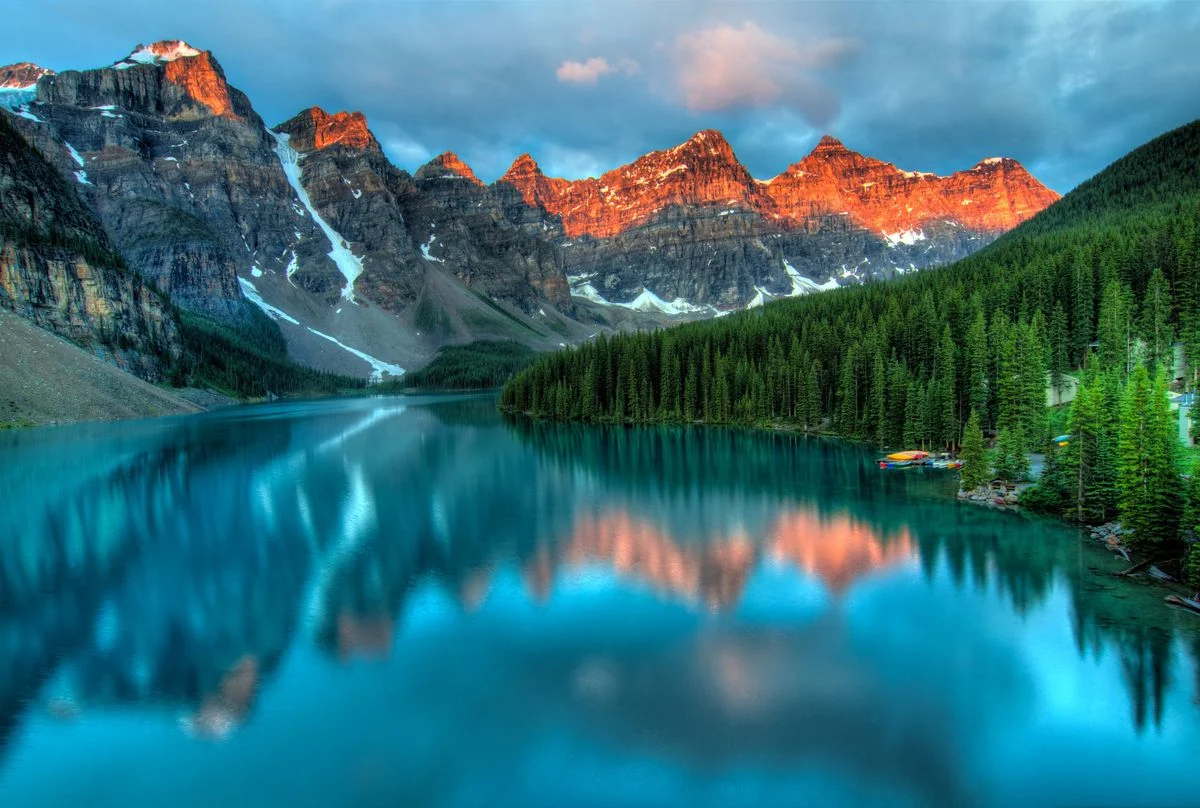
The Godavari does not fit neatly into a single story. It begins in the Sahyadri hills of Maharashtra near Trimbakeshwar, 1,465 kilometres from the Bay of Bengal, and by the time it splits into its delta channels near Rajamahendravaram in Andhra Pradesh, it has collected the monsoon of four states, the prayers of millions, the silt of eroded forests, and the legal arguments of decades of interstate water disputes. India’s second-longest river carries within it every contradiction of a developing democracy: ecological importance versus industrial extraction, sacred geography versus dam engineering, tribal displacement versus downstream irrigation.
The River’s Journey: Maharashtra to the Bay of Bengal
The Godavari rises at Trimbakeshwar, about 30 kilometres from Nashik in Maharashtra, at an elevation of roughly 1,067 metres. From there it flows east across the Deccan plateau, gathering tributaries as it goes: the Pravara, Manjra, Bindusara, Indravati, Pranhita, Sabari, and dozens of smaller streams. Each tributary brings not just water but political geography - the Pranhita drains parts of Chhattisgarh, the Indravati flows through the forests of Bastar, the Sabari marks the border of Odisha and Andhra Pradesh. By the time the Godavari reaches the Eastern Ghats and begins its descent to the coast, it drains a basin of approximately 312,812 square kilometres - roughly 10 percent of India’s total land area.
The river is sacred in Hindu tradition as “Dakshin Ganga” - the Ganga of the South. The Kumbh Mela held at Nashik every 12 years draws tens of millions of pilgrims. The river’s banks at Bhadrachalam in Telangana are associated with the Ramayana; the town of Rajamahendravaram (formerly Rajahmundry) at the head of the delta has been a centre of Telugu literature and religious practice for over a millennium. The sacred and the ecological are not separate here - the rituals performed at ghats, the flowers and offerings placed in the water, the very act of bathing in the river, are embedded in an ecological relationship between communities and water bodies that predates modern irrigation engineering by centuries.
The Four-State Dispute
Water sharing from the Godavari basin involves Maharashtra, Telangana, Andhra Pradesh, Chhattisgarh, and Odisha - five states, not four, though the active dispute has historically been concentrated among the first three. The Godavari Water Disputes Tribunal was constituted in 1969 following a request from the states concerned. Its final award, delivered in 1980, allocated water shares among the basin states and established principles for reservoir construction and inter-state water release. The award has the force of law under the Inter-State Water Disputes Act of 1956.
The dispute that has generated the most legal and political heat in recent years concerns the Polavaram project in Andhra Pradesh - a major dam and multipurpose project on the Godavari that the central government has declared a national project. Andhra Pradesh argues that Polavaram is essential for its irrigation needs and has been sanctioned under the tribunal award. Telangana and Odisha argue that the project’s reservoir levels exceed what the tribunal sanctioned and will submerge tribal villages in their territories without adequate compensation or rehabilitation. For further context on India’s water governance challenges, see our analysis of state-by-state responses to India’s water crisis.
State | Basin Area (sq km) | Tribunal Allocation (TMC) | Key Dispute |
|---|---|---|---|
Maharashtra | 152,199 | 1,122 TMC | Upper basin dams, Jayakwadi |
Andhra Pradesh | 73,201 | 1,480 TMC | Polavaram project scope |
Telangana | 79,000+ | Joint AP/Telangana after bifurcation | Post-bifurcation re-allocation |
Chhattisgarh | 39,087 | 0 (non-party initially) | Indravati tributary rights |
Odisha | 35,937 | Minimal allocation | Polavaram submergence |
Polavaram: Dam or Displacement Machine?
The Polavaram Irrigation Project is one of the most politically and legally contested dam projects in India’s history. Conceived in the 1940s, it has been in some form of planning, dispute, and partial construction for over seven decades. The project proposes to impound Godavari water to irrigate 7.2 lakh acres of farmland in Andhra Pradesh, provide drinking water to cities including Visakhapatnam, and generate 960 MW of hydropower. It is framed by its proponents as essential to Andhra Pradesh’s water security, particularly after the bifurcation of 2014 that separated the Krishna basin headwaters-rich Telangana from the coastal Andhra region.
The displacement figures are what make Polavaram a flashpoint. Government estimates put the number of people to be displaced at around 1.05 lakh. Independent assessments by researchers and civil society organisations consistently put the figure significantly higher. The submergence zone includes substantial portions of tribal districts in Telangana and Odisha - areas with significant populations of Koya, Kondareddi, Gondi, and other Adivasi communities who have lived along the Godavari’s banks and relied on forest and river resources for generations. The Fifth Schedule to the Constitution provides special protections for Scheduled Tribe lands, and the applicability of the Forest Rights Act 2006 to the project’s submergence villages has been a matter of sustained legal dispute in the National Green Tribunal and Supreme Court. The rehabilitation process has been criticised by affected community organisations as inadequate, slow, and poorly monitored.
The Adivasi Communities of the Godavari Basin
The Godavari’s upper and middle reaches flow through some of India’s most ecologically significant and historically marginalised tribal territories. Gadchiroli district in Maharashtra, through which the Indravati and Pranhita tributaries flow before joining the main stem, is home to Gond communities who have inhabited these forests for centuries. The communities of Adilabad - once a single district, now divided into Adilabad, Nirmal, Mancherial, and Kumram Bheem Asifabad after Telangana’s district reorganisation - include Gond, Kolam, Andh, and Thoti communities, many of whom trace their territorial identity through the podu (shifting cultivation) system and forest use rights formalised under the Forest Rights Act.
The tension between the state’s extractive use of the Godavari basin - for irrigation, mining, and industry - and the forest-based livelihoods of tribal communities is not new. What is new is the legal and political framework within which it is being contested. The Forest Rights Act of 2006, passed after decades of advocacy by adivasi communities and their supporters, recognises community forest rights and individual land rights over traditionally cultivated land. Its implementation in the Godavari basin states has been patchy at best - Andhra Pradesh, Telangana, and Maharashtra all have significant gaps in FRA pattas issued relative to the number of claims filed. The intersection of these unresolved land rights with dam-related displacement creates compounding injustice for communities that are simultaneously claiming rights they have always held and being told those lands will be submerged. Also see our reporting on India’s broader groundwater and river governance failures.
The Krishna-Godavari Basin Link and Its Controversies
The National River Linking Project, first seriously proposed by the Ministry of Water Resources in the 1980s and revived under different governments since, includes a Godavari-Krishna link as one of its priority components. The concept is straightforward: transfer “surplus” water from the Godavari to the “deficit” Krishna basin. The execution is not straightforward. Defining which water is surplus, at what point in the hydrological cycle, and in which rainfall year - and ensuring that downstream communities along the Godavari in Telangana, Andhra Pradesh, and the delta region receive what they have been promised under the tribunal award before transfers to another basin are considered - involves hydrological, legal, and political complexity that has resisted resolution for decades. Telangana, which controls significant portions of both basins after bifurcation, occupies a particularly complex position in negotiations over any inter-basin transfer.
- The Godavari drains approximately 10% of India’s total land area across five states
- Average annual flow: approximately 105 billion cubic metres (75th percentile year)
- Current utilisation: approximately 53% of dependable yield, with substantial irrigation projects planned
- Forest cover in the upper basin has declined significantly over three decades due to mining, agriculture expansion, and road construction
- Delta salinity intrusion has increased in recent years due to reduced freshwater flows, threatening coastal agriculture and fisheries
- The Godavari delta is one of India’s most important rice-growing regions, supporting millions of farming households
Sacred Geography vs Extractive Reality
The Pushkaram festival, held every 12 years at different sacred rivers in rotation, was celebrated on the Godavari in 2015. The state governments of Telangana and Andhra Pradesh invested heavily in ghats, infrastructure, and policing for the event, which drew tens of millions of pilgrims over 12 days. The religious significance of the river and the political significance of being seen to protect it are not in contradiction with state support for large dam projects on the same river - which is precisely the tension that makes the Godavari’s politics so difficult to resolve through ordinary policy frameworks.
Industrial development along the river - from coal-based power plants in Telangana to bauxite mining proposals in the Araku valley to paper mills along the banks in Andhra Pradesh - has consistently been approved with environmental clearances that civil society organisations have challenged in the National Green Tribunal and High Courts as inadequate. The ecological health of the Godavari river system - its fish populations, its mangrove delta, its water quality downstream of industrial zones - has declined measurably over the past three decades. Fish catches in the delta have fallen significantly. Sand mining, both legal and illegal, has altered the river’s morphology at multiple points. The Godavari is not yet at crisis point in the way that some Indian rivers are, but the trajectory is clear to anyone who studies it closely.
The Path Forward
Managing the Godavari sustainably over the next 50 years will require confronting questions that India’s water governance architecture has historically avoided. It requires resolving the post-bifurcation water sharing arrangements between Telangana and Andhra Pradesh through a binding mechanism, not just political agreements that can be unilaterally challenged. It requires completing the Polavaram project’s displacement and rehabilitation process to a standard that actually meets constitutional and Forest Rights Act obligations before the reservoir fills. It requires enforcing existing environmental clearance conditions on industrial users along the banks. And it requires taking seriously the ecological flow requirements of the river - the minimum water needed to maintain the delta, the fisheries, and the estuarine ecology at the river’s mouth - in all future water allocation decisions.
None of this is technically impossible. India has capable hydrology researchers, environmental lawyers, and tribal rights advocates who have been saying these things for years. The gap is not knowledge but political will - the willingness to enforce obligations on politically powerful constituencies and protect the rights of constituencies with far less power. The Godavari is big enough to survive mismanagement for another generation. Whether it can survive the scale of extraction currently planned for it is a question that deserves more honest public debate than it receives. Source: Godavari Water Disputes Tribunal Final Award (1980); National Green Tribunal orders 2014-2024; Census 2011 tribal population data; Central Water Commission annual reports.
Stay Informed
The Godavari’s future depends on whether ordinary citizens track what their elected representatives promise and deliver on water policy. Follow the National Green Tribunal’s orders on Polavaram rehabilitation. Track the Forest Rights Act implementation progress in your state at the Ministry of Tribal Affairs portal. River politics are often decided in committee rooms far from the river; your attention matters.
The Delta: Where the River Meets Its Reckoning
The Godavari delta, stretching across roughly 5,600 square kilometres in the East and West Godavari districts of Andhra Pradesh, is one of India’s most agriculturally productive regions and also one of its most ecologically fragile. The delta’s soils - deep alluvial deposits built up over millennia from the river’s sediment - support two rice crops a year across hundreds of thousands of hectares. The mangrove forests at the delta’s edge, particularly in the Coringa Wildlife Sanctuary near Kakinada, are among the second-largest mangrove stretches in India and support rich fisheries that underpin the livelihoods of coastal communities across the district.
Both the agricultural productivity and the ecological integrity of the delta depend on the river carrying sufficient freshwater and sediment load to the sea. Dams reduce sediment transport - every major reservoir along the Godavari traps silt that would otherwise enrich the delta and maintain the coastline against sea-level rise and wave erosion. Increased water extraction upstream for irrigation reduces the freshwater volume reaching the delta, allowing saltwater intrusion further up the channels. Delta farmers in the lower reaches have already noticed salinisation of soils in recent decades. Coastal erosion is measurable at the delta’s edge. These are not hypothetical future threats; they are present-tense changes that do not appear in the benefit-cost analyses that sanction dams and irrigation projects upstream.
What you can do
- Share the evidenceSend this to one person who should know about this issue.Share on WhatsApp
- Give an afternoonTeach, mentor, clean up, or lend your professional skills.Ways to volunteer
- Tell us what's missingKnow a story, a fact we got wrong, or a solution worth spotlighting?Suggest a story
Politically neutral. Every claim sourced. Report a correction.

No comments yet