Air Pollution in India: Beyond Delhi's Headlines
37 of the world's 40 most polluted cities are in India — but the air pollution crisis extends far beyond Delhi's headlines. From Lucknow to Bengaluru, 1.67 million Indians die annually from polluted air, losing an average of 5.3 years of life expectancy. The sources are many, the solutions exist, and the stakes are existential.
When Every Breath Is a Risk
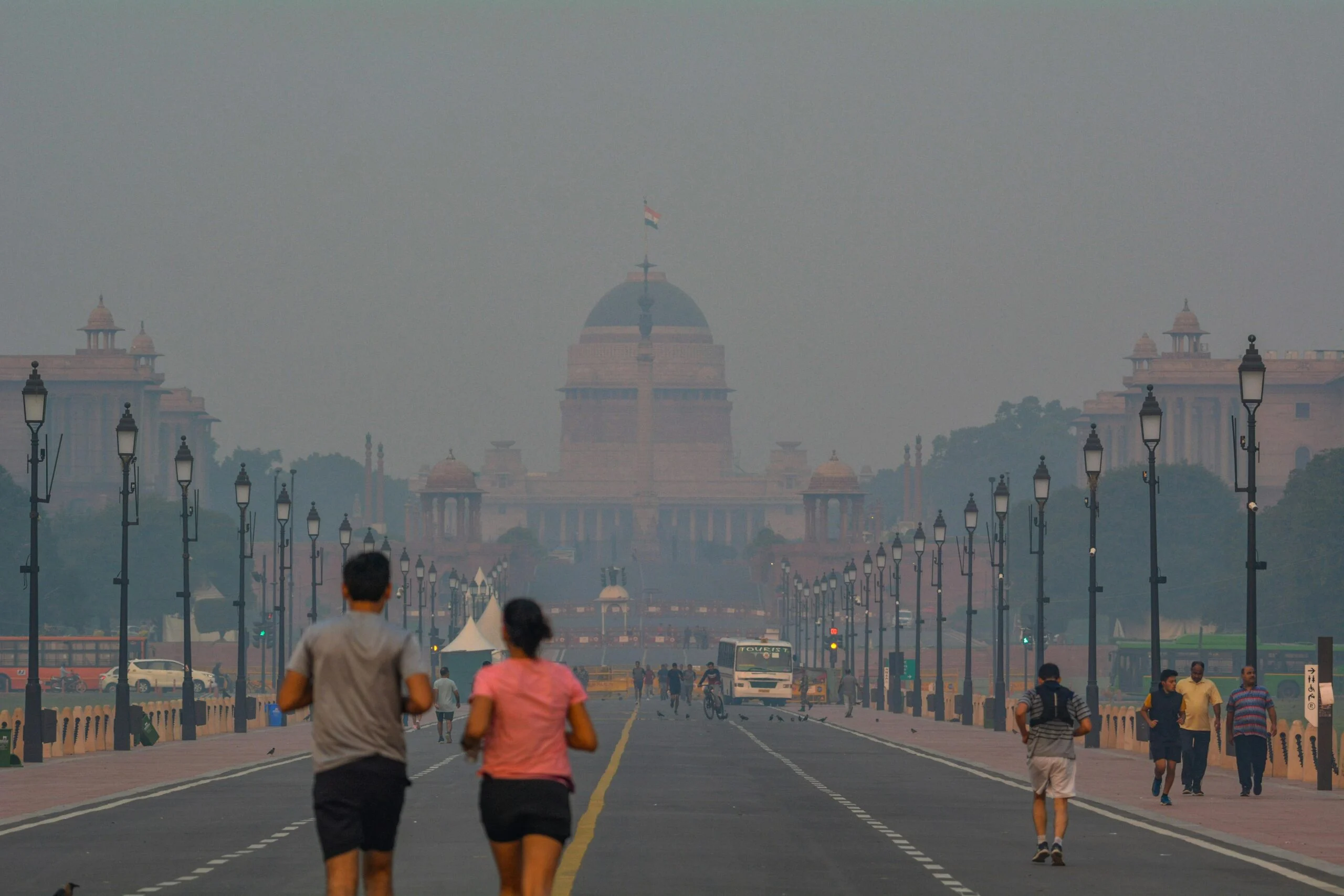
Every November, when smog descends on Delhi and the Air Quality Index crosses 500 - the scale’s upper limit, categorised as “severe plus” or “hazardous” - India’s air pollution crisis briefly commands national and international attention. Schools close, flights are diverted, construction is halted, and social media fills with apocalyptic photographs of landmarks disappearing behind walls of grey haze. Politicians trade accusations about stubble burning. Newspapers run front-page editorials. And then, within weeks, the news cycle moves on.
But India’s air pollution crisis is not a seasonal Delhi problem. It is a year-round, nationwide public health emergency that kills more Indians than any other environmental risk factor, affects every state, and touches the lives of over a billion people. The focus on Delhi - while understandable, given the capital’s visibility - obscures a far more widespread catastrophe.
In 2023, IQAir reported that 37 of the world’s 40 most polluted cities were in India. Air pollution in India is not a regional aberration - it is a structural feature of the country’s development model.
Cities across Rajasthan, Maharashtra, Gujarat, and even southern states featured on the list. Not all of them were in the Indo-Gangetic Plain.
The Indo-Gangetic Plain
The vast alluvial plain stretching from Punjab through Haryana, Uttar Pradesh, and Bihar to West Bengal is the epicentre of India’s air crisis. This flat, densely populated belt is home to over 600 million people - nearly half the country’s population - and suffers from a deadly combination of factors:
- Geography: The plain is bordered by the Himalayas to the north and the Vindhya-Satpura ranges to the south, creating a basin that traps pollutants, especially during winter when temperature inversions prevent vertical dispersion
- Population density: States like UP and Bihar have among the highest population densities in the world, concentrating emissions from cooking, transport, and industry
- Agricultural burning: The October-November stubble burning season in Punjab and Haryana sends massive plumes of smoke across the entire plain
- Low wind speeds: Winter months bring calm, still air that allows pollutants to accumulate for days
Cities in this belt - Lucknow, Patna, Kanpur, Varanasi, Agra, Gurgaon, Muzaffarpur - consistently record PM2.5 levels five to ten times above WHO guidelines. Many of these cities receive a fraction of the attention that Delhi gets, despite having comparable or worse air quality.
Beyond the Plains
Air pollution in India is not confined to the north:
- Mumbai: India’s financial capital has seen PM2.5 levels rising steadily due to construction activity, vehicular emissions, and industrial zones in the eastern suburbs. The Mithi River corridor, lined with industries and waste, contributes to localised pollution hotspots.
- Bengaluru: Once celebrated for its pleasant climate, Bengaluru’s air quality has deteriorated sharply due to explosive growth in vehicles (over 90 lakh registered), construction, and the loss of green cover. Lake fires from sewage-choked water bodies release toxic fumes.
- Chennai: Vehicular pollution, the Ennore thermal power plant cluster, and industrial emissions from Manali contribute to poor air quality, particularly during winter months.
- Kolkata: Located at the eastern end of the Indo-Gangetic Plain, Kolkata suffers from both local emissions and transported pollution from the upper plains.
- Hyderabad, Pune, Ahmedabad: All recording deteriorating air quality trends as urbanisation and vehicular growth outpace emission controls.
India’s air pollution has no single cause. It is the cumulative result of multiple emission sources, each significant in its own right, interacting in complex ways.
1. Vehicular Emissions (Approximately 20-40 per cent of urban air pollution)
India has over 35 crore (350 million) registered vehicles, a number growing by roughly 10 per cent annually. The vehicle fleet is dominated by two-wheelers (74 per cent), followed by cars and SUVs, commercial vehicles, and three-wheelers.
Key issues include:
- Diesel vehicles: Despite the shift to BS-VI emission standards (equivalent to Euro 6) in April 2020, the legacy fleet of older, dirtier vehicles remains on the road. Diesel trucks and buses, many over 15 years old, are major emitters of particulate matter and nitrogen oxides.
- Two-wheelers: While individually less polluting than cars, their sheer number makes them a significant aggregate source, particularly of volatile organic compounds (VOCs).
- Congestion: Indian cities have among the worst traffic congestion globally. Stop-and-go driving dramatically increases emissions per kilometre compared to free-flowing traffic.
- Fuel quality: BS-VI fuel (with 10 ppm sulphur, equivalent to the best globally) is now available nationwide, but compliance monitoring at fuel stations remains weak.
2. Stubble Burning (Seasonal, 25-40 per cent of Delhi’s winter PM2.5)
After the rice harvest in October-November, farmers in Punjab and Haryana burn the remaining crop stubble to clear fields for the next wheat sowing. An estimated 15-20 million tonnes of crop residue is burned annually, generating massive quantities of PM2.5, PM10, carbon monoxide, and other pollutants that travel hundreds of kilometres across the Indo-Gangetic Plain.
The problem has its roots in mechanisation. The combine harvester, which became widespread after the 1990s, leaves behind tall stubble that is difficult to incorporate into the soil manually. Farmers have a narrow 15-20 day window between harvest and the next sowing, and burning is the cheapest and fastest way to clear the fields.
Solutions exist but face adoption barriers:
- Happy Seeder: A machine that sows wheat directly into the stubble without requiring burning. Effective but expensive (Rs 1.5-2 lakh), and rental services are insufficient for the millions of small farmers who need them during the same narrow window.
- Crop residue management: Balers, mulchers, and other machines that can incorporate stubble into the soil. The central and state governments have subsidised these machines, but coverage remains inadequate.
- Biofuel conversion: Converting stubble into briquettes, pellets, or ethanol. Several pilot projects exist but scaling up requires investment in collection, transport, and processing infrastructure.
3. Industrial Emissions (15-25 per cent)
India’s industrial sector - particularly thermal power plants, brick kilns, steel and cement factories, and chemical plants - is a major source of sulphur dioxide (SO2), nitrogen oxides (NOx), and particulate matter.
- Thermal power: India’s 200+ coal-fired power plants are among the world’s dirtiest. The 2015 emission standards for power plants (which mandated installation of Flue Gas Desulphurisation equipment) have been repeatedly delayed. As of 2024, less than 10 per cent of plants have complied.
- Brick kilns: India has an estimated 1.5 lakh brick kilns, mostly using traditional fixed-chimney or Bull’s trench technology. These kilns burn coal and biomass, emitting significant PM and black carbon. Transition to cleaner Zigzag or vertical shaft kilns is underway but slow.
- Small-scale industry: Thousands of small foundries, dyeing units, and chemical factories in industrial clusters (Ludhiana, Kanpur, Firozabad, Morbi) operate with minimal emission controls.
4. Construction Dust (5-15 per cent of urban PM10)
India is in the midst of an unprecedented construction boom - highways, metro systems, housing, commercial buildings, and smart city projects. Construction activity generates enormous quantities of coarse particulate matter (PM10) from excavation, demolition, material handling, and unpaved haul roads. Most construction sites in India operate with minimal dust suppression measures.
5. Waste Burning (5-10 per cent)
India generates 62 million tonnes of solid waste annually, of which only 20 per cent is processed. The rest is dumped in landfills or open areas, where spontaneous or deliberate burning occurs regularly. Delhi’s massive Bhalswa, Ghazipur, and Okhla landfills - mountains of garbage that periodically catch fire - are visible symbols of this crisis, but waste burning occurs in every Indian city and town. The connection between waste management and air quality is direct - as India’s waste management crisis shows, inadequate processing of solid waste feeds directly into the pollution cycle through open burning.
6. Household Air Pollution
Over 60 crore Indians - primarily in rural areas - still use solid fuels (firewood, dung cakes, crop residue, coal) for cooking. The resulting indoor air pollution is a leading cause of respiratory disease and premature death, particularly among women and children who spend the most time near cooking fires. The Pradhan Mantri Ujjwala Yojana has distributed over 10 crore LPG connections to poor households, but many beneficiaries cannot afford regular refills and revert to solid fuels.
7. Road Dust and Natural Sources
Dust from unpaved roads, open fields, and desert areas (particularly the Thar Desert in western Rajasthan) contributes to ambient PM levels, especially in the pre-monsoon months of March-June when winds are strong and vegetation is sparse.
Air pollution is India’s single largest environmental health risk. The numbers are staggering.
Mortality
1.67 million deaths in India were attributable to air pollution in 2019. Air pollution is the second leading risk factor for death in India, after malnutrition - and the country accounts for 18 per cent of global air pollution deaths.
Life Expectancy
The Energy Policy Institute at the University of Chicago (EPIC) publishes the Air Quality Life Index (AQLI), which estimates the impact of particulate matter on life expectancy. Their findings for India are alarming:
Region | Years of Life Lost |
|---|---|
India (national average) | 5.3 years |
Delhi | 11.9 years |
Uttar Pradesh | 8.2 years |
Air pollution reduces Indian life expectancy more than smoking, alcohol, HIV/AIDS, or conflict.
Disease Burden
Air pollution contributes to or exacerbates:
- Chronic Obstructive Pulmonary Disease (COPD): India has an estimated 55 million COPD patients, many linked to air pollution and solid fuel use
- Lung cancer: Rising incidence, including among non-smokers in high-pollution areas
- Cardiovascular disease: Fine particulates enter the bloodstream and contribute to heart attacks and strokes
- Childhood respiratory illness: Children in polluted cities have measurably reduced lung function compared to those in cleaner areas
- Adverse pregnancy outcomes: Exposure to high PM2.5 during pregnancy is linked to low birth weight, preterm delivery, and stillbirth
- Diabetes: Emerging research links long-term air pollution exposure to increased Type 2 diabetes risk
Economic Cost
The economic burden of air pollution in India is estimated at $36.8 billion annually (approximately 1.4 per cent of GDP) in lost labour, healthcare expenditure, and premature mortality, according to a 2021 Lancet Commission on Pollution and Health. Other estimates, including lost agricultural productivity from ozone damage to crops, put the figure significantly higher.
National Clean Air Programme (NCAP)
Launched in January 2019, the NCAP is India’s first comprehensive national framework for air quality management. Key features:
- Target: 40 per cent reduction in PM2.5 and PM10 concentrations by 2025-26 (revised from original 20-30 per cent target), against a 2017 baseline
- Coverage: 131 non-attainment cities that fail to meet national ambient air quality standards
- Approach: City-level action plans covering transport, industry, construction, road dust, and waste burning
- Funding: Rs 10,566 crore allocated to cities for implementation under the 15th Finance Commission
The NCAP has been criticised for setting targets that are not legally binding, for lacking enforcement mechanisms, and for measuring progress against India’s own standards (which are far less stringent than WHO guidelines). However, data from CPCB monitoring stations shows measurable improvement in several cities, suggesting that the programme is having some effect.
Graded Response Action Plan (GRAP) - Delhi-NCR
The GRAP, implemented by the Commission for Air Quality Management (CAQM), specifies escalating emergency measures for Delhi-NCR based on AQI levels:
Stage | AQI Level | Key Measures |
|---|---|---|
Stage I (Poor) | 201-300 | Water sprinkling on roads, dust suppression at construction sites |
Stage II (Very Poor) | 301-400 | Restrictions on diesel generators, enhanced inspections of polluting industries |
Stage III (Severe) | 401-450 | Ban on construction, entry restrictions on non-BS-VI diesel trucks |
Stage IV (Severe+) | Above 450 | School closures, work-from-home advisories, truck entry ban, odd-even scheme |
GRAP is essentially a crisis management tool, activated after pollution reaches dangerous levels. It does not address the structural causes of pollution.
Bharat Stage VI Emission Standards
India leapfrogged directly from BS-IV to BS-VI emission standards in April 2020, skipping BS-V entirely. This was one of the fastest transitions to advanced emission standards anywhere in the world. BS-VI vehicles emit significantly less PM and NOx than their predecessors.
The impact, however, is gradual. The legacy fleet of older, dirtier vehicles will take years to be retired. India has no comprehensive national vehicle scrappage programme with meaningful incentives, though a voluntary scrappage policy was introduced in 2021.
Electric Vehicle Push
The FAME-II scheme (Faster Adoption and Manufacturing of Electric Vehicles) subsidises electric two-wheelers, three-wheelers, and buses. India’s EV market is growing rapidly - electric two-wheeler sales exceeded 10 lakh units in 2023 - but EVs still constitute less than 5 per cent of new vehicle sales. The transition will take decades to meaningfully impact air quality.
Delhi’s CNG Transition
In 2001, following a Supreme Court order, Delhi mandated that all public transport vehicles - buses, auto-rickshaws, and taxis - switch from diesel and petrol to compressed natural gas (CNG). The transition was contested, disruptive, and initially chaotic. But it worked. By 2005, Delhi’s air quality had measurably improved. The CNG fleet expansion prevented thousands of premature deaths and demonstrated that regulatory mandates, backed by judicial authority, can force rapid change.
The lesson, however, was not scaled. Other Indian cities did not replicate the CNG mandate, and Delhi’s subsequent vehicle growth (the number of cars in Delhi more than doubled between 2005 and 2020) eventually overwhelmed the CNG gains.
Indore’s Waste Management
Indore, declared India’s cleanest city seven consecutive times under the Swachh Survekshan, has effectively eliminated open waste burning through 100 per cent door-to-door waste collection, source segregation, and waste processing. While Indore’s air quality is still not ideal (it faces industrial and vehicular emissions), the elimination of one major source demonstrates that municipal action can make a measurable difference.
Happy Seeder Adoption in Punjab
The adoption of Happy Seeder technology in parts of Punjab has reduced stubble burning in specific districts. In the 2022 kharif season, stubble burning events in Punjab dropped by 30 per cent compared to the previous year. The decline is attributed to a combination of subsidised machine distribution, custom hiring centres, and farmer awareness campaigns. However, adoption remains uneven, and burning spiked again in some areas in 2023.
1. Legally Binding Air Quality Standards
India’s NCAP targets must be made legally binding, with consequences for non-compliance. The Clean Air Act model (as in the United States) provides a framework where states face sanctions if they fail to meet air quality standards. Without legal teeth, air quality management will remain optional.
2. Regional Airshed Management
Air pollution does not respect city or state boundaries. The Indo-Gangetic Plain functions as a single airshed where emissions in one state affect air quality in others. India needs regional airshed authorities with jurisdiction across state lines, similar to the CAQM for Delhi-NCR but expanded to cover the entire plain.
3. Accelerate the Energy Transition
India’s continued dependence on coal for 70 per cent of electricity generation is incompatible with clean air. The country’s ambitious renewable energy targets (500 GW by 2030) must be met and exceeded, with a clear timeline for phasing out the most polluting coal plants. Every new unit of electricity from solar or wind is a unit not produced by burning coal. Innovative clean energy models, like the Barefoot College’s solar grandmother programme, demonstrate that decentralised renewable energy solutions can reach even the most remote communities.
4. Transform Urban Transport
Indian cities need a fundamental shift from private vehicles to public transport, walking, and cycling. This requires massive investment in metro systems, bus rapid transit, cycling infrastructure, and pedestrian-friendly design. It also requires demand management: congestion pricing, parking reform, and restrictions on private vehicle use in city centres.
5. Solve the Stubble Problem
The stubble burning issue requires a comprehensive solution: 100 per cent Happy Seeder coverage through subsidised custom hiring centres, development of viable markets for crop residue (biofuel, biomass pellets, mushroom cultivation), direct benefit transfers to farmers who avoid burning, and real-time satellite monitoring with enforcement.
6. Enforce Industrial Standards
The emission standards for thermal power plants, brick kilns, and industries must be enforced. The CPCB and State Pollution Control Boards need real-time continuous emission monitoring systems (CEMS) on all major industrial sources, with automatic penalties for violations. The current system of periodic inspection and self-reporting is inadequate.
7. Protect the Most Vulnerable
Air pollution’s health impact falls disproportionately on the poor, on children, on the elderly, and on outdoor workers - those who have the least ability to protect themselves. Targeted interventions - air purifiers in schools and hospitals, early warning systems for vulnerable populations, enhanced healthcare for pollution-related diseases - are essential while structural solutions are implemented.
India’s air pollution crisis is not inevitable. It is the result of policy choices - to prioritise industrial growth over environmental regulation, to subsidise fossil fuels over clean energy, to build cities around cars rather than people. Different choices can produce different outcomes.
The solutions exist. The technology exists. The evidence exists. What has been missing, with some exceptions, is the sustained political will to treat clean air not as a luxury but as a right - the most basic right of all, the right to breathe without being poisoned.
Key Data Sources
- IQAir World Air Quality Reports (2022, 2023)
- Global Burden of Disease Study, The Lancet (2019 data)
- Air Quality Life Index (AQLI), Energy Policy Institute at University of Chicago (EPIC)
- Central Pollution Control Board (CPCB): National Ambient Air Quality Data
- National Clean Air Programme (NCAP), Ministry of Environment, Forest and Climate Change
- Lancet Commission on Pollution and Health (2021)
- WHO: Global Air Quality Guidelines (2021)
- System of Air Quality and Weather Forecasting and Research (SAFAR), IITM Pune
What you can do
- Share the evidenceSend this to one person who should know about environment.Share on WhatsApp
- Give an afternoonTeach, mentor, clean up, or lend your professional skills.Ways to volunteer
- Tell us what's missingKnow a story, a fact we got wrong, or a solution worth spotlighting?Suggest a story
Politically neutral. Every claim sourced. Report a correction.

No comments yet