Community Water Conservation in India: Reviving Rivers
From Rajasthan's Tarun Bharat Sangh reviving five dead rivers to Maharashtra's Paani Foundation mobilizing 7,200 villages, community-led water conservation is transforming drought-prone India. Discover how watershed management, johads, and volunteer shramdaan are restoring groundwater, reversing migration, and building water security from the ground up.
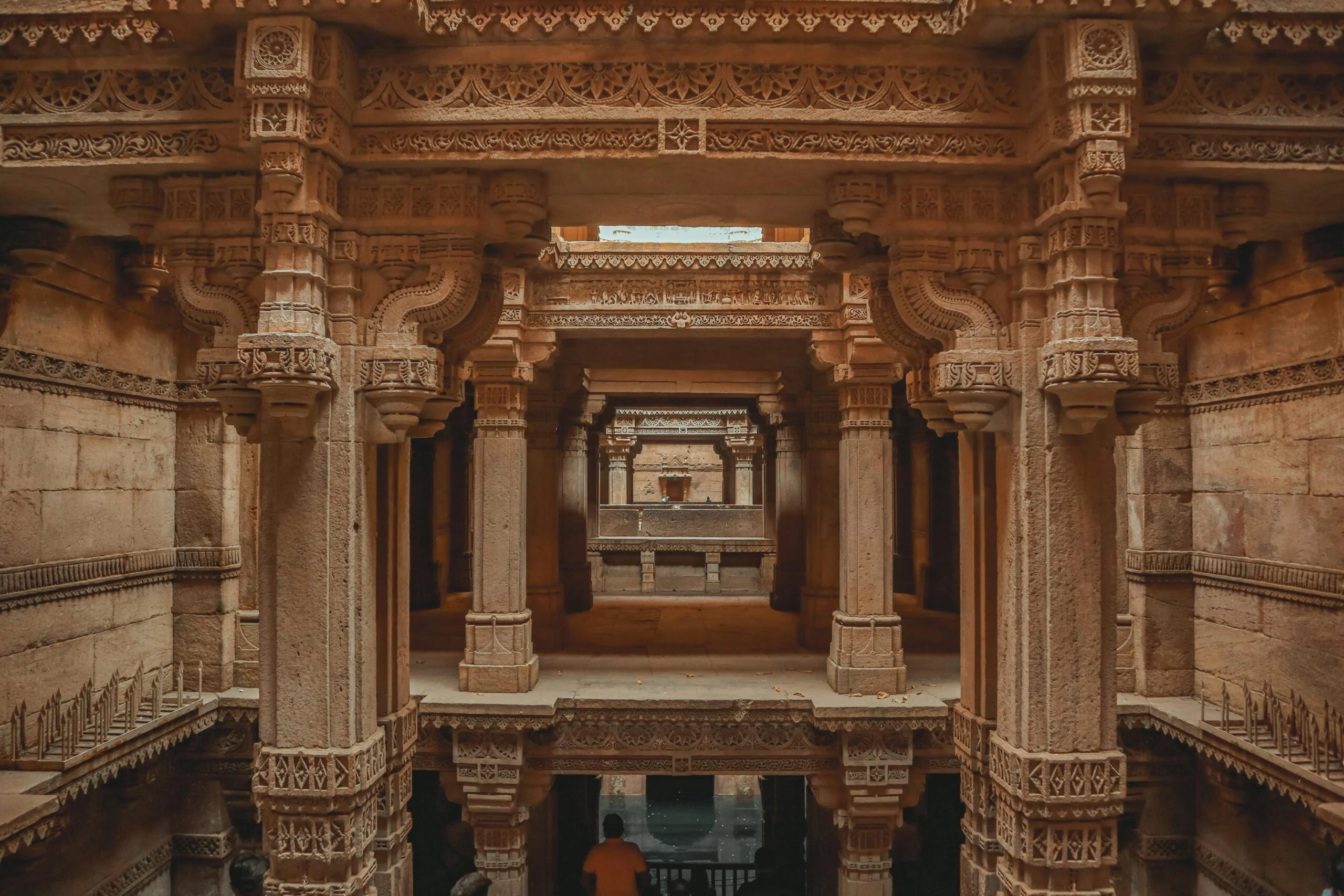
In 1985, the Arvari River in Rajasthan’s Alwar district was officially declared dead. Its riverbed had turned to dust. Wells had gone dry. Villages along its 90-kilometer course were emptying out as families left in search of water and work. Today, that same river flows year-round, sustaining over 70 villages and their farms. The resurrection was not the work of a government mega-project. It was built through community-led water conservation - one earthen dam at a time, by the villagers themselves.
Across drought-prone India, a quiet revolution is unfolding. Community-led water conservation projects are reviving rivers that were given up for dead, recharging aquifers that had been pumped dry, and transforming parched landscapes into productive farmland. From Rajasthan’s johad-builders to Maharashtra’s watershed warriors to Karnataka’s tank restoration volunteers, ordinary citizens are solving India’s water crisis from the ground up.
This is not charity. This is survival, strategy, and solidarity - and it is working at a scale that should command national attention.
The Scale of the Crisis: Why India Needs Community Water Warriors
India holds just 4% of the world’s freshwater resources while supporting 18% of its population. The numbers tell a story of accelerating crisis:
- 600 million Indians face extreme water stress, according to NITI Aayog’s Composite Water Management Index.
- 21 major cities, including Delhi, Bengaluru, Chennai, and Hyderabad, are projected to run out of groundwater by 2030.
- 54% of India’s groundwater wells are declining, with extraction exceeding recharge in most northern and western states.
- Over 200,000 people die annually from inadequate access to safe water, according to WaterAid.
- Drought frequency has increased by 13% over the last 50 years, with the Deccan Plateau and western Rajasthan hit hardest.
Government schemes like Jal Jeevan Mission (targeting tap water to every rural household by 2024) and the Atal Bhujal Yojana (focused on groundwater management) have allocated thousands of crores. But the top-down approach, while necessary, often misses the hyper-local knowledge that makes water conservation actually work. That is where community-led models enter the picture - and their track record is extraordinary.
Rajasthan: The Johad Revolution of Tarun Bharat Sangh
The story of community water conservation in India often starts in Rajasthan - specifically, in the semi-arid Alwar district, where a young man named Rajendra Singh arrived in 1985 with a plan to run adult literacy classes. The villagers of Gopalpura told him bluntly: forget the books, help us find water.
Singh listened. Working with the village elders, he helped construct the first johad - a traditional crescent-shaped earthen dam that captures rainwater and allows it to percolate into the ground, recharging wells and aquifers downstream. The cost was minimal. The materials were local: earth, stone, labor. The knowledge was ancient, passed down through generations of Rajasthani farmers who had survived in one of India’s driest regions for centuries.
“The government builds dams for cities. We build johads for villages. Both are necessary. But only one lets the community own their water.”
Rajendra Singh, founder of Tarun Bharat Sangh, known as “The Waterman of India”
Results That Speak Volumes
Over four decades, Tarun Bharat Sangh (TBS) and the communities it works with have achieved something that most engineers and policymakers considered impossible:
- Over 11,800 johads and water structures constructed across 1,200+ villages in Rajasthan.
- Five rivers revived from extinction: Arvari, Ruparel, Sarsa, Bhagani, and Jahajwali - all of which had been dry for decades.
- Groundwater levels rose by an average of 6 meters in treated areas, turning failed wells into productive ones.
- Forest cover increased by 33% in watershed areas, as moisture availability supported natural regeneration.
- Reverse migration: Villages that had been losing 60-80% of their working-age population to cities saw families returning as agriculture became viable again.
The Arvari River’s revival is perhaps the most dramatic example. After the community built over 375 johads and check dams across the Arvari’s 90-kilometer watershed between 1985 and 1995, the river began flowing again - first seasonally, then year-round. The 70 villages along its banks formed the Arvari Sansad (River Parliament), a community governance body that manages water use, prevents over-extraction, and resolves disputes without government intervention.
This is a model that echoes the Chipko movement’s philosophy of community stewardship - where local people become the primary guardians of their natural resources.
Maharashtra: Paani Foundation and the Water Cup Revolution
In Maharashtra’s Marathwada region, drought is not an occasional visitor - it is a permanent resident. The region receives less than 600mm of annual rainfall, and successive droughts in 2014-2016 pushed thousands of farming families to the edge. Farmer suicides in the state crossed 3,200 per year. Water tankers became the lifeline of entire talukas.
Against this backdrop, actor-turned-activist Aamir Khan and his then-wife Kiran Rao launched the Paani Foundation in 2016 with a radical proposition: turn water conservation into a competition.
The Satyamev Jayate Water Cup
The Water Cup is a three-week inter-village competition held annually during the pre-monsoon window (April-May). Villages compete to do the maximum watershed work - digging trenches, building percolation tanks, constructing farm bunds, deepening and widening streams - in the 45 days before the monsoon arrives. The competition framework taps into a powerful motivator: community pride.
| Year | Participating Villages | Shramdaan (Labor Hours) | Water Storage Created |
|---|---|---|---|
| 2016 | 116 | 21 lakh hours | 1,941 crore liters |
| 2017 | 1,093 | 82 lakh hours | 14,000+ crore liters |
| 2018 | 1,574 | 105 lakh hours | 19,500+ crore liters |
| 2019 | 4,025 | 112 lakh hours | 21,000+ crore liters |
| 2023 | 7,200+ | 180+ lakh hours | 38,000+ crore liters |
What Shramdaan Looks Like on the Ground
In the village of Velu, Beed district - one of Maharashtra’s most drought-devastated talukas - 400 villagers gathered before dawn on a Sunday morning in April 2023. Armed with pickaxes, shovels, and tractors donated by local farmers, they spent the day digging a continuous contour trench along a hillside that overlooks their farmland.
The trench - barely two feet deep and three feet wide - would intercept rainwater running down the slope during the monsoon, forcing it to seep into the ground rather than rush past into a distant river. Within a single monsoon season, wells that had been dry for three years showed measurable rises in water level. The village’s bore wells, which had been drawing water from 400 feet, began yielding at 200 feet.
Across Maharashtra, these simple interventions - contour trenches, farm bunds, percolation tanks, and deepened streams - are collectively creating tens of thousands of crore liters of additional water storage capacity. The Paani Foundation’s model has been recognized by the Maharashtra state government, which now co-brands several of its watershed programs with the Water Cup methodology.
The ripple effects extend far beyond water tables. As agriculture stabilizes, farmer incomes improve, and the desperation that drives rural distress begins to recede. This model of community volunteerism responding to environmental crisis has become a template that other states are studying.
Karnataka: Reviving Ancient Tanks and Modern Watersheds
Karnataka presents a different geography but an equally urgent water challenge. The northern districts of Bijapur, Raichur, Kalaburagi, and Yadgir - collectively known as the Hyderabad-Karnataka region - receive less than 500mm of rainfall annually. But even the wetter southern districts face groundwater depletion due to over-extraction for cash crops like sugarcane and coconut.
Karnataka’s water conservation story centers on two parallel movements: the revival of traditional kere (tank) systems and the adoption of modern watershed management techniques.
The Tank Revival Movement
Karnataka once had over 39,000 interconnected tanks - a cascading irrigation system built over centuries by the Vijayanagara, Hoysala, and Wodeyar rulers. By 2010, over 60% of these tanks were silted up, encroached upon, or disconnected from their feeder channels. The result was predictable: flooding during the monsoon and drought the rest of the year.
Organizations like the Karnataka Tank Conservation and Development Authority (KTCDA), supplemented by NGOs such as Art of Living’s River Rejuvenation Project and the Dhan Foundation, began working with village communities to desilt, repair, and reconnect these ancient tank systems.
In the Kolar district - once so water-scarce that drinking water was trucked in daily from 80 kilometers away - a community-led effort desilted 387 tanks over seven years. The results were striking: bore wells that had failed at 1,000 feet began yielding water at 300 feet. The district’s water tanker dependency dropped by 45%. Farmers switched from drought-resistant millets (a survival crop) back to vegetables and flowers (higher-income crops), tripling average farm incomes.
Art of Living’s Kumudvathi River Project
One of Karnataka’s most ambitious river rejuvenation efforts targets the Kumudvathi River in Tumkur district. The Art of Living Foundation’s project, launched in 2017, combines traditional tank desilting with modern recharge structures. Over 52,000 volunteers have contributed labor across 160+ villages, constructing boulder checks, recharge wells, and farm ponds.
The Kumudvathi, which had stopped flowing for 8 months of the year, now flows for 11 months. Groundwater levels across the project area have risen by an average of 3-5 meters. The success has prompted the Karnataka government to adopt the model for six additional rivers under its state river rejuvenation program.
The Science Behind Community Watershed Management
Why do community-led projects often outperform government mega-projects in water conservation? The answer lies in the hydrology of decentralized catchment management.
Large dams and canals concentrate water storage and distribution in a single point. This works well for irrigation command areas directly downstream, but it does nothing for the thousands of villages in the upper catchment - the very areas where rainfall first hits the ground. Community watershed management works on the opposite principle: catch the rain where it falls.
How It Works: The Watershed Approach
- Ridge-to-Valley Treatment: Work starts at the top of the watershed (ridge line) with trenches and vegetative barriers that slow runoff, then moves downhill to percolation tanks and check dams in the middle zone, and finally to farm ponds and community tanks in the valley.
- Soil Moisture Conservation: By slowing water across the entire landscape, soil moisture improves even in areas without direct irrigation. This extends the growing season by 4-6 weeks in semi-arid regions.
- Groundwater Recharge: Every structure in the watershed - from a simple contour bund to a percolation tank - forces water to stay on the land longer, giving it time to seep into the ground. This recharges the aquifer that feeds wells downstream.
- Baseflow Restoration: As groundwater levels rise, springs and streams that had gone dry begin flowing again. This is how “dead” rivers are revived - not by pumping water into them, but by restoring the underground water table that feeds them.
- Cascading Benefits: Improved moisture supports vegetation, which reduces soil erosion, which keeps tanks from silting up, which maintains storage capacity - a virtuous cycle that compounds over time.
The key insight is that watershed management is not just an engineering exercise - it is a social one. Every field, every contour, every drainage line is owned by someone. Effective watershed treatment requires hundreds of individual landowners to coordinate their efforts, share labor, and sometimes sacrifice personal convenience (like not ploughing along a slope) for collective benefit. This is why community leadership is not optional - it is the critical ingredient.
Beyond the Big Three: Water Conservation Movements Across India
While Rajasthan, Maharashtra, and Karnataka have received the most attention, community-led water conservation is spreading across the country.
Madhya Pradesh: Dewas Model
In Dewas district, the Samaj Pragati Sahayog (SPS) organization has transformed over 200 villages through watershed treatment. Average farm incomes have more than doubled, and the district has gone from chronic water scarcity to being a net exporter of agricultural produce. The SPS model emphasizes women’s self-help groups as the primary managers of village water resources - a governance innovation that has improved both maintenance and equity.
Tamil Nadu: Temple Tanks to Farm Ponds
Tamil Nadu’s ancient eri (temple tank) system once provided irrigation to over 30% of the state’s farmland. Community organizations, working with the Dhan Foundation, have restored over 4,800 tanks across the state. The revival has been so successful that the Tamil Nadu government now mandates community participation in all tank renovation projects under its State Climate Change Mission.
Telangana: Mission Kakatiya
Telangana’s Mission Kakatiya program, launched in 2014, aimed to restore 46,531 tanks across the state. While government-funded, the program mandated village-level committees to oversee implementation and maintenance. By 2023, over 30,000 tanks had been restored, and the state reported a 20% increase in irrigated area and a measurable rise in groundwater levels across 70% of treated mandals.
These initiatives share a common thread with the smart village movement across India - the recognition that sustainable development begins with empowering local communities to manage their own resources.
The Volunteer Engine: Who Does the Work?
The scale of labor involved in community water conservation is staggering. A single johad requires 2,000-5,000 person-days of work. A village-level watershed treatment covering 500 hectares might require 30,000-50,000 person-days over 3-5 years. Where does this labor come from?
Shramdaan: The Tradition of Donated Labor
Shramdaan - the donation of labor - is a concept deeply embedded in Indian village culture. From Mahatma Gandhi’s emphasis on constructive work to Vinoba Bhave’s Bhoodan movement, the idea that communities can build public goods through collective physical effort has a powerful lineage.
In the water conservation context, shramdaan typically works like this:
- Every household in the village contributes a fixed number of days per season (typically 10-15 days per family).
- Landless laborers receive wages from a community fund or MGNREGA allocation.
- Women’s groups often manage the logistics - food, scheduling, record-keeping.
- Youth volunteers contribute weekend labor, especially for larger projects.
- NRI and urban donors fund machinery, cement, and skilled labor for technical components like spillways and recharge shafts.
What makes this work is ownership. When a village builds its own johad or watershed structure, every family knows exactly what it cost them in sweat and time. This creates a powerful incentive to maintain the structure - a factor that distinguishes community-built infrastructure from government-built infrastructure, where maintenance responsibility often falls through the cracks.
This spirit of collective action is the same force driving student-led NGOs tackling India’s toughest problems - the understanding that waiting for institutional solutions is not an option when livelihoods are at stake.
Impact by the Numbers: What Community Water Conservation Has Achieved
Aggregating data from multiple studies, government reports, and NGO assessments, the collective impact of India’s community-led water conservation movement is substantial:
| Metric | Impact | Source |
|---|---|---|
| Villages directly served | 50,000+ | ICRISAT, TBS, Paani Foundation aggregated |
| Water storage capacity created | 100,000+ crore liters | Maharashtra Water Conservation Department |
| Rivers revived (perennial flow restored) | 15+ across 6 states | India Water Portal database |
| Average groundwater rise in treated areas | 3-8 meters | CGWB monitoring wells data |
| Farm income increase in treated watersheds | 1.5x to 3x | ICRISAT watershed impact study 2020 |
| Reverse migration (families returning) | 200,000+ families | TBS and Paani Foundation reports |
| Shramdaan labor contributed annually | 300+ lakh person-days | Aggregated from major NGO programs |
| Cost per hectare of treatment | Rs. 12,000-25,000 | ICRISAT comparative analysis |
The cost-effectiveness comparison is particularly telling. Government-funded watershed programs under the Integrated Watershed Management Programme (IWMP) typically cost Rs. 15,000-30,000 per hectare. Community-led programs achieve comparable or better results at Rs. 12,000-20,000 per hectare - and the structures are better maintained because the community owns them.
Challenges and Limitations: What Is Not Working
It would be irresponsible to present community water conservation as a silver bullet. Significant challenges remain:
- Scale vs. Speed: Community-led projects take 3-5 years to show results. India’s water crisis is accelerating faster than bottom-up movements can expand.
- Funding Gaps: Most community water projects operate on shoestring budgets. The Paani Foundation’s entire annual budget is a fraction of what the government spends on a single large dam.
- Climate Uncertainty: Erratic monsoons - with increasing intensity but decreasing duration - make traditional watershed planning harder. Some areas are getting more rain in fewer days, leading to flash floods that overwhelm earthen structures.
- Groundwater Over-Extraction: Even in treated watersheds, individual bore well drilling remains largely unregulated. A single large farmer with a deep bore well can undo years of community recharge work.
- Political Interference: Water is deeply political in India. Successful community water bodies sometimes face encroachment or diversion by powerful interests.
- Replication Difficulty: What works in Alwar may not work in Bundelkhand. Every watershed is unique in its geology, rainfall pattern, land use, and social dynamics. Cookie-cutter replication fails.
Despite these challenges, the overall trajectory is clear: community-led water conservation works better and costs less than top-down alternatives in most rural contexts. The question is not whether to scale it up, but how.
The Path Forward: Scaling What Works
India’s water future depends on bridging the gap between community innovation and government scale. Several promising approaches are emerging:
1. Government-Community Convergence
The most effective model is emerging in Maharashtra, where the state government channels MGNREGA funds for community-designed watershed work. This combines government financial muscle with community planning and ownership. The result: government-funded structures that communities actually maintain.
2. Technology-Enabled Watershed Planning
Satellite imagery, GIS mapping, and mobile apps are making it possible for communities to plan watershed treatments with scientific precision. Organizations like WOTR (Watershed Organisation Trust) in Pune are training village youth to use smartphone-based tools for watershed mapping, monitoring groundwater levels, and tracking rainfall - essentially bringing smart village technology to water management.
3. Corporate CSR Partnerships
Companies like Reliance Foundation, Coca-Cola India Foundation, and Ambuja Cement Foundation are channeling significant CSR funds into community watershed projects. Reliance Foundation alone claims to have impacted over 23 million people through its watershed and water harvesting programs across 40,000+ villages.
4. Youth Volunteer Networks
The Paani Foundation model has inspired a new generation of weekend water warriors - urban professionals who travel to rural areas during the pre-monsoon window to contribute labor. College student groups in Pune, Mumbai, and Bangalore are organizing watershed shramdaan camps as annual events. This cross-pollination between urban awareness and rural needs is creating a constituency for water conservation that did not exist a decade ago.
5. Legal Recognition of Community Water Rights
The Arvari Sansad (River Parliament) model, where communities formally govern their water resources, deserves legal recognition and replication. Several legal scholars and water rights activists are advocating for amendments to state groundwater laws that would give village water committees regulatory authority over extraction within their watershed boundaries.
How You Can Participate
The community water conservation movement is not limited to drought-prone villages. Whether you are in Mumbai, Delhi, Bangalore, or abroad, there are tangible ways to contribute:
- Volunteer with Paani Foundation: Their annual Water Cup pre-monsoon camps (April-May) welcome volunteers. Register at paanifoundation.in.
- Support Tarun Bharat Sangh: TBS accepts donations for specific johad construction projects, with full transparency on costs and outcomes (tarunbharatsangh.in).
- Join a Local Watershed Group: Many districts have watershed committees under the IWMP program that welcome volunteer technical assistance.
- Sponsor a Recharge Well: Several organizations offer “sponsor a well” programs where Rs. 50,000-1,00,000 funds a community recharge structure that benefits an entire village.
- Advocate for Policy Change: Push for groundwater regulation, MGNREGA-watershed convergence, and legal recognition of community water rights in your state.
- Start at Home: Install rainwater harvesting in your urban home. Bengaluru and Chennai already mandate it - but compliance is low. Lead by example.
India’s water crisis will not be solved by one mega-project or one government scheme. It will be solved by millions of people, in thousands of villages, making thousands of small decisions to capture, conserve, and share water. The rivers of revival are already flowing. The question is whether the rest of India will join the effort before it is too late.
Unite4India tells the stories of people and movements building a better India. If this article inspired you, share it with someone who cares about India’s water future. Together, we can amplify the voices of these water warriors and the communities they serve.
What you can do
- Share the evidenceSend this to one person who should know about environment.Share on WhatsApp
- Back what worksVolunteer time or skills with groups doing this work.Ways to volunteer
- Tell us what's missingKnow a story, a fact we got wrong, or a solution worth spotlighting?Suggest a story
Politically neutral. Every claim sourced. Report a correction.
No comments yet