India's Green Energy Push: Solar Parks, Wind Farms, and the Road to 2030 Targets
India has passed 210 GW of renewable capacity and aims for 500 GW of non-fossil power by 2030. This article covers solar parks, rooftop solar and wind.
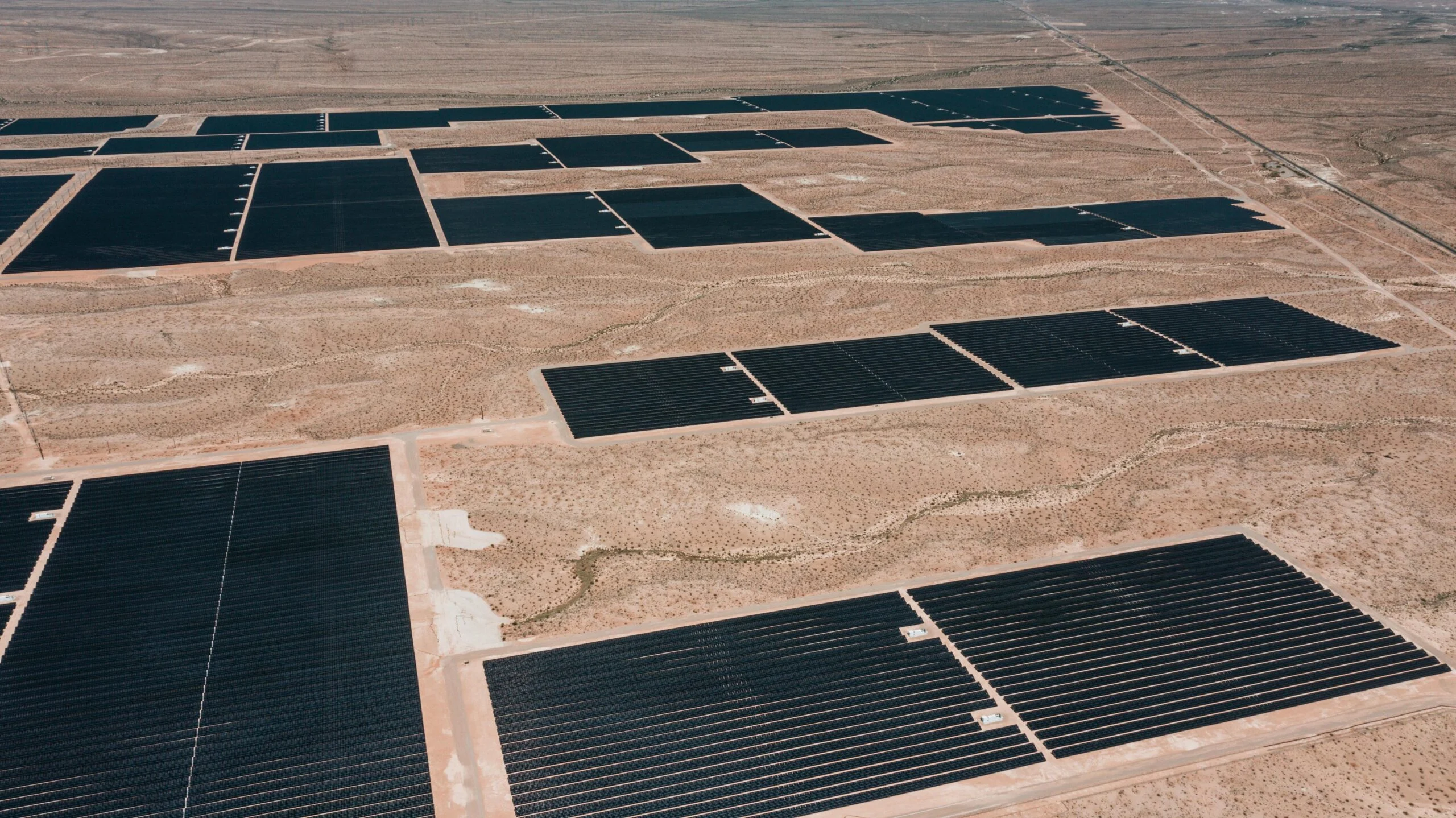
India’s Green Energy Transformation
India’s green energy push is reshaping the country’s future. With a target of 500 gigawatts of non-fossil fuel electricity capacity by 2030, India is building one of the world’s largest clean energy infrastructures. As of early 2026, India has crossed 210 GW of installed renewable capacity, with solar alone accounting for over 90 GW.
This isn’t just about meeting international climate commitments. India’s green energy strategy is driven by practical economics, energy security, and the need to power a growing economy without choking its cities with pollution. The shift from coal dependence to a diversified energy mix is creating new industries, new jobs, and new possibilities for millions of Indians.
India aims to achieve 50% of its cumulative electric power from non-fossil fuel sources by 2030, one of the most ambitious renewable energy targets set by any developing nation.
Solar Power: India’s Biggest Bet
Solar energy has become the backbone of India’s green energy push. The cost of solar power in India has dropped by over 90% in the last decade, making it cheaper than coal in most parts of the country. This price revolution has turned solar from a niche experiment into the default choice for new power generation.
Ultra Mega Solar Parks
India pioneered the concept of ultra mega solar parks, massive installations that concentrate thousands of megawatts of solar capacity in a single location. The Bhadla Solar Park in Rajasthan, spanning over 14,000 acres, is one of the world’s largest with 2,245 MW capacity. Similar parks in Gujarat, Andhra Pradesh, and Karnataka are adding gigawatts of clean power to the grid every year.
These parks solve a key challenge: land acquisition. By developing solar infrastructure on arid and semi-arid land that isn’t suitable for agriculture, India avoids the land-use conflicts that slow renewable development in other countries.
Rooftop Solar Revolution
Beyond large parks, India is pushing rooftop solar through the PM Surya Ghar Muft Bijli Yojana, which aims to install rooftop solar on 10 million households. The scheme provides subsidies covering up to 60% of installation costs for systems up to 2 kW, making solar accessible to middle-class families.
A typical 3 kW rooftop system can generate 300-400 units per month, enough to eliminate or drastically reduce monthly electricity bills. With net metering, households can sell excess power back to the grid.
Wind Energy: The Coastal Advantage
India’s 7,500-kilometer coastline and the Western Ghats create some of the best onshore wind corridors in Asia. Tamil Nadu, Gujarat, Rajasthan, Karnataka, and Maharashtra lead in wind energy production, with India’s total installed wind capacity exceeding 47 GW.
Offshore Wind: The Next Frontier
India is now moving into offshore wind energy, targeting 37 GW of offshore wind capacity by 2030. The Gulf of Khambhat off Gujarat’s coast has been identified as the first development zone, with wind speeds of 7-9 meters per second making it commercially viable. The first commercial offshore wind projects are expected to come online by 2028.
Hybrid Wind-Solar Projects
One of India’s innovations in green energy is the hybrid wind-solar model. Since wind speeds are typically highest at night and during monsoon, while solar generation peaks during sunny afternoons, combining both on the same site creates more consistent power supply. India’s hybrid renewable energy parks in Rajasthan and Gujarat are leading this approach.
Green Hydrogen: India’s Emerging Bet
India launched the National Green Hydrogen Mission in 2023 with an initial outlay of approximately $2.4 billion. The mission aims to make India a global hub for green hydrogen production, targeting 5 million tonnes of annual production by 2030.
Green hydrogen, produced by splitting water using renewable electricity, can decarbonize sectors that electricity alone cannot: steel manufacturing, cement production, long-haul trucking, and shipping. India’s cheap solar power gives it a natural cost advantage in green hydrogen production.
Companies like Reliance Industries, Adani Green, NTPC, and Indian Oil are investing heavily in green hydrogen. The Kandla and Tuticorin ports are being developed as hydrogen export hubs targeting European and East Asian markets.
India’s Green Energy Progress at a Glance
| Sector | Current Capacity (2026) | 2030 Target | Key States |
|---|---|---|---|
| Solar (ground + rooftop) | 90+ GW | 280 GW | Rajasthan, Gujarat, AP, Karnataka |
| Wind (onshore) | 47+ GW | 100 GW | Tamil Nadu, Gujarat, Maharashtra |
| Wind (offshore) | 0 GW | 37 GW | Gujarat coast |
| Green Hydrogen | Pilot stage | 5 MT/year | Gujarat, Tamil Nadu |
| Battery Storage | Limited | 4,000 MWh+ | Rajasthan, Gujarat, Karnataka |
| Total Non-Fossil | 210+ GW | 500 GW | Nationwide |
Energy Storage and Grid Modernization
Renewable energy’s biggest challenge is intermittency. India is addressing this through massive investments in battery storage and pumped hydro storage.
The government has approved 4,000 MWh of battery energy storage systems across the country. India is also developing its own battery manufacturing ecosystem through the Production Linked Incentive (PLI) scheme, with companies like Ola Electric, Amara Raja, and Exide setting up gigafactories.
Pumped hydro storage, where water is pumped uphill during surplus power periods and released through turbines during peak demand, offers large-scale, long-duration storage. India has identified over 100 potential pumped hydro sites with a combined capacity of 100 GW.
Manufacturing: Making in India
India is building domestic manufacturing capacity for solar panels, wind turbines, batteries, and electrolyzers. The PLI scheme for solar manufacturing has attracted investments worth Rs 94,000 crore for integrated solar PV manufacturing.
This manufacturing push serves a dual purpose:
- Energy security, reducing dependence on Chinese solar imports
- Job creation, the renewable sector employs 1.1 million Indians today, targeting 3.4 million by 2030
The Rural Impact of Green Energy
India’s green energy push has its biggest impact in rural areas. Solar-powered micro-grids are bringing reliable electricity to villages that the conventional grid hasn’t reached. Solar water pumps are replacing diesel pumps for irrigation, saving farmers thousands of rupees annually.
In Rajasthan, farmers who lease land for solar parks earn steady rental income. In Gujarat, the community-driven model of renewable energy cooperatives is empowering villages to become energy producers, not just consumers.
Solar-powered cold storage units are reducing post-harvest losses for fruits and vegetables, a problem that costs Indian farmers an estimated Rs 90,000 crore annually.
Challenges on the Road to 2030
- Land acquisition, India is exploring floating solar, agrivoltaics, and canal-top solar to address land constraints
- Grid integration, Upgrading transmission for distributed renewable sources needs massive investment
- Financing, Reaching 500 GW requires $200-250 billion in investment
- Coal transition, Protecting livelihoods of millions who depend on the coal economy in states like Jharkhand, Chhattisgarh, and Odisha
India’s Global Leadership in Green Energy
India is the world’s third-largest energy consumer. Its success in the green energy transition will significantly impact global climate goals. The International Solar Alliance, headquartered in India, now has 120 member countries working together to accelerate solar deployment worldwide.
India’s green energy journey isn’t just about environmental movements or climate pledges. It’s about economic transformation. The country that masters clean energy manufacturing, deployment, and export will shape the 21st-century economy.
What You Can Do
- Install rooftop solar, Government subsidies cover up to 60% of costs
- Switch to electric vehicles, India’s EV ecosystem is growing rapidly
- Support green businesses, Buy from companies powered by renewable energy
- Reduce energy waste, LED lighting, efficient appliances, smart energy use
- Spread awareness, Share what you know about India’s technology-driven solutions for sustainable development
India’s green energy transformation is one of the most ambitious infrastructure projects in human history. It’s happening right now, in solar parks across Rajasthan, wind farms along Gujarat’s coast, hydrogen plants in Tamil Nadu, and rooftop panels on homes across the country. Every Indian has a role to play in making it succeed.
What you can do
- Share the evidenceSend this to one person who should know about environment.Share on WhatsApp
- Back what worksVolunteer time or skills with groups doing this work.Ways to volunteer
- Tell us what's missingKnow a story, a fact we got wrong, or a solution worth spotlighting?Suggest a story
Politically neutral. Every claim sourced. Report a correction.


No comments yet