The Tech Employment Boom in Tier-2 Indian Cities That Nobody Is Talking About
Tier-2 cities such as Jaipur, Indore, Coimbatore and Kochi are seeing fast tech job growth, spreading India's technology workforce beyond the big metros.
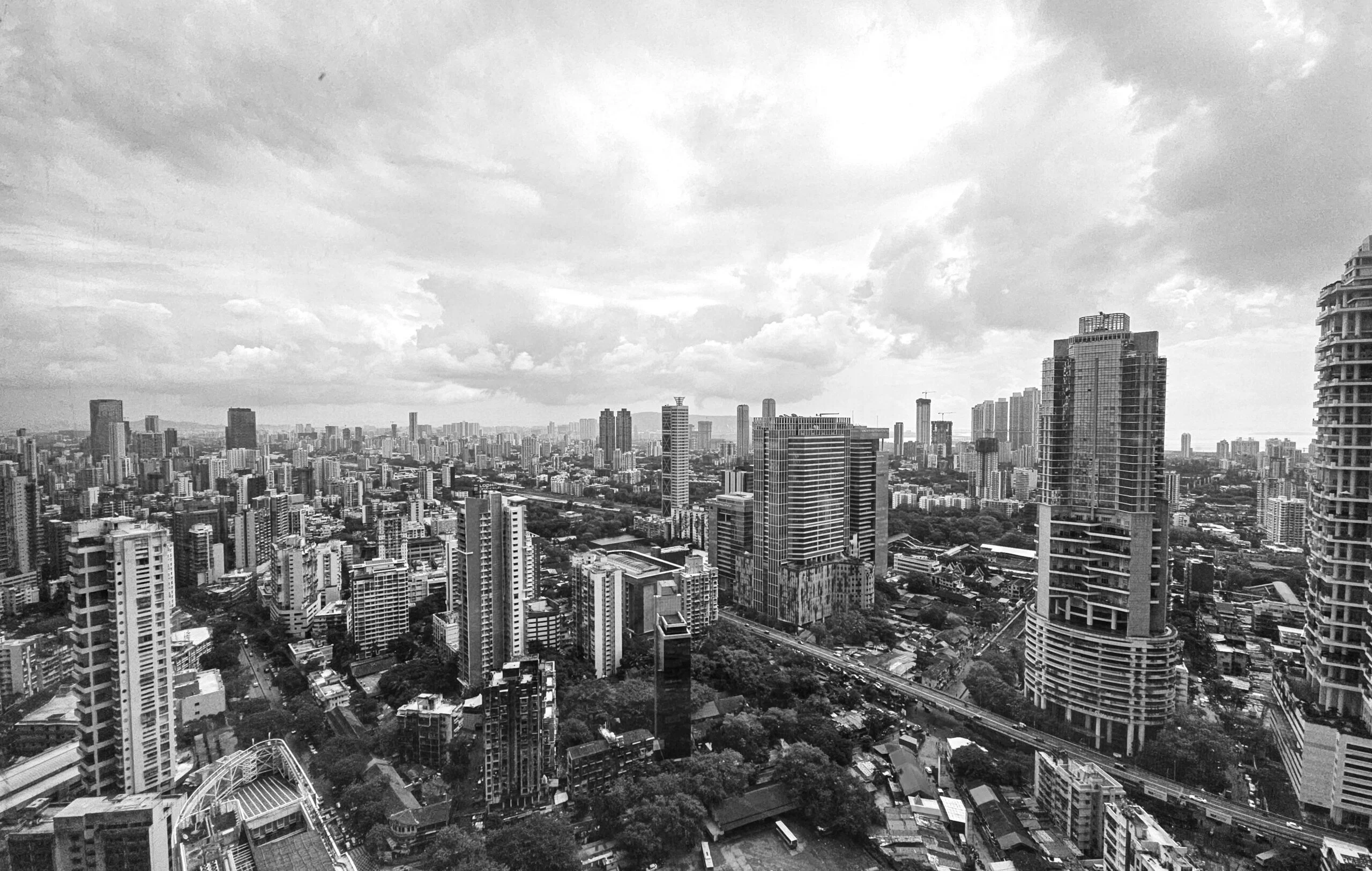
When people think of India’s technology industry, the conversation almost always centres on Bengaluru, Hyderabad, Pune, and Gurugram. These metro cities have dominated the narrative for so long that it is easy to forget a parallel transformation happening in places rarely mentioned in industry reports. Cities like Jaipur, Indore, Coimbatore, Bhubaneswar, Thiruvananthapuram, Kochi, Chandigarh, and Lucknow are experiencing a tech employment boom that is reshaping their economies, attracting talent back from metros, and creating a more geographically distributed technology workforce than India has ever seen.
This is not a marginal shift. According to industry data, tier-2 cities have seen tech employment grow at rates of 15-25% annually over the past three years, significantly outpacing the 8-10% growth in established tech hubs. And this trend is accelerating, not slowing down.
Which Cities Are Leading the Charge?
Not all tier-2 cities are growing equally. Some have emerged as clear frontrunners, each with distinct advantages that attract different types of tech companies and workers.
Jaipur, Rajasthan
Jaipur has transformed from a tourism-and-handicrafts city into a serious tech destination. The Mahindra World City SEZ and Sitapura Industrial Area now house offices of major IT companies alongside a thriving startup ecosystem. Jaipur’s proximity to Delhi (just 4-5 hours by road, 90 minutes by flight) makes it attractive for companies wanting a cost-effective satellite office within easy reach of the capital. The city has seen particular growth in web development, digital marketing agencies, and SaaS startups. Rental costs for office space are roughly 40-50% lower than Gurugram, and residential rents are even more favourable.
Indore, Madhya Pradesh
Indore is one of India’s most surprising tech success stories. Consistently ranked among India’s cleanest cities, it has built a reputation for quality of life that attracts young professionals. The Super Corridor IT hub has drawn companies ranging from TCS and Infosys to dozens of mid-sized IT firms. Indore’s engineering colleges produce a steady stream of graduates, and the cost of living is among the lowest of any city with a meaningful tech presence. The city has developed particular strength in fintech, edtech, and IT services.
Coimbatore, Tamil Nadu
Often called the “Manchester of South India” for its manufacturing prowess, Coimbatore has quietly built a substantial tech sector. The TIDEL Park and Coimbatore IT corridor house over 200 IT companies. The city benefits from excellent educational institutions, including PSG Tech and various engineering colleges that produce skilled graduates. Coimbatore’s strength lies in embedded systems, IoT, and manufacturing tech, areas where its traditional industrial expertise combines naturally with software development. The weather is pleasant year-round, and the cost of living is roughly half of Chennai’s.
Bhubaneswar, Odisha
The Odisha government has been remarkably proactive in positioning Bhubaneswar as a tech hub. The Infocity IT park and subsequent phases have attracted major companies. Odisha’s IT policy offers some of the most competitive incentives in the country, including capital subsidies, tax breaks, and subsidized land. The city has seen particular growth in BPO, IT services, and increasingly in product development. With two IITs nearby (Bhubaneswar and Kharagpur) and multiple engineering colleges, talent supply is strong.
The Kerala Trio: Thiruvananthapuram, Kochi, and Beyond
Kerala has developed not one but three tech clusters. Technopark in Thiruvananthapuram, India’s first technology park, established in 1990, now employs over 70,000 people across 450+ companies. Infopark in Kochi has grown into a major IT hub with over 50,000 employees. And SmartCity Kochi, a joint venture with Dubai, is adding international flavour to the ecosystem. Kerala’s advantage is its exceptionally high literacy rate and quality of life. The state produces highly educated professionals, many of whom prefer to stay close to home rather than migrate to metros. The combination of talent, infrastructure, and lifestyle has made Kerala’s tech ecosystem one of the most mature among tier-2 clusters.
Chandigarh and the Tricity Region
Chandigarh, along with Mohali and Panchkula, has emerged as North India’s alternative to Gurugram and Noida. The IT Park in Chandigarh and Quark City in Mohali house offices of both established companies and startups. The Tricity’s planned infrastructure (Chandigarh is one of India’s best-planned cities), relatively low crime rates, and proximity to both Punjab and Haryana’s talent pools make it attractive. The Punjab and Haryana governments have offered competitive IT policies, and the region has seen strong growth in IT services, testing, and product development.
Lucknow, Uttar Pradesh
Lucknow’s emergence as a tech city has been driven by both government investment and private sector interest. The IT City near Gomti Nagar Extension and the upcoming data centre parks are attracting companies looking for access to UP’s massive talent pool at significantly lower costs than NCR. With several engineering colleges and IIT Lucknow nearby, the talent pipeline is growing. The city’s cultural richness, food heritage, and affordable lifestyle are additional draws for young professionals.
City | Key IT Hubs | Avg. Monthly Rent (2BHK) | Primary Tech Sectors |
|---|---|---|---|
Jaipur | Mahindra World City, Sitapura | ₹12,000–18,000 | SaaS, Web Dev, Digital Marketing |
Indore | Super Corridor, Crystal IT Park | ₹10,000–15,000 | Fintech, Edtech, IT Services |
Coimbatore | TIDEL Park, IT Corridor | ₹10,000–16,000 | IoT, Embedded Systems, Manufacturing Tech |
Bhubaneswar | Infocity, JSS STP | ₹8,000–14,000 | IT Services, BPO, Product Dev |
Thiruvananthapuram | Technopark | ₹12,000–18,000 | Full-stack IT, R&D, Consulting |
Kochi | Infopark, SmartCity | ₹12,000–20,000 | IT Services, Fintech, AI/ML |
Chandigarh/Mohali | IT Park, Quark City | ₹14,000–22,000 | IT Services, Testing, Product Dev |
Lucknow | IT City, Gomti Nagar | ₹10,000–16,000 | IT Services, BPO, Data Centres |
What Is Driving This Shift?
The tech migration to tier-2 cities is not happening by accident. Several structural forces are converging to make this shift both possible and inevitable.
The Remote Work Revolution
The pandemic permanently altered how companies think about where work happens. Before 2020, the idea that a software engineer could be equally productive working from Jaipur as from Bengaluru was theoretical. After two years of forced remote work, it became proven. Many companies that went remote during the pandemic discovered that their tier-2-city employees were just as productive, sometimes more so, given lower stress levels, shorter commutes, and better work-life balance. Even as some companies pushed for return-to-office, the genie was out of the bottle. Hybrid models became standard, and many companies established satellite offices or accepted fully remote arrangements in tier-2 cities.
Cost Arbitrage for Companies
The economics are compelling. Office space in tier-2 cities costs 40-60% less than in metro tech hubs. Salaries, while rising, are still 20-35% lower for comparable roles. Operational costs, from electricity to security to food services, are substantially lower. For a company looking to hire 200 engineers, the savings from choosing Indore over Bengaluru can easily exceed several crores annually. These savings can be reinvested in better compensation, training, or product development, creating a virtuous cycle that makes tier-2 offices increasingly competitive.
Government IT Parks and Policies
State governments have recognized that attracting IT companies is one of the most effective strategies for creating high-quality employment. The competition among states to offer attractive IT policies has intensified. Odisha, Rajasthan, Madhya Pradesh, Kerala, and Uttar Pradesh have all rolled out policies that include subsidized land, electricity at concessional rates, stamp duty exemptions, capital subsidies for infrastructure, and single-window clearance for approvals. These incentives substantially reduce the setup cost for companies, making the decision to open a tier-2 office financially straightforward.
Infrastructure Improvements
India’s infrastructure development over the past five years has disproportionately benefited tier-2 cities. New expressways, expanded airports, metro rail projects, and improved broadband connectivity have dramatically reduced the infrastructure gap between metros and smaller cities. The Jaipur-Delhi expressway, the expansion of Coimbatore airport, metro projects in Indore and Bhubaneswar, and fibre-to-the-home broadband deployment across smaller cities have all made these locations more viable for tech operations. When a city has reliable 100 Mbps internet, a functional airport, and decent roads, the practical barriers to hosting tech work largely disappear.
The real digital divide in India is no longer about internet access, it is about whether quality jobs follow the infrastructure investments that smaller cities have already made.
Types of Jobs Available in Tier-2 Cities
The nature of tech work available in tier-2 cities has evolved significantly. Five years ago, these cities primarily offered BPO and basic IT support roles. Today, the range is much broader.
- Software Development: Full-stack development, mobile app development, and backend engineering roles are now common. Companies like TCS, Infosys, and Wipro have development centres (not just support centres) in tier-2 cities.
- Data Science and Analytics: With remote work normalizing, data roles that require no physical presence are increasingly filled by professionals in smaller cities.
- Quality Assurance and Testing: Dedicated QA centres in Chandigarh, Indore, and Coimbatore handle testing for products used globally.
- DevOps and Cloud: Infrastructure roles that are inherently remote-friendly are growing rapidly.
- Product Management: As companies mature, product roles are no longer confined to headquarters.
- UI/UX Design: Design teams, once exclusively in metros, are increasingly distributed.
- Content, Marketing, and SEO: Digital marketing agencies in Jaipur and Indore serve clients across India and globally.
- Cybersecurity: An emerging area where skilled professionals can work from anywhere.
Salary Comparisons: The Purchasing Power Advantage
While absolute salaries in tier-2 cities are lower than in metros, the purchasing power story is dramatically different. Consider a mid-level software developer with 4-6 years of experience.
Factor | Bengaluru | Tier-2 City (Avg.) | Difference |
|---|---|---|---|
Annual Salary (Mid-level) | ₹12–18 LPA | ₹8–14 LPA | 20–30% lower |
Monthly Rent (2BHK, decent area) | ₹25,000–40,000 | ₹10,000–20,000 | 50–60% lower |
Monthly Groceries | ₹8,000–12,000 | ₹5,000–8,000 | 30–40% lower |
Average Commute Time | 45–90 minutes | 15–35 minutes | 60% less |
Monthly Savings Potential | ₹20,000–40,000 | ₹30,000–60,000 | Higher in tier-2 |
The math is straightforward. A developer earning ₹14 LPA in Bengaluru and spending ₹35,000 on rent, fighting 90-minute commutes, and eating ₹200 lunches may actually have less disposable income and worse quality of life than someone earning ₹10 LPA in Indore with ₹12,000 rent, a 20-minute commute, and ₹80 lunches. When you factor in the ability to live near family, own property earlier, and avoid metro-city stress, the equation tilts even further.
Quality of Life: The Unquantifiable Advantage
Beyond salary and savings, tier-2 cities offer quality-of-life advantages that are difficult to put a number on but deeply felt by those who experience them.
Proximity to family. For many Indian professionals, the decision to move to a metro city means leaving aging parents, childhood friends, and the community that shaped them. Working in their home city or a nearby tier-2 city lets them maintain these connections. The pandemic made this acutely visible, professionals who were thousands of kilometres from their families during lockdowns resolved never to be in that position again.
Housing quality. The same budget that rents a cramped 1BHK in a Bengaluru suburb can secure a spacious 2 or 3BHK in a good locality in Indore or Bhubaneswar. More importantly, the possibility of owning a home becomes realistic in your 30s rather than remaining a distant dream.
Commute and time. The average tech worker in Bengaluru spends 1.5 to 3 hours daily commuting. In tier-2 cities, 20-40 minutes is typical. Over a career, that difference amounts to thousands of hours, time that can be spent learning, exercising, or simply being present with family.
Air quality and environment. Many tier-2 cities enjoy significantly better air quality than Delhi-NCR or Mumbai. Cities like Coimbatore, Thiruvananthapuram, and Chandigarh offer green spaces and cleaner air that tangibly improve daily life.
Cultural rootedness. Working in your own state or region means access to your own food, festivals, language, and cultural life without the alienation that many experience in unfamiliar metros.
Challenges That Still Need Addressing
It would be dishonest to paint an entirely rosy picture. Tier-2 tech ecosystems face real challenges that need acknowledgment and action.
While improving rapidly, many tier-2 cities still have inconsistent power supply, developing public transport, and internet reliability issues in some areas. A developer who experiences frequent power cuts needs a UPS and backup internet, costs and annoyances that metro-city counterparts rarely face. Traffic infrastructure, while better than metros in volume terms, often lacks the planning for rapid growth, cities like Jaipur and Lucknow are already experiencing congestion that could worsen without proactive intervention.
Limited Networking and Ecosystem Depth
Metro cities offer something that tier-2 cities are still building: deep professional networks, frequent industry events, access to venture capital, and serendipitous encounters with peers at cafes and co-working spaces. In Bengaluru, you might bump into a potential co-founder at a coffee shop. In Bhubaneswar, the tech community exists but is smaller and more effort is required to find your tribe. This is changing, co-working spaces, meetups, and online communities are bridging the gap, but the ecosystem density of metros is not yet replicated.
Some professionals worry that working in a tier-2 city limits their career growth. Senior leadership roles, strategic positions, and certain specialized roles may still be concentrated in metro offices. While remote work is normalizing, there is a valid concern that out-of-sight can mean out-of-mind when it comes to promotions and high-visibility projects. Companies need to consciously design equitable career paths for employees regardless of location.
Talent Competition Is Heating Up
As more companies discover tier-2 cities, competition for local talent is intensifying. Salary inflation in cities like Kochi and Jaipur is eroding some of the cost advantages that attracted companies in the first place. This is ultimately good for workers but means companies need to offer more than just a paycheck, culture, growth opportunities, and interesting work become differentiators.
Companies Leading the Way
Both large and small companies are driving the tier-2 tech expansion.
Large IT services companies like TCS, Infosys, Wipro, and HCLTech have been expanding into tier-2 cities for years, but the scale has accelerated. TCS’s tier-2 workforce has grown substantially, with significant offices in Indore, Bhubaneswar, Lucknow, Kochi, and Coimbatore. Infosys has development centres in Thiruvananthapuram, Jaipur, and Indore. These are not back-office operations, they handle serious development and client-facing work.
GCCs (Global Capability Centres) of multinational companies are increasingly considering tier-2 locations. Companies that previously would only consider Bengaluru or Hyderabad for their India centres are now evaluating Coimbatore, Kochi, and Chandigarh. The combination of educated talent, lower costs, and improving infrastructure makes a compelling case.
Startups are perhaps the most interesting category. A growing number of funded startups are deliberately choosing tier-2 cities as their headquarters, not because they cannot afford metro cities, but because they believe the talent-to-cost ratio and quality of life create better outcomes. Startups in Jaipur, Indore, and Kochi have raised significant funding rounds while remaining in their home cities.
The Co-Working Space Explosion
One of the clearest indicators of tier-2 tech growth is the expansion of co-working spaces. Companies like WeWork, Awfis, 91springboard, and myHQ have expanded to tier-2 cities, but it is local co-working operators who are really driving the trend. Almost every tier-2 city with a tech presence now has multiple co-working spaces catering to freelancers, remote workers, and small startups.
These spaces serve a function beyond just providing desks. They create micro-communities where remote workers from different companies interact, share ideas, and form professional relationships that would otherwise be missing outside metro ecosystems. In Indore alone, the number of co-working spaces has grown from fewer than 10 in 2020 to over 40 in 2025. Jaipur, Lucknow, and Chandigarh have seen similar growth.
Pricing is a major advantage. While a desk in a Bengaluru co-working space costs ₹8,000-15,000 per month, equivalent facilities in Indore or Bhubaneswar are available for ₹4,000-8,000, making it accessible even for freelancers and early-stage founders.
Startup Ecosystems: Small but Growing
While no tier-2 city yet rivals Bengaluru’s startup density, genuine startup ecosystems are forming. These ecosystems have distinct characteristics that set them apart from metro startup scenes.
Tier-2 startups tend to be more capital-efficient. Lower burn rates mean they can survive longer on less funding, which reduces pressure to raise expensive venture capital. Many tier-2 startups are bootstrapped or lightly funded, building sustainable businesses rather than chasing unicorn valuations.
These startups also tend to solve more locally relevant problems. A Jaipur startup might build logistics software optimized for Rajasthan’s geography. A Lucknow startup might develop regional language content tools. This local focus, while limiting scale in some cases, creates deeply loyal customer bases and defensible niches.
Government incubators, university-linked accelerators, and industry associations are providing the support infrastructure that startups need. Programs like the Atal Innovation Mission, state-level startup policies, and university incubators at IITs, NITs, and IIITs located in tier-2 cities are nurturing founders who might previously have migrated to metros to start their ventures.
Education-Employment Pipelines
One of the strongest advantages tier-2 cities possess is the proximity of educational institutions to emerging job markets. When companies set up offices in cities that already have engineering colleges, something powerful happens: graduates can find quality jobs without relocating. This creates a positive cycle, as local job opportunities improve, the best students are more likely to stay, which attracts more companies, which creates more jobs.
Consider the pipeline in specific cities. Coimbatore has over 50 engineering colleges producing thousands of graduates annually. The growing presence of IT companies means these graduates no longer automatically migrate to Chennai or Bengaluru. In Bhubaneswar, IIT Bhubaneswar, KIIT, and other institutions create a talent pool that can now be absorbed locally. In Chandigarh, Punjab Engineering College, Chandigarh University, and institutions across the Tricity produce talent that increasingly stays.
However, the quality of education remains uneven. While top institutions produce world-class graduates, many private engineering colleges in tier-2 cities have outdated curricula and insufficient industry exposure. Bridging this gap, through industry partnerships, modern curricula, internship programs, and skill development initiatives, is essential for sustaining the tier-2 tech boom.
State Government Initiatives: The Policy Catalyst
State government policies have been a crucial catalyst for tier-2 tech growth. The competition among states to attract IT investment has created a race to the top in terms of business-friendly policies.
- Odisha offers capital subsidy of up to 25% on fixed assets, 100% stamp duty exemption, and subsidized land in IT parks. The state has also invested heavily in skill development through programs like OSDA (Odisha Skill Development Authority).
- Rajasthan provides investment subsidies, employment-generation incentives (per-job subsidies for each new hire), and streamlined approval processes. The Rajasthan IT Day celebrations have become significant industry events.
- Madhya Pradesh offers capital subsidies, tax exemptions, and has developed dedicated IT zones in Indore, Bhopal, and Gwalior. The state’s startup policy provides additional incentives for new ventures.
- Kerala has the most mature IT policy, with Technopark, Infopark, and Cyberpark providing world-class infrastructure. The state has also invested in connectivity, with submarine cable landing stations providing direct international bandwidth.
- Uttar Pradesh has been aggressively promoting IT sector growth in Lucknow, with dedicated IT zones, data centre parks, and defence corridors that have technology components.
States that invest in both hard infrastructure and human capital today will be the tech employment hubs of the next decade. The playbook is clear, what matters now is execution.
Practical Advice for Young Professionals
If you are a student or early-career professional considering a tier-2 city for your tech career, here is honest, practical guidance.
- Research the specific city, not just the concept. Each tier-2 city has different strengths. If you are interested in IoT, Coimbatore makes more sense than Lucknow. If you want a startup ecosystem, Jaipur or Kochi might be better than Bhubaneswar. Match your skills and interests to the city’s specialization.
- Consider the remote-first approach. You do not necessarily need a company with a local office. Many professionals in tier-2 cities work remotely for companies headquartered elsewhere, getting metro-level salaries while enjoying tier-2 costs. This approach gives you the best of both worlds.
- Build skills that are location-independent. Cloud architecture, data science, cybersecurity, and product management are roles where your location matters less than your capability. Focus on skills that make you valuable regardless of where you sit.
- Join the local tech community immediately. The biggest risk in a tier-2 city is professional isolation. Find co-working spaces, attend local meetups, join online communities of other tier-2 tech professionals. Your network will be your safety net and growth engine.
- Do not accept significantly lower salaries just because of location. While some salary differential is natural, the gap is narrowing. If you are doing the same quality of work as someone in Bengaluru, do not accept a 40% pay cut just because you are in Indore. Companies that underpay will lose talent to those that pay fairly.
- Consider the long game. Early in your career, the metro experience can be valuable for networking and exposure. Many professionals spend 3-5 years in a metro city, build their network and skills, and then move to a tier-2 city with the professional capital to command good opportunities remotely.
- Evaluate infrastructure honestly. Before committing, visit the city. Check internet speeds in the area you would live (not just the IT park). Assess power reliability. Look at the commute from residential areas to tech hubs. Talk to people already working there.
The Bigger Picture: A More Equitable India
The tech employment boom in tier-2 cities is about more than just jobs. It represents a fundamental rebalancing of India’s economic geography. For decades, the concentration of high-paying tech jobs in a handful of metro cities has driven massive internal migration, strained urban infrastructure, widened regional income gaps, and hollowed out smaller cities of their most talented young people.
The tier-2 tech boom offers an alternative vision: an India where you do not have to leave your hometown to build a world-class career. Where a developer in Indore contributes to the same global project as one in San Francisco. Where economic prosperity is distributed more widely across the country’s geography rather than concentrated in a few overheated metros.
This is not wishful thinking. The infrastructure is being built. The policies are in place. The companies are coming. And most importantly, the talent is there, it always was. What has changed is that the barriers preventing that talent from being productive in their home cities are falling, one by one.
For India’s young professionals, this is an exciting time. The choice between career ambition and personal fulfilment, between a good salary and proximity to family, is becoming less of a trade-off and more of a false dichotomy. You can have both. And increasingly, tier-2 cities are where you will find it.
The boom is real. The opportunity is now. And the cities that nobody was talking about are building the future of India’s technology workforce, one developer, one startup, one quality life at a time.
What you can do
- Share the evidenceSend this to one person who should know about this issue.Share on WhatsApp
- Give an afternoonTeach, mentor, clean up, or lend your professional skills.Ways to volunteer
- Tell us what's missingKnow a story, a fact we got wrong, or a solution worth spotlighting?Suggest a story
Politically neutral. Every claim sourced. Report a correction.



No comments yet