India's Education Crisis: 10 Numbers That Tell the Story
India has one of the largest education systems in the world — yet millions of children can't read, can't count, and can't stay in school. Here are 10 numbers that reveal the true scale of the crisis.
A System of Scale, Not Substance
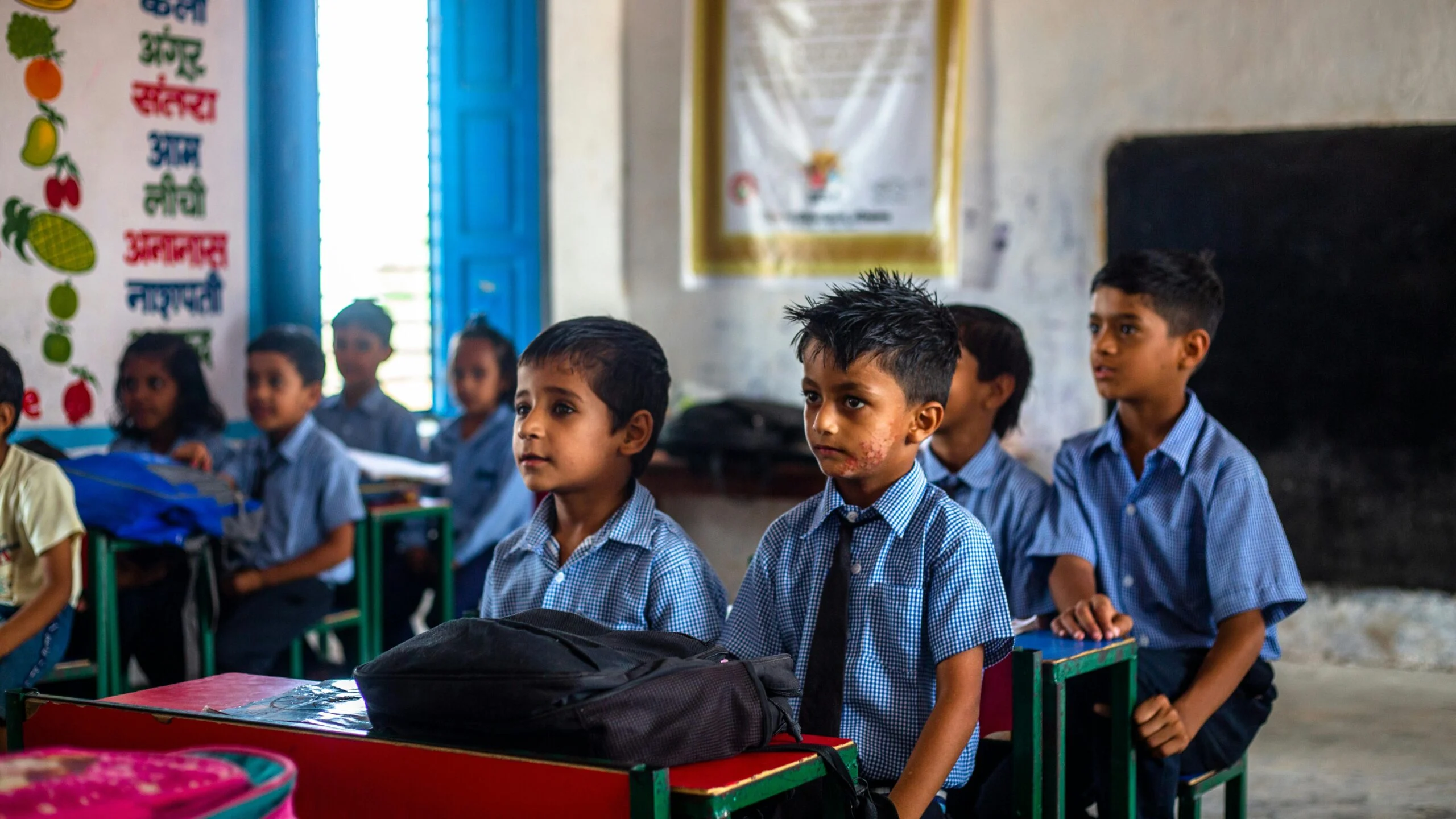
India’s education system is staggering in its scale. With over 260 million students enrolled across 1.5 million schools, it is one of the largest in the world. Yet behind these impressive numbers lies an uncomfortable truth: the system is failing the very children it was built to serve.
Enrollment has risen dramatically over the past two decades - thanks in part to the Right to Education Act of 2009. But enrollment is not education. Across the country, children sit in classrooms where teachers are absent, textbooks are missing, and learning simply isn’t happening.
Here are 10 numbers that tell the real story of India’s education crisis.
According to the Annual Status of Education Report (ASER 2023), nearly one in three children in Class 5 cannot read a simple paragraph meant for a child two grades below them. In some states - Bihar, Uttar Pradesh, Madhya Pradesh - the numbers are even worse.
This is not a problem of access. These children are in school. They are simply not learning.
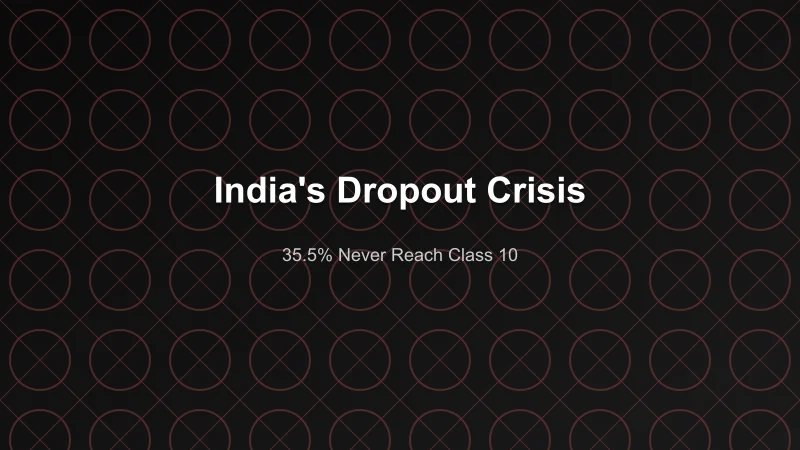
2. 35.5% Dropout Rate at the Secondary Level
India’s Unified District Information System for Education (UDISE+ 2021-22) reports a secondary-level dropout rate of 35.5%. That means more than one in three students who enter the system never make it to Class 10.
The reasons are deeply interconnected: poverty forces children into labour; girls face early marriage; the quality of education is so poor that families see little value in continuing. Rural areas and marginalised communities are hit hardest.
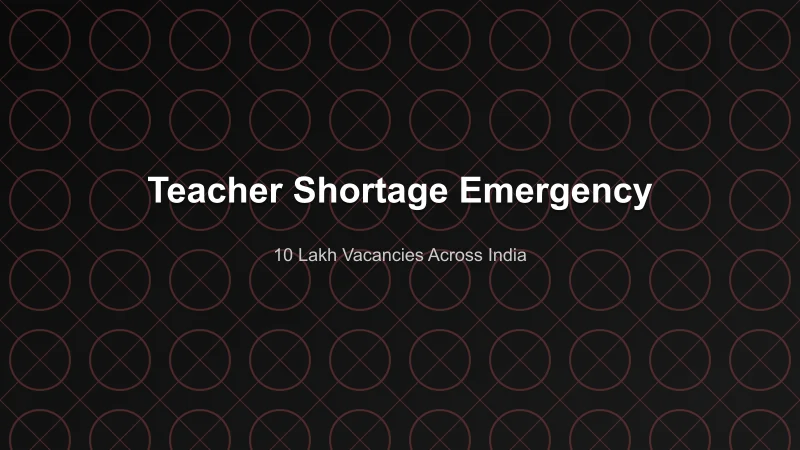
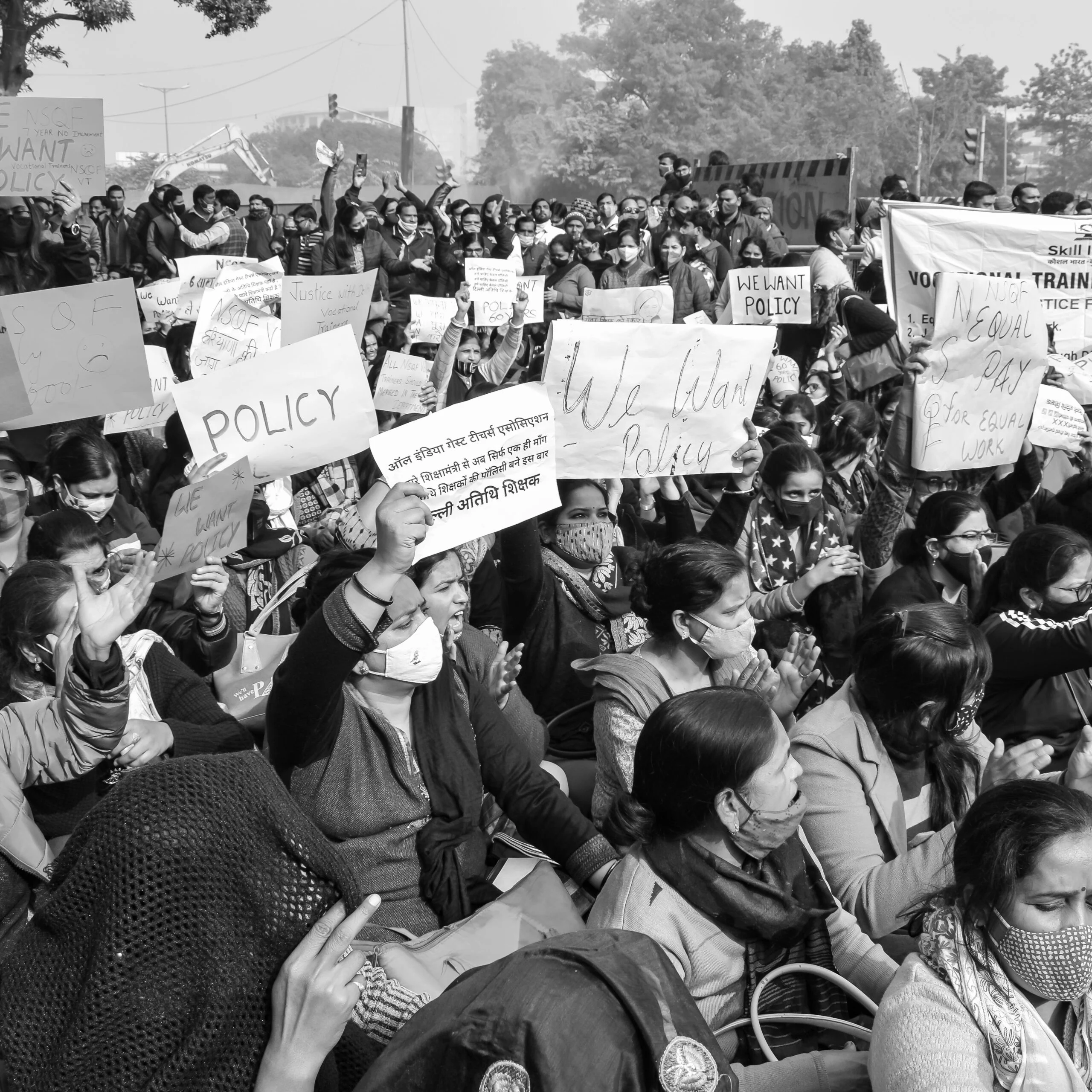
You cannot have education without educators. Yet across India, more than 10 lakh (1 million) teaching positions in government schools remain vacant. In states like Bihar and Jharkhand, the vacancy rate exceeds 30%.
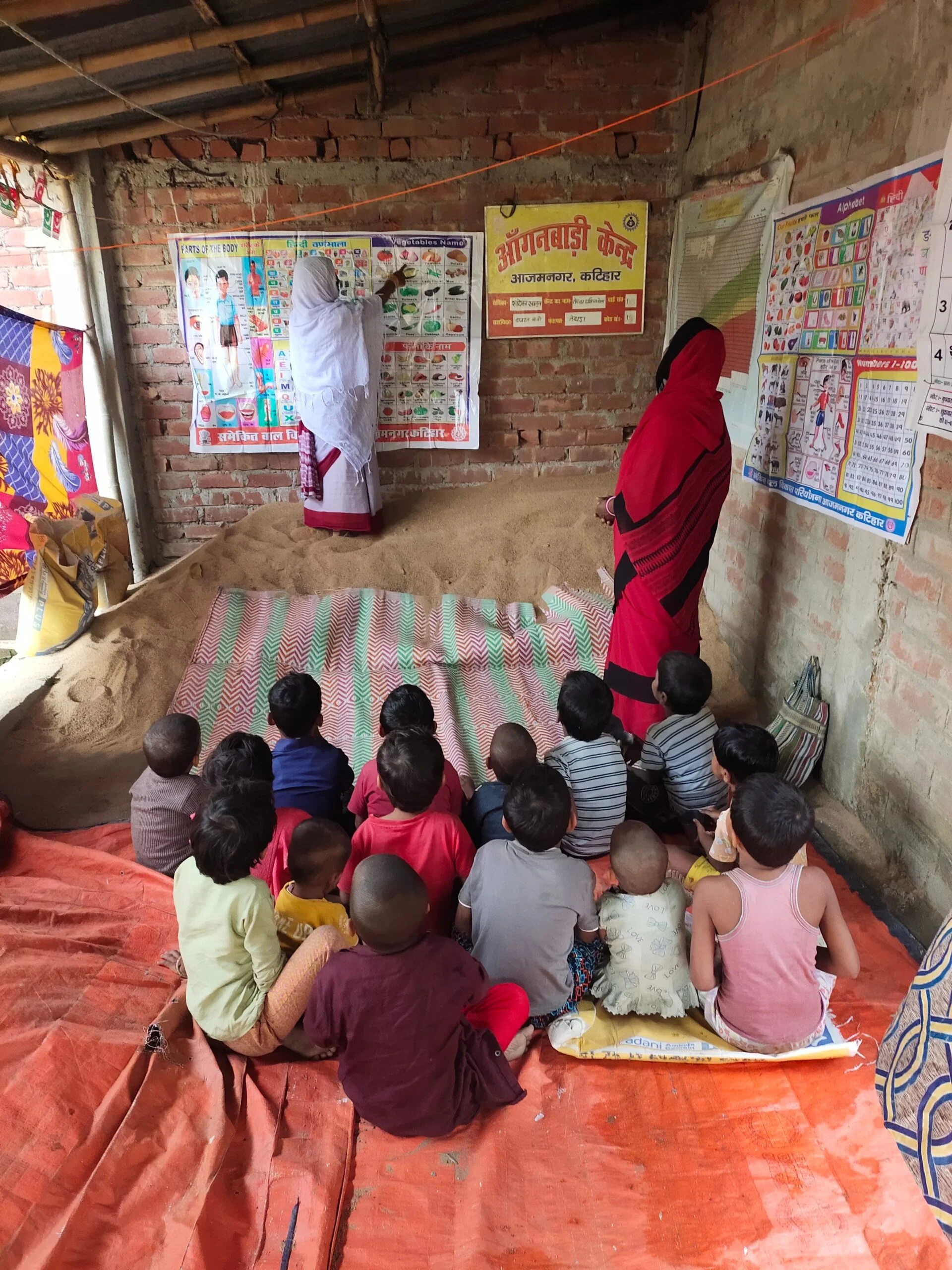
Where teachers do exist, many are untrained or overburdened - handling multiple grades simultaneously in single-room schools. The result is predictable: children fall behind, and the gap widens.
4. Pupil-Teacher Ratio of 50:1 in Some States
The RTE Act mandates a pupil-teacher ratio (PTR) of 30:1 for primary schools. In reality, states like Bihar and Uttar Pradesh regularly report ratios exceeding 50:1 - and in some districts, 80:1 or worse.
At these ratios, personalised attention is impossible. Struggling students get left behind, and the classroom becomes a holding pen rather than a place of learning.
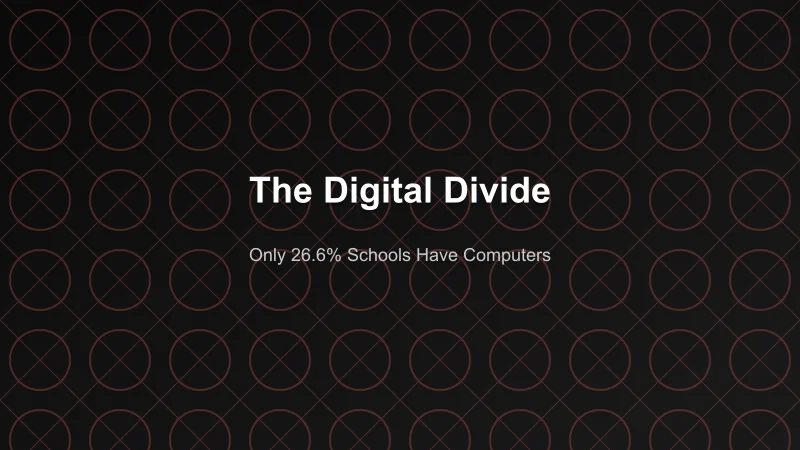
In a country that prides itself on its IT industry, barely a quarter of schools have functional computer facilities, according to UDISE+ data. Internet connectivity is even rarer - available in fewer than 20% of schools.
The digital divide in education became painfully visible during COVID-19, when online classes became the norm. For millions of children in rural India, those classes simply didn’t exist.
6. India Spends 2.9% of GDP on Education - Target Is 6%
India’s education budget for FY2024 stood at approximately Rs 1.13 lakh crore (central allocation), translating to roughly 2.9% of GDP. This is well below the 6% recommended by the Kothari Commission in 1966 - a target that India has never met in nearly six decades.
By comparison, South Africa spends 6.6%, Brazil 6%, and even smaller economies like Vietnam spend over 4%. India’s chronic underinvestment in education has real consequences: crumbling infrastructure, absent teachers, and outdated curricula.
India has never met its own 6% GDP education spending target in nearly six decades. Every year of underinvestment costs another generation its future.
7. Female Literacy at 65.5% vs Male Literacy at 82.1%
The gender gap in education remains stubbornly wide. While the overall literacy rate has improved to 77.7% (Census 2011, with estimates suggesting 80%+ currently), women continue to lag behind men by over 16 percentage points.
In states like Rajasthan (56.5% female literacy) and Bihar (53.3%), more than half of all women cannot read or write. The gap is not just about literacy - it extends to enrollment, retention, and access to higher education.
UNESCO estimates that 32.2 million children in India are out of school entirely. These are children who have either never enrolled or have dropped out - invisible to the system, uncounted in its statistics.
Many of these children belong to the most marginalised communities: Dalits, Adivasis, Muslims, children with disabilities, and migrants. For them, the promise of “education for all” remains just that - a promise.
9. 27.1% Gross Enrollment Ratio in Higher Education
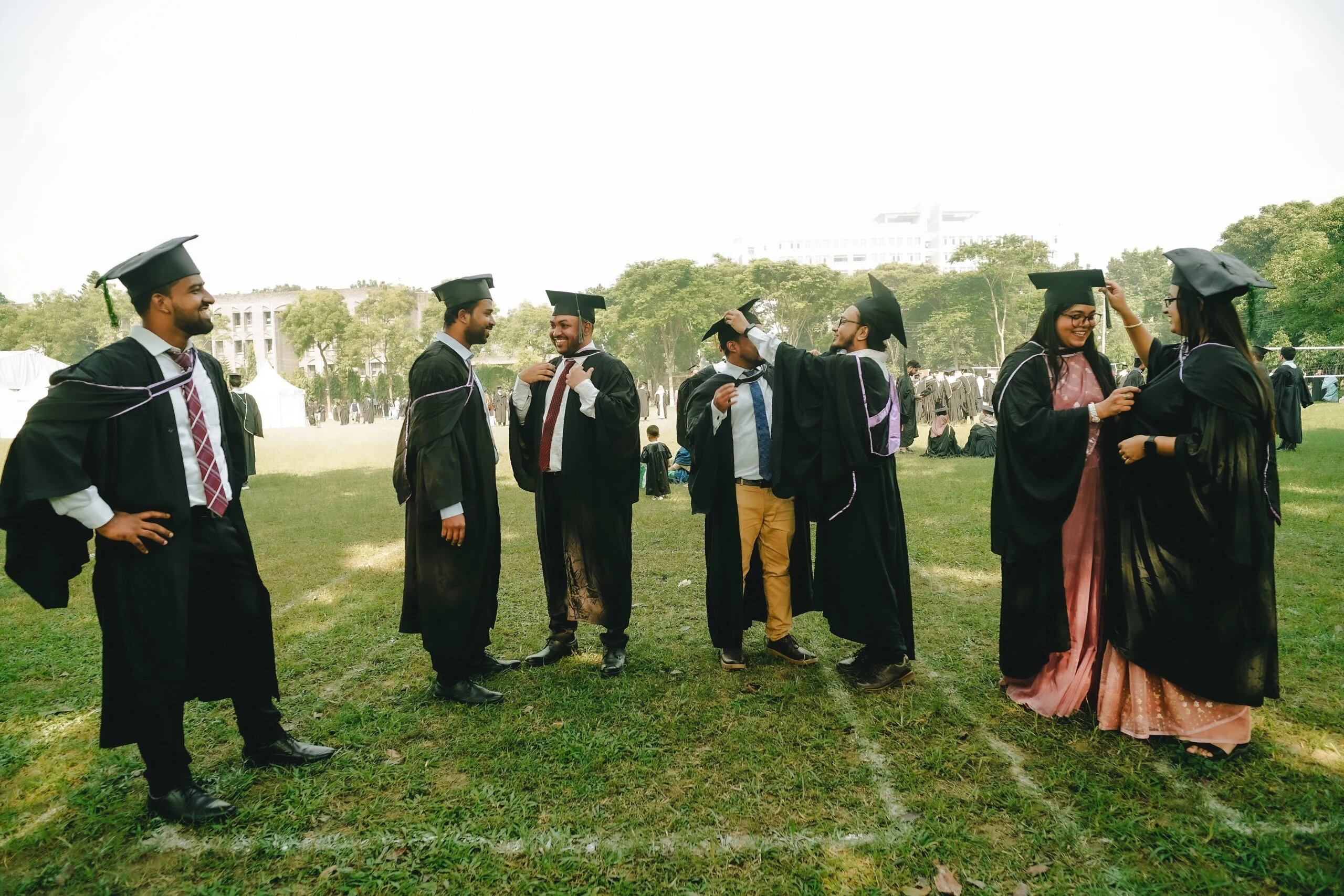
India’s Gross Enrollment Ratio (GER) in higher education stands at 27.1% (AISHE 2020-21). This means nearly three-quarters of college-age Indians are not in any form of higher education.
The NEP 2020 has set a target of 50% GER by 2035 - an ambitious goal that will require a massive expansion of institutions, faculty, and financial support. For comparison, China’s GER crossed 50% in 2019.
10. NEP 2020: Three Years On, Implementation Remains Patchy
The National Education Policy 2020 was hailed as a transformative document - the first major education policy in 34 years. It promised foundational literacy by Class 3, multilingual education, vocational training from Class 6, and a restructured 5+3+3+4 school system.
Three years after its announcement, implementation remains uneven. Some states have begun pilot programmes; others haven’t started. The foundational literacy mission (NIPUN Bharat) has been launched, but on-ground impact is yet to be measured at scale. The policy’s success depends not on its ambition but on execution - and execution requires money, teachers, and political will.
The data is sobering, but it is not a verdict. Countries with similar challenges - Vietnam, Rwanda, Kerala within India itself - have shown that determined action can transform outcomes. Here’s what needs to happen:
1. Increase Education Spending to 6% of GDP
Every reform depends on funding. India needs to commit to the 6% target - not as an aspiration, but as a non-negotiable investment in its future. This means at least doubling the current central allocation.
2. Focus on Learning Outcomes, Not Just Enrollment
The fixation on enrollment numbers has masked a deeper crisis of quality. Regular, standardised assessments (like ASER) need to be built into the system, with accountability mechanisms for schools and states.
3. Fill Teacher Vacancies and Invest in Training
Hiring 10 lakh teachers should be treated as a national priority. Equally important is continuous professional development - teachers need training in modern pedagogy, not just degrees.
4. Bridge the Digital Divide
Every school needs internet connectivity and digital tools. Programmes like PM eVIDYA and DIKSHA are a start, but they need to reach the last village, the last child.
The Bottom Line
India’s education crisis is not one of aspiration - it is one of execution. The policies exist. The constitutional mandate exists. What’s missing is the sustained political will and financial commitment to turn promises into outcomes.
Every year that passes without action, another generation of children loses its chance. The 10 numbers in this article aren’t just statistics - they are the stories of millions of children who deserve better.
To learn more about organizations making a difference, read our article on 5 NGOs Transforming Rural Education in India.
Sources
- ASER Centre - Annual Status of Education Report 2023
- UDISE+ 2021-22 - Ministry of Education
- UNESCO Institute for Statistics - Out-of-school children
- All India Survey on Higher Education (AISHE) 2020-21
- Union Budget 2023-24, Ministry of Finance
- Census of India 2011
- National Education Policy 2020, Ministry of Education
What you can do
- Share the evidenceSend this to one person who should know about education.Share on WhatsApp
- Give an afternoonTeach, mentor, clean up, or lend your professional skills.Ways to volunteer
- Tell us what's missingKnow a story, a fact we got wrong, or a solution worth spotlighting?Suggest a story
Politically neutral. Every claim sourced. Report a correction.
No comments yet