How India's Youth Is Redefining Community Service
From campus volunteer drives to tech-enabled NGO wings, a new generation of young Indians is reshaping what community service looks like. Real examples of youth-led impact across health, education, environment, and disaster relief.
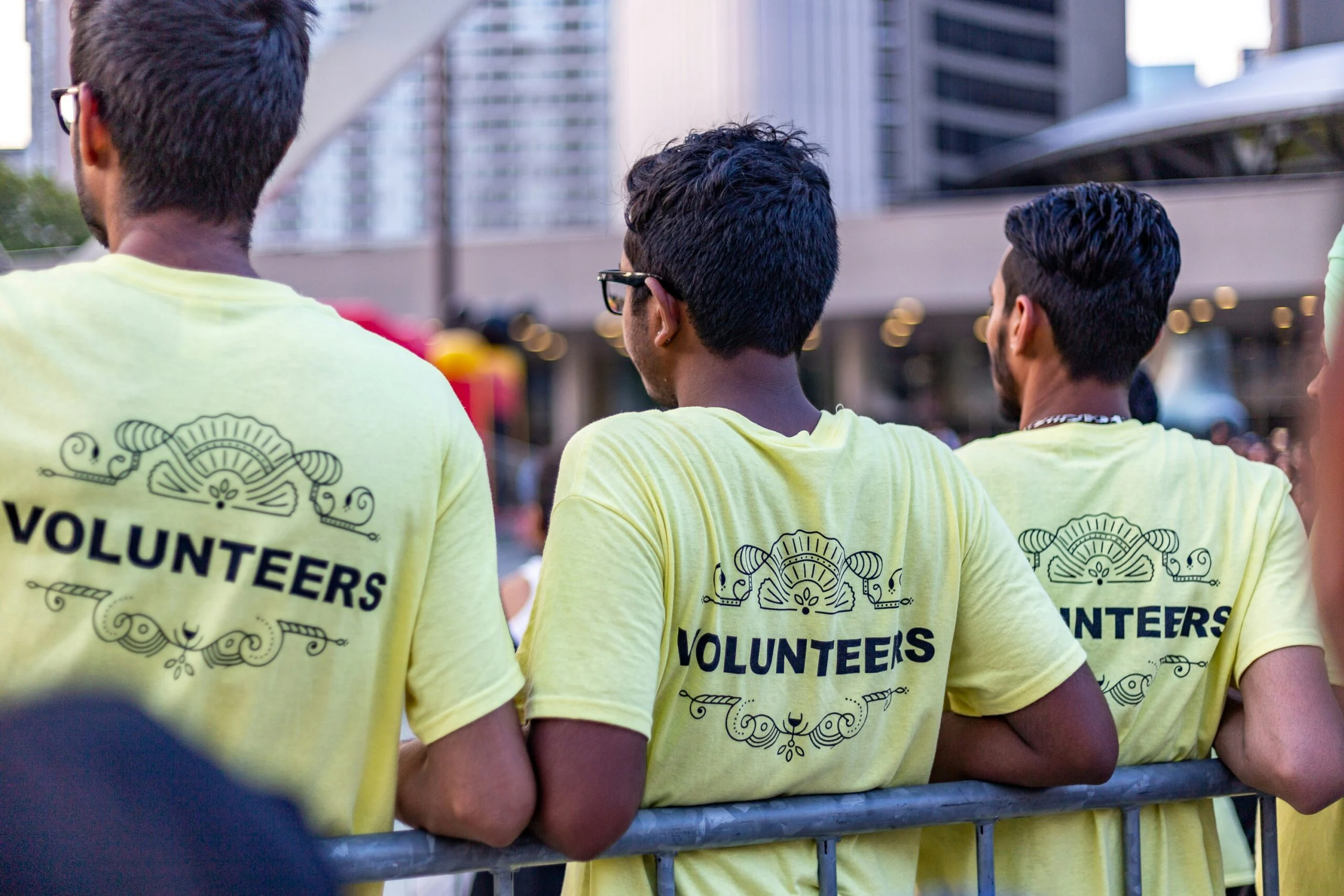
Something has shifted in how young Indians think about service. The generation now entering their twenties and thirties grew up with social media, real-time information, and an acute awareness of inequality. They can see the gap between what India is and what it could be. And a growing number of them are deciding to do something about it - not after they have settled into careers, but now.
This is not the paternalistic charity model of an older era - going to villages to dispense advice or distribute goods. Today’s young volunteers, activists, and social entrepreneurs are building systems, using technology as a lever, and insisting on community ownership of the solutions they help create. The shift is visible in the explosion of youth-led NGOs, campus service organizations, volunteer networks, and digital platforms for social action that have emerged over the last decade. Student-led NGOs solving India’s toughest problems are at the forefront of this transformation.
Campus Volunteer Networks: Where It Often Starts
Many of India’s most active young volunteers trace their commitment to a college or university experience. NSS (National Service Scheme) programs at over 400 Indian universities create a formal framework for student volunteering - in 2023, NSS reported over 4 million active volunteers. But beyond the official programs, informal networks have arguably been even more catalytic.
At IIT Bombay, Saathi - a student-run mental health initiative - grew from a peer support group to an organization with trained counselors, a helpline, and partnerships with the institute’s official health services. It was started by students, run by students, and has been replicated in modified forms at seven other institutions. The model demonstrates something important: young people who have experienced a problem firsthand often build the most effective responses to it.
At the University of Hyderabad, Enactus UoH - part of the global Enactus network but locally shaped - has run projects that have helped tribal artisans near the campus formalize their businesses, access e-commerce platforms, and increase income. The student teams design projects through direct community consultation, measuring success by economic outcomes rather than volunteer hours.
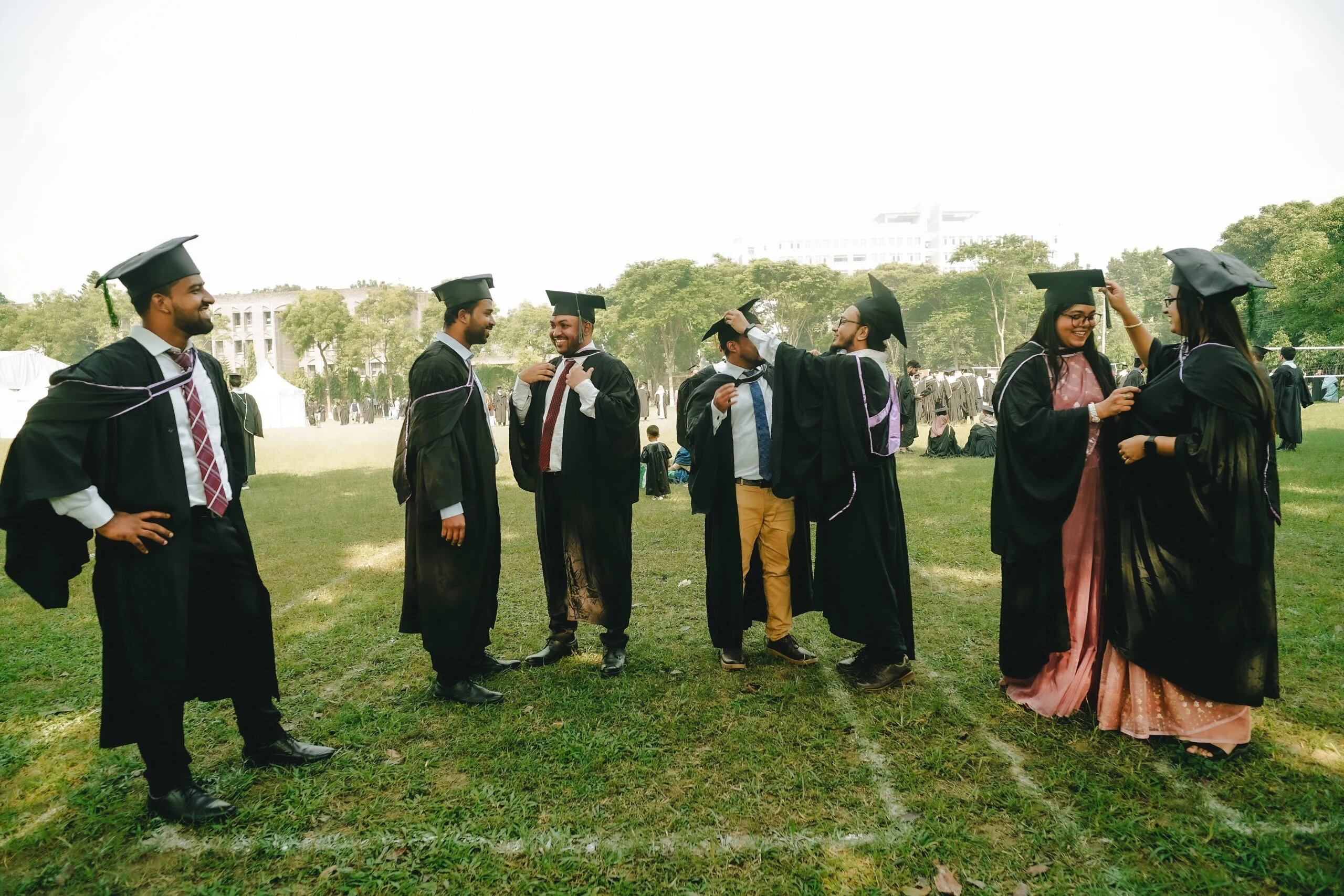
These campus networks are important not just for the immediate impact they create, but because they are training a generation of leaders who arrive at their careers having already managed teams, handled failure, and built something meaningful.
Tech for Good: Digital Tools in the Service of Community
The generation that grew up building apps and navigating social platforms is, predictably, using those skills in service. Tech-enabled volunteering and social impact has become one of the most visible trends in India’s youth-led service landscape.
Khushiyan, a platform built by a team of young engineers from Pune, connects volunteers with elder care needs in urban neighborhoods. The matching algorithm accounts for location, language, skill set, and availability. More than 8,000 volunteers across six cities have used it to provide everything from grocery delivery to technology tutoring to companionship for isolated seniors. The platform’s key insight was that supply (young people willing to help) and demand (elderly people who need it) both existed, but were not finding each other.
Give India’s volunteer platform, run by a primarily young team, has processed over 100,000 volunteer engagements and serves as the digital backbone for hundreds of NGOs across the country. The team’s philosophy is to make volunteering as frictionless as possible - signing up takes minutes, commitments can be as short as a few hours, and feedback mechanisms ensure that both volunteers and NGOs get genuine value from each interaction.
During COVID-19, young technologists built hyperlocal networks in days that connected hospital beds, oxygen cylinders, and medications to families in distress. The Twitter network of volunteers that operated during the second wave’s worst weeks in April and May 2021 was almost entirely organized by people under 30, using a combination of spreadsheets, WhatsApp, and social media to coordinate information at a pace that formal institutions could not match.
We are not doing charity. We are fixing systems that should have worked in the first place - and using every tool we have to do it faster.
NGO Youth Wings: Building From Within
Several of India’s established NGOs have formalized youth engagement through dedicated wings that give young people meaningful roles - not just administrative tasks or fundraising, but strategic and programmatic responsibilities.
Pratham’s Youth Fellowship program places graduates in underserved communities to support learning outcomes in government schools. Fellows are typically 21 to 26 years old, many from elite colleges, who spend one or two years working directly with teachers, school administrators, and parents. The program’s alumni network has become a significant pipeline for social sector leadership - many fellows go on to start their own initiatives or join other NGOs in senior roles.
Teach For India, modeled on Teach For All’s global framework, has placed over 5,000 fellows in low-income schools across 12 cities since 2009. The typical fellow is 22 to 26 years old, educated at a competitive institution, and choosing two years of community service over immediate corporate employment. The program is highly selective and demanding - fellows teach full-time while also designing interventions, analyzing student data, and engaging with families. TFI alumni are now running education-focused startups, policy programs, and NGOs across the country.
Environmental Action: Young Indians Taking the Lead
Climate anxiety is real for young Indians - polls consistently show that the under-30 demographic rates environmental issues among their top concerns. But beyond anxiety, a significant cohort is converting concern into organized action.
Fridays for Future India has organized climate strikes in cities from Chennai to Chandigarh, with youth coordinators in their teens and early twenties running the logistics. Separately, organizations like Let’s Do It India have organized large-scale urban cleanups that combine volunteer mobilization (thousands of participants per event) with waste segregation education and advocacy for better municipal waste management.
Reap Benefit, a Bengaluru-based organization that works with young people on civic and environmental action, has trained over 200,000 young Solve Ninjas to identify and address local civic problems - everything from blocked drains to broken streetlights to illegal dumping. The model turns young people from passive observers of civic dysfunction into active agents of local improvement.
Disaster Response: Speed, Scale, and Coordination
India’s disaster relief landscape has been transformed by youth-led volunteer networks. Floods, cyclones, earthquakes - each major disaster in the last decade has seen rapid mobilization of young volunteers who bring energy, technical skills, and social media amplification to relief efforts. The stories of volunteers building bridges across flood-hit communities capture just how far this movement has come.
The Kerala Floods of 2018 produced what many describe as the most effective civilian disaster response in Indian history. Young fishermen who became famous for their boat rescues worked alongside students from Thiruvananthapuram and Kochi who had converted social media groups into resource coordination centers within hours of the floods’ peak. The Kerala government’s eventual decision to coordinate with these informal networks rather than suppress them produced better outcomes for both sides.
In the Wayanad disaster response of 2024, young volunteers from across Kerala and neighboring states converged within days. NGOs with youth-led teams coordinated triage, shelter, food distribution, and debris clearing with a speed that older, more hierarchical organizations could not match.
Challenges That Still Need Addressing
- Sustainability: Many youth-led initiatives struggle to survive beyond the passion of their founders. Building institutional resilience - systems, succession planning, documentation - is a skill that most young founders have to learn on the job.
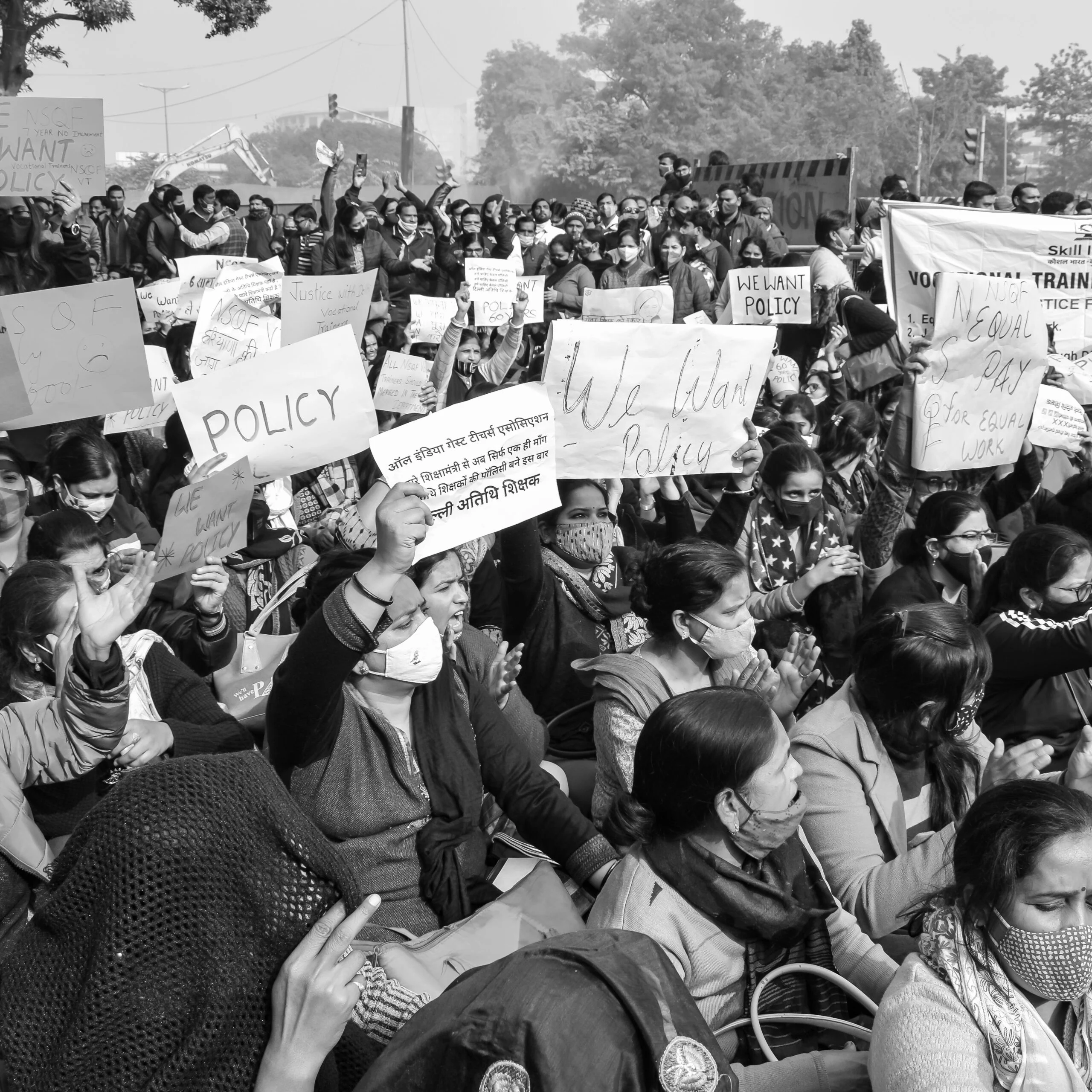
- Tokenism in NGO youth wings: Not all NGO youth engagement is genuine. Some organizations recruit young people for optics or fundraising and then give them no real authority. Young people increasingly recognize and walk away from these arrangements.
- Urban bias: The most visible youth-led service networks are concentrated in major cities. Rural communities, which have greater needs, have fewer formal volunteer organizations.
- Funding instability: Young-led organizations frequently struggle to access the small but critical grants - Rs. 2 to 10 lakh - that would let them hire their first paid staff member or run a pilot program. Most major funders prefer established organizations with track records.
What Makes This Generation Different
In conversations with young volunteers and social entrepreneurs across India, a few themes recur that distinguish this generation from those that came before.
First, a refusal to accept the false choice between impact and effectiveness. Previous generations of volunteers often operated in a framework where good intentions were sufficient justification for action. Today’s young activists ask hard questions about whether their programs actually work, use data to evaluate outcomes, and are willing to shut down initiatives that are not producing results.
Second, a comfort with collaboration across geographic and institutional lines. A volunteer network in Pune will share learnings with one in Bhopal. A student organization at BITS Pilani will partner with one at Delhi University. The social media-native generation has a natural instinct for network effects that older, more territorially-minded organizations lacked.
Third, an insistence on dignity. The best of India’s young service leaders are deeply conscious of the power dynamics in volunteer-community relationships. They design programs with communities, not for them. They pay attention to whether their presence is actually wanted. They credit local knowledge. This represents a meaningful evolution from the charity paradigm of earlier decades.
Mental Health and Peer Support Networks
One of the most significant areas where young Indians are breaking new ground in community service is mental health. For decades, mental health was deeply stigmatized across Indian society, and seeking professional help was seen as weakness or even shameful. Young people are dismantling this stigma faster than any public health campaign could, through peer support networks that normalize conversations about anxiety, depression, and emotional wellbeing.
iCall at the Tata Institute of Social Sciences in Mumbai was one of the pioneers, offering free telephone and email counseling staffed by trained graduate students in psychology. The model has been replicated and adapted at universities across the country. What distinguishes these youth-led mental health initiatives from top-down government programs is their understanding of the language, platforms, and communication styles that young people actually use. A helpline advertised through Instagram stories reaches a different audience than one promoted through newspaper advertisements.
Organizations like The Live Love Laugh Foundation, Mann Talks, and Vandrevala Foundation have engaged young volunteers as mental health ambassadors who conduct awareness sessions in colleges, workplaces, and community centers. These ambassadors typically undergo structured training in mental health first aid, learning to recognize warning signs, provide initial support, and make appropriate referrals. The scale of this peer education network now reaches tens of thousands of young people annually who might never have engaged with mental health awareness through traditional channels.
The COVID-19 pandemic accelerated this trend dramatically. When millions of young Indians found themselves isolated, anxious, and struggling with uncertainty, peer support networks expanded rapidly. WhatsApp groups, Telegram channels, and Discord servers became informal support communities where young people could share their struggles without judgment. Some of these informal networks have matured into structured organizations with trained facilitators, referral pathways, and partnerships with professional mental health providers.
Rural Fellowships and Beyond-Metro Impact
The urban bias in youth-led service is real, but a growing number of programs are deliberately placing young people in rural communities for extended engagements. These fellowships go beyond the occasional village visit or weekend camp. They embed young professionals and graduates in rural settings for months or years, creating the deep relationships and contextual understanding that meaningful rural development requires.
The Gandhi Fellowship, established by the Piramal Foundation, places young graduates in government school systems as school leaders for a two-year period. Fellows work directly with school principals and district education officers to improve learning outcomes, often in remote districts of Rajasthan, Jharkhand, and Chhattisgarh. The program has placed over 2,000 fellows since its inception, and many alumni continue working in education and rural development long after their fellowship ends.
SBI Youth for India Fellowship, supported by the State Bank of India, places young professionals in rural NGOs for 13-month periods. Fellows bring skills in technology, management, communications, and design to organizations that have deep community roots but limited access to these capabilities. The cross-pollination benefits both sides. Fellows gain ground-level understanding of rural India’s challenges, while host organizations gain capacity they could not otherwise afford.
India Fellow, another prominent program, places young people in community-based organizations across rural and semi-urban India. The program emphasizes not just service delivery but critical thinking about development itself. Fellows are encouraged to question assumptions about what communities need, who should provide it, and how change actually happens at the grassroots level. This reflective approach produces alumni who are more thoughtful and effective in their subsequent careers.
Social Entrepreneurship: Service as Sustainable Business
The line between community service and social entrepreneurship is increasingly blurred among young Indians. A generation that grew up watching startups disrupt traditional industries is now applying the same energy and methodology to social problems, but with a crucial difference: the metric of success is impact, not just revenue.
Menstrual hygiene, long taboo in Indian public discourse, has seen an explosion of youth-led startups and NGOs producing affordable sanitary products, conducting awareness programs in schools, and advocating for policy changes. Organizations like Pad Project India, Menstrupedia, and dozens of local initiatives are led by young people who refused to accept that half the population should suffer from a preventable health and dignity issue.
Waste management is another area where young entrepreneurs are building service-oriented businesses. Kabadiwalla Connect in Chennai uses technology to formalize the informal waste collection economy, connecting households with waste collectors and recyclers through a digital platform. The young founders saw that India’s waste crisis was partly an information and logistics problem that technology could help solve, while simultaneously improving livelihoods for waste workers who were already doing essential work without recognition or fair compensation.
Education Innovation: Bridging the Learning Gap
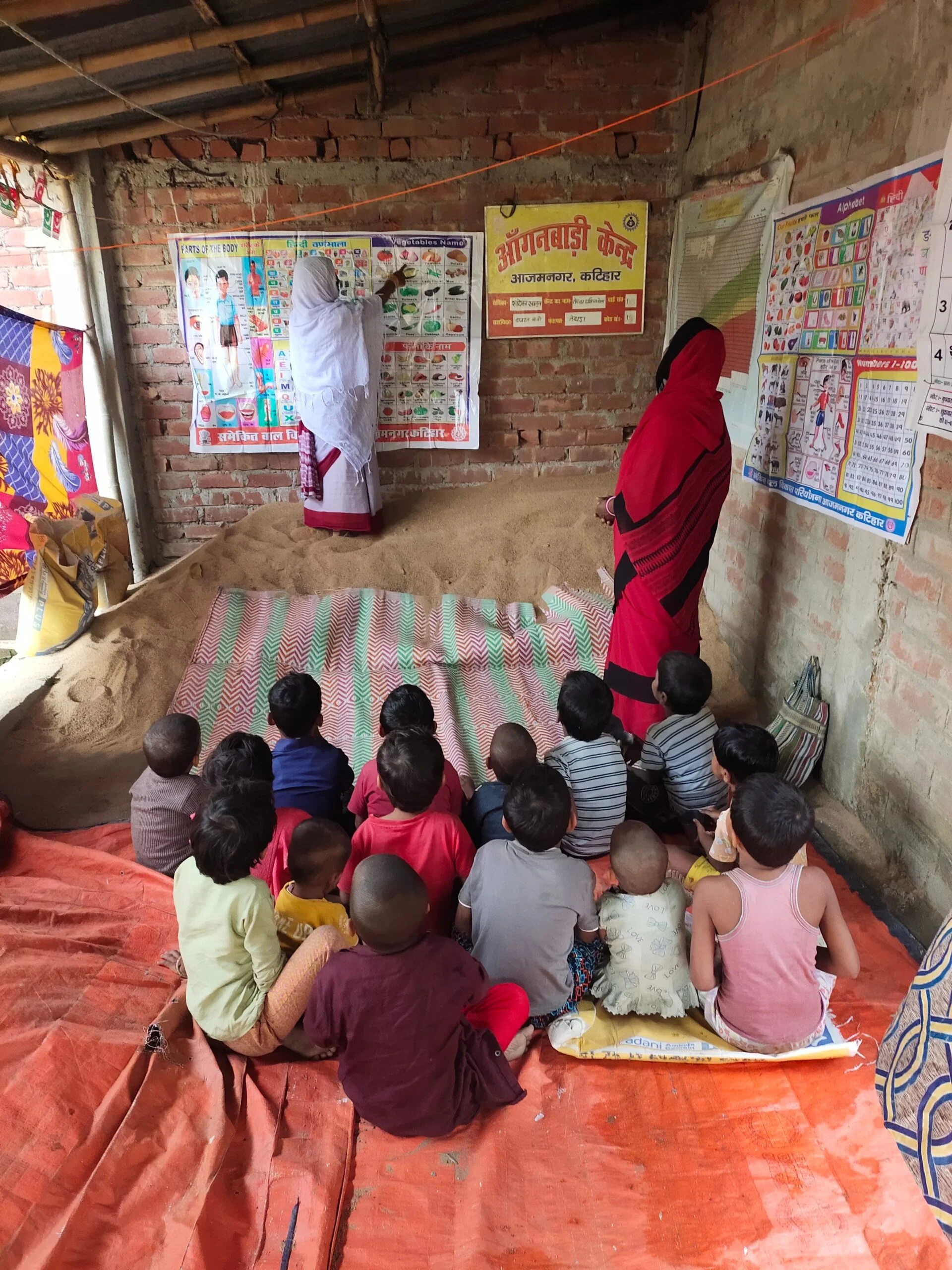
Education remains the single largest area of youth community service in India, and for good reason. Despite significant government investment in school infrastructure and enrollment, learning outcomes remain stubbornly low. The Annual Status of Education Report consistently shows that large proportions of Indian children in government schools cannot read at grade level or perform basic arithmetic. Young volunteers and social entrepreneurs are addressing this gap through after-school tutoring programs, digital learning initiatives, and innovative teaching methodologies.
Khan Academy India, Byju’s Social Initiative, and dozens of smaller organizations run volunteer-powered tutoring programs that supplement government school education. What sets the youth-led versions apart is their willingness to experiment with non-traditional teaching methods, gamified learning, peer teaching models, multilingual content, and creative arts integration that make learning engaging for children who have been failed by rote-based classroom instruction.
Library programs deserve special mention. Organizations like Pratham Books and Room to Read have inspired young volunteers across India to set up community libraries, reading circles, and mobile libraries that bring books to children in communities where bookstores and public libraries do not exist. These programs recognize that reading for pleasure, not just reading for exams, is foundational to lifelong learning and intellectual development. Young volunteers running story hours, book clubs, and reading festivals in community centers and under-resourced schools are building a culture of reading that has generational implications.
The Role of Corporate Volunteering Programs
India’s corporate sector, particularly the technology industry, has become an important enabler of youth community service through structured employee volunteering programs. Companies like Infosys, TCS, Wipro, and dozens of startups offer paid volunteer days, skills-based volunteering programs, and corporate matching for employee-led initiatives. For many young professionals, these programs provide the structure and institutional support that makes sustained volunteering possible alongside demanding careers.
The most effective corporate volunteering programs go beyond painting walls and planting trees. Skills-based volunteering, where young professionals contribute their professional expertise to NGOs, has proven particularly valuable. A young data analyst helping an education NGO analyze student performance data, a designer creating communications materials for a health organization, a software engineer building a donor management system for a community foundation. These contributions leverage the specific skills that young professionals bring and create lasting value for the organizations they serve. The most forward-thinking companies now recognize that supporting employee volunteering is not just corporate social responsibility but a retention strategy, because young employees increasingly choose employers whose values align with their own commitment to social impact.
India’s problems are large. The scale of need in healthcare, education, livelihoods, and environment would overwhelm any generation. But the young Indians who are choosing to engage with these problems - in organized, technology-enabled, data-driven, dignity-respecting ways - represent something genuinely new. The country they will shape over the next thirty years will be built partly from this work.
The question is not whether young Indians are willing to serve. They clearly are, in growing numbers and with increasing sophistication. The question is whether India’s institutions - government, corporate, philanthropic, and civil society - will create the conditions for this willingness to translate into lasting, structural change. Adequate funding for youth-led organizations, policy environments that enable rather than obstruct social innovation, educational systems that value service alongside academic achievement, and cultural narratives that celebrate community builders alongside business tycoons - all of these are necessary for the youth service movement to fulfill its potential.
The generation now entering adulthood in India has tools, awareness, and ambition that no previous generation possessed. What they build with these assets will define India’s trajectory for decades to come. The evidence is already visible in the thousands of organizations, platforms, and networks that young Indians have built in the last decade alone. From peer mental health support in college dormitories to large-scale disaster relief coordination, from rural education fellowships to tech-enabled volunteer matching, from menstrual hygiene advocacy to waste management innovation, young Indians are demonstrating that community service is not a side activity or a resume builder. It is a core expression of citizenship in a democracy where the gap between what exists and what is possible remains vast but narrowing, one initiative at a time.
What you can do
- Share the evidenceSend this to one person who should know about education.Share on WhatsApp
- Back what worksVolunteer time or skills with groups doing this work.Ways to volunteer
- Tell us what's missingKnow a story, a fact we got wrong, or a solution worth spotlighting?Suggest a story
Politically neutral. Every claim sourced. Report a correction.
No comments yet