What is the Right to Education Act? A Simple Guide
The Right to Education Act made free schooling a fundamental right for every child aged 6-14 in India. But what does it actually promise, and how well has it delivered? Here's a simple guide.
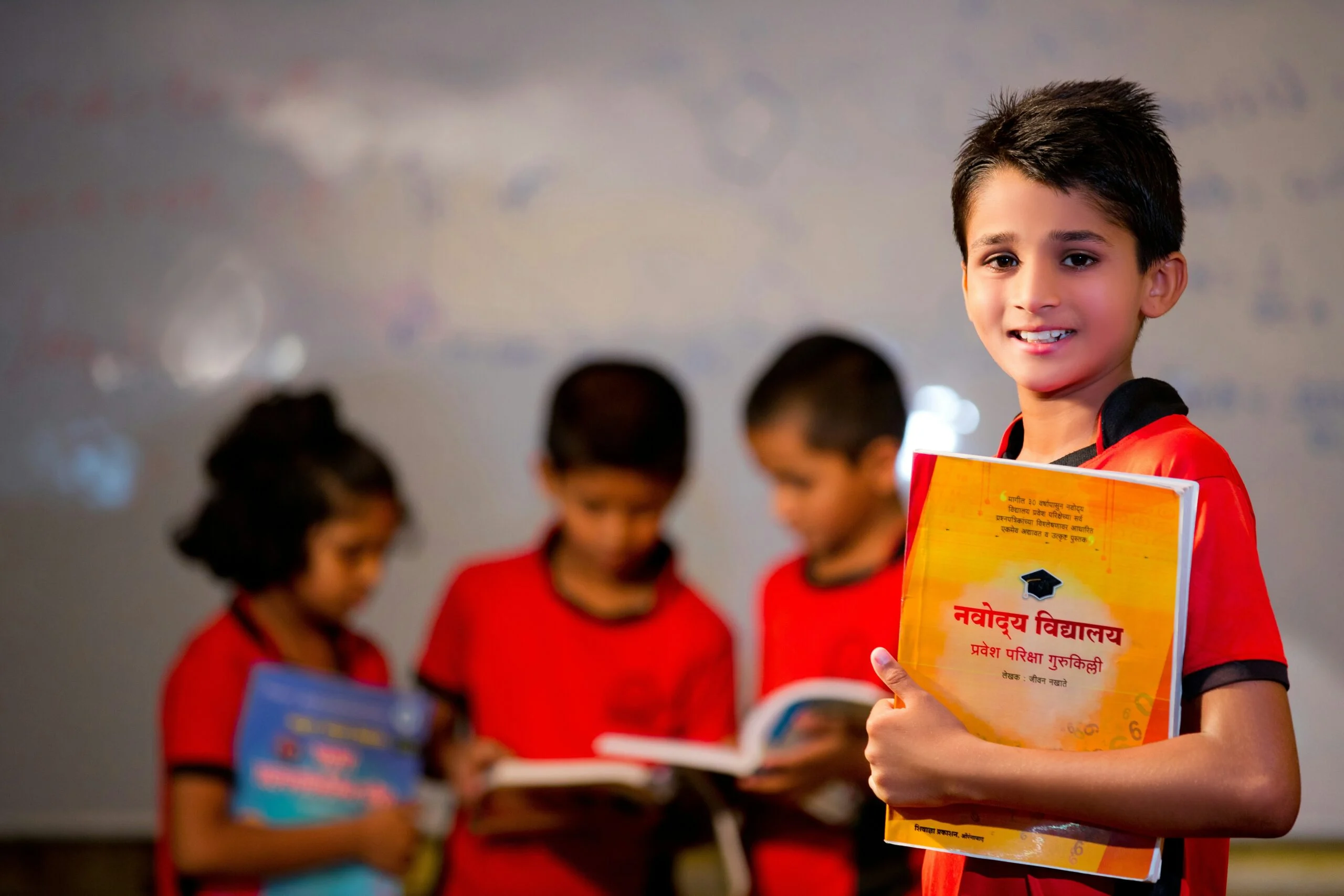
What is the RTE Act?
The Right of Children to Free and Compulsory Education Act, commonly known as the RTE Act, was passed by the Indian Parliament in 2009 and came into effect on 1 April 2010. It made India one of 135 countries in the world to make education a fundamental right.
Under Article 21A of the Indian Constitution, every child between the ages of 6 and 14 has the right to free and compulsory education in a neighbourhood school. “Free” means no child can be asked to pay fees or bear any expense that prevents them from attending school. “Compulsory” means the government is obligated to ensure every child gets a school seat. Despite this landmark law, India’s education crisis remains stark when you look at the numbers, with millions of children still struggling to access quality learning.
The RTE Act goes beyond just guaranteeing admission. It lays down detailed norms for how schools should function:
- No fees or charges: Education from Class 1 to Class 8 must be entirely free in government and government-aided schools.
- 25% reservation in private schools: All private unaided schools must reserve at least 25% of seats in Class 1 for children from Economically Weaker Sections (EWS) and disadvantaged groups, with the government reimbursing costs.
- Infrastructure norms: Every school must have a building, adequate classrooms, separate toilets for boys and girls, a playground, a library, and drinking water facilities.
- Pupil-teacher ratio: A maximum of 30:1 for primary schools and 35:1 for upper primary schools.
- Qualified teachers: All teachers must have minimum qualifications as prescribed by law. Unqualified teachers were given time to acquire qualifications.
- No detention policy: Originally, no child could be held back or expelled until Class 8. This was amended in 2019, allowing states to hold exams in Classes 5 and 8 and offer remedial instruction for those who fail.
- No corporal punishment: Physical punishment and mental harassment are banned.
- No admission tests: Schools cannot conduct screening procedures for admitting children or their parents.
The RTE Act transformed education from a policy aspiration into a legally enforceable fundamental right for every child in India aged 6 to 14.
Before the RTE Act, education was a Directive Principle of State Policy - a goal the government should work towards, but not a legal obligation. The 86th Constitutional Amendment in 2002 changed this by inserting Article 21A, and the RTE Act provided the legal framework to enforce it.
The impact on enrollment has been significant. The number of out-of-school children dropped from an estimated 13.4 million in 2006 to around 6 million by 2014 (the numbers have since risen due to COVID-19). Net enrollment ratios at the primary level are now above 95% nationally.
The 25% quota in private schools, while contentious, has opened doors for lakhs of children from poor families to access English-medium and better-resourced schools.
Provision | Detail |
|---|---|
Age coverage | 6–14 years (Class 1 to Class 8) |
Applies to | Government, private aided, and private unaided schools |
EWS quota | 25% seats reserved in private unaided schools |
Pupil-teacher ratio | 30:1 (primary), 35:1 (upper primary) |
Detention policy | States may hold exams in Classes 5 and 8 (amended 2019) |
Funding | Centre:State ratio of 60:40 (90:10 for NE states) |
School governance | SMCs with 75% parent representation |
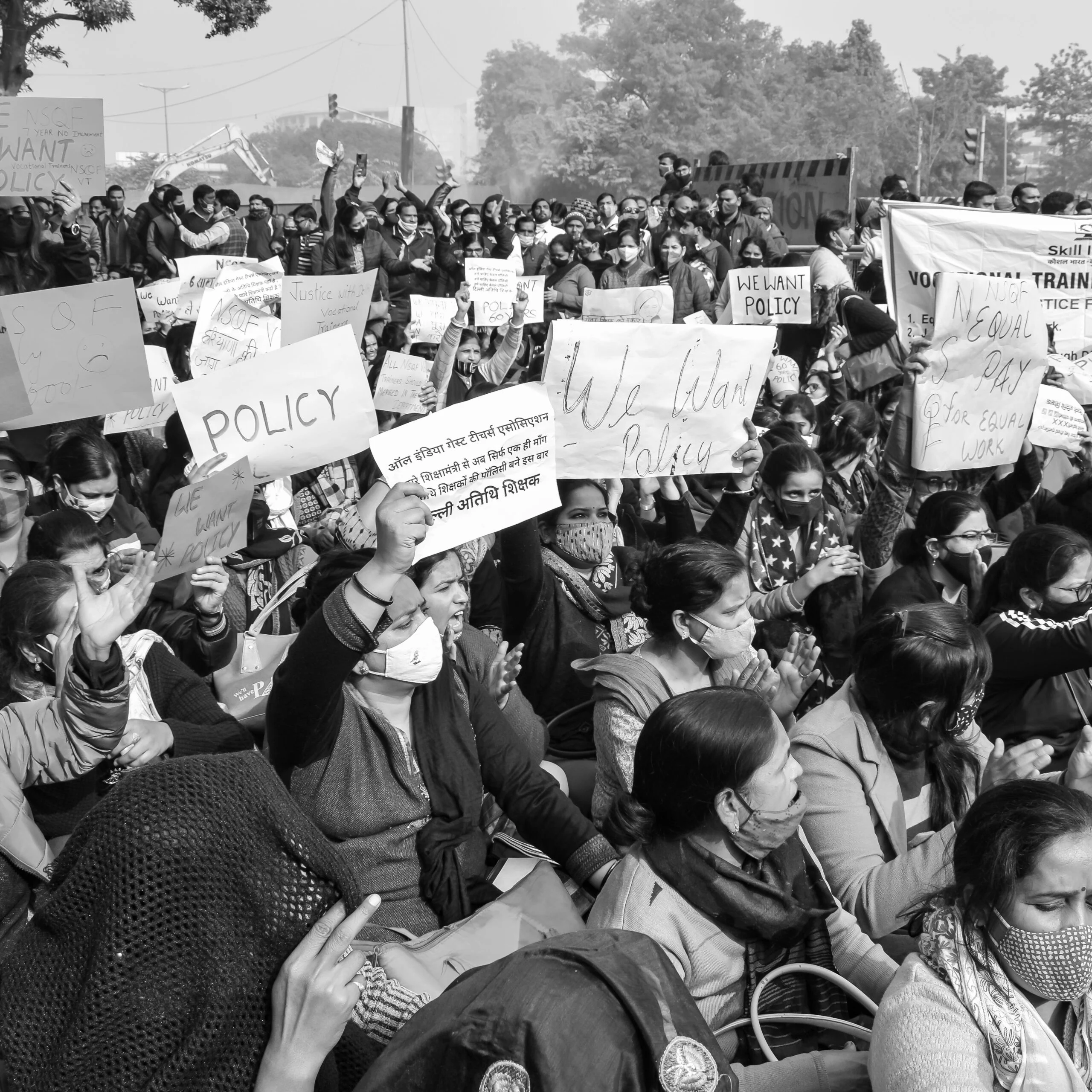
Despite its transformative intent, the RTE Act has faced significant implementation challenges:
Quality vs. access: The Act focused heavily on getting children into schools but said little about what they should learn once there. As ASER data consistently shows, enrollment has improved, but learning outcomes remain poor.
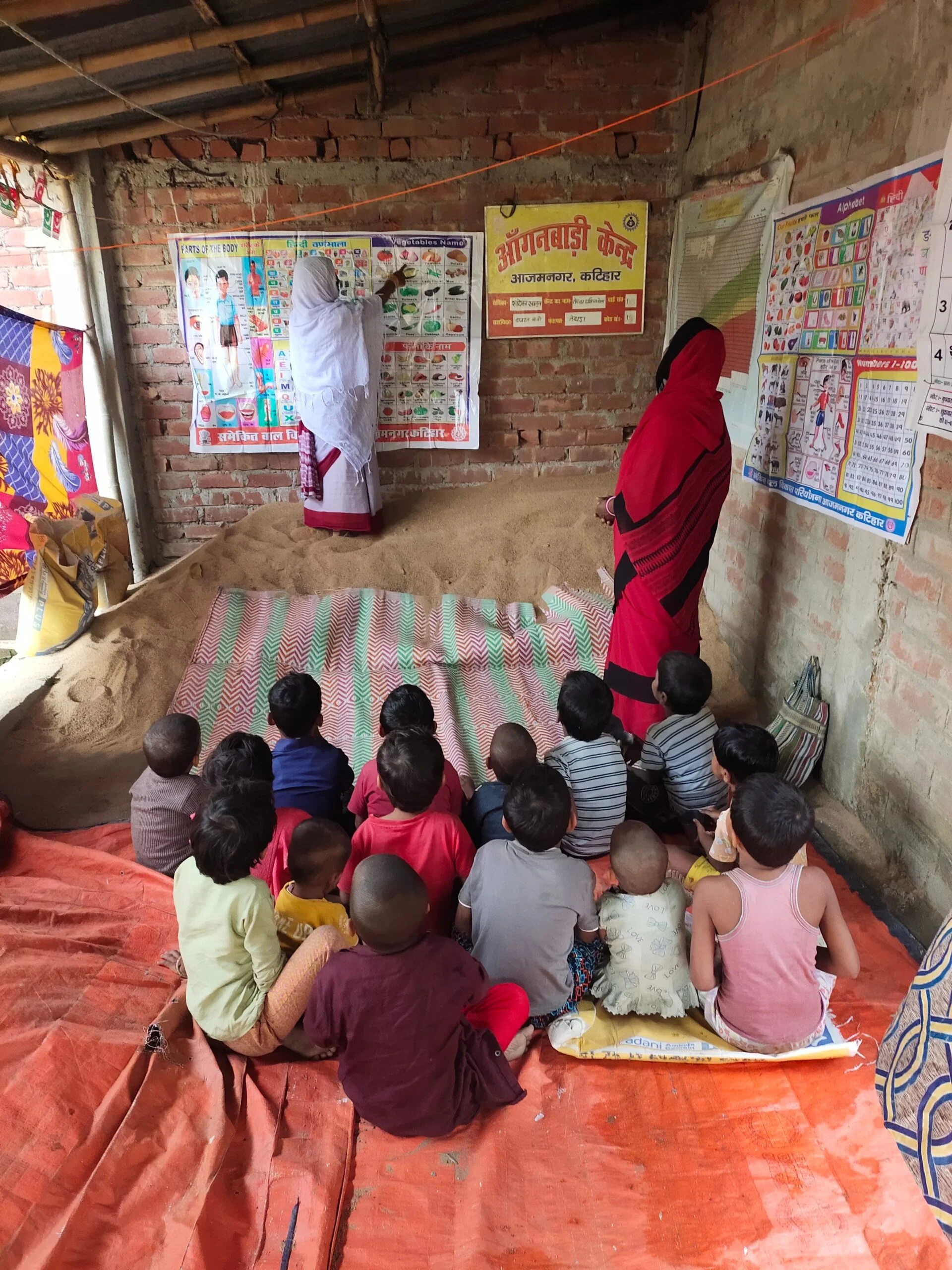
Infrastructure gaps persist: A 2023 parliamentary committee report found that thousands of schools still lack basic facilities - toilets, drinking water, boundary walls - that the RTE Act mandated over a decade ago.
Private school resistance: Many private schools have resisted the 25% quota, citing inadequate government reimbursement and administrative burdens. Court cases have challenged the provision, though the Supreme Court upheld it in 2012.
Funding shortfall: Implementation requires estimated expenditure of Rs 2.31 lakh crore, but actual allocation has consistently fallen short. States complain that central funding is inadequate.
Teacher quality: While the Act mandated qualified teachers, many states granted extensions to unqualified teachers. The focus on qualifications also didn’t address the deeper issue of pedagogical quality.
Bridging these gaps requires collective effort. Several NGOs are doing remarkable work to improve education in rural India, tackling the very challenges the RTE Act has struggled to resolve through government channels alone.
Does RTE apply to minority schools?
In 2014, the Supreme Court ruled that the RTE Act does not apply to minority institutions (both aided and unaided) that are protected under Articles 29 and 30 of the Constitution. This means minority schools are exempt from the 25% reservation requirement.
What happens after age 14?
The RTE Act covers education only up to age 14 (Class 8). After that, children have no legal right to free education. This is a significant gap - the secondary school dropout rate (35.5%) shows what happens when the safety net ends. The NEP 2020 proposes universalising secondary education, but no corresponding legal framework exists yet.
How is the 25% quota implemented?
Parents from EWS or disadvantaged groups apply during the admission cycle. Selection is typically through a lottery system managed by the district education office. The government reimburses the school either the actual fees charged or the per-child expenditure in government schools, whichever is lower.
Has RTE improved enrollment?
Yes, significantly at the primary level. Net enrollment at the primary stage rose from 84% in 2005 to over 95% by 2015. However, upper primary and secondary retention remain challenges. COVID-19 also reversed some gains, with an estimated 10 million additional dropouts.
What’s NEP 2020’s relationship with RTE?
The National Education Policy 2020 builds on the RTE framework but goes further. It proposes extending the right to education from age 3 (pre-primary) to age 18. It also shifts focus from inputs (infrastructure, teacher ratios) to outcomes (foundational literacy and numeracy by Class 3). However, the NEP is a policy document, not a law - its recommendations need separate legislation to become enforceable rights.
- The Right of Children to Free and Compulsory Education Act, 2009
- 86th Constitutional Amendment Act, 2002
- Supreme Court of India - Society for Un-aided Private Schools of Rajasthan v. Union of India (2012)
- UDISE+ 2021-22, Ministry of Education
- ASER 2023, ASER Centre
- National Education Policy 2020, Ministry of Education
What you can do
- Share the evidenceSend this to one person who should know about education.Share on WhatsApp
- Give an afternoonTeach, mentor, clean up, or lend your professional skills.Ways to volunteer
- Tell us what's missingKnow a story, a fact we got wrong, or a solution worth spotlighting?Suggest a story
Politically neutral. Every claim sourced. Report a correction.

No comments yet