The Gender Pay Gap in India: Why Women Still Earn Less
Indian women earn 19% less than men for the same work. From occupational segregation to the motherhood penalty, here is a data-driven deep dive into why the gender pay gap persists in India and what must change.
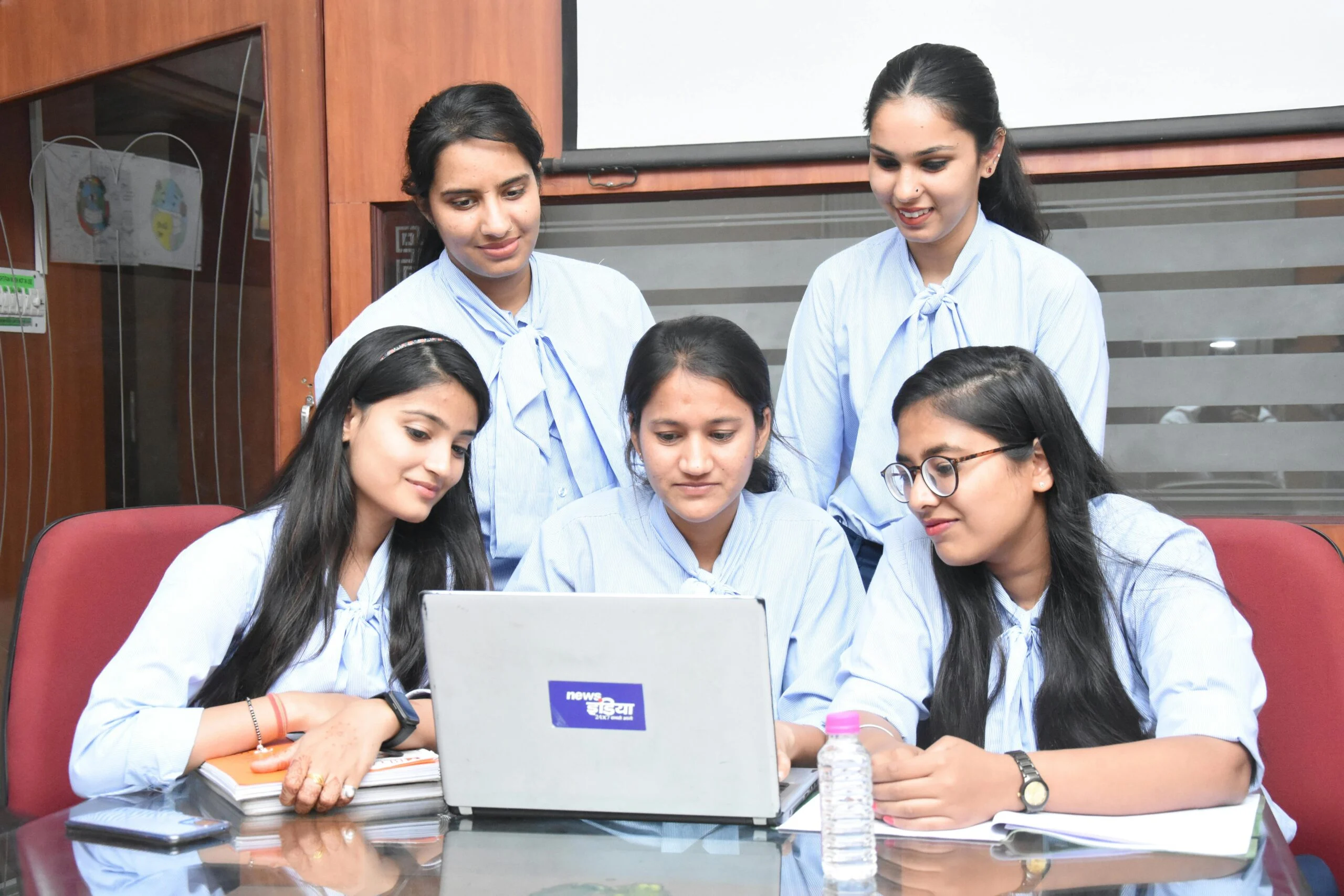
In 2024, India sent a spacecraft to the south pole of the Moon, became the world’s fifth-largest economy, and powered a tech industry valued at over $250 billion. Yet, for all its ambitions, the country continues to fail half its population on one of the most basic measures of economic fairness: equal pay for equal work. According to the International Labour Organization (ILO), Indian women earn approximately 19% less than men for performing the same work. In certain sectors, that gap balloons past 30%. The gender pay gap in India is not a footnote in the country’s development story - it is a defining chapter, one that costs women their financial independence, limits household prosperity, and drags down the nation’s GDP potential by billions of dollars every year.
This is not simply about numbers on a payslip. Behind every percentage point lies a woman who is told her labour is worth less, a mother who is pushed out of the workforce after her first child, a young graduate who discovers that her male classmate - with identical qualifications - has been offered a higher starting salary. The gender pay gap in India is a systemic failure rooted in cultural norms, policy neglect, and institutional bias. Understanding it requires looking beyond averages and into the granular realities of work, caregiving, education, and opportunity across the country’s diverse landscape.
Before we diagnose causes or propose solutions, let us look squarely at the data. The gender pay gap in India is not a marginal issue - it is a structural crisis backed by hard evidence from government surveys, international agencies, and corporate disclosures.
Women’s Labour Force Participation: Among the Lowest in the World
According to the Periodic Labour Force Survey (PLFS) 2023–24, India’s female labour force participation rate (FLFPR) stands at approximately 37%. While this marks an improvement from the historic low of 23.3% recorded in 2017–18, it remains among the lowest in the world - lower than Bangladesh (36.3% in formal sectors but higher overall), Sri Lanka, and most of Sub-Saharan Africa. By comparison, China’s FLFPR is around 61%, and the global average hovers near 47%.
This matters because a smaller female workforce means fewer women with bargaining power. When women’s participation is low, employers face less competitive pressure to offer fair wages. The low participation rate is both a symptom and a cause of the pay gap - women stay out of the labour force in part because the wages they can command are not worth the social costs of working, and wages stay low partly because so few women compete for higher-paying roles. India’s youth unemployment crisis hits young women particularly hard, compounding the problem.
The Pay Gap by Sector
The gender pay gap in India is not uniform across industries. Research from multiple sources, including the Monster Salary Index and ILO reports, reveals stark differences:
- Information Technology (IT): Women earn approximately 26% less than their male counterparts, despite the sector’s reputation as a meritocratic, modern industry. The gap widens significantly at senior levels, where women are grossly underrepresented.
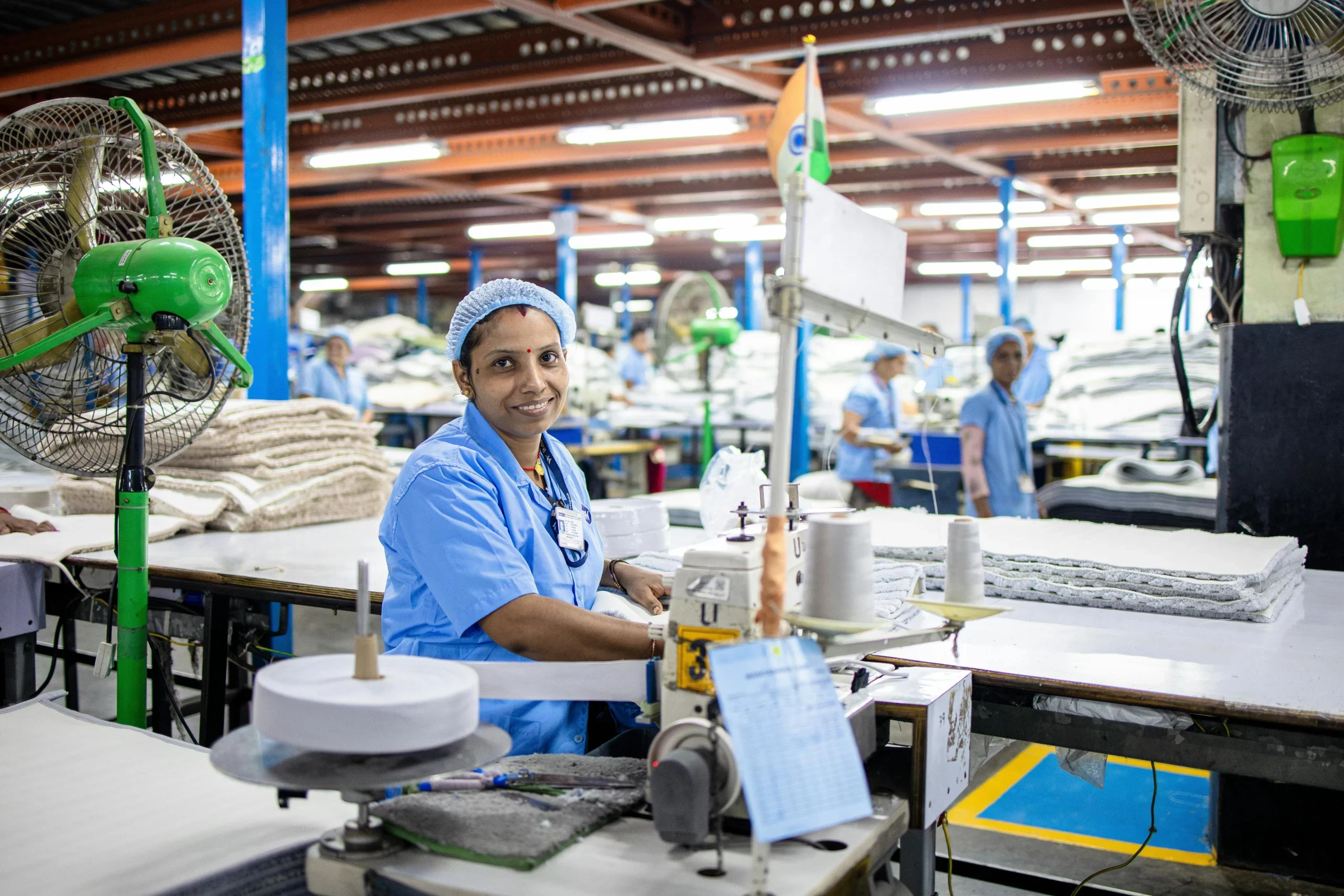
- Manufacturing: The pay gap reaches as high as 34%, making it one of the worst-performing sectors. Women in manufacturing are disproportionately concentrated in low-skill, low-wage roles such as garment stitching and food processing.
- Agriculture: With a gap of approximately 17%, agriculture performs relatively better - but only because wages are uniformly low for both genders. Women agricultural workers often earn below minimum wage, and much of their work (post-harvest processing, livestock management) goes entirely uncompensated.
- Financial Services and Banking: The gap ranges between 20% and 28%, with the widest disparities appearing in performance-linked bonuses and variable pay, which tend to favour men.
- Healthcare: Despite women constituting the majority of frontline healthcare workers (nurses, ASHA workers, anganwadi workers), the pay gap persists at around 18–22%, especially in private hospitals.
The Invisible Labour: Unpaid Care Work
Perhaps the most damning statistic is one that does not appear on any payslip at all. According to the NSS Time Use Survey, Indian women spend five times more time on unpaid domestic and care work than men - roughly 299 minutes per day compared to 97 minutes for men. This includes cooking, cleaning, childcare, elder care, fetching water, and managing household logistics.
If this unpaid labour were assigned an economic value, it would constitute an estimated 3.1% of India’s GDP - over $100 billion annually. This invisible workload is not merely a cultural quirk; it is the single biggest structural barrier to women’s economic participation. It constrains the hours women can devote to paid work, limits their ability to pursue education and skills training, and exhausts the physical and mental energy they bring to their jobs.
The Boardroom Ceiling
At the highest echelons of corporate India, women’s representation remains shockingly thin. Only 8.9% of board seats in NSE-listed companies are held by women, and many of these are non-executive or independent directors appointed to meet SEBI’s mandatory quota introduced in 2015. The number of women in C-suite positions (CEO, CFO, COO) is even smaller - estimated at under 5% across India’s top 500 companies.
This leadership gap is not just a representation issue. It directly perpetuates the pay gap. When men dominate decision-making roles, compensation structures, promotion criteria, and workplace policies tend to reflect male career patterns and priorities. Research consistently shows that companies with more women in leadership positions have smaller internal pay gaps.
Global Rankings: Where India Stands
India ranks 127th out of 146 countries on the World Economic Forum’s Global Gender Gap Index 2023. On the economic participation and opportunity sub-index, the country performs even worse. India trails not only developed economies but also many lower-income nations. Neighbours like Bangladesh (59th) and Sri Lanka (115th) consistently outperform India on gender economic indicators.
The Motherhood Penalty
One of the most devastating drivers of the gender pay gap in India is the so-called “motherhood penalty.” A landmark World Bank study found that Indian women experience a 73% drop in earnings within five years of the birth of their first child. This is among the steepest motherhood penalties documented anywhere in the world.
The mechanisms are well understood: women take career breaks (often involuntary), return to lower-paying roles, are passed over for promotions, and face employer bias that assumes reduced commitment. Men, by contrast, experience a “fatherhood bonus” - their earnings tend to increase after becoming fathers, as they are perceived as more stable and committed workers. This asymmetry alone accounts for a substantial share of the lifetime earnings gap between Indian men and women.
The gender pay gap in India is not caused by a single factor but by a web of interconnected structural, cultural, and institutional forces. Let us examine the key drivers.
1. Occupational Segregation
Indian women are disproportionately concentrated in a narrow range of low-paying occupations and sectors. They dominate roles in domestic work, garment manufacturing, teaching, nursing, and informal agriculture - all of which are systematically undervalued and underpaid. Meanwhile, high-paying sectors like engineering, finance, construction, and technology remain heavily male-dominated. This “horizontal segregation” means that even if men and women within the same role earned exactly the same, the overall pay gap would persist because women are clustered in low-wage work.
There is also “vertical segregation” - within any given sector, women are concentrated at lower levels of the hierarchy. A technology company may employ thousands of women as junior developers, testers, and support staff, but its engineering leads, architects, and vice presidents are overwhelmingly male. The result is a compounding pay gap that widens at every rung of the ladder.
2. The Negotiation Gap
Research from Indian business schools and global studies consistently shows that women are less likely to negotiate their starting salaries and raises - and when they do, they often face social penalties (being perceived as “aggressive” or “difficult”) that men do not. A 2022 study by the Indian School of Business found that male MBA graduates negotiated starting salaries that were, on average, 7.4% higher than the initial offer, while female graduates negotiated only 3.1% higher. Over a 30-year career with compounding raises, this initial gap translates into hundreds of thousands of rupees in lost earnings.
3. Career Breaks and the “Leaky Pipeline”
Indian women exit the workforce at disproportionately high rates during their late twenties and thirties - precisely the years when careers accelerate and earnings grow fastest. Marriage, childbirth, elder care responsibilities, and spousal relocation are the primary drivers. A study by Ashoka University found that approximately 50% of Indian women who leave the workforce for caregiving never return. Those who do return often accept roles below their previous level, at lower pay, and with diminished career trajectories.
This “leaky pipeline” is not solely a matter of personal choice. It reflects inadequate parental leave policies (India’s 26-week maternity leave, while generous on paper, often discourages employers from hiring women of childbearing age), near-total absence of affordable childcare, and social expectations that position caregiving as exclusively women’s work.
4. Hiring Bias and Discrimination
Despite legal prohibitions, gender-based hiring discrimination remains widespread in India. Audit studies - where identical resumes with male and female names are sent to employers - consistently find that men receive more interview callbacks, higher salary offers, and are more likely to be hired for senior roles. In a notable 2021 study covering Indian tech firms, resumes with female names received 25% fewer callbacks than identical resumes with male names for engineering positions.
Discrimination also operates through subtler channels: job advertisements that use gendered language (“aggressive,” “dominant”), networking cultures that exclude women (golf outings, late-night socialising), and performance review systems that penalise women for behaviours rewarded in men (assertiveness, self-promotion).
5. The Glass Ceiling and the “Broken Rung”
McKinsey’s “Women in the Workplace” research identifies the biggest barrier to women’s advancement not as the glass ceiling at the top but as the “broken rung” at the first step up to management. For every 100 men promoted to a managerial role in Indian companies, only approximately 72 women receive the same promotion. This initial disparity cascades upward: fewer women in middle management means fewer candidates for senior leadership, which means fewer women setting policy and compensation at the top.
India is not a monolith, and the gender pay gap varies dramatically across states. These differences illuminate the factors that either narrow or widen the gap.
States That Perform Better
- Kerala: With a female literacy rate of 96% and strong traditions of matrilineal property inheritance, Kerala has one of the narrower gender pay gaps in the country (estimated at 12–15%). The state’s investment in public health and education has created a large pool of skilled women workers, particularly in healthcare and education. However, even Kerala struggles with low female labour force participation - high education levels have not fully translated into workforce entry, partly due to a mismatch between available jobs and women’s qualifications.
- Mizoram and Meghalaya: Northeastern states with matrilineal traditions tend to have higher female economic participation and smaller pay gaps. In Mizoram, women are visibly present in trade, small business, and agriculture, and cultural norms are more supportive of women working outside the home.
- Tamil Nadu and Karnataka: These southern states benefit from strong industrial bases, higher urbanisation, and relatively progressive social norms. The IT hubs of Bengaluru and Chennai employ significant numbers of women, though the pay gap remains substantial at senior levels.
States That Lag Behind
- Bihar: With a female literacy rate of around 60% and deeply entrenched patriarchal norms, Bihar has one of the widest gender pay gaps in the country. Women’s workforce participation is low, and those who do work are overwhelmingly in informal, low-wage agriculture. The pay gap in Bihar’s agricultural sector can exceed 40%.
- Uttar Pradesh: India’s most populous state mirrors many of Bihar’s challenges. Low female education, high rates of early marriage, restrictive mobility norms, and minimal industrial employment opportunities for women result in a persistent and wide gender pay gap. Urban pockets like Noida and Lucknow show somewhat better outcomes, but rural UP remains among the most unequal regions in the country.
- Rajasthan and Madhya Pradesh: These states combine low female education with occupational segregation. Women are concentrated in unpaid family labour, domestic work, and the most marginal forms of agricultural employment. Social norms around purdah (veiling) and restrictions on women’s mobility further constrain economic participation.
The pattern is clear: states with higher female education, more progressive social norms, greater urbanisation, and stronger public services tend to have narrower pay gaps. This is not coincidence - it is a roadmap for policy intervention.
Despite the grim statistics, India is not without progress. Several legal frameworks, corporate initiatives, and grassroots movements are chipping away at the pay gap.
Legal Frameworks
- The Equal Remuneration Act, 1976: This pioneering legislation prohibits discrimination in wages on the basis of gender for the same work or work of a similar nature. While enforcement has been weak, the law establishes an important legal principle and has been used in several landmark labour court judgments.
- The Code on Wages, 2019: This consolidated legislation subsumes the Equal Remuneration Act and, critically, extends equal pay protections to all employees - not just those in the organised sector. It also prohibits gender discrimination in recruitment and conditions of employment. While the rules are still being notified by many states, the Code represents a significant legal upgrade.
- The Maternity Benefit (Amendment) Act, 2017: By extending paid maternity leave to 26 weeks (among the most generous in the world), this law aims to reduce the career penalty associated with childbirth. It also mandates creche facilities in establishments with 50 or more employees.
- SEBI’s Board Diversity Mandate: The Securities and Exchange Board of India requires all listed companies to have at least one woman on their board of directors. While this is a modest requirement, it has increased female board representation from under 6% to nearly 9% since its implementation.
Corporate Initiatives
A growing number of Indian companies are voluntarily adopting pay transparency and equity measures. Companies like Infosys, Tata Group, and Godrej have publicly committed to closing internal pay gaps and publish diversity metrics. Some are conducting annual pay audits, adjusting salaries to eliminate unjustified gender differentials, and implementing structured pay bands that reduce the scope for negotiation-driven disparities.
“Returnship” programmes - structured re-entry pathways for women returning from career breaks - are gaining traction in the IT and financial services sectors. Companies like Tata Consultancy Services (TCS), HCL Technologies, and Goldman Sachs India have launched dedicated programmes that offer training, mentorship, and guaranteed job placements for women re-entering the workforce.
The Self-Help Group (SHG) Movement
India’s SHG movement, the largest in the world with over 90 million women members organised into approximately 12 million groups, has been a transformative force for women’s economic empowerment. The National Rural Livelihoods Mission (NRLM) / Deendayal Antyodaya Yojana has mobilised crores of women into savings and credit groups, many of which have evolved into micro-enterprises. Microfinance initiatives across India have further expanded women’s access to credit and financial independence. While SHGs do not directly address the formal-sector pay gap, they give rural women access to income, financial literacy, and collective bargaining power that can challenge local wage discrimination.
SEWA (Self-Employed Women’s Association), founded in 1972, remains a model for how organising informal women workers can drive wage improvements. SEWA’s members - including street vendors, home-based workers, and agricultural labourers - have collectively negotiated better pay, working conditions, and social security benefits across Gujarat and beyond. Several leading NGOs are championing women’s empowerment through similar models of collective action and economic inclusion.
Closing the gender pay gap in India is not a matter of goodwill - it requires structural reform, institutional accountability, and sustained investment. Here is what must change.
1. Mandatory Pay Audits
India should mandate gender pay audits for all companies above a certain size (say, 100 employees). Countries like Iceland, the UK, and France have introduced mandatory pay gap reporting, and evidence shows that transparency alone can reduce disparities. Companies should be required to publish their gender pay gap data annually and develop action plans to close identified gaps within defined timelines.
2. Parental Leave Reform
India’s current maternity leave policy, while well-intentioned, has had the perverse effect of making women more expensive to employ. The solution is not to reduce maternity leave but to introduce meaningful paternity and shared parental leave. Currently, there is no statutory paternity leave in the private sector (the Central Civil Services rules provide 15 days, but this applies only to government employees). A mandatory 8–12 weeks of paid paternity leave would normalise caregiving as a shared responsibility and reduce employer bias against hiring women.
3. Childcare Infrastructure at Scale
India’s childcare infrastructure is woefully inadequate. Anganwadi centres, while valuable, are designed as nutrition and early childhood education centres, not as full-day childcare facilities that enable mothers to work. India needs a massive investment in affordable, quality childcare - akin to a public utility - that is accessible to women across income levels. Workplace creches mandated under the Maternity Benefit Act are a start, but compliance is poor and enforcement weaker.
International evidence from countries like Sweden and France shows that public investment in childcare is one of the single most effective interventions for closing the gender pay gap. Every rupee spent on childcare infrastructure yields returns through higher female workforce participation, increased household incomes, and greater tax revenues.
4. Building the STEM Pipeline
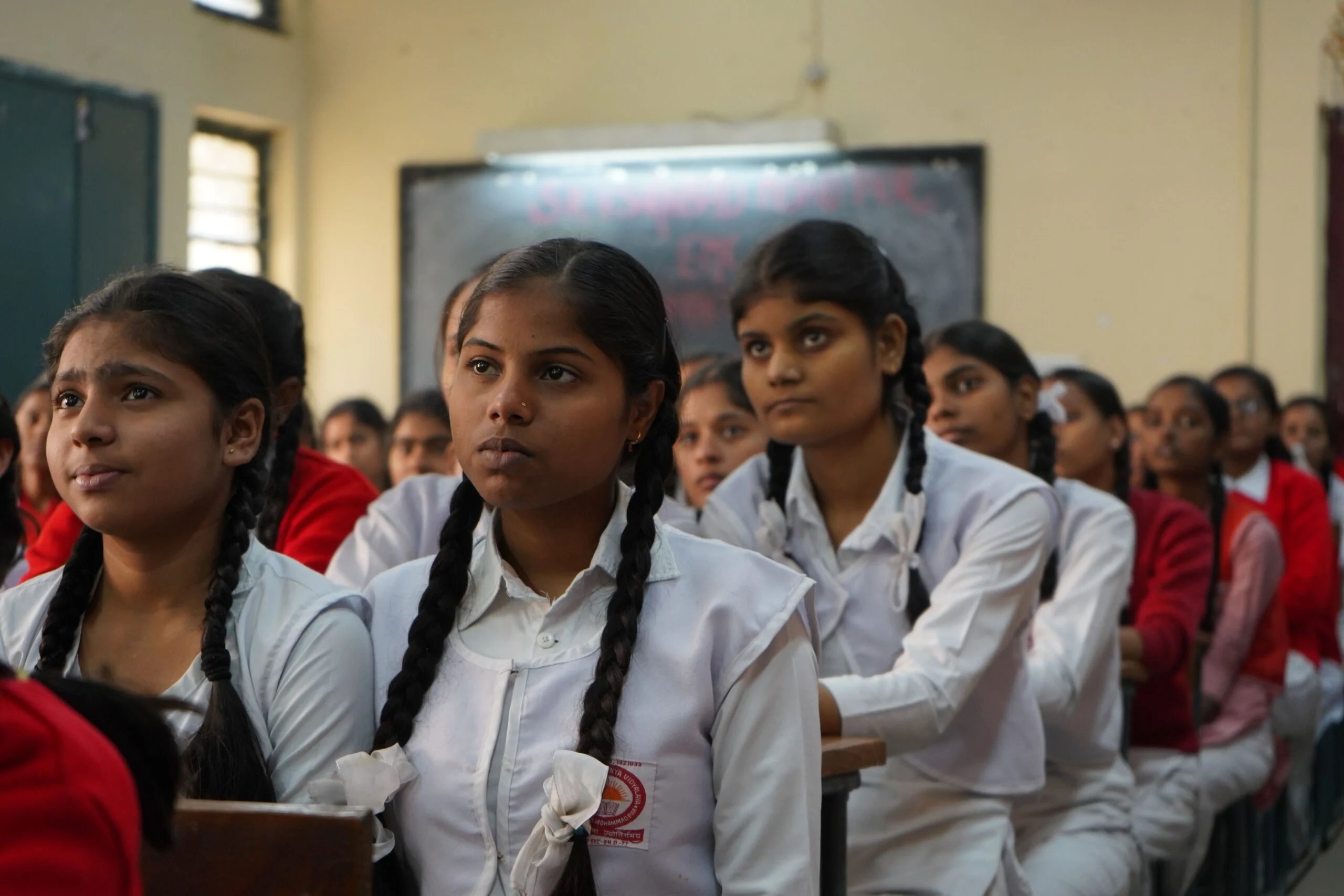
Women constitute approximately 43% of STEM graduates in India - one of the highest rates in the world. Yet, only about 14% of STEM workers in India are women. The dropout between education and employment is staggering and reflects a failure of the ecosystem, not of women’s capability or interest. Interventions are needed at multiple levels: industry internships and apprenticeships for women STEM graduates, mentorship programmes connecting students with working professionals, and targeted hiring commitments from technology and engineering companies. India’s National Education Policy 2020 has introduced reforms aimed at making education more flexible and inclusive, which could help bridge this gap if implemented effectively.
5. Strengthening Enforcement
India does not lack laws protecting equal pay - it lacks enforcement. The labour inspection machinery is understaffed, under-resourced, and often captured by the interests it is supposed to regulate. The Code on Wages 2019 will only matter if it is backed by a robust enforcement apparatus, including dedicated gender pay inspectors, meaningful penalties for violations, and accessible grievance mechanisms that protect complainants from retaliation.
6. Shifting Social Norms
Ultimately, the gender pay gap in India is rooted in deeply held beliefs about the value of women’s work and women’s roles. Policy and corporate action are necessary but not sufficient. India needs sustained public campaigns - in schools, media, and communities - that challenge the norm of women as primary caregivers, celebrate women’s economic contributions, and make visible the hidden cost of unpaid domestic labour. The intersection of gender and other social inequities, including period poverty, further compounds the barriers women face. When a society genuinely values women’s work - all of it - the pay gap begins to close.
Closing the gender pay gap is not just a government or corporate responsibility - it requires action from each of us. Here is what you can do today:
- If you are an employer: Conduct a pay audit. Compare compensation across gender lines for similar roles. If there is a gap, fix it - do not wait for a law to force you.
- If you are a manager: Examine your promotion and hiring decisions. Are you unconsciously favouring male candidates? Are women on your team getting the same access to high-visibility projects and leadership opportunities?
- If you are a working woman: Research market salaries for your role. Negotiate your pay - and if your employer penalises you for it, that tells you something important about the organisation. Connect with professional networks and mentors who can support your advancement.
- If you are a parent: Share caregiving responsibilities equally. Model for your children that domestic work is not “women’s work” - it is family work.
- If you are a voter: Demand that your elected representatives prioritise childcare infrastructure, enforce equal pay laws, and invest in women’s education and skills training.
- If you are a consumer: Support companies that are transparent about their pay practices and committed to gender equity. Your purchasing power is a form of advocacy.
- If you are an educator: Encourage girls to pursue STEM fields, finance, and entrepreneurship. Challenge gender stereotypes in classrooms and textbooks.
The gender pay gap in India will not close on its own. It will close when enough people - across institutions, communities, and households - decide that equal pay is not a women’s issue but an economic and moral imperative for the nation. India cannot become a developed economy by 2047 while leaving half its talent pool underpaid, undervalued, and underrepresented. The cost of inaction is not abstract - it is measured in lost GDP, stunted families, and wasted potential. The time to act is now.
- International Labour Organization (ILO) - Global Wage Report 2022–23: The Impact of Inflation and COVID-19 on Wages and Purchasing Power
- Ministry of Statistics and Programme Implementation - Periodic Labour Force Survey (PLFS) Annual Report 2023–24
- National Statistical Office - Time Use Survey, India 2019
- World Economic Forum - Global Gender Gap Report 2023
- World Bank - “The Motherhood Penalty and Female Employment in Urban India” (Working Paper, 2023)
- Monster Salary Index - Women of India Report 2023
- SEBI Annual Report on Corporate Governance 2023–24
- McKinsey Global Institute - “The Power of Parity: Advancing Women’s Equality in India” (2018, updated 2022)
- SEWA (Self-Employed Women’s Association) - Annual Reports and Impact Assessments
- National Rural Livelihoods Mission (NRLM) / Deendayal Antyodaya Yojana - Programme Data and Reports
- Indian School of Business - Research on Gender and Salary Negotiation (2022)
- Ashoka University Centre for Economic Data and Analysis - Studies on Women’s Labour Force Participation
What you can do
- Share the evidenceSend this to one person who should know about gender equality.Share on WhatsApp
- Give an afternoonTeach, mentor, clean up, or lend your professional skills.Ways to volunteer
- Tell us what's missingKnow a story, a fact we got wrong, or a solution worth spotlighting?Suggest a story
Politically neutral. Every claim sourced. Report a correction.

No comments yet