Women in STEM: India's Hidden Gender Gap in Science
India produces many women STEM graduates, about 43%, yet women are only 14% of scientists and engineers in research institutions.

India Produces the Women. Then Loses Them.
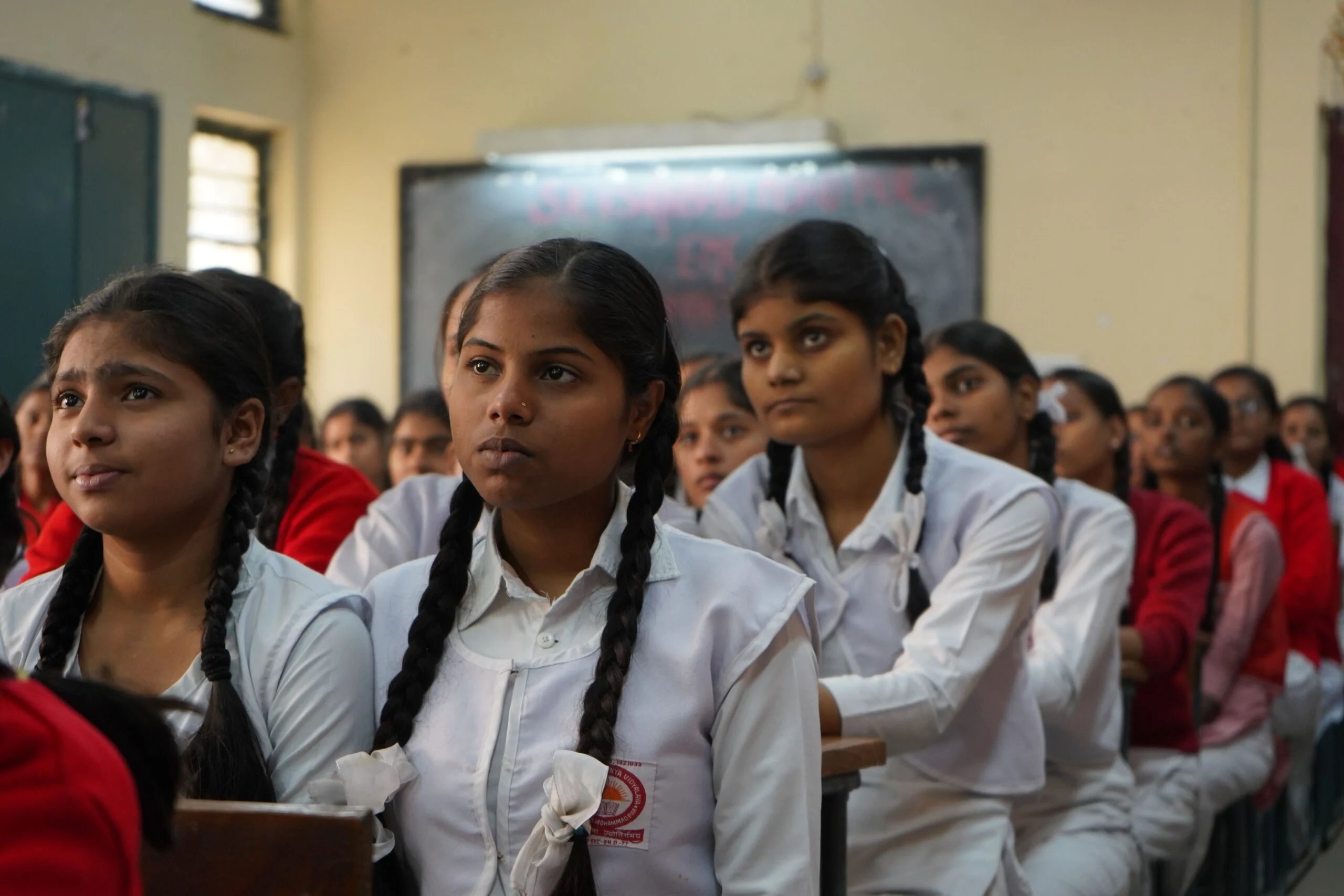
India is one of the world’s largest producers of female STEM graduates. Nearly 43% of STEM graduates in India are women, higher than the US (34%), UK (35%), and Germany (28%). By raw numbers, India produces more women engineers and scientists annually than most Western nations combined.
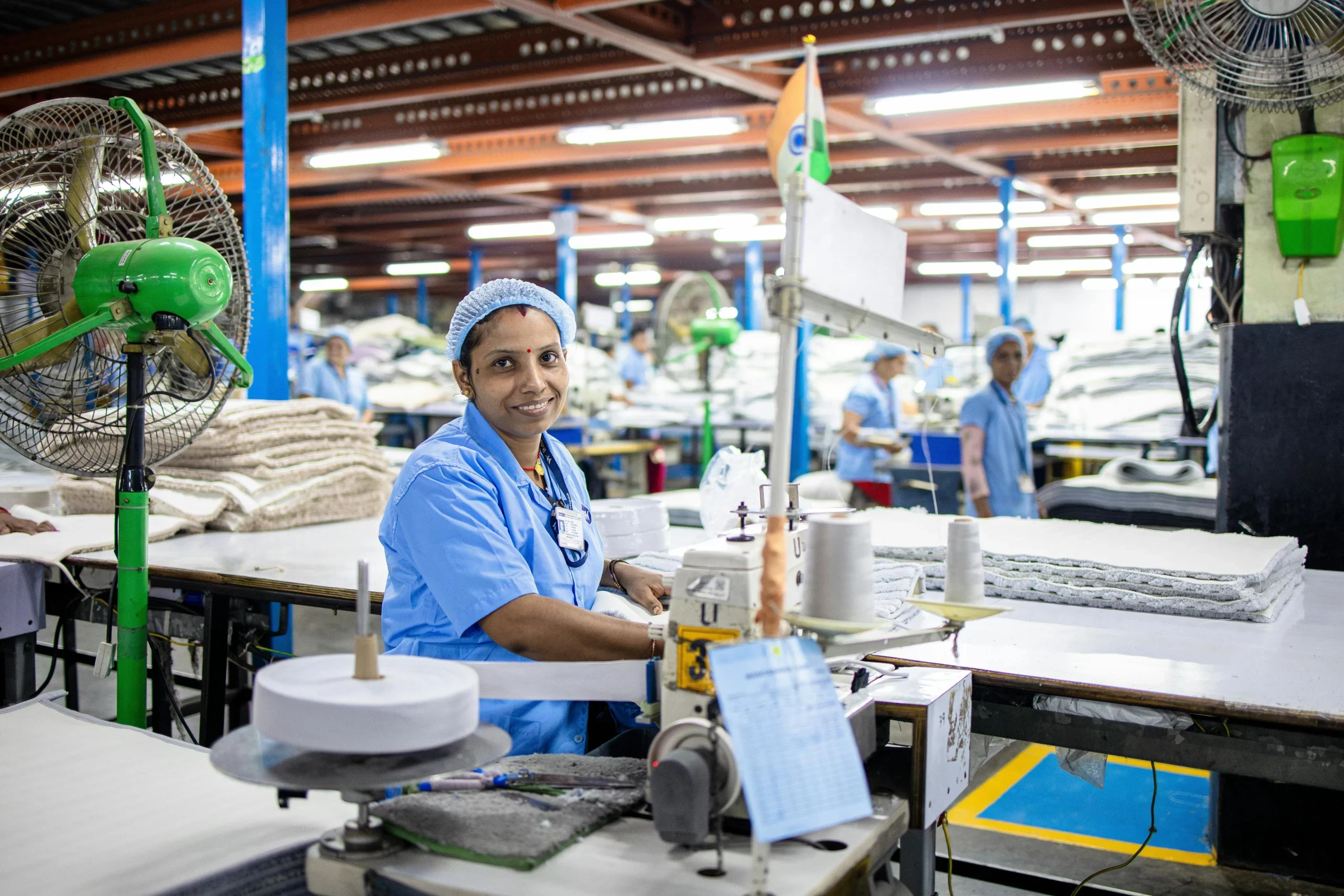
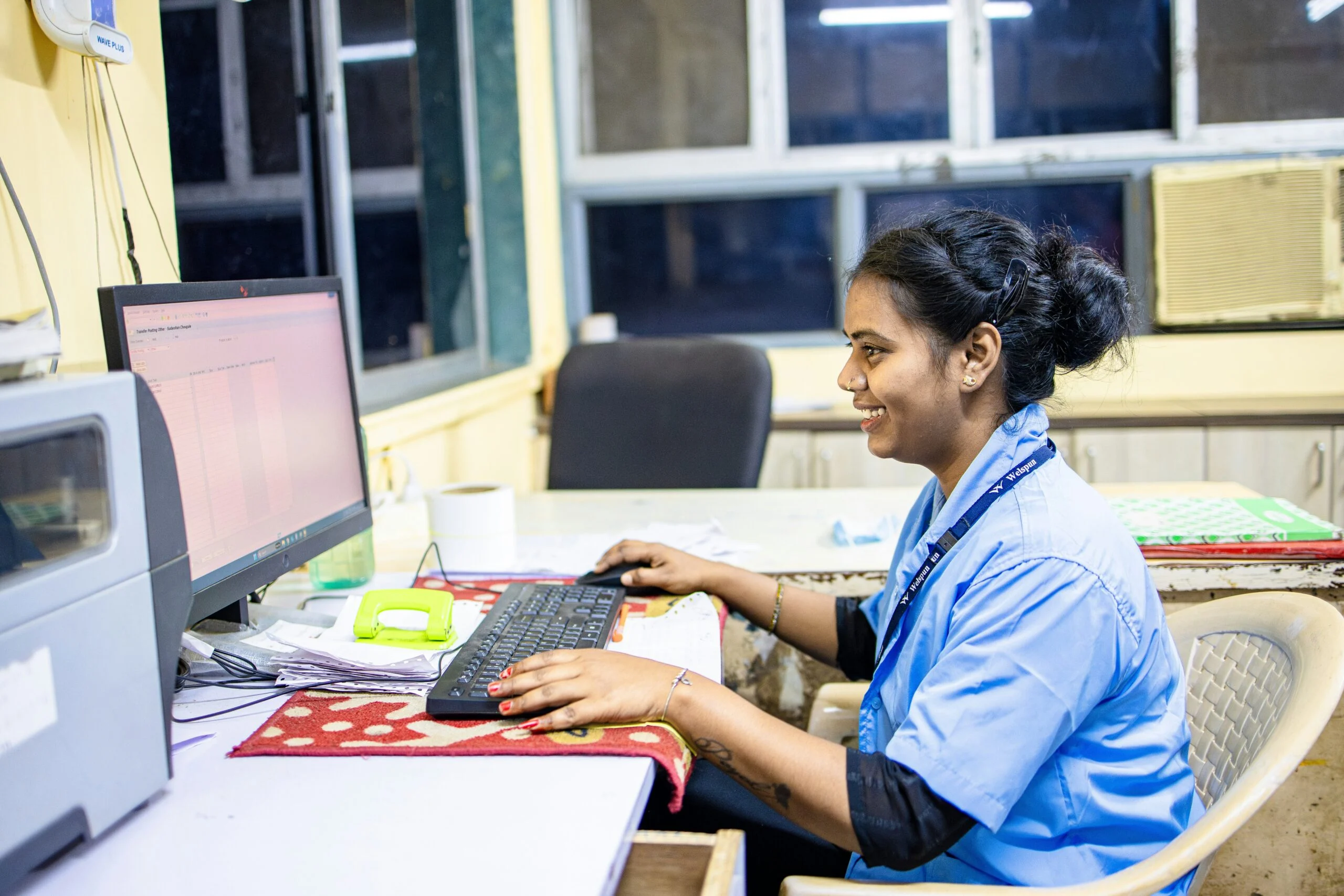
And yet, only 14% of scientists and engineers in Indian research institutions are women. In IITs, women make up less than 20% of faculty. In ISRO, they’re about 20%. In the private tech sector, women hold roughly 26% of positions, but less than 5% at senior technical levels.
India doesn’t have a pipeline problem. It has a disappearing act. Women enter STEM education in strong numbers. Then they vanish from STEM careers. Understanding why is one of the most important gender equality questions the country faces.
The Numbers That Tell the Story
Stage | Women’s Share | What Happens |
|---|---|---|
STEM undergrad enrollment | 43% | Strong entry |
STEM postgrad enrollment | ~40% | Slight drop |
PhD enrollment in science | ~36% | Steeper drop |
Research positions (public institutions) | 14-17% | Dramatic cliff |
Senior scientist / professor | ~8-10% | Near disappearance |
Science academy fellows (INSA, IASc) | ~5-7% | Token representation |
The pattern is called the “leaky pipeline”, women exit at every transition point, with the steepest drops occurring between education and employment, and between junior and senior positions.
Why India’s Women Leave Science
The marriage clock, India’s cultural expectation that women marry by their mid-20s collides directly with the STEM career timeline. A PhD takes 5-7 years after undergrad. Post-doctoral work takes another 2-4 years. By the time a woman scientist is ready for an independent research position, she’s 28-32, the age when family pressure to marry, relocate, and have children is at its peak.
The two-body problem, When a woman scientist marries, the family typically relocates for the husband’s career. Indian research institutions are concentrated in a few cities. If her husband’s job is in a city without a suitable research position for her, her career effectively ends. Men rarely make the reciprocal sacrifice.
Motherhood penalty, Indian research institutions offer maternity leave but almost no childcare infrastructure. A scientist who takes 6-12 months off for childbirth loses lab access, misses grant cycles, and falls behind in publications. The tenure clock doesn’t pause. The same structural barriers women face in business exist even more acutely in academia.
Hostile environments, Sexual harassment in Indian academic and research institutions is widespread but underreported. The 2017 #MeToo wave revealed cases across IITs, IISc, and national laboratories. Women who report face retaliation, social ostracism, and career damage. Many choose to leave rather than fight.
The “brilliance” bias, Research shows that fields where success is attributed to “innate brilliance” (physics, mathematics, computer science) have fewer women than fields where success is attributed to “hard work” (biology, chemistry). Indian academic culture amplifies this bias, the “genius” narrative is overwhelmingly male.
The Invisible Contributions
When women do succeed in Indian science, their contributions are often rendered invisible:
- Aditi Pant, First Indian woman to visit Antarctica (1983), marine biologist. Rarely mentioned in Indian science histories.
- Mangala Mani, Spent 403 days at India’s Antarctic station Bharati (2017-2018), the longest stay by an Indian woman. Most Indians have never heard her name.
- Tessy Thomas, Known as India’s “Missile Woman,” project director of Agni-V. Her contribution to India’s strategic defence is comparable to Kalam’s but receives a fraction of the recognition.
- Gagandeep Kang, First Indian woman elected Fellow of the Royal Society (2019). India’s foremost vaccine researcher. The pandemic should have made her a household name. It didn’t.
ISRO’s Chandrayaan and Mangalyaan missions had significant female contributions, but the public narrative centred on male scientists. The AI and tech investment narrative similarly centres male founders and engineers.
What’s Working (In Small Pockets)
- KIRAN scheme (DST), The government’s “Knowledge Involvement in Research Advancement through Nurturing” programme provides grants specifically for women scientists returning after career breaks. It’s helped thousands, but the budget is tiny relative to the scale of the problem.
- Women-only faculty positions, Some IITs now advertise women-only faculty positions to address gender imbalance. IIT Delhi went from 3% women faculty to 11% in a decade. Still inadequate, but the direction is right.
- IISc childcare centre, One of the few research institutions with on-campus childcare. The correlation between childcare availability and women’s research output is direct and documented.
- WiSTEM (Women in STEM), Grassroots networks connecting women scientists across institutions for mentorship, collaboration, and advocacy.
What India Must Do
- Childcare at every research institution, Mandatory, subsidised, on-campus childcare at every IIT, IISc, CSIR lab, and DRDO facility. This single policy change would retain more women scientists than any other intervention.
- Tenure clock flexibility, Allow women (and men) to pause the tenure/promotion clock for caregiving without penalty. The science doesn’t care when a paper was published, only its quality.
- Dual-career hiring, When hiring a scientist, offer their spouse a position or job placement assistance. Solve the two-body problem institutionally, not individually.
- Harassment accountability, Functional ICC (Internal Complaints Committee) at every institution with external members, transparent proceedings, and real consequences for perpetrators.
- Visibility, Put women scientists on currency notes, in textbooks, on postage stamps, in media stories. Education systems must show girls that science has women’s faces too.
The Question
India aspires to be a science superpower. It wants to build semiconductors, launch astronauts, develop AI, and lead in renewable energy. These ambitions require the best minds, all of them, not just the male half.
Every year India loses thousands of trained women scientists to a system that educated them but refused to employ them. That’s not a gender issue. That’s a national waste of talent on an industrial scale.
The question for India is simple: can a country that sends missions to Mars figure out childcare at a research lab?
What you can do
- Share the evidenceSend this to one person who should know about gender equality.Share on WhatsApp
- Give an afternoonTeach, mentor, clean up, or lend your professional skills.Ways to volunteer
- Tell us what's missingKnow a story, a fact we got wrong, or a solution worth spotlighting?Suggest a story
Politically neutral. Every claim sourced. Report a correction.
No comments yet