5 NGOs Championing Women's Empowerment Across India
Discover 5 leading women empowerment NGOs in India — SEWA, Myna Mahila, Breakthrough, Mann Deshi, and Majlis — transforming lives through financial inclusion, education, legal aid, and gender equality advocacy. Learn how to support their mission.
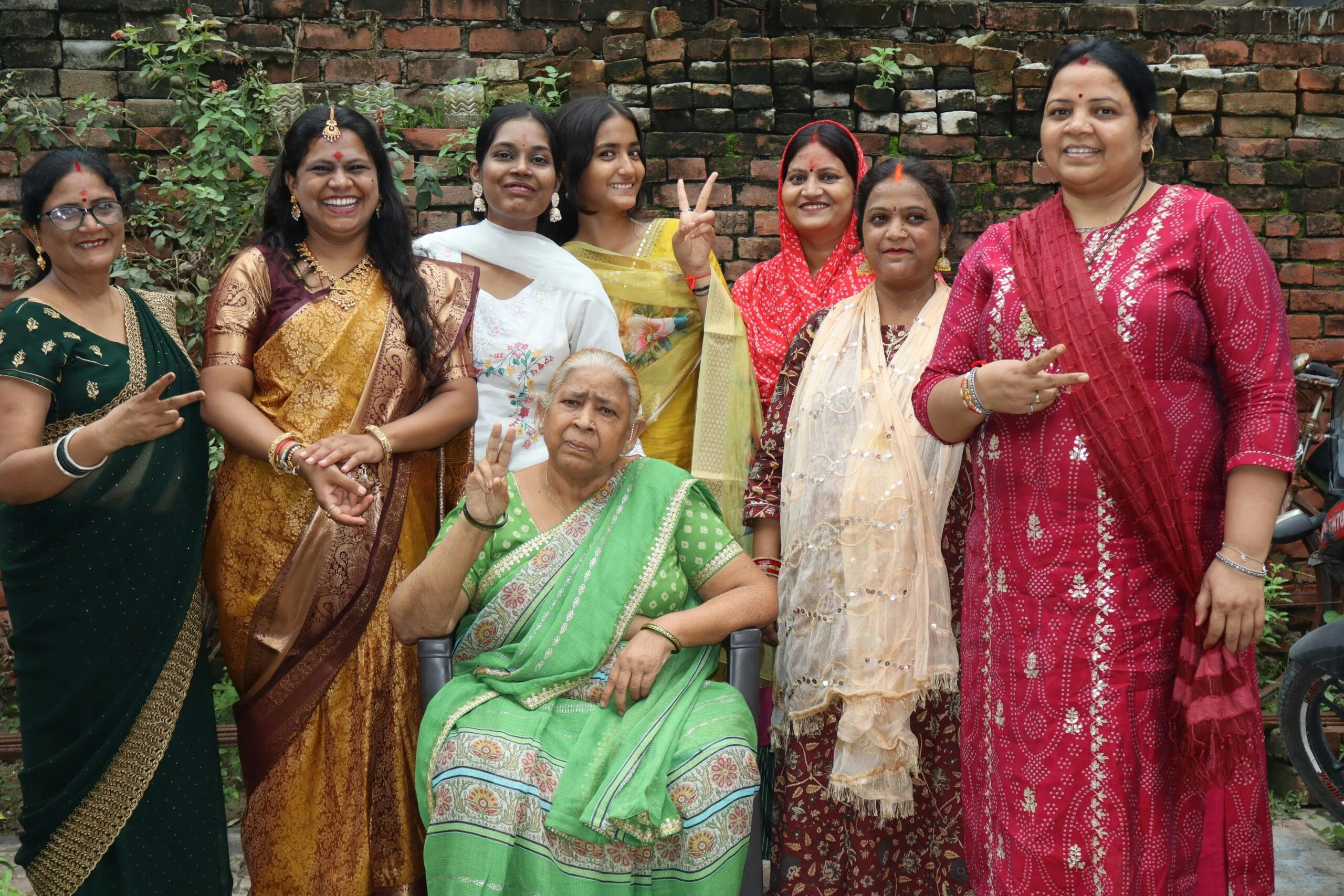
India is home to nearly 700 million women and girls - the largest female population of any country on earth. When these women thrive, entire communities are lifted: children receive better nutrition and education, household incomes rise, and cycles of poverty are broken. Yet deep-rooted gender inequality continues to limit opportunities for millions. According to the World Economic Forum’s Global Gender Gap Report, India ranks 127th out of 146 countries in gender parity, underscoring the enormous work that lies ahead.
Amidst these challenges, a powerful ecosystem of non-governmental organisations has been quietly transforming the landscape. From the bustling streets of Mumbai to the remote villages of rural Maharashtra, these organisations are putting resources, skills, and agency directly into the hands of women. In this Solution Spotlight, we profile five outstanding NGOs that are championing women’s empowerment across India - each with a distinct approach, impressive track record, and a shared belief that investing in women is investing in the future of the nation.
Before we explore the organisations doing this vital work, it is worth understanding why women’s empowerment is not just a social justice issue - it is an economic imperative. Research by McKinsey Global Institute estimates that advancing women’s equality in India could add $770 billion to the country’s GDP by 2025, representing a 16% increase over business as usual. The links between women’s empowerment and broader development are well documented:
- Family Health: When women control household resources, child nutrition improves by up to 20%, and infant mortality rates decline. Educated mothers are more than twice as likely to send their children to school. The link between women’s empowerment and child malnutrition is well-established - empowered mothers raise healthier children.
- Economic Growth: Women who earn and manage their own income reinvest up to 90% back into their families and communities, compared to 30-40% for men, according to UN Women.
- Violence Reduction: Economically independent women are better positioned to leave abusive situations and access legal protections. Financial literacy programmes have been shown to reduce vulnerability to domestic violence.
- Democratic Participation: When women are empowered, they engage more actively in local governance and community decision-making, leading to more inclusive policies.
The five NGOs profiled here address these interconnected challenges through innovative models that combine economic opportunity, education, legal support, and cultural transformation. Together, they have reached millions of women and demonstrated what is possible when organisations commit to systemic, long-term change.
Organising the Invisible Workforce
Founded in 1972 in Ahmedabad, Gujarat, by the visionary labour organiser Ela Bhatt, the Self-Employed Women’s Association (SEWA) is the world’s largest trade union of informal workers and one of the most influential women’s organisations ever created. What began as a movement to protect the rights of street vendors, home-based workers, and manual labourers has grown into a formidable institution with over 2.5 million members across 18 states in India.
SEWA’s genius lies in its integrated approach. Rather than addressing a single issue, it recognised early on that poor, self-employed women face a web of interconnected challenges - lack of fair wages, no access to banking, inadequate healthcare, and vulnerability to exploitation. To tackle these, SEWA built an entire ecosystem of support:
- SEWA Bank: Established in 1974, this was India’s first women’s cooperative bank. It provides savings accounts, micro-loans, and insurance products tailored to informal sector women. Today, SEWA Bank serves over 500,000 account holders and has disbursed millions in micro-credit, enabling women to invest in tools, raw materials, and small businesses.
- Insurance and Social Security: SEWA’s integrated insurance programme - VimoSEWA - covers health, life, and asset protection. Over 100,000 women are insured, providing a crucial safety net against the economic shocks that push vulnerable families deeper into poverty.
- Childcare Cooperatives: Understanding that childcare responsibilities are one of the biggest barriers to women’s economic participation, SEWA runs over 100 childcare centres across Gujarat, serving thousands of children while freeing their mothers to earn a living.
- Legal Aid: SEWA’s legal team has fought landmark cases on minimum wage enforcement, workplace harassment, and land rights. Their interventions have established important precedents that benefit informal workers across India.
- Capacity Building: Through training programmes in leadership, financial literacy, and digital skills, SEWA prepares women not just to survive but to lead. Many SEWA members have gone on to become elected representatives in local panchayats.
SEWA’s impact extends far beyond its membership. The organisation has influenced national policy on minimum wages, street vending laws, and social security for unorganised workers. Its cooperative model has been replicated by organisations across South Asia and Africa. Ela Bhatt, who passed away in November 2022, left behind a legacy that continues to grow - proof that organising women at the grassroots can reshape entire economies.
Impact at a Glance: 2.5 million+ members | 18 states | 500,000+ bank account holders | 100+ childcare centres | Five decades of advocacy
Turning Menstrual Hygiene into Economic Opportunity
In the dense urban settlements of Mumbai, where over 60% of the city’s population lives in informal housing, Myna Mahila Foundation has built an ingenious model that solves two problems at once: the lack of affordable menstrual hygiene products and the lack of stable employment for women. Founded in 2015, this social enterprise has rapidly become one of India’s most celebrated organisations at the intersection of health and economic empowerment.
The core of Myna Mahila’s model is beautifully simple. The organisation employs women from low-income communities to manufacture affordable, high-quality sanitary pads. These same women then become the sales and distribution network, selling the products door-to-door within their own communities. This approach does three powerful things simultaneously:
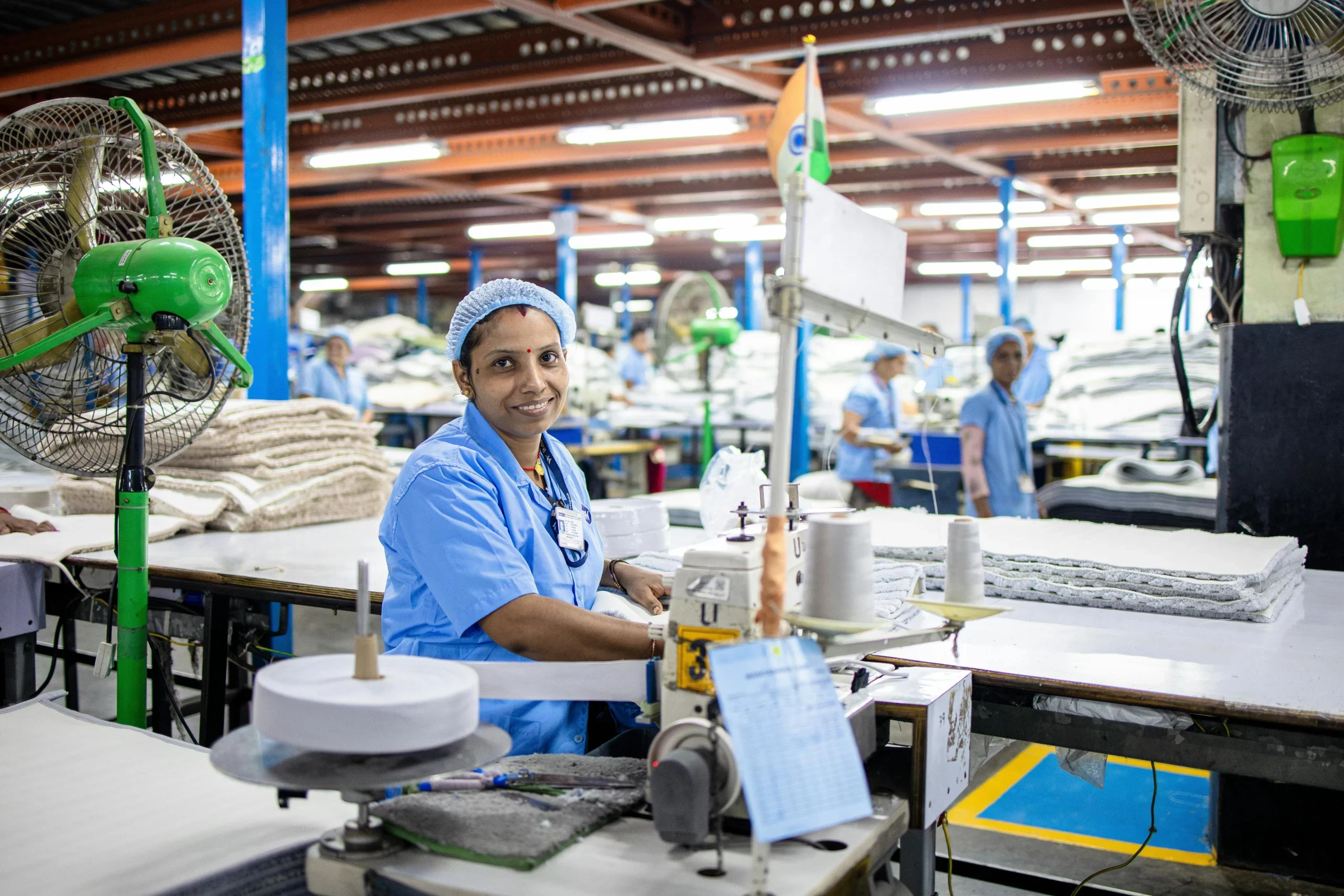
- Creates Sustainable Employment: Over 8,000 women have been employed by Myna Mahila as manufacturers, distributors, and community health educators. These jobs provide stable income, often for the first time in these women’s lives, along with benefits like health insurance and savings programmes.
- Breaks Menstrual Taboos: In communities where menstruation is still shrouded in stigma and silence, having local women openly sell and discuss sanitary products normalises the conversation. Myna Mahila’s community health workers conduct workshops on menstrual health, reproductive rights, and general wellness, reaching over 200,000 women and girls.
- Improves Health Outcomes: Access to affordable pads means fewer women resort to unhygienic alternatives like cloth rags, ash, or leaves - practices that lead to infections and missed school days. Studies show that girls who use proper menstrual products miss fewer school days and are more likely to complete their education.
What sets Myna Mahila apart is its relentless focus on community-led solutions. Every staff member, from the factory floor to field operations, comes from the communities the organisation serves. This builds trust, ensures cultural sensitivity, and creates role models who demonstrate that women from informal settlements can be entrepreneurs, educators, and leaders.
The Foundation has attracted international attention and support, including a notable endorsement from Meghan Markle and partnerships with global health organisations. But its roots remain firmly local - in the narrow lanes and community centres of Mumbai’s informal settlements, where women are manufacturing dignity, one pad at a time.
Impact at a Glance: 8,000+ women employed | 200,000+ women and girls served | Affordable pads reaching Mumbai’s most underserved communities | Community-led health education at scale
Using Media and Education to Transform Gender Norms
While many organisations address the consequences of gender inequality - poverty, violence, lack of opportunity - Breakthrough India goes after its root cause: the cultural norms and attitudes that perpetuate discrimination. Founded with the audacious belief that popular culture can be a tool for social change, Breakthrough has become India’s leading organisation working to prevent gender-based violence through media, education, and community mobilisation.
Breakthrough’s most iconic initiative is the Bell Bajao (Ring the Bell) campaign, launched to encourage bystander intervention against domestic violence. The campaign’s simple message - if you hear violence in a neighbour’s home, ring their doorbell - was carried through television advertisements, radio spots, community theatre, and digital media. The results were extraordinary:
- 130 million people reached through multimedia campaigns across India
- Documented increases in bystander intervention in communities exposed to the campaign
- International recognition, including a UN award, and replication in over 30 countries
But Breakthrough’s work goes far beyond a single campaign. The organisation runs comprehensive school-based programmes that reach thousands of adolescents with curricula on consent, gender equality, healthy relationships, and recognising abuse. These programmes are carefully designed to engage both boys and girls, understanding that changing gender norms requires working with everyone, not just women and girls.
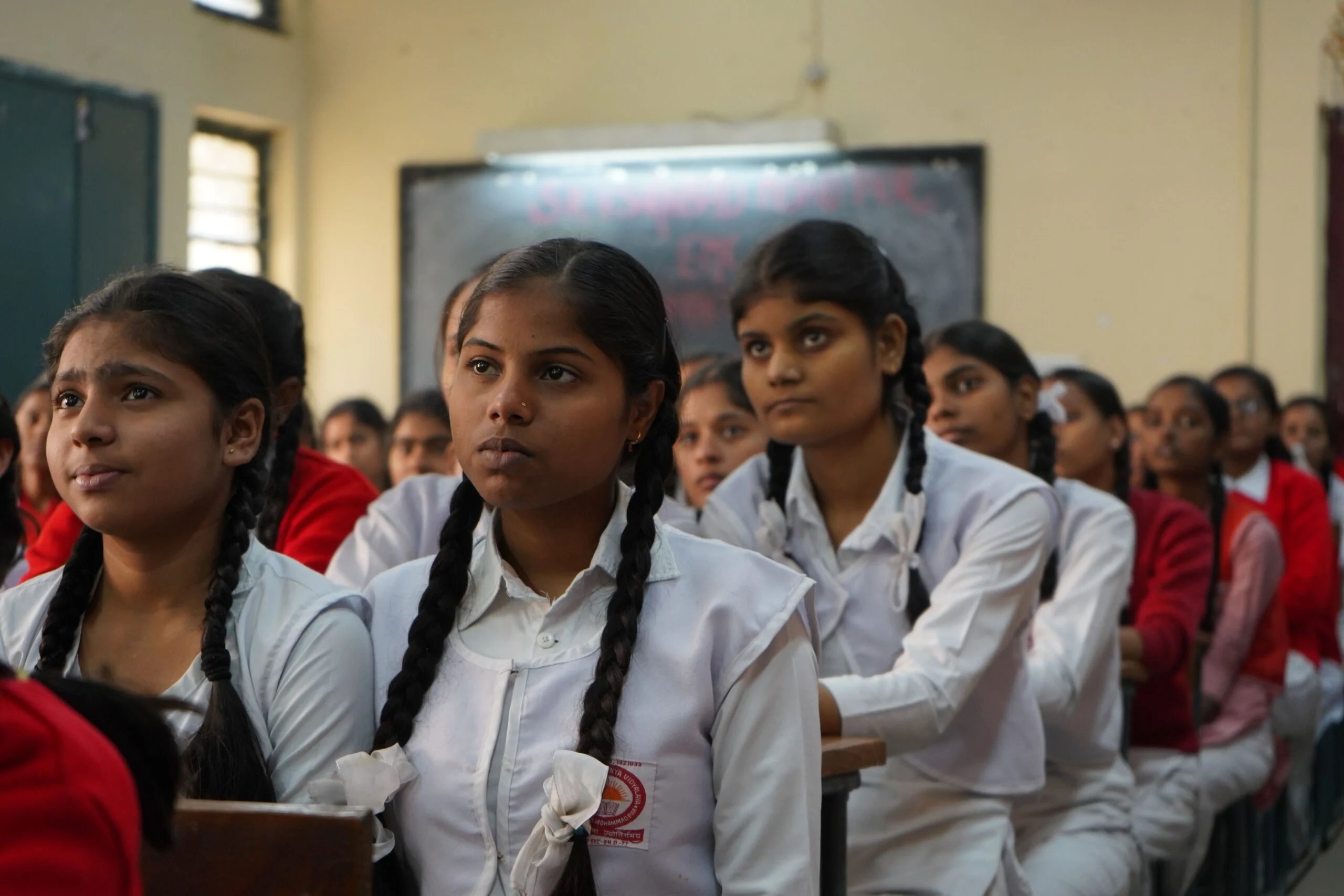
In classrooms across Uttar Pradesh, Bihar, Jharkhand, and other states, Breakthrough facilitators lead discussions that many young people have never had before: What does consent mean? Why do boys and girls face different rules at home? What is the difference between love and control? These conversations are uncomfortable but essential. Teachers report that after Breakthrough’s interventions, students show measurably more equitable attitudes toward gender roles, and incidents of harassment in schools decline.
Breakthrough also trains community leaders, local government officials, and frontline health workers to identify and respond to gender-based violence. Their Early Marriage Prevention programme in Jharkhand has helped keep hundreds of girls in school and delayed marriage, giving them the chance to complete their education and exercise choice over their own futures.
What makes Breakthrough’s approach particularly powerful is its understanding that laws alone cannot end violence against women. India has some of the strongest anti-domestic violence legislation in the developing world, yet implementation lags because social attitudes have not kept pace. By working to shift those attitudes - one classroom, one community, one campaign at a time - Breakthrough addresses the demand side of gender equality.
Impact at a Glance: 130 million+ people reached through Bell Bajao | School programmes across multiple states | Training for community leaders and government officials | Replicated in 30+ countries
India’s First Rural Women’s Bank and Business School
In the drought-prone Satara district of rural Maharashtra, where many women had never set foot inside a bank, Chetna Gala Sinha did something revolutionary: she opened one for them. The Mann Deshi Mahila Sahakari Bank, established in 1997, became India’s first bank for and by rural women. From that single, radical act of inclusion, the Mann Deshi Foundation has grown into one of India’s most effective organisations for rural women’s economic empowerment.
Chetna Sinha’s journey began when she was working as a community organiser and encountered a woman named Kantabai, who wanted to borrow just 500 rupees to expand her small business selling vegetables. No bank would lend to her - she had no collateral, no formal identity documents, and no credit history. Sinha realised that the entire formal banking system was designed to exclude women like Kantabai, and she set out to build an alternative.
Today, Mann Deshi’s integrated model encompasses:
- Mann Deshi Bank: With over $100 million in micro-loans disbursed, the bank serves hundreds of thousands of women who have never had access to formal credit. Average loan sizes start as small as a few thousand rupees - enough to buy a sewing machine, stock a small shop, or purchase livestock. Repayment rates consistently exceed 95%, demonstrating that poor rural women are among the most reliable borrowers.
- Mann Deshi Business School: India’s first business school for rural women, this programme has trained over 400,000 women in entrepreneurship, financial management, and business planning. Courses are delivered in local languages, designed around the realities of rural life, and adapted for women with limited formal education. Graduates have launched businesses ranging from food processing to garment manufacturing to beauty services.
- Mann Deshi Chamber of Commerce: Modelled on mainstream chambers of commerce, this platform gives rural women entrepreneurs a collective voice, networking opportunities, and access to larger markets. Annual business conventions bring together thousands of women to showcase products, share experiences, and build partnerships.
- Digital Literacy: Understanding that the digital divide disproportionately affects rural women, Mann Deshi runs extensive programmes on mobile banking, digital payments, and using smartphones for business. These skills are critical as India’s economy becomes increasingly digital.
Mann Deshi’s impact on rural Maharashtra has been transformative. Villages that were once entirely dependent on subsistence farming now have thriving micro-enterprises run by women. Families that previously migrated to cities during droughts now have enough savings to weather difficult seasons. The devastating impact of drought and India’s water crisis on rural livelihoods makes the economic resilience built by Mann Deshi all the more vital. Girls whose mothers were the first in their families to open a bank account are now attending college.
Chetna Sinha has spoken at the World Economic Forum in Davos and received numerous international awards, but she remains rooted in Mhaswad, the small town where Mann Deshi was born. Her presence there is a statement: you don’t have to leave rural India to change it - you have to invest in the women who live there.
Impact at a Glance: 400,000+ women trained | $100 million+ in micro-loans | India’s first rural women’s bank | India’s first rural women’s business school | 95%+ loan repayment rate
Combining Law, Counselling, and Shelter
For women trapped in violent situations, the path to safety is rarely straightforward. They may need legal protection, but they also need a safe place to stay, emotional support, help navigating bureaucratic systems, and assistance rebuilding their lives. Majlis Legal Centre, founded in Mumbai, provides all of these through an integrated model that has become a benchmark for legal aid organisations across India.
Majlis was established by a group of women lawyers and activists who recognised a critical gap: while Indian law provided strong protections against domestic violence, sexual assault, and harassment, most women - especially those from marginalised communities - had no means to access those protections. The legal system was intimidating, expensive, and often hostile to survivors of violence. Majlis set out to bridge this gap with a holistic, survivor-centred approach.
The organisation’s work operates on several interconnected levels:
- Legal Representation: Majlis provides free legal aid to women facing domestic violence, sexual violence, property disputes, and maintenance claims. Their team of experienced lawyers has represented over 10,000 women in court, achieving landmark verdicts that have shaped jurisprudence on women’s rights. Cases are handled with meticulous attention to both legal strategy and the emotional wellbeing of clients.
- Counselling Services: Understanding that legal battles are emotionally draining, Majlis offers professional counselling to all clients. Trained counsellors help women process trauma, build confidence, and make informed decisions about their cases and their lives. This is critical - many women withdraw from legal proceedings because the emotional toll becomes unbearable.
- Shelter and Rehabilitation: For women who need immediate safety, Majlis operates and coordinates with shelter homes that provide secure accommodation, meals, and a supportive community. Beyond immediate safety, the organisation helps women access vocational training, employment, and permanent housing as they rebuild their lives.
- Training for Stakeholders: Majlis conducts extensive training programmes for judges, police officers, prosecutors, and protection officers on implementing domestic violence and sexual assault laws. These trainings have measurably improved the quality of institutional responses to gender-based violence in Maharashtra.
- Policy Advocacy: Beyond individual case work, Majlis engages in systemic advocacy to strengthen legal frameworks and improve implementation. Their research and policy recommendations have influenced amendments to family law, criminal procedure, and victim support protocols.
One of Majlis’s most important contributions is its work on making the Protection of Women from Domestic Violence Act (2005) a living, effective law. When the Act was first passed, implementation was inconsistent and many courts were unfamiliar with its provisions. Majlis trained hundreds of protection officers and judges, developed practical guides and protocols, and litigated test cases that clarified key provisions. Their efforts have directly contributed to stronger enforcement of the law across Maharashtra and beyond.
The organisation also runs a dedicated helpline that receives calls from women in crisis, providing immediate guidance, safety planning, and referrals to appropriate services. For many women, this call is their first step toward freedom from violence.
Impact at a Glance: 10,000+ women assisted with legal aid | Training for judges and police across Maharashtra | Landmark court verdicts on women’s rights | Integrated legal, counselling, and shelter services | Helpline for women in crisis
Awareness is the first step, but action is what creates change. Each of these organisations offers multiple ways to contribute - whether through financial donations, volunteer time, or simply spreading the word. Here is how you can get involved:
Donate
Every contribution, no matter the size, makes a difference. All five organisations accept online donations and provide tax receipts:
- SEWA: Visit sewa.org to donate toward their banking, childcare, or capacity-building programmes. Contributions directly support informal sector women across 18 states.
- Myna Mahila Foundation: Donate at mynamahila.com to fund pad manufacturing, community health education, and women’s employment in Mumbai’s informal settlements.
- Breakthrough India: Support their school programmes and media campaigns through inbreakthrough.org. Even small donations help take gender equality curricula into more classrooms.
- Mann Deshi Foundation: Contribute at manndeshi.org to support micro-loans, business school training, and digital literacy programmes for rural women entrepreneurs.
- Majlis Legal Centre: Donations to Majlis help fund free legal representation, counselling, and shelter services for women facing violence. Visit majlislaw.com to contribute.
Volunteer
If you have skills in law, education, healthcare, communications, or community organising, these organisations welcome volunteers. Lawyers can contribute pro bono hours with Majlis. Teachers and educators can support Breakthrough’s school programmes. Business professionals can mentor women entrepreneurs through Mann Deshi. Reach out directly through their websites to explore volunteer opportunities.
Amplify Their Work
Follow these organisations on social media, share their stories, and talk about their work in your personal and professional circles. Public awareness translates into political will, corporate partnerships, and a broader culture of support for women’s rights. When you share an article about SEWA’s cooperative model or Myna Mahila’s manufacturing programme, you are helping to normalise the idea that women’s empowerment is everyone’s responsibility.
Advocate for Policy Change
Write to your elected representatives about issues like fair wages for informal workers, implementation of domestic violence laws, and menstrual hygiene policy. Support candidates who prioritise gender equality. Engage with public consultations on policies that affect women’s rights. Systemic change requires sustained political engagement from citizens who believe in equality.
India’s journey toward gender equality is far from complete, but the organisations profiled here offer powerful proof that change is possible - and that it is already happening. SEWA has shown that informal sector women can build cooperative institutions that rival formal banks. Myna Mahila has demonstrated that menstrual hygiene can be an engine of economic empowerment. Breakthrough has proven that cultural attitudes, once thought immovable, can be shifted through smart media and persistent education. Mann Deshi has established that rural women, given access to capital and training, become extraordinary entrepreneurs. And Majlis has affirmed that the law can be a tool of liberation, not just a distant abstraction.
What unites these organisations is a fundamental belief in the capacity of women to transform their own lives when given the right tools and opportunities. They do not treat women as passive beneficiaries of charity but as active agents of change - workers, entrepreneurs, leaders, and rights-holders. This approach, grounded in dignity and self-determination, is what makes their impact sustainable and scalable.
As citizens, donors, volunteers, and allies, we all have a role to play in supporting this work. The question is not whether India can achieve gender equality - it is whether we will commit the resources, attention, and political will to make it happen. These five organisations have already answered that question with decades of action. Now it is our turn to join them.
What you can do
- Share the evidenceSend this to one person who should know about gender equality.Share on WhatsApp
- Give an afternoonTeach, mentor, clean up, or lend your professional skills.Ways to volunteer
- Tell us what's missingKnow a story, a fact we got wrong, or a solution worth spotlighting?Suggest a story
Politically neutral. Every claim sourced. Report a correction.

No comments yet