The Deadline Nobody Enforces: India's Right to Service Laws, Twenty Years On
More than twenty Indian states have laws giving citizens a legal right to receive government services within a fixed time, with a penalty on the officer who misses it. Almost nobody uses them, and almost no penalty is ever paid.
In this story
Somewhere in your state’s statute book there is probably a law saying that when you apply for a birth certificate, a caste certificate, a ration card, a water connection or a land record copy, the government must give it to you within a stated number of days. If it does not, the officer responsible can be fined, and you can appeal to a designated authority.
More than twenty states have passed such laws, beginning around 2010. They are among the better ideas Indian administration has produced in the last twenty years. They are also, in most states, close to dormant.
What the law actually gives you
The design of these statutes is broadly common across states, and it is worth knowing because the details are what make it usable.
- A notified list of services with a time limit for each, published by the state.
- A designated officer responsible for delivering each service.
- A first and second appeal to progressively senior officers when the deadline passes.
- A penalty on the designated officer for unjustified delay, in some states payable as compensation to the applicant.
That last element is what distinguishes this from an ordinary grievance system. The delay becomes a personal liability for a named individual rather than an institutional failing belonging to nobody.
A service with a deadline and a named officer behaves differently from a service with neither. The law understood this correctly and then left enforcement to the same office being enforced against.
Why almost nobody uses it
The failure is not in the drafting. It is in four practical gaps, each fixable.
Nobody is told. The notified list of services and timelines is published in a government gazette and occasionally on a website. The citizen at the counter is not shown it, and the counter has no obligation to mention that a deadline applies.
The clock never starts. The time limit runs from the date of a valid application, and an application can be treated as incomplete indefinitely. If no acknowledgement with a date is issued, there is nothing to count from. This single omission disables most of these laws in practice.
The appeal is to the same building. The first appellate authority is usually a senior officer in the same department, frequently in the same office, who has an ongoing working relationship with the person being complained about.
Penalties are not levied. Where states publish figures at all, the number of penalties actually imposed is tiny relative to the volume of delayed services. A penalty that is theoretically available and never applied is not a deterrent.
Why this matters more than it sounds
A missing deadline is not merely an inconvenience. Delay is the commodity being traded in most everyday corruption.
When a service has no time limit, the person handling it controls when it happens, and that control is what makes a payment worth making. This is the mechanism behind the bribery rate discussed in what India’s corruption numbers say about ordinary life. Enforce the deadline and you remove the product from the market.
The cost of delay also falls unevenly. A salaried person waiting three weeks for a certificate is inconvenienced. A daily wage worker making four trips to an office loses four days of income, which can exceed the value of the benefit the certificate unlocks. Delay is a regressive tax collected in time rather than money.
How it sits alongside the right to information
India’s two great transparency instruments were designed for different problems and work best together.
The right to information tells you what happened to your file. The right to service tells you when it should have finished. Used alone, an information request often produces the answer that the application is under process, which is true and useless. Used with a service deadline, the same request becomes a question the office has to answer against a date it committed to.
We covered the first instrument in the practical guide to using RTI. The pairing is the part worth knowing: apply, get the dated acknowledgement, wait for the notified period, then file both the appeal under the service law and an information request asking for the file notings. Offices that ignore one rarely ignore both.
Where it has worked
The states where these laws function share a few features, and none of them is a legal drafting improvement.
They issue a computer generated acknowledgement with a date and a unique number for every application, which starts the clock automatically and creates a record that cannot be lost. They route applications through a single window or online portal rather than through individual desks. They publish pendency against timeline, so a district officer can see which services in which office are running late. And they treat the numbers as a management measure rather than as a compliance report filed annually.
None of that requires new legislation. It requires the existing law to be operated as a management system rather than as a statement of intent.
The services this would change most
Not all delayed services matter equally. A few carry consequences far beyond the inconvenience of waiting, and these are where enforcement would repay itself fastest.
Certificates that unlock entitlements come first. A caste certificate is required for a scholarship, a reserved seat, and many job applications, all of which have their own closing dates. A certificate delivered after the admission deadline has passed is functionally a refusal, and the student loses a year. The same is true of income certificates for fee waivers and disability certificates for pensions and reservations.
Death and succession documents are the second category. A family that cannot obtain a death certificate cannot claim insurance, transfer a bank account, mutate land records, or access a pension. A delay of two months here can push a household that just lost its earner into borrowing at whatever rate is available locally.
Land records are the third. Delay in mutation after a sale or inheritance is one of the largest single sources of property litigation in India, contributing to the docket examined in the pending case arithmetic. A record updated on time prevents a dispute that would otherwise occupy a court for a decade.
What would make it real
Mandatory dated acknowledgement
Every application receives a timestamped receipt with the applicable deadline printed on it. This is the single highest impact change available, because it converts a promise into a countdown.
Automatic escalation
When the deadline passes, the file should move to the appellate authority by default rather than waiting for the citizen to appeal. Systems that already track applications digitally can do this without any human decision.
Publish the numbers per office
Applications received, delivered on time, delayed, and penalties imposed, per office, monthly. Comparison between neighbouring offices does more than any circular.
Print the deadline on the wall
The notified list of services and timelines, displayed at the counter in the local language. A right nobody knows about is not a right in any practical sense.
What you can do about it
- Find your state’s notified list. Search for your state’s right to service or public services guarantee act. The list of services and days is public.
- Always get a dated acknowledgement. If none is offered, ask for one in writing. Without it you have no start date and no case.
- Appeal when the date passes. The appeal is usually a plain application, free, and the department frequently delivers the service rather than defend the appeal.
- Ask for the penalty figures. How many penalties your district imposed last year is public information, and the answer tells you whether the law is alive.
India wrote itself a good law and then left it on the shelf. Of everything on the reform list, this is the one already passed, already funded, and waiting only to be used.
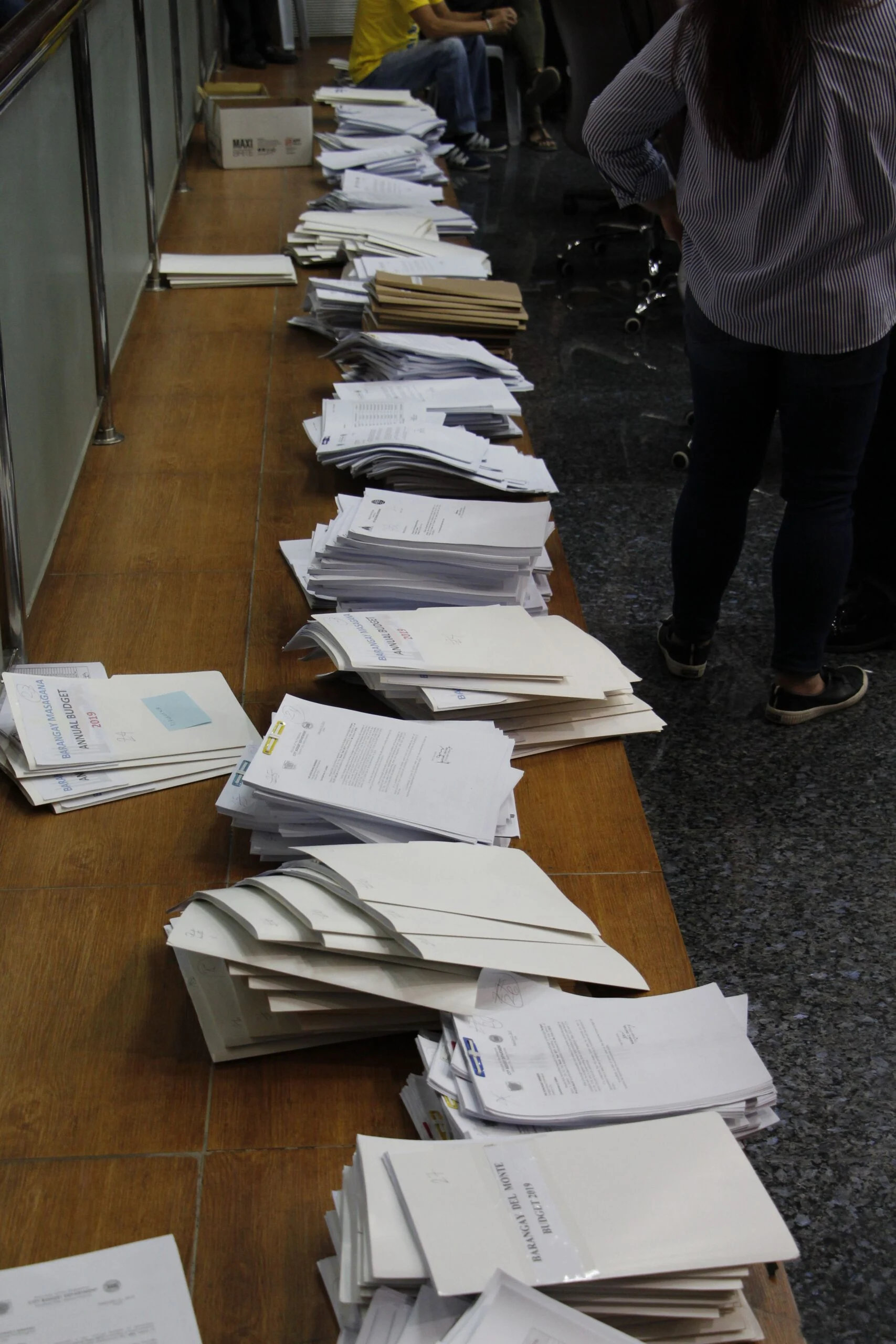
Featured photo by Valentin Sarte on Pexels.
What you can do
- Share the evidenceSend this to one person who should know about governance.Share on WhatsApp
- Give an afternoonTeach, mentor, clean up, or lend your professional skills.Ways to volunteer
- Tell us what's missingKnow a story, a fact we got wrong, or a solution worth spotlighting?Suggest a story
Politically neutral. Every claim sourced. Report a correction.



No comments yet