Antibiotic Resistance in India: When Last-Resort Drugs Fail
ICMR data show last-resort antibiotics failing in Indian hospitals. Why over-the-counter sales persist, what Kerala's plan achieved, and what you can do.
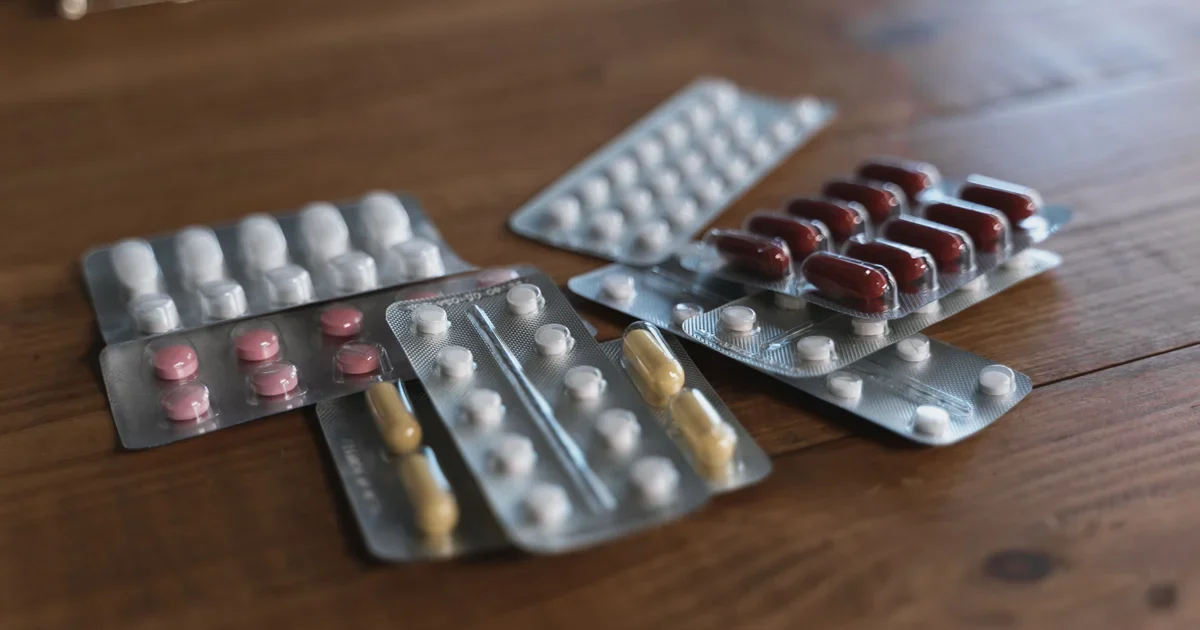
Photo by Tima Miroshnichenko on Pexels
In this story
What is antibiotic resistance, and why should you care?
Antibiotic resistance in India means that the medicines doctors rely on to treat bacterial infections work less often than they used to. Bacteria are living things, and every time they meet an antibiotic, the ones that survive pass on their survival traits. Use an antibiotic when it is not needed, take too little of it, or spread it through animal feed and drains, and you give resistant bacteria a head start. The result is called antimicrobial resistance, or AMR. A urinary infection that cleared with a cheap tablet in 2010 may need an injection in a hospital today. A pneumonia in an ICU may meet a bacterium that no drug in the cupboard can touch.
It matters to ordinary families for a simple reason. Resistance does not stay in hospitals. It raises the cost of treatment, the days in hospital and the chance that an infection will kill. It also puts at risk everything that depends on antibiotics working, from caesarean sections and cancer chemotherapy to joint replacements and newborn care.
How bad is antibiotic resistance in India?
Bad in hospitals, and uncertain elsewhere. India’s main source of data is the Antimicrobial Resistance Research and Surveillance Network (AMRSN) run by the Indian Council of Medical Research (ICMR) since 2013. Its eighth annual report covers January to December 2024, when network laboratories studied 99,027 culture-positive isolates. The report says plainly that the data come from tertiary care hospitals, so they do not reflect the level of resistance in the community and should not be extrapolated to it. That caveat matters, because the sickest patients are the ones whose bacteria have met the most antibiotics.
With that caution, the ICMR AMRSN 2024 report shows several trends that doctors find worrying. The figures below are susceptibility, the share of tested samples that the drug could still kill, so a falling number is bad news.
Bacterium and drug (ICMR AMRSN) | 2017 | 2023 | 2024 |
|---|---|---|---|
E. coli, imipenem (susceptible) | 81.4% | 62.7% | 57.6% |
E. coli, meropenem (susceptible) | 73.2% | 66% | 62.9% |
K. pneumoniae, imipenem (susceptible) | 58.5% | not stated | 31.2% |
K. pneumoniae, meropenem (susceptible) | 48.1% | not stated | 35.1% |
K. pneumoniae, piperacillin-tazobactam (susceptible) | 42.6% | not stated | 26% |
Carbapenems such as imipenem and meropenem are “last-resort” drugs, kept in reserve for serious infections when others fail. In Klebsiella pneumoniae, a common cause of blood infections in hospitals, fewer than four in ten samples in 2024 were still susceptible to meropenem. The report adds that other pathogens show the same pattern:
- Pseudomonas aeruginosa: resistance to imipenem rose from 26 per cent in 2017 to 43 per cent in 2024, and to meropenem from 31.3 per cent to 38 per cent.
- Acinetobacter baumannii: resistance to meropenem was 91.0 per cent in 2024, which the report says limits treatment options. Together with Klebsiella and Pseudomonas, it caused nearly 80 per cent of ventilator-associated pneumonia.
- Staphylococcus aureus: the share of MRSA (methicillin-resistant) rose from 33 per cent in 2017 to nearly 53 per cent in 2024. Vancomycin and teicoplanin still worked against nearly all MRSA samples.
- Enterococci: vancomycin resistance was 22 per cent in 2024, against 17.5 per cent in 2023.
- Typhoid (Salmonella Typhi): more than 95 per cent resistant to fluoroquinolones, but still highly susceptible to ceftriaxone (98 per cent), cefixime (97.9 per cent) and azithromycin (99.5 per cent).
Is there any good news?
Some, and it is worth saying so. Between 2023 and 2024, E. coli susceptibility to ceftazidime rose from 19.2 to 27.5 per cent and to amikacin from 68.2 to 72.5 per cent. Klebsiella susceptibility to several drugs ticked up as well, with levofloxacin from 17.4 to 24.8 per cent. The report treats these as year-to-year movements in a mixed picture, and not as a turnaround, since the long-run direction for carbapenems is down. Typhoid is also a reminder that resistance is not uniform: the old workhorse drugs still work against it, while the fluoroquinolones that no longer work against it are still widely sold.
What do the global estimates say?
The Global Research on Antimicrobial Resistance (GRAM) project, published in The Lancet, estimated that in 2019 bacterial AMR was associated with 4.95 million deaths worldwide and directly caused 1.27 million, as summarised by Down To Earth. A 2024 GRAM update forecast that more than 39 million people could die from resistant infections over the 25 years to 2050, with South Asia, which includes India, Pakistan and Bangladesh, facing the highest toll at 11.8 million directly attributable deaths, as reported by Siasat. We did not find an India-only death estimate that we could check against the Lancet paper, so we do not quote one. These are modelled estimates with wide uncertainty ranges and they assume no new policy action.
A further Lancet Infectious Diseases study, covered by The Week, looked at eight lower and middle-income countries in 2019. It found that only 7.8 per cent of bacterial infections in India were treated appropriately and that India accounted for over 10 lakh of the nearly 15 lakh carbapenem-resistant infections estimated across the eight countries. The finding points to a second problem beside resistance: the drugs that work against resistant infections are scarcely procured at all.
Why are antibiotics so easy to misuse in India?
Because they are easy to buy, easy to prescribe and hard to monitor. The drivers fall into a few groups.
- Sales without a prescription. Law requires a prescription for most antibiotics, but studies in which trained “patients” ask pharmacies for them show that many dispense them without one. A study in Bangalore, in 2013 and 2014, found that 174 of 261 pharmacies (66.7 per cent) gave antimicrobials without a prescription, and none gave advice on side effects or allergies, as reported in Antimicrobial Resistance and Infection Control. A 2024 study of 200 pharmacies in Coimbatore found antibiotics handed over without a prescription at 76 per cent of them, according to the International Journal of Community Medicine and Public Health. These are local studies with small samples, so treat them as a pattern, not a national rate.
- Self-medication. A sore throat, cough or loose motions leads to a visit to the chemist and a strip of antibiotics, even though most coughs and many diarrhoeas are viral and antibiotics do nothing for them.
- Prescribing habits. Doctors under pressure, with a few minutes per patient and no lab test, may give an antibiotic “to be safe”. Patients who expect one are not helped by this.
- Weak diagnostics. Without a quick, affordable test to tell a viral fever from a bacterial one, or to identify the germ, doctors often prescribe a broad-spectrum antibiotic and hope.
- Weak infection control and dirty water. Where hospitals are crowded and hands, instruments and wards are not clean, resistant bacteria spread from patient to patient. Where water and sanitation are poor, more people get infected and need antibiotics.
- Antibiotics outside human medicine. They are also used in poultry, dairy and fish farming, and drug residues enter rivers through pharmaceutical and farm waste. The “One Health” approach treats human, animal and environmental health together for this reason.
The cost falls hardest on the poor. A family that cannot pay for the right test, or a doctor’s time, goes to the chemist, and a family that cannot pay for second-line drugs has no way out when the first drug fails. Our article on out-of-pocket health spending shows how much of India’s health bill is paid directly by households, which is exactly where the incentive to self-treat comes from. The same problem appears in drug-resistant TB, where patients who stop treatment early can breed bacteria that no first-line drug can kill.
What does a resistant infection mean for a family?
For a family, resistance shows up as a longer illness, a bigger bill and a harder decision. A child with a urinary infection that does not clear on the usual tablet is sent for a culture test, then to a hospital for an injection. An elderly parent with pneumonia in an ICU stays for weeks because the first drug chosen does not work. A mother who has just had a caesarean section gets a wound infection that needs a second course. None of these is unusual, and each adds days of lost wages and fees for a family with no savings. Doctors have a name for the problem: “empirical” treatment, in which a drug is chosen before the lab result is known. When resistance is common, the first guess fails more often, and the culture test becomes essential.
Is resistance only a hospital problem?
The ICMR network covers tertiary hospitals, so its numbers are best read as a warning from the sickest end of the system. The community picture is thinner. We found no recent national survey of resistance in ordinary households, and the ICMR report itself says that its data cannot be extrapolated. That gap is part of the problem: a district doctor cannot see which drugs still work in her own district. States such as Kerala have begun to build their own surveillance networks and antibiograms, but most have not. The same applies to animals and the environment, where antibiotics are used in poultry and dairy and where residues reach rivers. The One Health idea is to count and manage all three together, because bacteria move between them.
What does the law say about antibiotics?
Under India’s Drugs and Cosmetics Rules, antibiotics are classed as prescription drugs, mainly in Schedules H and H1. Schedule H1 covers the third-generation and reserve antibiotics, some anti-TB drugs and others, and requires the chemist to keep a register of each sale. In 2016, the Union Health Ministry launched the Red Line campaign at an international conference in New Delhi, asking that prescription-only medicines carry a vertical red line on the pack and urging the public not to take such medicines without a doctor’s advice. The launch was covered by the BMJ. The line is easy to miss: a small red stripe on a strip of tablets.
We did not find a national evaluation that shows whether the Red Line campaign has reduced over-the-counter sales. A 2022 paper in the Journal of Family Medicine and Primary Care looked at the role of Schedule H1 and the campaign, but we have not seen its results, so we do not quote them. The visible gap between the rules and the shelf, shown in the pharmacy studies above, suggests that rules alone are not enough without inspection and without public awareness.
In November 2025, Union Health Minister J.P. Nadda launched the second National Action Plan on AMR (NAP-AMR 2.0) for 2025 to 2029, according to All India Radio News. It follows the first plan of 2017 to 2021. Press reports say it includes action plans from more than 20 ministries and departments with timelines, and aims to fix the weak ownership and weak private sector engagement of the first plan. We have not seen the plan’s budget or targets, so we do not describe them.
What works against antibiotic resistance? The Kerala example
Kerala is the state that has gone furthest, and its record is a useful mix of success and unfinished work.
- A state plan. The Kerala Antimicrobial Resistance Strategic Action Plan (KARSAP) was launched in 2018, making Kerala the first Indian state with its own AMR action plan. It covers human, animal and environmental health and aims to make Kerala India’s first “antibiotic-literate” state, with antibiotic-smart hospitals, panchayats and citizens.
- Surveillance. A network called KARS-Net was set up in 2019 and grew from 21 laboratories in nine districts to 49 laboratories in 12 districts. In 2022 Kerala published the first state antibiogram in India, a table that shows doctors which drugs still work against which bacteria in the state.
- Enforcement at the shop. In January 2024, the state Drug Control Department launched Operation AMRITH (Antimicrobial Resistance Intervention for Total Health), which asks pharmacies to keep accurate records of antibiotic sales, display a poster saying that antibiotics are not sold without a prescription, and face surprise inspections. A toll-free number lets the public report shops. The details are in Down To Earth.
- Visible packaging. The South First reports that antibiotics under the state’s ROAR programme are to be sold in blue envelopes, with 50,000 distributed in the first phase.
Has Kerala’s approach worked?
The honest answer is that sales have fallen and resistance has not yet. South First quotes the state’s health minister, Veena George, as saying the state curbed unnecessary antibiotic consumption worth Rs 1,400 crore in one year and attributing a 20 to 30 per cent reduction in use to the prescription-only directive. Those are the minister’s figures, and we have not seen an independent audit of them.
On resistance the data are mixed. Kerala reported that vancomycin resistance in Enterococcus blood isolates was 3 per cent in 2023. But 12 per cent of E. coli and 43 per cent of Klebsiella blood isolates were carbapenem-resistant in 2023, and MRSA was 33 per cent of S. aureus blood isolates in 2023, up from 27 per cent in 2022. Chemists’ associations say the monitoring focuses on small shops and leaves hospital pharmacies, especially in large hospitals, unchecked, and that illegible prescriptions leave them guessing. And a state cannot fence itself off: Kerala buys poultry, eggs and vegetables from other states.
The lesson is worth stating plainly. Cutting sales is the easy part to count, and resistance responds slowly. A programme needs both numbers, and it needs to publish them. Our Kerala story describes the public health system that made this kind of work possible in the first place.
What else is known to work?
The world-wide evidence points to a set of measures, none of them exotic.
- Hospital antibiotic stewardship teams that review prescriptions, switch to narrower drugs once a culture result is back, and limit reserve drugs.
- Infection prevention in hospitals: hand hygiene, clean catheters and ventilators, isolation of resistant cases. ICMR’s own 2024 report flags healthcare-associated infections and ventilator-associated pneumonia as areas where the right choice of drug matters.
- Diagnostics at the point of care. A simple test that tells a viral fever from a bacterial one, or a urine culture before a prescription, reduces guesswork.
- Vaccines. Typhoid, pneumococcal and other vaccines prevent infections, so fewer antibiotics are needed.
- Clean water and sanitation. Fewer infections mean fewer prescriptions.
- Controls on farm use, especially of drugs that are important for humans.
What should policy do next?
- Enforce the prescription rule where it counts, with trained inspectors, audit of sales registers and penalties, and extend Kerala-style inspection to other states.
- Publish state and district antibiograms so that doctors in every district know which drugs still work.
- Expand community and primary care surveillance. ICMR’s data come from tertiary hospitals, so we do not know the community picture.
- Make stewardship mandatory in medical colleges and large hospitals, and report the results.
- Fund diagnostics at primary health centres so that a doctor can test before prescribing.
- Close the access gap. The 7.8 per cent figure suggests that reserve antibiotics are not reaching those who need them. Pooled procurement and fair pricing for newer drugs would help.
- Evaluate the Red Line campaign and NAP-AMR 2.0 against measured outcomes, such as over-the-counter sales and resistance trends, not just awareness events.
- Control antibiotic use in animals and discharge from drug factories, with public reporting.
What can you do to fight antibiotic resistance?
- Do not take antibiotics without a prescription. Not for a cold, flu, most coughs, most sore throats or most loose motions, which are usually caused by viruses.
- Do not ask your doctor for an antibiotic. Ask instead: “Do I need one? Which one? For how many days? Should I get a test first?”
- Take the course exactly as prescribed. Do not stop on your own when you feel better unless your doctor says so, and do not save the leftovers for next time or share them with a relative.
- Look for the red line. A red vertical line on the pack means the medicine is meant to be sold only on a doctor’s prescription.
- Buy from a licensed pharmacy and keep the bill. If a shop gives you a strip of antibiotics without a prescription, say no. If you live in Kerala, you can report violations on the state’s toll-free line, 1800 425 3182.
- Get vaccinated and vaccinate your children. Typhoid, pneumococcal and flu vaccines prevent infections.
- Wash your hands with soap before eating and cooking and after using the toilet, and keep drinking water safe.
- Return unused medicines properly. Do not throw them into drains or toilets. Ask your pharmacist or local health centre about disposal.
- Ask for a culture test if an infection does not clear, such as a stubborn urinary infection, so the doctor can choose the right drug.
- Raise it locally. Ask your resident welfare association, school or panchayat to host a talk by a local doctor on antibiotic use.
This article is general information and not medical advice. Talk to a doctor about your own treatment.
Frequently asked questions
What is antimicrobial resistance (AMR)?
It is the ability of bacteria, viruses, fungi and parasites to survive the drugs that once killed them. Antibiotic resistance refers to bacteria that resist antibiotics.
How resistant are Indian bacteria to carbapenems?
In ICMR’s 2024 hospital data, 31.2 per cent of K. pneumoniae samples were susceptible to imipenem and 35.1 per cent to meropenem, and 57.6 per cent of E. coli samples were susceptible to imipenem. These figures come from tertiary hospitals, not the community.
Can you buy antibiotics without a prescription in India?
Legally, most need a prescription. In practice, pharmacy studies in Bangalore and Coimbatore found antibiotics handed out without one at two-thirds to three-quarters of the pharmacies visited. Those are small local studies, not national figures.
What is the Red Line campaign?
A health ministry campaign launched in 2016 that asks for a vertical red line on the packs of prescription-only medicines and tells the public not to use them without a doctor’s advice.
What is KARSAP?
The Kerala Antimicrobial Resistance Strategic Action Plan, launched in 2018, the first state AMR action plan in India. Operation AMRITH, launched in January 2024, enforces the prescription-only rule at pharmacies.
Should I finish the full course of antibiotics?
Follow your doctor’s instructions on how long to take them. Do not stop early on your own, and do not use leftovers later. If you have side effects, call your doctor.
Do antibiotics work on viral infections?
No. They act on bacteria only. Colds, flu, most sore throats and many cases of diarrhoea are viral, so antibiotics will not help and may do harm.
The bottom line
India’s hospitals now meet bacteria that have outrun some of the strongest antibiotics. In the ICMR’s 2024 data, fewer than four in ten Klebsiella samples were still susceptible to meropenem, and more than half of Staphylococcus aureus samples were MRSA. Studies show antibiotics changing hands over the counter, and a Lancet Infectious Diseases study found that only 7.8 per cent of bacterial infections in India were treated appropriately in 2019. Kerala shows that it is possible to cut sales, publish an antibiogram and inspect pharmacies, though its own resistance numbers show that the work is far from finished. The fixes are neither new nor mysterious: fewer unneeded antibiotics, cleaner hospitals and water, better tests, vaccines and honest reporting. For a family, the first step is the cheapest one. Ask your doctor whether you really need the antibiotic, and take it exactly as prescribed if you do.
Sources: Indian Council of Medical Research, Antimicrobial Resistance Surveillance Network annual report 2024; Global Research on Antimicrobial Resistance (GRAM), The Lancet (2019 and 2024 analyses, as reported); The Lancet Infectious Diseases (2025, as reported by The Week); Shet et al., Antimicrobial Resistance and Infection Control (2015); Kerala Drug Control Department and Health Department (as reported by Down To Earth and South First); Union Health Ministry, NAP-AMR 2.0 (November 2025); BMJ news report on the Red Line campaign (2016).
What you can do
- Share the evidenceSend this to one person who should know about health.Share on WhatsApp
- Give an afternoonTeach, mentor, clean up, or lend your professional skills.Ways to volunteer
- Tell us what's missingKnow a story, a fact we got wrong, or a solution worth spotlighting?Suggest a story
Politically neutral. Every claim sourced. Report a correction.


No comments yet