TB in India: A Quarter of the World's Cases, and What Is Working
India carries about a quarter of the world's tuberculosis cases. Why patients stop treatment, how drug-resistant TB changes the picture, and what is working.
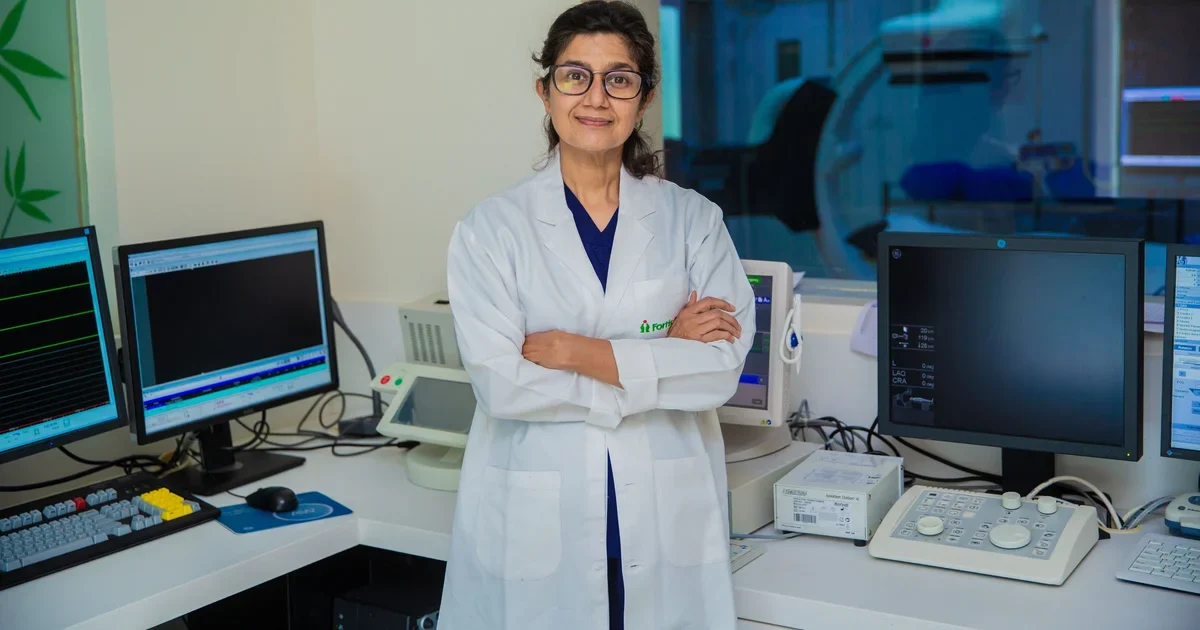
Photo by dr aparna jaswal on Pexels
In this story
How big is India’s TB problem?
India has about a quarter of the world’s tuberculosis (TB) cases. In the World Health Organization’s Global TB Report 2025, India’s share of the global burden is about 25 per cent, ahead of Indonesia (10 per cent), the Philippines, China and Pakistan, as summarised by The Week. In 2024 the world had an estimated 10.7 million new TB cases and 1.23 million deaths. India’s estimated cases that year were about 2.7 million, and the country notified 2.61 million of them to the health system.
That is a lot of people, and the number also hides some good news. India’s TB incidence fell about 21 per cent between 2015 and 2024, from roughly 237 to 187 cases per lakh population, and TB deaths fell from about 28 to 21 per lakh over the same years. The fall is faster than the global average. A disease that has been with India for thousands of years is finally shrinking.
It is still a very large disease. TB is the world’s top infectious killer, and in India it kills a person every few minutes. It spreads through the air when someone with active lung TB coughs. It strikes working-age adults hardest. It is both curable and preventable, which makes every death a failure of the system around the patient rather than a failure of medicine.
Indicator | Figure | Year |
|---|---|---|
India’s share of global TB cases | About 25% | 2024 |
Estimated TB cases in India | About 2.7 million | 2024 |
Cases notified in India | 2.61 million | 2024 |
TB incidence per lakh | 237 (2015) to 187 (2024) | 2015-2024 |
TB deaths per lakh | 28 (2015) to 21 (2024) | 2015-2024 |
India’s share of global drug-resistant TB | More than 32% | 2024 |
Figures come from the WHO Global TB Report 2025 as reported by Drishti IAS and Insights on India. Secondary sources differ slightly on some details, such as India’s share of global TB deaths, so we leave that figure out.
Did India meet its own deadline?
No. India set itself a goal of ending TB by 2025, five years ahead of the global Sustainable Development Goal date of 2030. A fall of 21 per cent in incidence is real progress, but it is far from the 80 per cent drop the 2025 target implied. The goal pushed the programme to act faster, and the missed date is a reason to look honestly at what slows patients down.
Who gets TB, and why?
TB is a disease of crowding, poverty and weak immunity. People who live in cramped homes with poor ventilation, who work in dusty mines, quarries and factories, or who are undernourished are most at risk. People with diabetes, HIV or those who smoke are also at higher risk. The disease is often called a mirror of inequality for this reason: where wages are low and food is short, TB follows.
Undernutrition is the single largest risk factor for TB in India, ahead of smoking and diabetes, according to modelling studies. Millions of Indian adults are underweight. A body that lacks calories and protein cannot hold the bacteria in check. A person who is infected has a lifetime chance of developing active TB that is far higher if they are underweight.
Why do so many patients stop treatment?
Drug-sensitive TB is cured by a course of antibiotics that lasts six months, and the drugs are free in government facilities. After two months, most patients feel much better. The cough eases, the fever goes and they start to eat. This is exactly when many stop. Stopping early lets the surviving bacteria multiply again, and they come back stronger. This is how drug resistance is created.
Is cost a problem even when the drugs are free?
Yes. Free drugs do not mean a free illness. A patient may lose weeks of wages to get a diagnosis, travelling between a village clinic, a private doctor and a district hospital. Tests and X-rays may be paid for in a private lab. Travel to a facility for monthly checks costs money and a day’s work. Diet advice, such as eating more protein, means nothing when the household barely has two meals. Many studies of Indian patients find that families lose a large part of their income in a TB episode, and some borrow money to cope.
The worst-affected are daily wage workers, migrant labourers and street vendors. A construction worker who is told to rest for a few weeks cannot afford to do so. This kind of pressure is described in our piece on why Indian families climb for a decade and fall in a week: a single health shock can erase years of savings.
How does stigma keep people away from care?
TB still carries shame. Patients report being asked to eat separately, losing their jobs when a manager finds out and being avoided by neighbours. Women are at a particular disadvantage. A young woman with TB may be hidden from prospective in-laws, and a married woman may be sent back to her parents. Because of this, many people delay getting a test, go to a private provider who does not report the case or leave treatment before the course is done in order to keep the diagnosis secret. The silence helps the disease spread and means contacts are not screened.
Much of what we described in our article on India’s mental health crisis applies here. Fear of what people will say keeps people away from help, whether the illness is in the mind or in the lungs.
What is the role of nutrition?
Food is medicine for TB patients. A person who eats well recovers faster, is more likely to finish the course and is less likely to die. The most convincing evidence is from the RATIONS trial in Jharkhand, published in The Lancet in 2023. Researchers gave monthly food baskets (rice, pulses and a micronutrient pill) to TB patients and their household members in one group of villages, and compared outcomes against villages that did not receive them. TB cases among household contacts fell by roughly 40 per cent in the group that received the food, and the effect was larger, at nearly half, for infectious pulmonary TB. The study is described on PubMed. Feeding the household was not just compassion. It cut transmission.
Why is the private sector a challenge?
A large share of Indian patients first visit a private doctor, a pharmacist or an informal provider. Some of these providers do not test for TB or treat with the wrong combinations of drugs, and not all of them notify the government. A patient may see three or four providers before diagnosis, passing the infection to others along the way. Bringing private providers into the programme and paying them for notification and follow-up has been one of the biggest changes in the last decade.
What is drug-resistant TB, and why is it so dangerous?
Drug-resistant TB (DR-TB) occurs when the bacteria no longer respond to the main first-line drugs. The most common form is multi-drug-resistant or rifampicin-resistant TB (MDR/RR-TB). Treatment is longer, involves more drugs with harsher side effects and has lower success rates. India accounted for more than 32 per cent of the world’s estimated MDR/RR-TB cases in 2024, according to the report summaries cited above.
Drug-resistant TB mostly arises from incomplete or incorrect treatment, which brings us back to the problems of cost, stigma and weak follow-up. A person with DR-TB can also pass resistant bacteria to others, so that some new patients start with resistant disease from the beginning.
Treatment has improved in recent years. The programme has introduced newer drugs and shorter all-oral regimens that replace the painful injections once used, and rapid molecular tests such as CBNAAT and Truenat can detect rifampicin resistance in hours rather than weeks. The more patients who are tested for resistance at the start, the better the outcome.
What is working?
Several approaches have shown results in India. None is a miracle, and together they explain why incidence is falling.
How does the Nikshay Poshan Yojana help?
The Ni-kshay Poshan Yojana, launched in April 2018, pays TB patients a monthly sum into their bank account through direct benefit transfer for the length of their treatment. In October 2024 the Health Ministry doubled the amount from Rs 500 to Rs 1,000 a month, effective November 2024, so that the total support is between Rs 3,000 and Rs 6,000 per patient depending on the length of treatment, as described in the Ministry of Health and Family Welfare press release. At the time of the announcement, the Ministry reported that Rs 3,202 crore had reached about 1.13 crore beneficiaries.
The payment is modest, and patients and health workers say it helps with food and transport. Delays in payment, bank account problems and paperwork have been recurring complaints, so the benefit does not always reach the patient when it is needed most.
What is Ni-kshay Mitra?
Launched in 2022 under the Pradhan Mantri TB Mukt Bharat Abhiyaan, Ni-kshay Mitra invites individuals, companies, NGOs and elected representatives to adopt TB patients and support them with food baskets, nutrition and emotional backing for the duration of treatment. Under the expanded scheme, a Mitra can also adopt the household contacts of a patient. In Karnal, Haryana, for example, 539 Ni-kshay Mitras had adopted 2,600 of 4,218 notified patients, according to The Tribune. That figure is local, not national, and shows the idea can work at district scale.
The approach tackles two problems at once: the missing food and the loneliness. A patient who has a visitor every week, from someone not in the family, feels less alone and is likelier to finish treatment.
Why does active case finding matter?
Waiting for patients to come to a clinic misses many of them. Active case finding sends health workers into communities to screen people who are at high risk: household contacts, people with diabetes, tobacco users, older adults, prisoners, mine workers and residents of urban slums. Portable X-ray machines, some with artificial intelligence software that flags suspicious chest images, have made it possible to screen in villages and informal settlements. India has also run intensive campaigns, including a 100-day push in high-burden districts launched in December 2024, to find missing cases and start them on treatment quickly. Finding a case early prevents the infection of the next person in the household.
What are community-based DOT and differentiated care?
Directly observed treatment (DOT) means that a trained person watches the patient take medicine. In the early years this meant visiting a clinic daily or several times a week, which was a burden. Community DOT, delivered by ASHA workers, volunteers and treatment supporters in the patient’s own neighbourhood, and now supported by digital adherence tools such as pill-box reminders and phone calls, reduces the travel and the stigma of clinic visits. Daily drug combinations that have been used across the country since 2018 also simplify matters, with one fixed-dose tablet in place of a handful.
What can we learn from Kerala?
Kerala has long been among India’s strongest performers in public health, and TB is no exception. The state runs a Tuberculosis Elimination Mission built around local governments, in which panchayats and municipalities take responsibility for screening, supporting patients and tracking outcomes. A study in Public Health Action examines how these local bodies steer the effort. Kerala has also won a Union health ministry award for registering large numbers of private-sector patients on the Ni-kshay portal, which shows that bringing private doctors into the system is feasible. The state benefits from high literacy, a dense network of health workers and strong panchayats, advantages that other states can copy in part but not overnight.
The national TB Mukt Panchayat initiative, which certifies village councils that meet targets on screening and notification, builds on this idea. IndiaSpend has reported that experts see a gap in funding for panchayats and a threshold lower than international norms for declaring an area TB-free, so the label should be read as a sign of effort and not a guarantee of elimination.
Why does TB still hit some groups harder than others?
The national average hides who carries the disease. Men get TB more often than women in most surveys, partly because they are more exposed through work, smoking and alcohol, and partly because women are less likely to reach a clinic and be counted. A woman with a cough for months may be told to wait, or may not be able to leave the house and her duties alone. Notification numbers for women are lower than the biology would suggest, which means some cases never reach the register.
Children are harder to diagnose. They often cannot produce sputum, and their symptoms look like other childhood illnesses. A child in a home with an adult patient is at risk and should be assessed and offered preventive treatment, which is a short course of medicine that stops infection from becoming disease. Tribal communities, urban slum residents, prisoners, migrant workers and people living with HIV also have higher rates, as do people with diabetes, a link that gets more attention each year as diabetes spreads in India.
These patterns point to the same fix: take testing and care to where people live and work, at hours they can attend. The point is made in our look at what rural Indians pay per hospital visit compared with Swedes, where distance and out-of-pocket cost keep the poorest from care.
What does a good TB experience look like for the patient?
Picture a daily-wage worker in a small town who coughs for three weeks. In a good system, the ASHA worker visiting her lane notes the cough and refers her for a free test the same week. A rapid molecular test is done at a nearby health centre, and the result, including whether the bacteria resist the main drug, comes back in a day or two. She is registered on the Ni-kshay portal, receives her first month of tablets and a call from a treatment supporter, and a Rs 1,000 payment lands in her bank account each month. Someone from her neighbourhood checks in on her, and her employer has been told that she can do lighter work for a few weeks. After six months, she is cured.
Every step in that story exists somewhere in India today. The goal of the programme is to make the whole chain run reliably everywhere, not just in the districts with the best officers.
What should India do next?
- Treat the whole household’s food as part of treatment. The RATIONS results suggest that nutrition support for patients and contacts is among the most effective tools available.
- Pay on time. Make direct benefit transfers reliable, with a simple way to claim for patients without a bank account.
- Test everyone for resistance at the start. Rapid molecular testing for every presumptive case, including those who first go to a private provider.
- Bring the private sector in. Pay for notification and follow-up, and give private doctors quality-assured drugs.
- Fight stigma openly. Public figures who speak about their own TB, school and workplace policies that protect jobs, and counselling at diagnosis.
- Screen high-risk groups. Contacts, people with diabetes, miners and slum residents, using portable X-ray and rapid tests.
- Fund the districts. Local bodies that run elimination missions need staff and money, not only targets.
What can you do?
TB gets little attention in daily life, and ordinary people can still act.
- Know the symptoms. A cough that lasts more than two weeks, fever, night sweats, weight loss or blood in the sputum need a test. Do not wait it out.
- Get tested for free. Government health centres offer free testing and treatment. Call the national helpline, 1800-11-6666, to find a centre.
- Finish the course. If you or someone in your family is on treatment, remind them to take every dose for the full six months, even after they feel better.
- Be a Ni-kshay Mitra. Individuals, resident welfare associations, companies and schools can adopt patients through the Ni-kshay portal and give food support and company.
- Do not shun a patient. TB is not spread by sharing a meal or shaking hands. Once a person has been on treatment for a few weeks, they are far less infectious. Offer a lift to the clinic.
- Improve ventilation. Open windows, use masks in crowded closed spaces if you are coughing and cover your mouth.
- Screen household contacts. If someone in your home has TB, ask the health worker about testing and preventive treatment for the rest of the family.
- Give a job back. If you are an employer, hold a patient’s position and allow time for clinic visits.
Frequently asked questions
How many people in India have TB?
The WHO estimates about 2.7 million new cases in 2024, around a quarter of the global total.
Is TB curable?
Yes. Drug-sensitive TB is cured by a six-month course of free antibiotics. Drug-resistant TB takes longer and uses more drugs, but is also curable.
How is TB spread?
Through the air when a person with active lung TB coughs or sneezes. It does not spread by touch or by sharing food and utensils.
Is treatment free in India?
Yes, tests and drugs are free in government facilities, and patients get a monthly nutrition payment of Rs 1,000 for the full treatment period.
Why do patients stop taking medicine?
Many feel better after two months, face side effects, lose wages travelling to the clinic or fear stigma. Stopping early can cause drug resistance.
What is a Ni-kshay Mitra?
A person or organisation that adopts TB patients and gives them food and support during treatment.
Did India meet its 2025 target to end TB?
No. Incidence fell about 21 per cent between 2015 and 2024, well short of the target.
The bottom line
India has about a quarter of the world’s TB, and yet it is also bending the curve faster than most. What works is not complicated: find cases early, test for resistance, feed the patient and the household, make the medicine easy to take and pay for the support that keeps people in treatment. The programme gets stronger every year when it listens to patients. The hardest part left is not the bacteria. It is the cost, hunger and shame that turn a curable illness into a death.
Sources: World Health Organization, Global Tuberculosis Report 2025 (via the linked summaries); Ministry of Health and Family Welfare, press release on the Ni-kshay Poshan Yojana; Bhargava et al., RATIONS trial, The Lancet, 2023; Central TB Division, TB Mukt Panchayat Handbook; IndiaSpend reporting on the TB Mukt Panchayat initiative.
What you can do
- Share the evidenceSend this to one person who should know about poverty.Share on WhatsApp
- Give an afternoonTeach, mentor, clean up, or lend your professional skills.Ways to volunteer
- Tell us what's missingKnow a story, a fact we got wrong, or a solution worth spotlighting?Suggest a story
Politically neutral. Every claim sourced. Report a correction.
No comments yet