India's Mental Health Crisis: 200 Million People, Almost No Help
India has about 9,000 psychiatrists for roughly 200 million people with mental health conditions. This article looks at the treatment gap and the stigma that keeps people from seeking help.
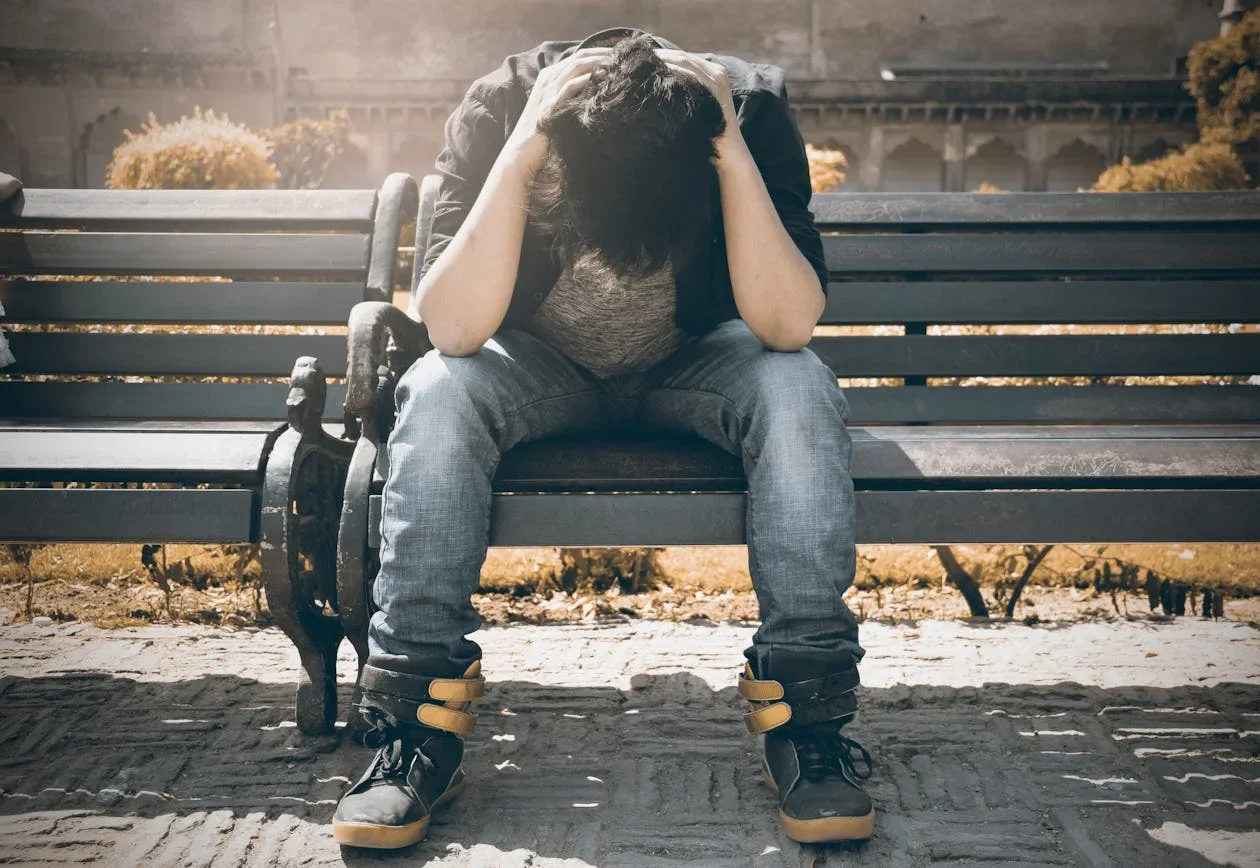
One Psychiatrist for Every 150,000 People
India has approximately 9,000 psychiatrists. For 1.4 billion people. That’s one psychiatrist for every 155,000 citizens. The World Health Organization recommends one for every 10,000. India would need 140,000 psychiatrists to meet that standard. It has 9,000.
This isn’t a gap. It’s a chasm. And into that chasm fall an estimated 200 million Indians living with some form of mental health condition, depression, anxiety, PTSD, schizophrenia, bipolar disorder, substance use disorders. Most will never see a mental health professional in their lifetime. Most will never even be diagnosed.
India’s mental health crisis is the country’s largest invisible emergency.
The Numbers India Doesn’t Talk About
Indicator | Data |
|---|---|
People with mental health conditions | ~200 million (14% of population) |
Psychiatrists in India | ~9,000 |
Clinical psychologists | ~2,000 |
Psychiatric social workers | ~3,500 |
Government spending on mental health | 0.05% of health budget |
Treatment gap (those who need help but don’t get it) | 83-85% |
Annual suicides | ~170,000 (highest in the world) |
Student suicides (2022) | 13,044 |
India records the highest number of suicides of any country in the world. Not per capita, in absolute numbers. And the trend is rising, not falling.
Why India Doesn’t Talk About Mental Health
The treatment gap, 85% of people who need mental healthcare not receiving it, isn’t just about too few doctors. It’s about a culture that hasn’t made space for the conversation:
- Stigma as social death, In many Indian families, admitting to depression or anxiety is seen as weakness, character failure, or divine punishment. For women, a mental health diagnosis can end marriage prospects. For men, it can end careers. The social cost of seeking help often exceeds the cost of suffering in silence.
- “Log kya kahenge”, “What will people say?” This question governs Indian family decisions more than any medical guideline. Families hide members with serious mental illness rather than seek treatment. Chaining, confinement, and faith-healing remain common responses to psychotic episodes in rural India.
- The joint family paradox, India’s joint family system is often cited as a protective factor for mental health. And it can be. But it can also be the source of the problem, domestic violence, forced marriages, financial pressure, intergenerational trauma, while simultaneously preventing the individual from seeking outside help.
- Language gaps, Most mental health frameworks are Western. The diagnostic vocabulary (“clinical depression,” “generalised anxiety disorder”) doesn’t translate easily into Indian languages or cultural contexts. When a farmer in Vidarbha says he’s “tired of living,” he’s describing suicidal ideation. But without culturally appropriate screening, it goes unrecognised.
The Populations Hit Hardest
Farmers, India’s agrarian crisis is also a mental health crisis. Crop failure, debt, and loss of land create conditions for severe depression and suicide. Maharashtra, Karnataka, Telangana, and Madhya Pradesh report the highest farmer suicide rates. These are the same states with the least mental health infrastructure.
Students, India’s education system generates extreme pressure. The Kota coaching culture, board exam stress, competitive exam anxiety, and parental expectations contribute to a student mental health emergency. 13,044 students died by suicide in 2022, roughly 36 per day. The education crisis isn’t just about access and quality. It’s about survival.
Women, Indian women experience depression at nearly twice the rate of men, driven by domestic violence (30% of women report it), restricted mobility, economic dependence, and caregiving burden. Yet women are less likely to receive treatment because family decision-makers (often male) don’t prioritise it. The barriers women face in professional life are mirrored in healthcare access.
LGBTQ+ individuals, Despite the decriminalisation of homosexuality (Section 377, 2018), LGBTQ+ Indians face family rejection, social isolation, and conversion therapy attempts. Depression and anxiety rates are significantly higher than the general population, with almost zero culturally competent mental health services available.
Urban youth, Social media, gig economy precarity, rising cost of living, delayed marriages, and loneliness in megacities are creating a new mental health cohort. India’s under-30 population, the world’s largest youth demographic, reports rising anxiety and depression, much of it undiagnosed.
What’s Being Done (And What Isn’t Enough)
The Mental Healthcare Act, 2017, A landmark law that guarantees the right to mental healthcare and decriminalised attempted suicide. On paper, it’s progressive. In practice, implementation is patchy. Most states lack the infrastructure to deliver on the Act’s promises.
District Mental Health Programme (DMHP), Designed to integrate mental health into primary healthcare at the district level. Active in about 700 of India’s 766 districts, but severely underfunded and understaffed. Many DMHP centres exist only on paper.
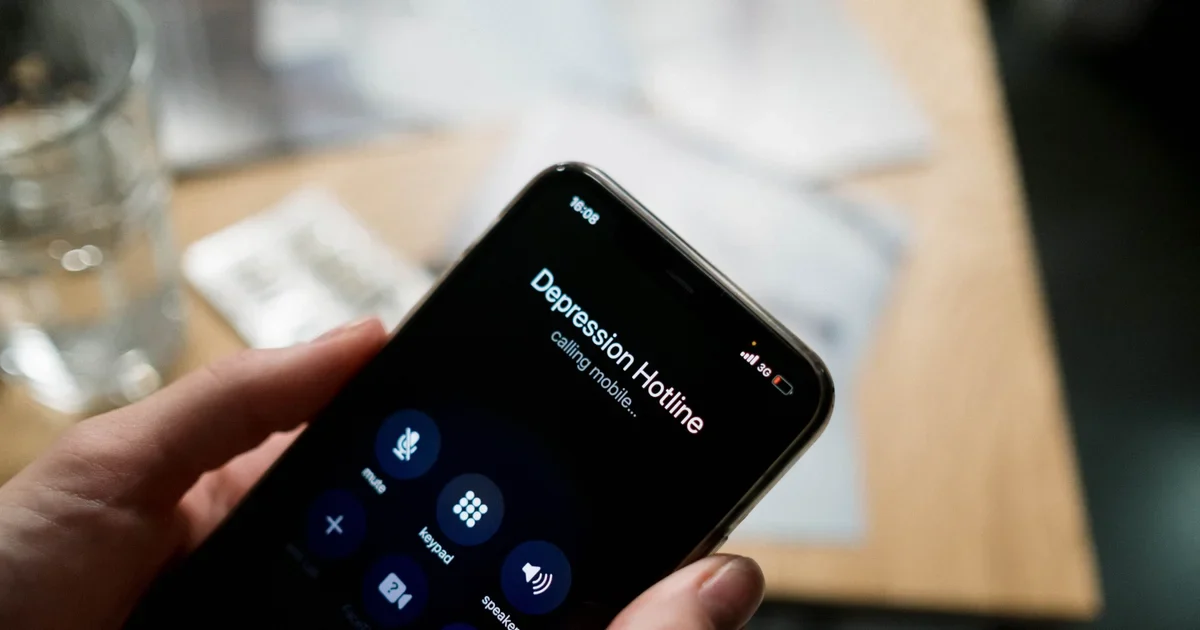
Tele-MANAS, Launched in 2022, this government helpline provides free counselling in multiple languages. It’s received over 1 million calls, suggesting massive unmet demand. But phone counselling has limits, it can’t replace ongoing therapy for serious conditions.
iCall, Vandrevala Foundation, AASRA, NGO-run helplines and counselling services filling the gaps government services can’t. These are lifelines, but they’re funded by donations and operate at a fraction of the needed scale.
Startup therapy platforms, Apps like Amaha, InnerHour, and YourDOST are making therapy accessible to urban, English-speaking, digitally connected Indians. But at ₹1,500-3,000 per session, they’re priced out of reach for the majority. The digital divide means these solutions don’t reach rural India.
What Would Actually Fix This
The solutions aren’t mysterious. They’re just unfunded:
- Train 100,000 community mental health workers, India doesn’t have enough psychiatrists and won’t for decades. But it can train ASHA workers, anganwadi workers, and community health volunteers in basic mental health screening and first response. The Atmiyata model in Maharashtra has proven this works at scale.
- Integrate mental health into primary care, Every Primary Health Centre should be able to screen for depression and anxiety, just as they screen for diabetes and TB. Mental health cannot remain a “specialist” service when specialists don’t exist.
- Fund it like the crisis it is, India spends 0.05% of its health budget on mental health. The global average is 2.1%. Even reaching 1% would transform capacity. India’s startup ecosystem proves the country can mobilise resources when it decides something matters.
- School-based mental health programmes, Mandatory mental health education and counsellor presence in every school. Catch problems at 14, not 24.
- Culturally rooted approaches, Yoga, meditation, community singing, peer support groups, India has indigenous wellness traditions that can complement clinical approaches. These aren’t replacements for psychiatry, but they’re scalable, affordable, and culturally accepted.
The Question India Must Answer
India is building bullet trains, launching moon missions, and processing 14 billion digital payments a month. It’s a country that proves daily that ambition and scale are possible when the will exists.
So the question is simple: does India care about the mental health of its people enough to invest in it?
200 million Indians are waiting for an answer. Most are waiting in silence, because silence is the only option their country has given them.
What you can do
- Get help nowTele-MANAS is the government's free tele-mental health helpline, in languages across states.Call 14416
- Share the evidenceSend this to one person who should know about health.Share on WhatsApp
- Give an afternoonTeach, mentor, clean up, or lend your professional skills.Ways to volunteer
- Tell us what's missingKnow a story, a fact we got wrong, or a solution worth spotlighting?Suggest a story
Politically neutral. Every claim sourced. Report a correction.
No comments yet