Northeast Rising: How India's Frontier States Are Emerging as Innovation and Tourism Hubs
India's eight Northeast states are building startup, tourism, organic farming and cultural initiatives, with Guwahati as the region's startup hub.
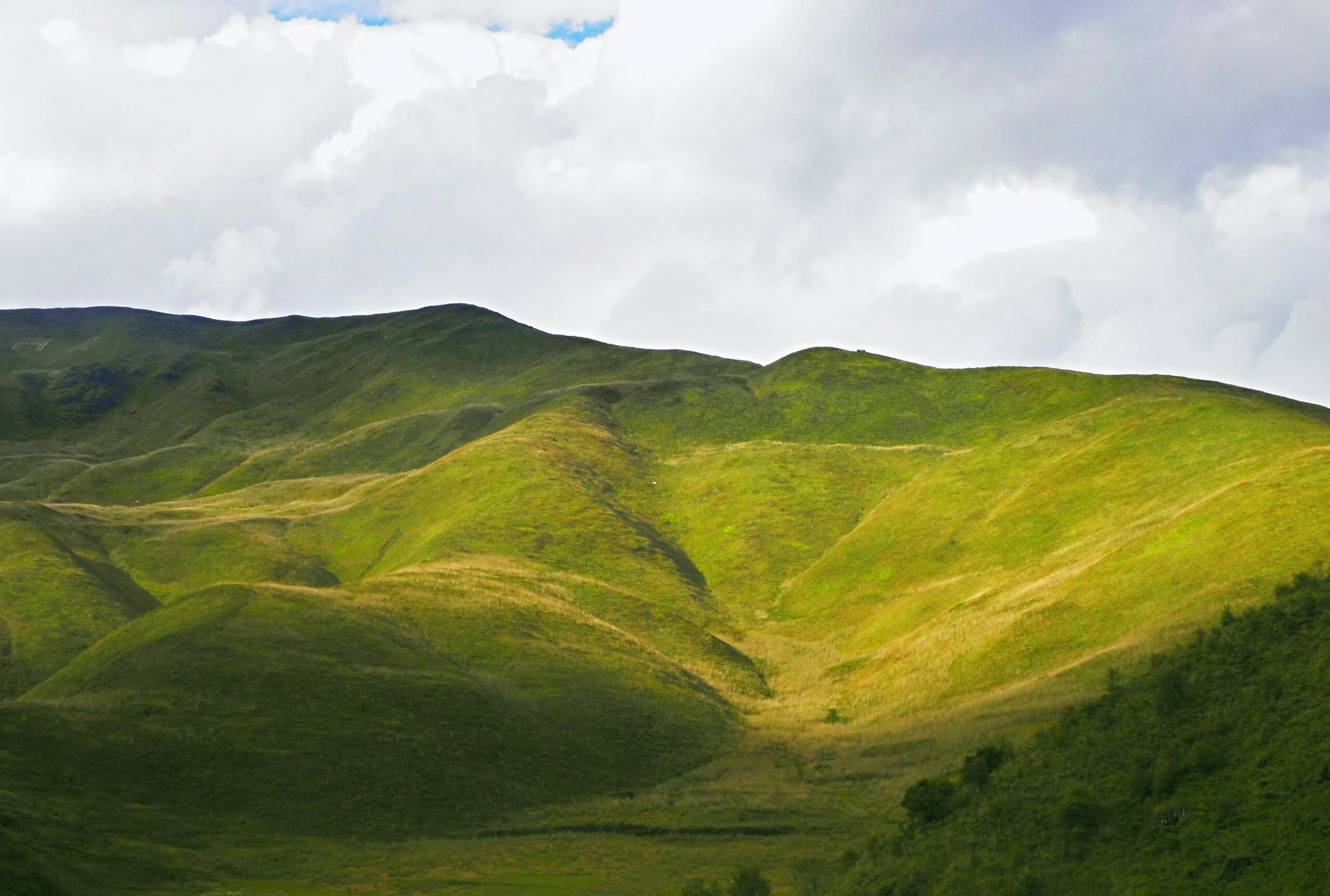
For decades, India’s Northeast was spoken about in terms of distance, remote, disconnected, underdeveloped. Eight states tucked between Bangladesh, Myanmar, Bhutan, China, and the rest of India, linked to the mainland by a narrow corridor. The region was defined by what it lacked: roads, industry, connectivity, attention.
That story is changing. Northeast India is emerging as one of the country’s most dynamic frontiers for startups, sustainable tourism, organic agriculture, and cultural innovation. The eight states, Arunachal Pradesh, Assam, Manipur, Meghalaya, Mizoram, Nagaland, Sikkim, and Tripura, are writing a new chapter that the rest of India is beginning to notice.
The Startup Ecosystem Takes Root
Guwahati, the largest city in the Northeast, has become the region’s startup hub. The Indian Institute of Technology Guwahati (IIT-G) runs one of the country’s most active incubation centres, supporting ventures in biotechnology, clean energy, food processing, and digital services. Startups from the region have raised funding from national investors and are solving problems specific to the Northeast’s geography and communities.
Assam Startup, the state government’s flagship initiative, has supported over 500 startups since its launch. Meghalaya’s Basin Bridge programme connects local entrepreneurs with mentors and markets. Manipur’s startup ecosystem, though smaller, has produced ventures in handloom e-commerce and organic food delivery that serve customers across India.
The pattern is clear: young people from the Northeast are choosing to build businesses at home rather than migrate to Delhi, Bengaluru, or Mumbai. Better internet connectivity, government incentives under the North East Industrial Development Scheme (NEIDS), and growing consumer markets within the region are making entrepreneurship viable.
Tourism Beyond the Beaten Path
Northeast India holds some of the country’s most spectacular landscapes, from the living root bridges of Meghalaya to the snow peaks of Arunachal Pradesh, from the tea gardens of Assam to the pristine lakes of Manipur. For years, permit requirements, limited infrastructure, and lack of marketing kept tourist numbers low. That is changing rapidly.
Meghalaya has positioned itself as a sustainable tourism destination. Mawlynnong, once called Asia’s cleanest village, draws visitors from across the world. The Dawki River, with its crystal-clear waters, has become one of India’s most photographed natural attractions. Community-owned homestays in Meghalaya’s Khasi Hills offer travellers authentic cultural experiences while keeping tourism revenue within local communities.
Sikkim, India’s first fully organic state, attracts visitors interested in responsible travel. The state banned single-use plastics years before the rest of India and has developed trekking routes, monastery circuits, and agri-tourism experiences that balance economic benefit with environmental protection.
Arunachal Pradesh, with its Buddhist monasteries, tribal festivals, and Himalayan landscapes, is emerging as a destination for adventure and cultural tourism. The Ziro Valley, home to the Apatani tribe, hosts the Ziro Festival of Music, an annual event that brings artists and audiences from across India to one of the country’s most remote valleys.
Nagaland’s Hornbill Festival, held every December, has grown into a major cultural event showcasing Naga tribal traditions, food, music, and crafts. What started as a state government initiative has become a genuine cultural exchange that introduces mainland India to Naga heritage.
Organic Agriculture: A Natural Advantage
The Northeast accounts for a disproportionate share of India’s organic farming. Sikkim became the world’s first fully organic state in 2016. Meghalaya, Mizoram, and Nagaland practice traditional farming methods that are inherently organic, they never adopted chemical-intensive agriculture in the first place.
This positions the region uniquely in a market where demand for organic produce is growing across India and globally. Northeast India produces specialty crops that command premium prices: Assam tea, Manipur’s black rice, Meghalaya’s turmeric, Nagaland’s king chilli (Bhut Jolokia, one of the world’s hottest peppers), and Mizoram’s passion fruit.
The challenge has always been logistics, getting fresh produce from remote farms to urban markets. The Bharatmala highway project and improved rail connectivity are reducing transit times. Cold chain infrastructure, though still developing, is making it possible for Northeast farmers to reach consumers in Delhi, Mumbai, and beyond.
Connectivity Is Changing Everything
Infrastructure development is the single biggest factor transforming Northeast India. The region is experiencing its most intensive period of road, rail, bridge, and air connectivity expansion since independence.
The Bogibeel Bridge, India’s longest combined road-rail bridge, connects Assam’s Dibrugarh to Arunachal Pradesh, cutting travel time from hours to minutes. The Dhola-Sadiya Bridge links Assam to Arunachal Pradesh across the Brahmaputra. The Barak Valley in southern Assam is getting its first broad-gauge rail connection.
Flight connectivity has expanded dramatically. Airports in Imphal, Dimapur, Shillong, and Pakyong (Sikkim) now connect the region to major Indian cities. The UDAN regional connectivity scheme has made air travel affordable, bringing the Northeast within a few hours of Delhi and Kolkata.
Digital connectivity has also improved. 4G coverage now reaches most district headquarters, and broadband projects under BharatNet are extending internet access to rural areas. This connectivity enables remote work, e-commerce, and digital services that were impossible a decade ago.
Cultural Renaissance and Soft Power
Northeast India’s cultural influence on the rest of the country is growing. Musicians from the region, particularly Shillong, sometimes called India’s rock capital, have a national following. Mary Kom from Manipur is one of India’s most celebrated athletes. Mirabai Chanu, also from Manipur, won an Olympic silver medal in weightlifting at Tokyo 2020, becoming a national icon.
Northeast cuisine is gaining recognition in India’s food scene. Restaurants serving Naga, Manipuri, and Assamese food are opening in Delhi, Bengaluru, and Mumbai. Ingredients like bamboo shoot, fermented fish, and king chilli are appearing on menus that previously ignored the region’s culinary traditions.
Fashion designers from the Northeast are bringing traditional handloom textiles, Manipuri phanek, Naga shawls, Assamese mekhela chador, Mizo puanchei, to national and international platforms. These textiles represent centuries of weaving tradition and craftsmanship that are finding new markets through e-commerce and fashion shows.
Challenges on the Path Forward
The Northeast’s transformation is real but uneven. Several challenges remain.
Insurgency and ethnic tensions, though significantly reduced from their peak, still affect parts of Manipur, Nagaland, and Assam. The 2023 ethnic violence in Manipur was a stark reminder that peace and stability cannot be taken for granted. Lasting solutions require political dialogue, not just security operations.
Infrastructure development, while accelerating, has not reached many remote areas. Villages in Arunachal Pradesh and Nagaland still lack reliable road access during monsoon season. Healthcare and education infrastructure need significant investment.
Climate vulnerability is a growing concern. The Northeast receives some of India’s heaviest rainfall. Floods in Assam displace millions every year. Landslides affect hill states regularly. Climate-resilient infrastructure and early warning systems are essential.
Outmigration of young people to mainland India continues, driven by limited higher education options and formal job markets. Retaining talent requires creating economic opportunities within the region, which the startup ecosystem and tourism growth are beginning to address.
The Bridge to Southeast Asia
Geographically, Northeast India is closer to Southeast Asia than to Delhi. The Act East Policy, India’s diplomatic framework for engaging with ASEAN nations, positions the Northeast as a gateway. The India-Myanmar-Thailand Trilateral Highway, when completed, will connect Moreh in Manipur to Mae Sot in Thailand by road.
This connectivity could transform the Northeast from India’s remote periphery into its trade and cultural bridge to Southeast Asia. Border trade points at Moreh (Manipur) and Zokhawthar (Mizoram) are already active, and economic corridors through the region could create new markets and opportunities.
The Northeast’s ethnic and cultural ties to Southeast Asia, shared traditions, similar cuisines, related languages, make this connection natural, not forced.
A Region Defining Its Own Future
The most important shift in Northeast India is not infrastructure or investment, it is narrative. For decades, the region’s story was told by others: Delhi policymakers, national media, or conflict reporters. Today, young people from the Northeast are telling their own stories through startups, social media, music, cinema, and entrepreneurship.
Films from the Northeast are winning national awards. Instagram accounts showcase the region’s landscapes and culture to millions. YouTube channels document tribal traditions, local recipes, and startup journeys. This self-representation is building pride within the region and awareness outside it.
Northeast India is not waiting for the rest of the country to discover it. It is building, creating, and innovating on its own terms. The frontier states are becoming India’s frontier of possibility.
Festival of Languages: How India’s Multilingual Heritage Strengthens National Identity
Open Source Bharat: How Indian Developers Are Building Technology for Public Good
Smart Villages: How Technology Is Closing the Urban-Rural Divide in India
Photo by Sayan Samanta on Pexels
What you can do
- Share the evidenceSend this to one person who should know about solutions.Share on WhatsApp
- Back what worksVolunteer time or skills with groups doing this work.Ways to volunteer
- Tell us what's missingKnow a story, a fact we got wrong, or a solution worth spotlighting?Suggest a story
Politically neutral. Every claim sourced. Report a correction.


No comments yet