Why India's Villages Are Emptying: The Migration Crisis Nobody Planned For
Falling farm incomes and few non-farm jobs are emptying India's villages. This article looks at the numbers behind rural-urban migration and what pushes people to cities.
The Great Indian Emptying
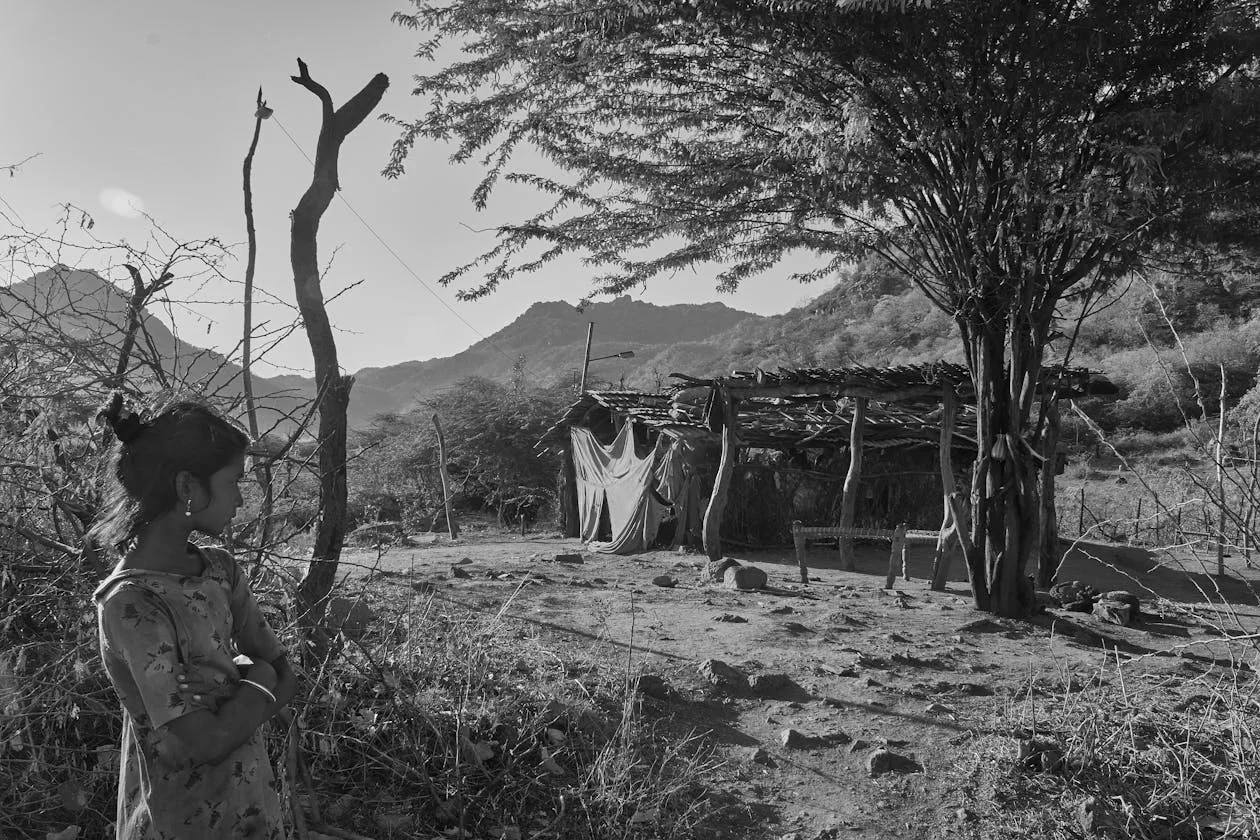
Drive through large parts of rural Bihar, eastern UP, Bundelkhand, Vidarbha, or Rayalaseema, and you’ll see something that should alarm the country: villages where the working-age population has vanished. The elderly sit on charpoys. Children play in empty lanes. The able-bodied, the farmers, labourers, carpenters, masons, have left for Delhi, Mumbai, Bengaluru, Surat, or the Gulf.
India is experiencing the largest rural-to-urban migration in human history. An estimated 450-500 million Indians will live in cities by 2030, up from about 380 million today. That’s 120 million new urban residents in less than a decade, equivalent to the entire population of Japan arriving in Indian cities.
Neither the villages they leave nor the cities they reach are prepared for this.
The Numbers Behind the Exodus
Indicator | Data |
|---|---|
Internal migrants in India | ~450 million (Census + Economic Survey estimates) |
Annual rural-to-urban migration | ~25-30 million people per year |
Share of GDP from agriculture | 15% (employs 42% of workforce) |
Average monthly farm income | ₹10,218 (National Statistical Office, 2022) |
Average daily wage for urban casual labour | ₹400-600 (varies by city) |
Inter-state migrant workers | ~140 million |
The math is simple and devastating. A farm family earning ₹10,000 a month cannot survive on that income when one medical emergency costs ₹50,000, one daughter’s wedding costs ₹3 lakh, and one child’s education costs more than the land produces. Migration isn’t a choice. It’s arithmetic.
What Pushes People Out of Villages
- Agricultural collapse, Fragmented landholdings (average: 1.08 hectares), rising input costs, falling crop prices, water table depletion, and climate unpredictability have made farming unviable for millions. The water crisis isn’t an abstract environmental issue, it’s the reason farmers leave.
- No non-farm jobs, India’s rural economy was supposed to diversify into manufacturing and services. It hasn’t. MGNREGA provides 100 days of wage work, but at ₹250-300/day, it’s a survival mechanism, not an economic future.
- Education aspirations, Parents migrate so their children can attend better schools in towns. The crisis in rural school quality, missing teachers, no infrastructure, rote learning, pushes families toward cities where education appears better.
- Caste oppression, For Dalits and tribal communities, migration offers escape from local caste hierarchies. In a city, your surname matters less than your labour. This doesn’t mean urban India is caste-free, it isn’t, but the daily visibility of caste oppression is lower.
- Healthcare absence, A family with a chronically ill member has no choice but to move closer to a hospital. Rural Primary Health Centres exist on paper but are frequently non-functional. India’s health infrastructure gaps force migration.
What Pulls Them to Cities (And What They Find)
The promise is simple: wages. A construction worker in Mumbai earns ₹500-700/day versus ₹250-300 in his village. A domestic worker in Delhi earns ₹8,000-12,000/month. The wage differential is the primary pull.
But what migrants actually find in cities is often brutal:
- Housing, An estimated 65 million Indians live in urban slums. Migrant workers share 10×10 foot rooms with 4-6 others. Rent consumes 30-40% of income.
- Legal invisibility, Most migrants lack domicile documents in their destination city. This means no ration card (no subsidised food), no voter ID (no political voice), no local school admission for children, no health insurance.
- Exploitation, Without documentation, migrants have zero bargaining power. Wage theft, unsafe working conditions, and sudden termination are standard. The construction sector, India’s largest employer of migrants, has some of the worst safety records in the world.
- Social isolation, Migrants live in linguistic and cultural bubbles within cities. A Bihari worker in Chennai or a Rajasthani labourer in Bengaluru faces language barriers, discrimination, and loneliness that contribute to the mental health crisis among migrant populations.
COVID Exposed the Truth
The 2020 migrant crisis during COVID lockdowns was the most visible demonstration of India’s migration dysfunction. An estimated 10-12 million workers walked hundreds of kilometres home because they had no safety net in the cities they built. They were invisible to the system they powered.
The images of that exodus, families walking on highways, workers dying on railway tracks, children being carried for hundreds of kilometres, forced India to confront a reality it had ignored: the country runs on migrant labour but treats migrants as disposable.
Five years later, not much has structurally changed. The e-Shram portal registered 290 million informal workers, but registration hasn’t translated into portable benefits.
The Ghost Village Problem
Back in the villages, the departure of working-age adults creates its own crisis:
- Agricultural decline, Farms go fallow because nobody’s left to work them. Women, elderly, and children manage what was once a family operation.
- Gender burden, When men migrate, women inherit all farming, childcare, eldercare, and household responsibilities. This “feminisation of agriculture” isn’t empowerment, it’s exhaustion without additional income or rights.
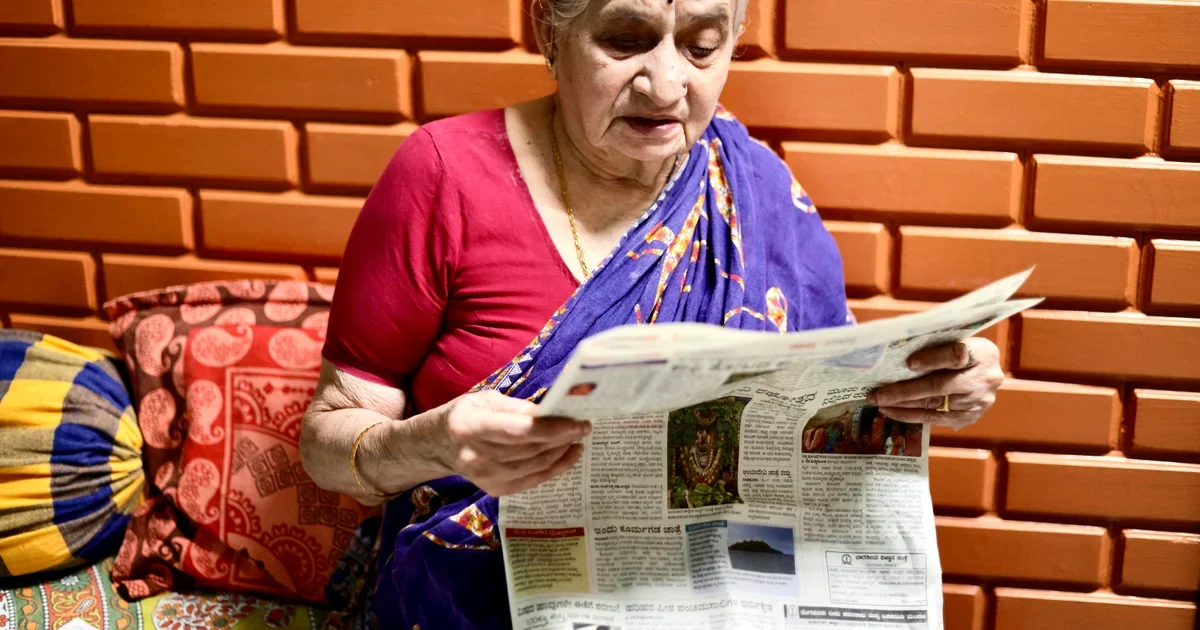
- Elderly abandonment, India’s joint family safety net depended on generations living together. Migration breaks this. Elderly villagers with chronic health needs live alone, dependent on intermittent money transfers from children in distant cities.
- School closures, As families leave, village schools lose students. Below a threshold, schools are merged or shut. This accelerates the next wave of departure.
What India Needs to Do
- Portable identity and benefits, A migrant worker’s ration card, health insurance, and children’s school enrollment should work in any state, not just their home state. The One Nation One Ration Card scheme is a start but covers only food.
- Urban planning for reality, Indian city master plans assume migrant workers don’t exist. Affordable rental housing, transit dormitories, and migrant worker hostels need to be built at the scale of actual migration, not the scale of official denial.
- Rural economic diversification, If the only job in a village is farming, and farming can’t support a family, people will leave. Creating non-farm rural employment, food processing, artisan manufacturing, rural tourism, digital services, is the only way to slow the exodus.
- Invest in community infrastructure, Healthcare, education, connectivity, and cultural life in villages. People don’t just leave for money. They leave because villages offer no future. Building futures requires investment.
- Count them, India’s last census was in 2011. The country literally doesn’t know how many migrants it has, where they are, or what they need. A current census is overdue by 5 years.
The Question
India’s villages are not emptying because village life is unattractive. They’re emptying because India has systematically underinvested in rural economies for decades while urban economies absorbed the resulting labour without providing dignity, security, or rights.
The migration will continue. The question is whether India manages it, with portable benefits, urban planning, and rural revival, or whether it continues to pretend that 450 million people moving across the country is someone else’s problem.
What you can do
- Share the evidenceSend this to one person who should know about poverty.Share on WhatsApp
- Give an afternoonTeach, mentor, clean up, or lend your professional skills.Ways to volunteer
- Tell us what's missingKnow a story, a fact we got wrong, or a solution worth spotlighting?Suggest a story
Politically neutral. Every claim sourced. Report a correction.
No comments yet