Tag

Social Justice

Forgotten Heroes

Savitribai Phule: The Woman Who Opened India's First School for Girls

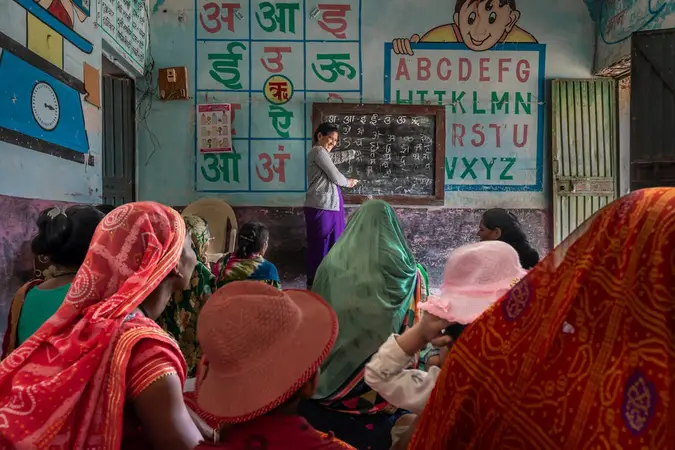
In 1848, Savitribai Phule opened India's first school for girls in Pune and became the country's first female teacher. Her story of defying caste and gender oppression - walking through stones and mud to teach every day - is one of India's most important and least told histories.

Education

India's Campus Equity Rules: Protection or Policing?

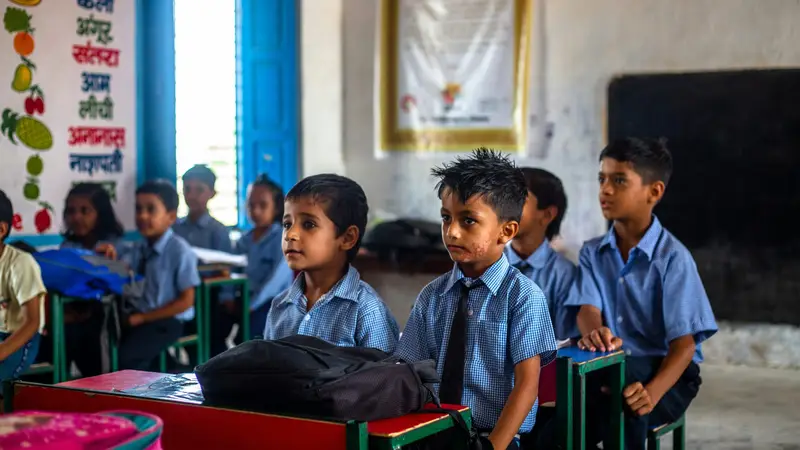
The UGC equity rules 2026 mandate every Indian college to form Equity Committees with SC/ST/OBC/women/disabled representation. Supporters call it overdue justice. Critics call it bureaucratic overreach. Here is what students, faculty, and the data actually say about caste discrimination on Indian campuses.

Social Justice

Caste in Modern India: It's Really About Money, Education, and Politics

Is caste really the root problem in modern India, or is it poverty, lack of education, and political exploitation? In cities, nobody asks your caste. With money and education, barriers dissolve. This opinion piece argues that India's caste narrative is sustained by politicians who profit from division and a media that amplifies victimhood over solutions.

Child Welfare

Child Malnutrition in India: The Stunting Emergency

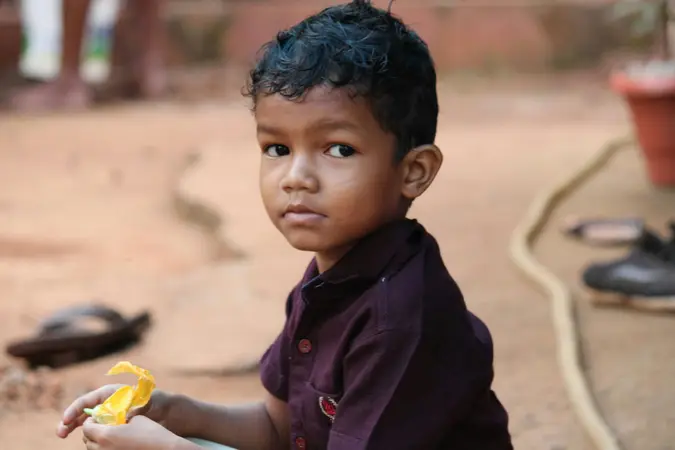
India is home to one-third of the world's stunted children. With 35.5% of children under 5 stunted, 19.3% wasted, and anaemia rising to 67.1%, child malnutrition remains a national emergency. Explore the NFHS-5 data, state-wise disparities, the caste intersection, government interventions like ICDS and POSHAN Abhiyaan, and what India must do to break the intergenerational cycle of hunger.

Gender Equality

The Economics of Dowry: When Money Replaces Caste

Dowry in India is an economic transaction, not a caste ritual. Today, money sets the price - an IIT engineer from any caste commands more than a jobless Brahmin. Here's how economic power is reshaping India's marriage market.

Social Justice

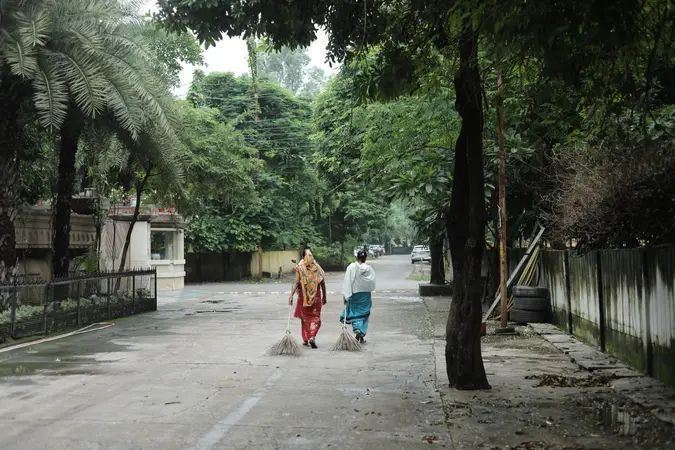
Manual Scavenging in India: Laws Exist, Practice Continues

Despite three laws and multiple Supreme Court orders banning manual scavenging, the practice persists across India, claiming over 1,300 lives since 1993 and trapping Dalit communities in a cycle of caste-based degradation that the state has failed to break.