Digital India: How UPI Became the World's Most Used Payment System
How India built UPI into the world's most-used digital payment system, processing 14+ billion transactions monthly. The story of financial inclusion, global adoption, and lessons for the world.
From Cash Economy to Digital Powerhouse
India processed over 14 billion UPI transactions in a single month in late 2025. That’s more digital payment transactions than the United States, Europe, and China combined in the same period. A country where 90% of transactions were cash just eight years ago now runs on a system built entirely by Indians, for Indians, and increasingly adopted worldwide.
UPI (Unified Payments Interface) didn’t just change how Indians pay for things. It changed the global conversation about what digital payment infrastructure can look like when a government builds it as a public good rather than a private product.
What Is UPI and How Does It Work?
UPI is a real-time payment system developed by the National Payments Corporation of India (NPCI). Launched in April 2016, it allows instant money transfers between bank accounts using a mobile phone. No card numbers, no IFSC codes, no waiting, just a phone number or UPI ID.
The brilliance of UPI is its architecture:
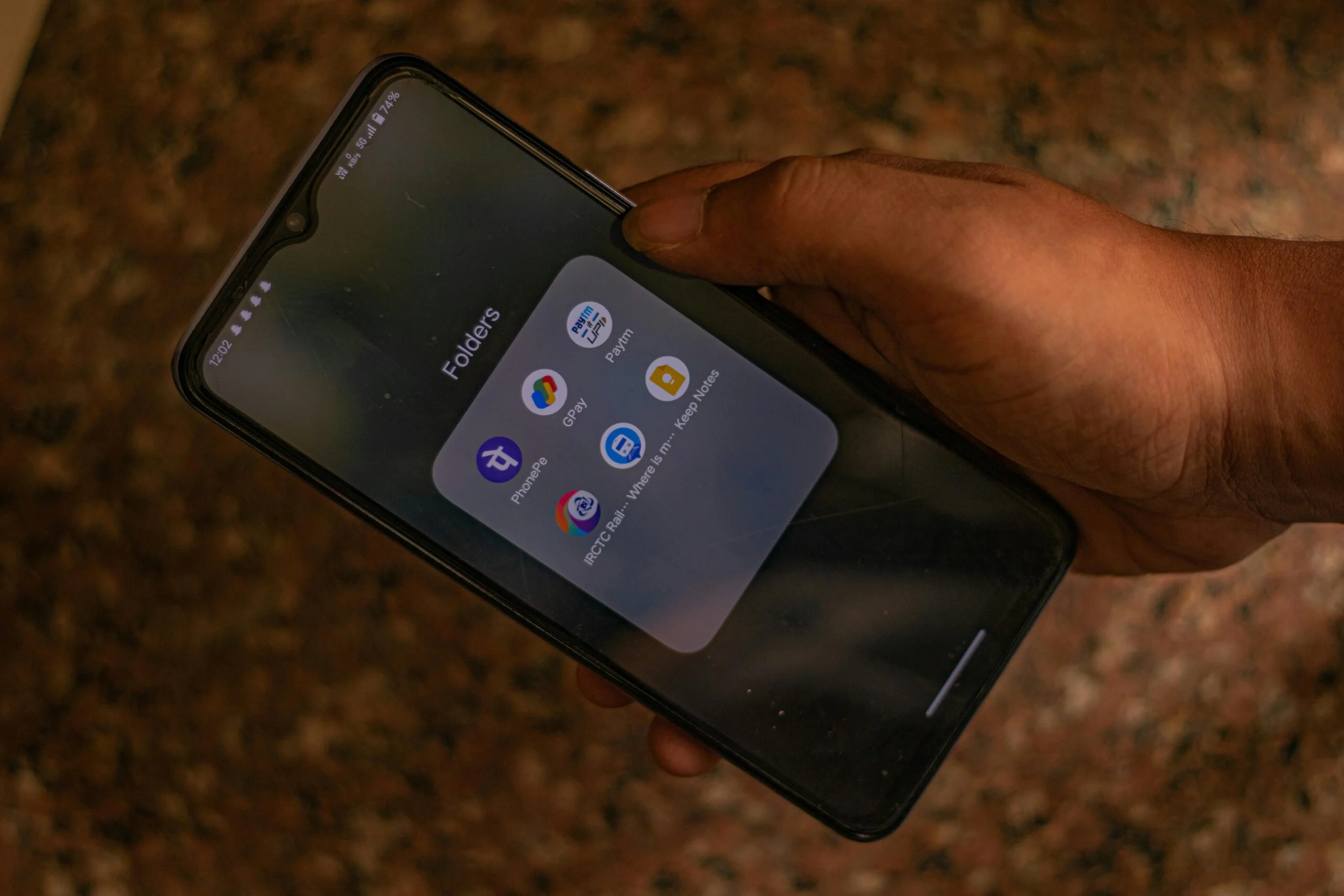
- Interoperable, Any UPI app works with any bank. Google Pay, PhonePe, Paytm, BHIM, they all connect to the same rail
- Free for consumers, No transaction fees for person-to-person payments
- Real-time settlement, Money moves in seconds, 24/7, including holidays
- Works on basic phones, UPI 123PAY works on feature phones without internet via IVR
- QR code based, Any merchant can accept payments with a printed QR code, no hardware needed
The Numbers Tell the Story
Year | Monthly Transactions | Monthly Value (INR) |
|---|---|---|
2017 | 7 million | ₹5,000 crore |
2019 | 800 million | ₹1.3 lakh crore |
2021 | 4 billion | ₹7.7 lakh crore |
2023 | 10 billion | ₹15 lakh crore |
2025 | 14+ billion | ₹22+ lakh crore |
The growth is staggering. UPI went from near-zero to processing more transactions than Visa and Mastercard do globally, in under a decade.
Why UPI Succeeded Where Others Didn’t
Government as Platform Builder
Unlike in the US or Europe where digital payments evolved through private companies (Visa, PayPal, Apple Pay), India’s government built UPI as open, public infrastructure. NPCI operates it as a non-profit. The government didn’t try to pick a winner, it built the road and let anyone drive on it.
This is the India Stack approach: Aadhaar for identity, UPI for payments, DigiLocker for documents. Each layer is open, interoperable, and available to any developer or business to build on. India’s broader technology ambitions extend well beyond payments, the country’s massive investment in AI infrastructure signals where this digital-first approach is heading next.
Demonetisation as Catalyst
The November 2016 demonetisation, when 86% of India’s currency was invalidated overnight, forced millions to try digital payments for the first time. UPI was ready. It wasn’t the cause of UPI’s success, but it compressed years of adoption into months.
Zero-Cost Merchant Onboarding
A chai wallah in a village can accept UPI payments with nothing more than a printed QR code. No POS machine, no monthly fees, no minimum balance. This is why UPI penetrated where card networks never could, into India’s vast informal economy of street vendors, auto-rickshaw drivers, and neighborhood shops.
Competition Among Apps
Because UPI is an open rail, multiple apps compete on user experience while sharing the same infrastructure. Google Pay, PhonePe, and Paytm spent billions on cashback and promotions to acquire users. The competition benefited consumers with better apps, faster features, and constant innovation.
UPI Goes Global
What started as an Indian solution is now being adopted internationally:
- Singapore, UPI-PayNow linkage allows instant transfers between India and Singapore
- UAE, Indian travelers can pay with UPI at merchants across the Emirates
- France, UPI accepted at the Eiffel Tower and major Parisian merchants
- Sri Lanka, Bhutan, Nepal, Cross-border UPI payments operational
- Japan, South Korea, UPI QR code acceptance being rolled out
NPCI International (NIPL) is actively licensing the UPI technology stack to other countries. Peru, the Philippines, and several African nations are exploring UPI-based systems for their own digital payment infrastructure.
Financial Inclusion: The Real Impact
The most significant impact of UPI isn’t convenience for urban Indians, it’s financial inclusion for the hundreds of millions who were previously unbanked or underbanked.
- Jan Dhan + Aadhaar + Mobile (JAM trinity), Over 500 million bank accounts opened under Jan Dhan Yojana, linked to Aadhaar and accessible via UPI
- Direct Benefit Transfers, Government subsidies flow directly to beneficiary bank accounts, eliminating middlemen and corruption. Over ₹28 lakh crore transferred via DBT since inception
- Women’s economic participation, Women in rural India who previously had no control over household finances now have their own bank accounts with UPI access
- Small business formalization, Digital payment trails are helping millions of small businesses build credit histories for the first time
Challenges That Remain
UPI isn’t without problems:
- Server outages, Transaction failures spike during festivals and month-end salary days. Infrastructure needs to scale further
- Fraud and scams, UPI-related fraud cases are rising. Fake QR codes, social engineering attacks, and “collect request” scams target less tech-savvy users
- Revenue model, Zero MDR (Merchant Discount Rate) means banks and fintechs struggle to monetize UPI. The government subsidizes the cost, but long-term sustainability is debated
- Market concentration, PhonePe and Google Pay together control over 85% of UPI transactions. NPCI has proposed a 30% market cap, but enforcement is gradual
- Digital divide, Despite progress, hundreds of millions still face India’s persistent rural-urban digital divide, lacking smartphones or reliable internet. UPI 123PAY (for feature phones) and UPI Lite (offline) are bridging this gap
What the World Can Learn from India
UPI’s success carries lessons that go beyond payments:
- Public digital infrastructure works. When governments build open, interoperable platforms instead of relying solely on private companies, the benefits reach further and faster.
- Design for the margins. UPI works on basic phones, with printed QR codes, in languages other than English. It was designed for India’s complexity, not despite it.
- Competition on top of cooperation. The UPI model, shared rails, competing apps, creates better outcomes than either pure monopoly or pure fragmentation.
- Scale doesn’t mean slow. India went from near-zero digital payments to 14 billion monthly transactions in under a decade. With the right infrastructure, transformation can be breathtakingly fast.
What’s Next for UPI
The roadmap for UPI includes:
- Credit on UPI, RuPay credit cards linked to UPI, enabling credit payments via QR code
- UPI for NRIs, International phone numbers can now be linked to Indian bank accounts for UPI access
- Conversational payments, Integration with WhatsApp and other messaging platforms for in-chat payments
- CBDC integration, RBI’s digital rupee (e₹) pilot is being integrated with UPI for seamless adoption
- Global expansion, NPCI International targeting 20+ countries for UPI acceptance by 2027
A System Built by India, for the World
UPI is arguably India’s most significant technological contribution to the global commons in the 21st century. It proved that a developing country could build world-class digital infrastructure that serves a billion people, and then export that model to help other nations leapfrog legacy payment systems.
The next time you tap your phone to pay for chai at a roadside stall, or split a dinner bill instantly with friends, remember: you’re using a system that started as a government project, was built by Indian engineers, and is now reshaping how the entire world thinks about moving money.
What you can do
- Share the evidenceSend this to one person who should know about digital india.Share on WhatsApp
- Give an afternoonTeach, mentor, clean up, or lend your professional skills.Ways to volunteer
- Tell us what's missingKnow a story, a fact we got wrong, or a solution worth spotlighting?Suggest a story
Politically neutral. Every claim sourced. Report a correction.


No comments yet