Diabetes and Obesity in India: 101 Million Cases and What Slows Them
ICMR-INDIAB counts 101 million Indians with diabetes and 136 million with prediabetes. Why it is rising, who is at risk, and what screening and home care achieve.
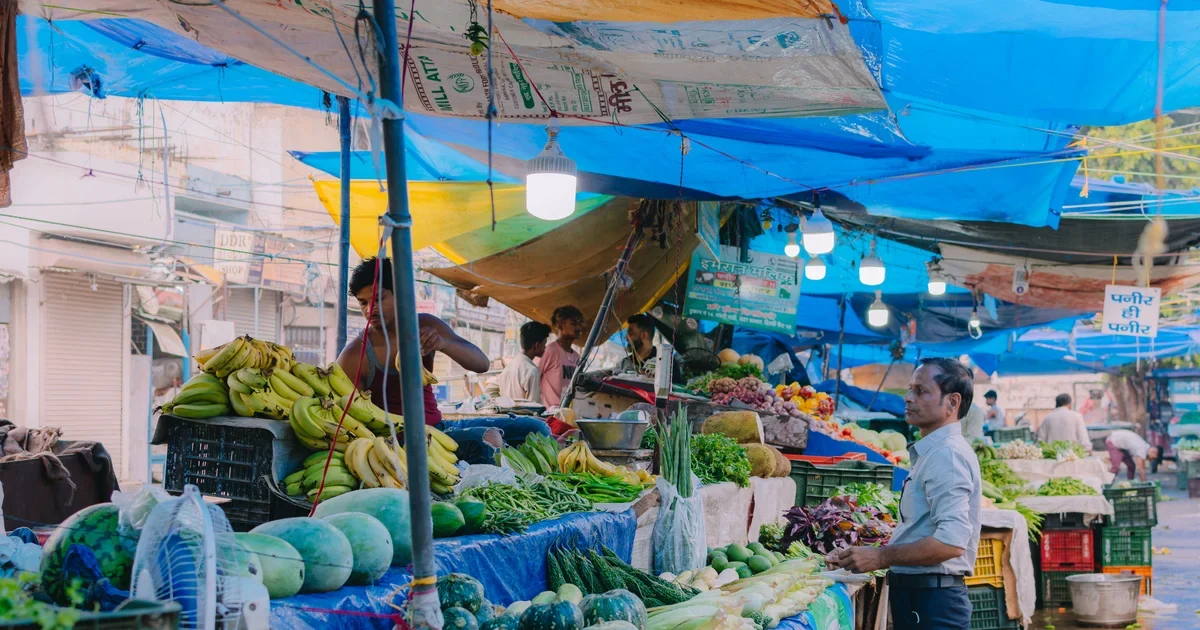
Photo by Pramod Tiwari on Pexels
In this story
How many Indians have diabetes?
About 101 million adults, according to the largest study of the question so far. The ICMR-INDIAB study, published in The Lancet Diabetes and Endocrinology in June 2023, surveyed 1,13,043 people aged 20 and above across 31 states and union territories, including 33,537 urban and 79,506 rural residents, as described by BioSpectrum India. A summary of the results puts diabetes at 11.4 per cent of adults (about 101 million people) and prediabetes at 15.3 per cent (about 136 million), as listed in a secondary write-up of the paper. The same summary gave hypertension at 35.5 per cent (about 315 million people), generalised obesity at 28.6 per cent and abdominal obesity at 39.5 per cent.
Prediabetes is the quieter number. It means blood sugar is above normal but below the diabetes line. Many people in that group will move across the line within a few years unless something changes. Taken together, the study suggests that roughly one adult in four in India has either diabetes or prediabetes.
These figures come from surveys carried out between 2008 and 2020 and analysed together, so the true count today is probably higher. Treat them as the best recent snapshot, and not as a live count.
Does the national number hide big differences between states?
Yes, by a wide margin. The summary of the study reports the highest diabetes prevalence in Goa at 26.4 per cent and the lowest in Uttar Pradesh at 4.8 per cent. For prediabetes, Sikkim was highest at 31.3 per cent and Mizoram lowest at 6.8 per cent. Those state figures come from a secondary summary and not the Lancet paper itself, so check the original paper before quoting them.
The broad pattern is that southern, western and northern states with higher incomes and more urban residents had more diabetes than the poorer states of the east and centre. The authors of the paper also wrote that the epidemic appears to be levelling off in some of the more developed states and rising in many others. That matters for planning. A state that today looks low on the chart may be the next one to climb it.
Is it only a city disease?
Not any more. Cities still have the higher rates, but the growth is now fastest in places that were once considered safe. NFHS-5 (2019-21) gives a feel for the gap on weight. Among women, 33.2 per cent in urban areas and 19.7 per cent in rural areas were overweight or obese, and among men 29.8 per cent and 19.3 per cent, according to Down To Earth’s reading of the survey. A rural rate near 20 per cent would have been unthinkable a generation ago. With more mechanised farming, more motorbikes, more packaged snacks and sweet drinks in the village shop, the rural body is changing too.
How fast is obesity rising?
NFHS-5 found that 24 per cent of women and 22.9 per cent of men aged 15 to 49 were overweight or obese (a body mass index of 25 or above), up from 20.6 per cent and 18.9 per cent in NFHS-4 (2015-16). That is a rise of about four percentage points in five years. No state recorded a fall for both men and women. Haryana, Karnataka, Manipur and Odisha were among the worst performers, with women’s rates rising by 7 to 12 percentage points between the two rounds. Gujarat and Maharashtra did best, though even they did not fully reverse the trend, as reported by Down To Earth.
A note on measurement. Doctors who study South Asians argue that the standard cut-offs miss many at-risk people. Indian consensus guidelines use lower BMI thresholds and waist size. A waist of 90 cm or more in men and 80 cm or more in women is commonly used as the line for abdominal obesity. That is why the ICMR-INDIAB figure for abdominal obesity (39.5 per cent) is much higher than the figure for generalised obesity (28.6 per cent).
Why do Indians develop diabetes at lower body weights?
Clinical research describes what is often called the thin-fat or Asian Indian phenotype. Indians tend to carry more fat around the abdomen and inside the body (visceral fat) for a given BMI than Europeans do, with higher insulin resistance and lower levels of a protective hormone called adiponectin. A review in the PubMed Central archive sets out the argument, and the World Health Organization has endorsed lower BMI cut-offs for Asian populations for that reason. In plain terms, a person can look slim, have a normal BMI and still carry the metabolic risk of someone much heavier.
Some researchers believe the pattern begins early in life, with babies who are born small and then gain weight quickly, but we found only secondary sources for that point and do not lean on it here. What is solid is the practical message: waist size, family history and blood tests tell you more than the weighing scale.
Is genetics the main reason?
It is a part of the story and not the whole. Genes may make Indians more sensitive to a poor diet and inactivity. But the rapid rise in the past few decades cannot be genetic, since genes do not change in one generation. The shift is in the way we eat and move.
What is driving the rise?
- A changing plate. More refined cereals such as polished rice and white flour, more oil, more sugar, and fewer pulses, millets, vegetables and fruit in the daily diet. Sweets and fried snacks have moved from the festival to the weekday.
- Packaged and ultra-processed food. Biscuits, namkeen, instant noodles, sweet drinks and ready meals are sold in the smallest village shop, in single-serve packs that cost a few rupees. They are made to be cheap, tasty and easy to eat again and again.
- Less movement. Desk work, vehicles, and screens have cut the walking and physical labour that earlier generations did without thinking. Many Indian cities have footpaths that are broken or blocked, and few safe places to exercise, especially for women.
- Stress and poor sleep. Long working hours, night shifts and constant phone use. Our article on India’s mental health care gap touches on the link between mind and body.
- Tobacco, alcohol and air pollution. These add to the cardiac and metabolic damage that diabetes brings.
- Early-life nutrition. A country that still has a stunting problem now has an obesity problem as well. Children who are underfed in the womb and in early life, and then fed energy-dense food, are at higher risk later. Our piece on why stunting persists in India covers the first half of that double burden.
Do rising incomes explain it?
Partly. Higher income means more food and more choice, and also more packaged food and less physical work. But the poor are not spared. Cheap calories, such as refined flour, oil and sugar, are the easiest to buy, and fruit, vegetables, nuts and pulses cost more. A family trying to fill a stomach on a small budget often ends up with a diet that is high in energy and low in nutrients.
Why does young-onset diabetes matter?
Many Indians develop type 2 diabetes in their 30s and 40s, a decade or more earlier than patients in several Western countries. We could not find a verified national figure for the share of young-onset cases, so we do not quote one. What diabetologists report in clinics is that younger patients tend to face longer exposure to high blood sugar, which means more years in which the eyes, kidneys, nerves and heart can be damaged. They are also at the age when they support children and parents, so a serious complication hits the whole household.
The costs are large for a family. Medicines, test strips, doctor visits, eye and kidney care, and lost work add up over decades. For many households a diabetes diagnosis can mean a long run of out-of-pocket spending, a theme that also appears in our piece on why TB treatment stops, where cost and travel to a clinic are among the reasons people drop out of care.
What works to reduce diabetes?
The evidence is strongest for three things: finding people early, keeping them on treatment close to home, and changing the food environment so that the healthy choice is the easy one.
What is the NP-NCD screening programme?
The National Programme for Prevention and Control of Non-Communicable Diseases (NP-NCD) began in 2016 and aims to screen every adult aged 30 and above for diabetes, hypertension and common cancers. Screening now happens at Ayushman Arogya Mandirs (the health and wellness centres that replaced sub-centres), where a community health officer and ASHA workers do the checks. According to a Minister of State’s reply in Parliament in August 2025, citing the National NCD Portal and reported by Medical Dialogues, 38.7 crore screenings for diabetes had been recorded, with 3.45 crore people diagnosed and 2.83 crore under treatment. For hypertension the figures were 38.9 crore screened, 5.13 crore diagnosed and 4.74 crore under treatment.
Two cautions. A screening count may include the same person more than once, so it is not the same as the number of individual adults checked. And the 3.45 crore diagnosed is far below the 10.1 crore estimated by ICMR-INDIAB, which suggests that many people with diabetes are still not found or not recorded. The gap between the survey number and the programme number is the work still to do. The related 75/25 initiative aimed to put 75 million people with hypertension and diabetes on standard care by December 2025. By March 2025 it had reached 42.01 million with hypertension and 25.27 million with diabetes, which is 89.7 per cent of the target, according to Medical Dialogues. We could not confirm whether the target was met by the deadline.
How does Tamil Nadu’s Makkalai Thedi Maruthuvam work?
The name means Healthcare at Your Doorstep. Chief Minister M.K. Stalin launched it on 5 August 2021 in Krishnagiri district. Health workers visit homes to check blood pressure and blood sugar, and the scheme delivers medicines for diabetes and hypertension to the door, using trained Women Health Volunteers. The first phase covered 1,172 health sub-centres and was meant to reach 1 crore people from 30 lakh families, as reported by Deccan Herald. In the first months, 40.8 lakh people had benefited, of whom 16.88 lakh were being monitored for hypertension and 11.52 lakh for diabetes. By late 2024 the health minister said it had gone past 1 crore beneficiaries and was nearing 2 crore, as reported by Dinamalar.
An evaluation by the Tamil Nadu State Planning Commission found that diabetes and hypertension were the best-covered conditions, while cancer screening coverage was very low, according to summaries of the report. We have only seen secondary summaries of that evaluation, so we do not quote its other numbers. The lesson holds anyway. A person who has to travel, wait and lose a day’s wages for a monthly refill will skip some refills. Bringing the medicine to her home is a simple change that protects the treatment. For more on why the state is a model, see our piece on how Tamil Nadu built India’s best social outcomes.
What is Kerala doing?
Kerala’s Shaili campaign sends ASHA workers door to door to screen adults over 30 for blood pressure, blood sugar and other risk factors using simple devices, and then link those at risk to a clinic. Reports on the first phase said more than 1.53 crore people above 30 were screened, and a later phase added screening for leprosy, vision, hearing and mental health, as covered by The South First. We found the 2026 phase figures only on news and blog sites, so we do not quote them. Kerala is also the state where women’s networks and local government work closely with the health system, which we explain in our Kerala model story.
What is Eat Right India?
Eat Right India is a movement run by the Food Safety and Standards Authority of India (FSSAI) since 2018. It works with schools, workplaces, railway stations, hospitals and street food vendors to promote safe and healthy eating, with certification for places that meet standards. It is a voluntary programme that shifts what is on offer and what people know. It does not by itself change prices or what the packet on the shelf says.
Should packets carry warning labels?
This is the live debate. Packaged foods in India now carry a nutrition table on the back, which few people read. Health groups have argued for a simple warning on the front of the pack for foods high in sugar, salt or saturated fat, the approach used in several Latin American countries. The Supreme Court took up the question and in April 2025 directed an expert committee to recommend changes to the labelling rules. In late August 2026, news reports said FSSAI proposed a red hexagon warning with wording such as HIGH FAT, HIGH SUGAR and HIGH SALT, first for products high in two or more of these nutrients, as reported by The South First. Later reports said the court questioned a proposed 365-day voluntary period and reserved its judgment, as reported by Moneylife. We rely on news reports here, not the court’s order.
There are fair arguments on both sides. Supporters say a clear front-of-pack signal helps a busy shopper and pushes makers to reformulate. Opponents, including some small manufacturers, worry that a blunt label could unfairly mark traditional foods and small makers, and say a nutrition table with education is enough. Experience from other countries suggests that mandatory, simple labels shift behaviour more than voluntary ones, but India’s own evidence will take time to build.
What other policies help?
- Tax and price. Higher taxes on sugary drinks, and lower prices of fruit, vegetables, pulses and millets through the public distribution system and school meals.
- School food. Mid-day meals and anganwadi food with less sugar and oil and more millets and vegetables, and limits on junk food sold near schools.
- Safe places to move. Footpaths, parks and cycling lanes that people actually use, which also reduces road injuries. Our piece on India’s road deaths covers why unsafe streets keep people off them.
- Trained primary care. A health worker who can check, counsel and refill a prescription in the village.
- Affordable medicines and tests. Free or low-cost metformin and other first-line drugs, glucose strips and an annual eye, foot and kidney check.
What would a stronger response look like?
- Close the gap between the survey and the register. If ICMR-INDIAB counts 101 million and the programme has diagnosed 3.45 crore, the other 6.5 crore or so need to be found, with unique identifiers so that counts mean people.
- Screen at 25 to 30, not only 30 and above, for those with a family history or a large waist. The risk starts earlier in Indians.
- Keep treatment going. Copy doorstep refills, reminders and a regular schedule from Tamil Nadu.
- Make healthy food cheaper than junk. This is a question of agricultural, tax and food policy as much as health.
- Label food clearly. A simple, mandatory front-of-pack signal, tested with ordinary shoppers.
- Look after the eyes, feet and kidneys. Complications cause the largest costs and disability, and a yearly check catches them early.
- Publish data by district and age. It is hard to fix what is not counted, and the age at onset is a gap in the public record.
What can you do?
- Get your blood sugar checked. If you are over 30, or younger with a family history, a waist above 90 cm (men) or 80 cm (women), or high blood pressure, ask for a fasting sugar or HbA1c test. Many Ayushman Arogya Mandirs do it free.
- Measure your waist, not only your weight. Use a tape at the level of the navel.
- Change one thing in the plate. Swap sweet drinks for water or chaas, add a pulse and a vegetable to each meal, and replace part of the polished rice or white flour with millets or whole grains.
- Walk after meals. Ten to fifteen minutes after eating helps blood sugar, and 30 minutes of brisk walking most days is a sound target for adults.
- Read the back of the pack, and treat any product where sugar, oil or salt is among the first three ingredients as an occasional food.
- Do not stop medicines on your own. If you have diabetes, talk to your doctor before changing doses or relying on home remedies, and keep up your eye, foot and kidney checks.
- Ask for local action. Ask your school to limit junk food sales, your resident welfare association to protect a walking path, and your panchayat or ward office when the next screening camp is.
- Help an elder. Older relatives may miss refills or checks, a theme covered in our piece on ageing India and the missing care plan.
This article is general information and not medical advice. See a doctor for diagnosis and treatment.
Frequently asked questions
How many Indians have diabetes?
The ICMR-INDIAB study (Lancet Diabetes and Endocrinology, 2023) estimated about 101 million adults, or 11.4 per cent, and a further 136 million with prediabetes.
What is prediabetes?
A stage where blood sugar is higher than normal but not yet in the diabetes range. It can often be reversed or delayed with weight loss, diet and exercise.
Why do thin Indians get diabetes?
Indians tend to carry more fat inside the abdomen at a given weight, which raises insulin resistance. A normal BMI does not rule out risk, so waist size and blood tests matter.
How much has obesity risen?
NFHS-5 (2019-21) found 24 per cent of women and 22.9 per cent of men overweight or obese, up from 20.6 per cent and 18.9 per cent in NFHS-4.
Is screening free?
Under the NP-NCD programme, adults aged 30 and above can get blood pressure and blood sugar checks at Ayushman Arogya Mandirs. Availability and wait times vary by state and centre.
What is Makkalai Thedi Maruthuvam?
A Tamil Nadu scheme, launched in August 2021, that brings checks and medicines for diabetes and hypertension to people’s homes.
Will front-of-pack warning labels be introduced?
The proposal is before FSSAI and the Supreme Court as of the latest reports we found. The final form and timeline are not yet settled.
The bottom line
India has about 101 million adults with diabetes and more than that again on the way, and obesity is climbing in every state. The pattern is not only about greed or laziness. It follows a food market that sells cheap sugar and oil in every shop, streets that are hard to walk, and a health system that finds fewer cases than there are. The best examples are practical. Tamil Nadu carries medicines to the door. Kerala sends health workers to homes. Screening at the village health centre catches the quiet years of prediabetes. A clear warning on a packet and a lower price on pulses and vegetables would do more than any leaflet. A blood test and a tape measure cost very little, and they are the first step.
Sources: ICMR-INDIAB, Lancet Diabetes and Endocrinology (June 2023); International Institute for Population Sciences, NFHS-5 (2019-21); Ministry of Health and Family Welfare, National Programme for Prevention and Control of NCDs (as reported in Parliament, August 2025); Government of Tamil Nadu, Makkalai Thedi Maruthuvam; Kerala Health Department, Shaili campaign; FSSAI and Supreme Court proceedings on front-of-pack labelling (as reported in the press).
What you can do
- Share the evidenceSend this to one person who should know about health.Share on WhatsApp
- Give an afternoonTeach, mentor, clean up, or lend your professional skills.Ways to volunteer
- Tell us what's missingKnow a story, a fact we got wrong, or a solution worth spotlighting?Suggest a story
Politically neutral. Every claim sourced. Report a correction.

No comments yet